
Modern Security Operations Centers (SOCs) process thousands of security alerts every day. While many alerts indicate legitimate security events, a significant percentage are false positives or low-priority notifications that require little or no action. As alert volumes continue to grow, security analysts can become overwhelmed, increasing the risk of overlooking genuine cyber threats. This challenge is commonly known as SOC alert fatigue.
Reducing alert fatigue is essential for improving incident response, increasing analyst productivity, and ensuring security teams focus on the threats that matter most. Organizations that implement the right combination of technology, automation, and operational processes can significantly reduce unnecessary alerts while strengthening their overall cybersecurity posture.
What Causes SOC Alert Fatigue?
SOC alert fatigue occurs when security teams receive more alerts than they can realistically investigate. This often happens because multiple security tools generate duplicate notifications, outdated detection rules create excessive false positives, or security platforms lack proper tuning.
As organizations expand their IT environments with cloud services, remote work, and connected devices, the number of security events also increases. Without effective filtering and prioritization, analysts spend valuable time reviewing harmless events instead of responding to real security incidents.
Over time, this constant stream of alerts can reduce productivity, increase analyst burnout, and delay the detection of genuine cyber threats.
Strategies to Reduce SOC Alert Fatigue
Reducing SOC alert fatigue begins with improving the quality of security alerts rather than simply reducing their quantity. Security teams should regularly review detection rules, eliminate duplicate alerts, and prioritize high-risk events based on business impact and threat severity.
Threat intelligence integration also improves alert accuracy by validating indicators of compromise before analysts begin investigations. Behavioral analytics and machine learning further reduce unnecessary alerts by identifying abnormal activity instead of relying solely on static detection rules.
Organizations should also establish clear incident response procedures so analysts can quickly determine which alerts require immediate action and which can be safely closed.
Using Automation to Improve Security Operations
Automation plays a critical role in reducing SOC alert fatigue. Security Orchestration, Automation, and Response (SOAR) platforms can automatically investigate routine alerts, enrich threat data, assign incident priorities, and execute predefined response actions without requiring manual intervention.
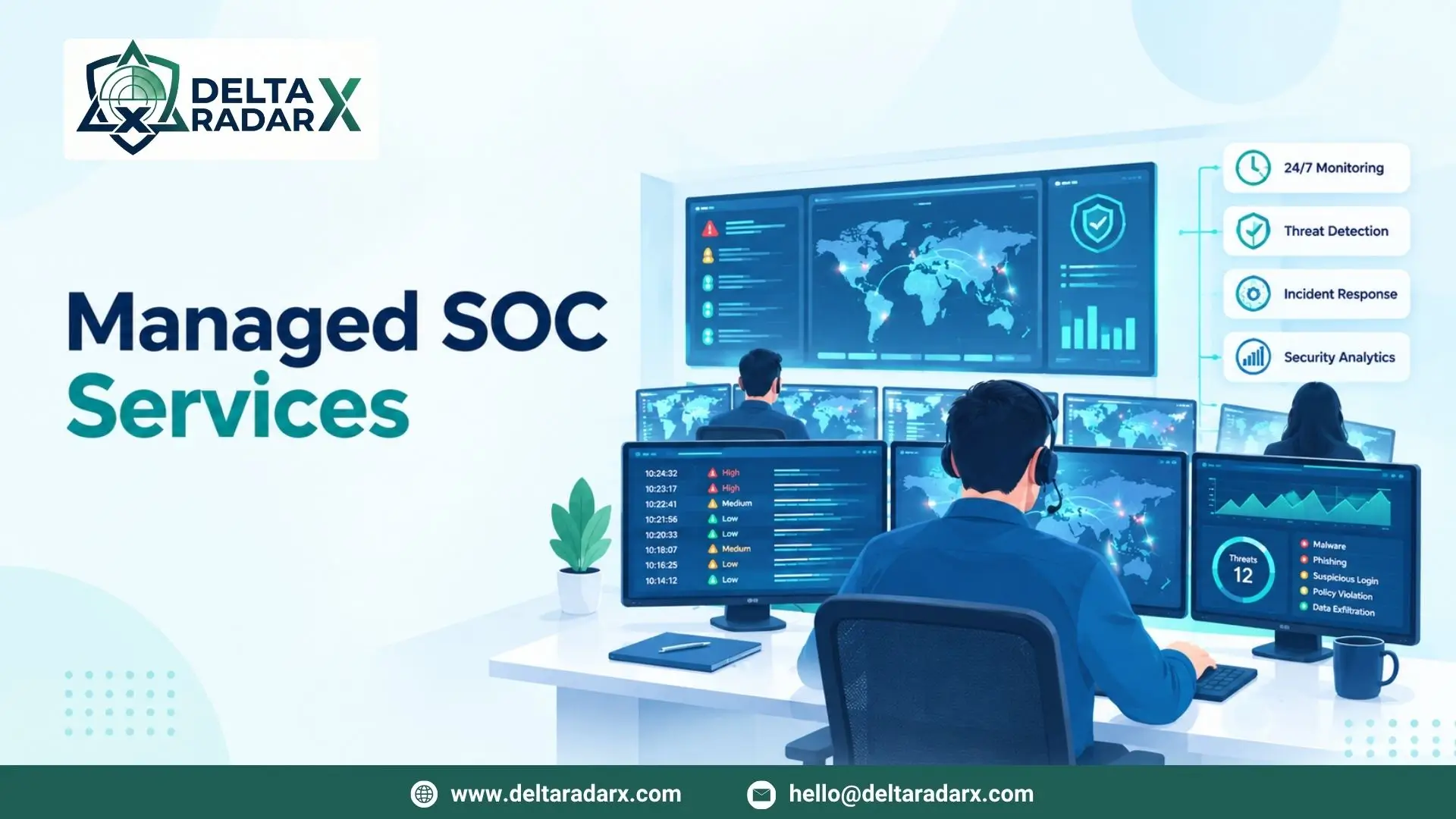
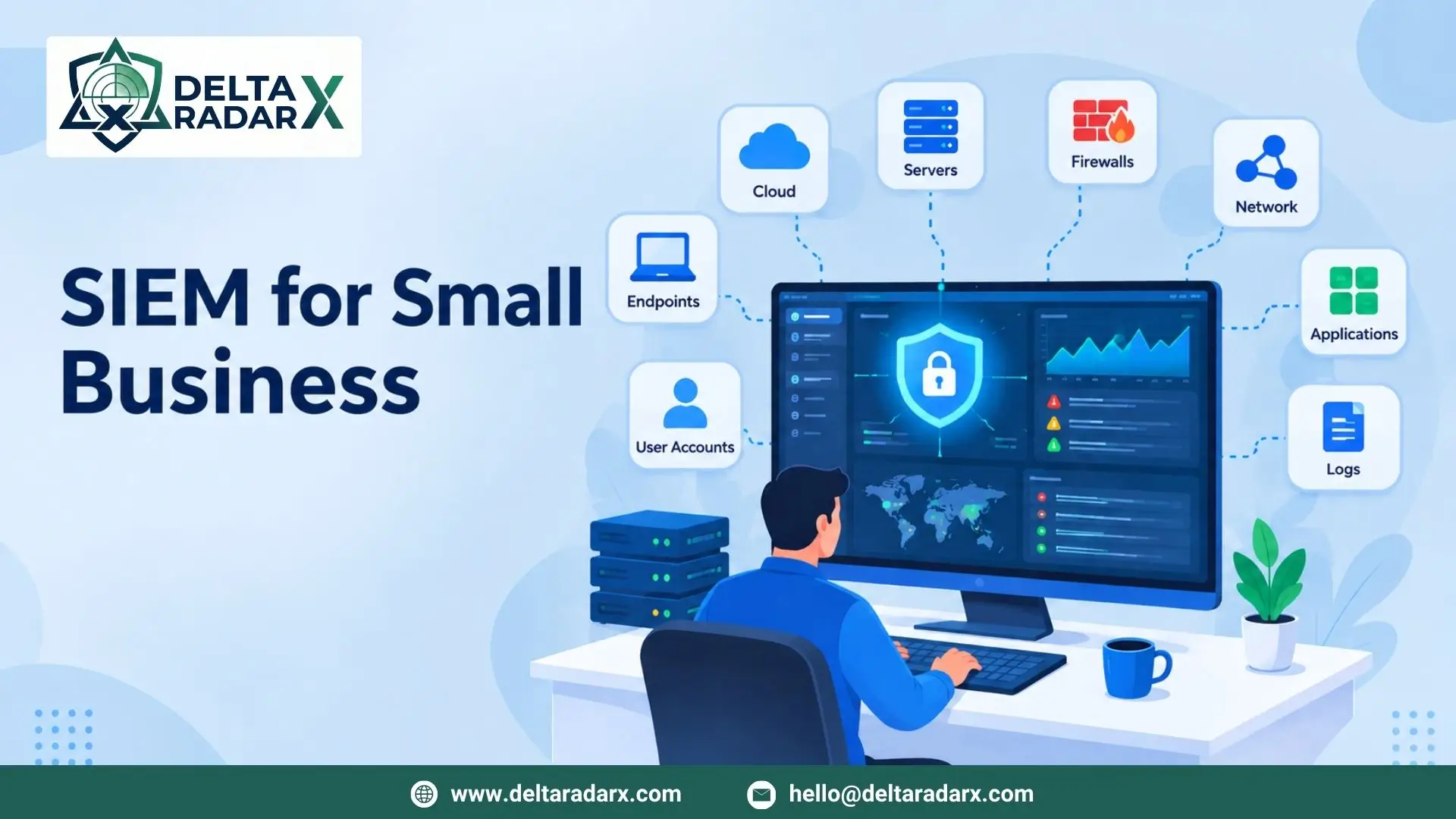
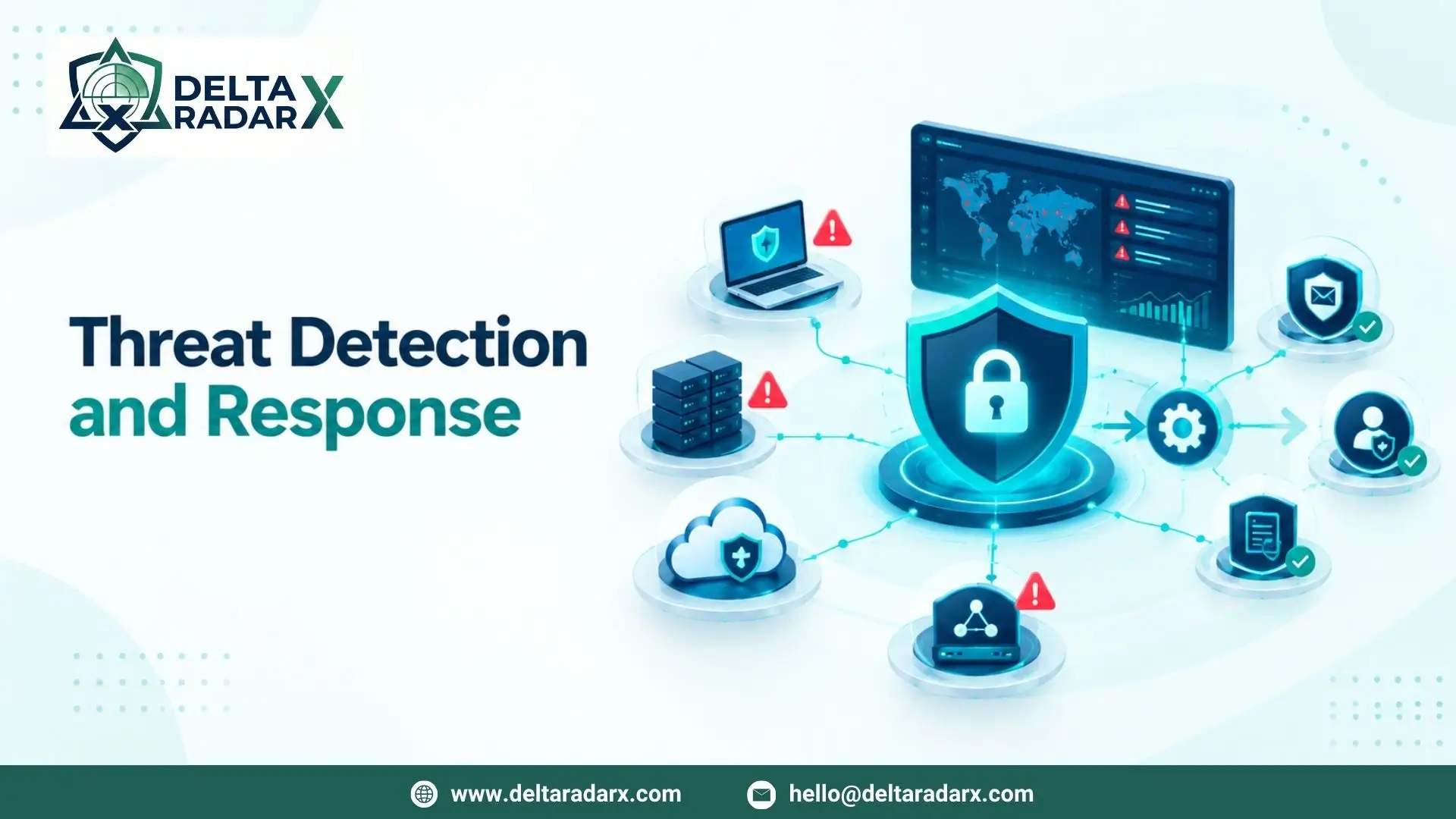
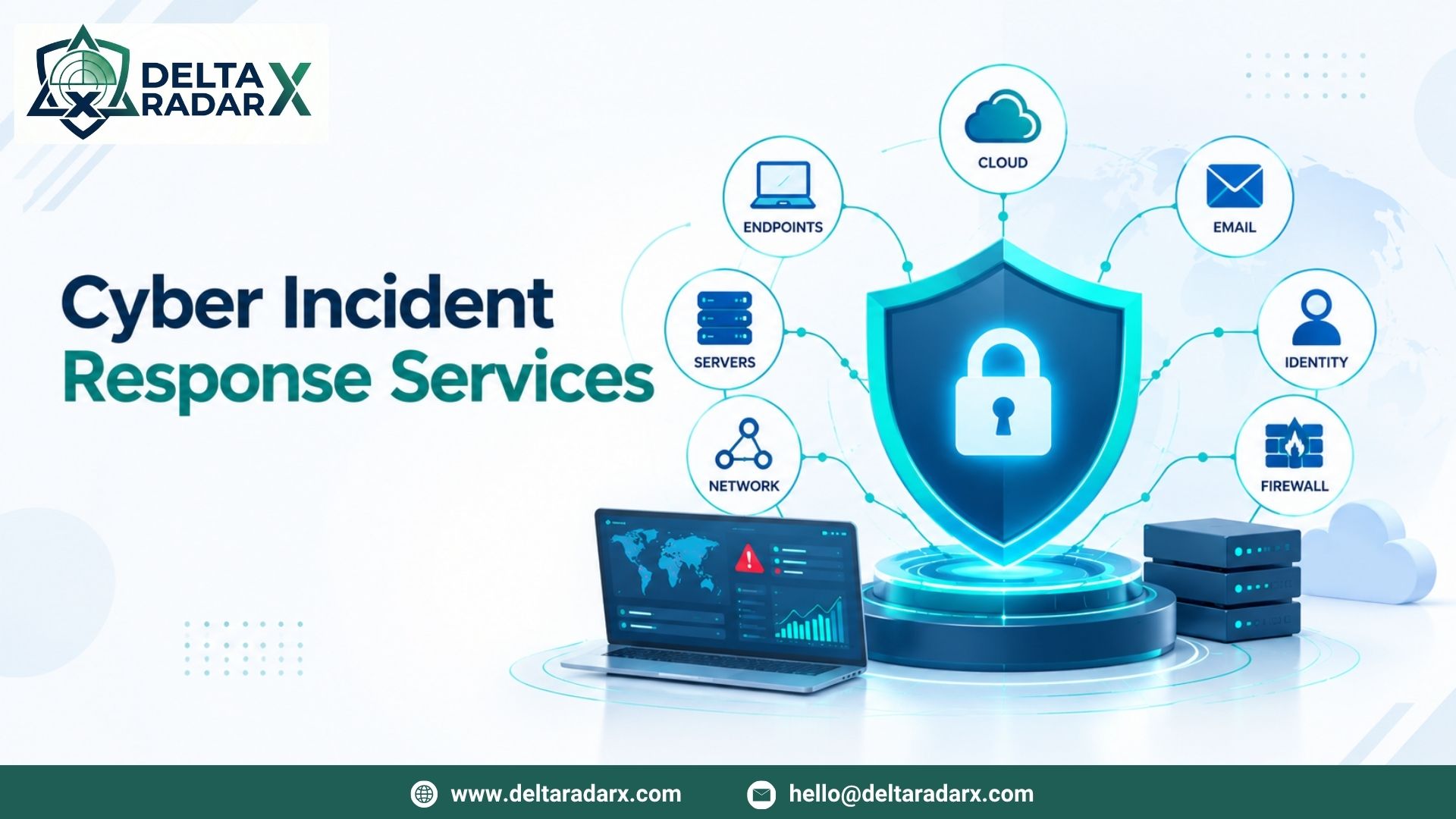
At DeltaRadarX, we help organizations reduce alert fatigue through 24/7 Security Operations Center (SOC) monitoring, real-time SIEM and log monitoring, Managed Detection and Response (MDR), and advanced incident handling. Our security experts continuously optimize detection rules, integrate threat intelligence, leverage SOAR automation, monitor endpoint and network activity, perform vulnerability assessments, and deliver compliance reporting aligned with ISO 27001, PCI DSS, HIPAA, GDPR, and NIST standards. Through co-managed SOC services and customized SIEM rule tuning, we help organizations eliminate unnecessary alerts while improving detection accuracy and response efficiency.
Benefits of Reducing SOC Alert Fatigue
Organizations that successfully reduce SOC alert fatigue enable their security analysts to focus on genuine threats instead of spending valuable time investigating false positives. Faster alert prioritization leads to quicker incident response, shorter investigation times, and improved overall security operations.
Optimized monitoring also reduces analyst burnout, improves operational efficiency, and strengthens collaboration across security teams. As detection rules become more accurate, organizations gain greater visibility into critical threats while maintaining compliance through detailed logging, reporting, and continuous monitoring.
Ultimately, reducing alert fatigue creates a more effective SOC capable of responding to sophisticated cyber threats without overwhelming security personnel.
Related Cybersecurity Guides
To learn how centralized monitoring improves alert management, read our What Is SIEM guide. You can also explore our Security Event Monitoring Tools article to understand how security events are collected and analyzed, discover how Automated Incident Response helps eliminate repetitive manual tasks, and read our Continuous Security Monitoring guide to see how proactive monitoring strengthens enterprise cybersecurity.