
What is SOC? A Security Operations Center (SOC) is a dedicated security function that monitors an organization’s digital environment for potential cyber threats. It brings security professionals, technologies, and processes together to detect suspicious activity and respond to security incidents.
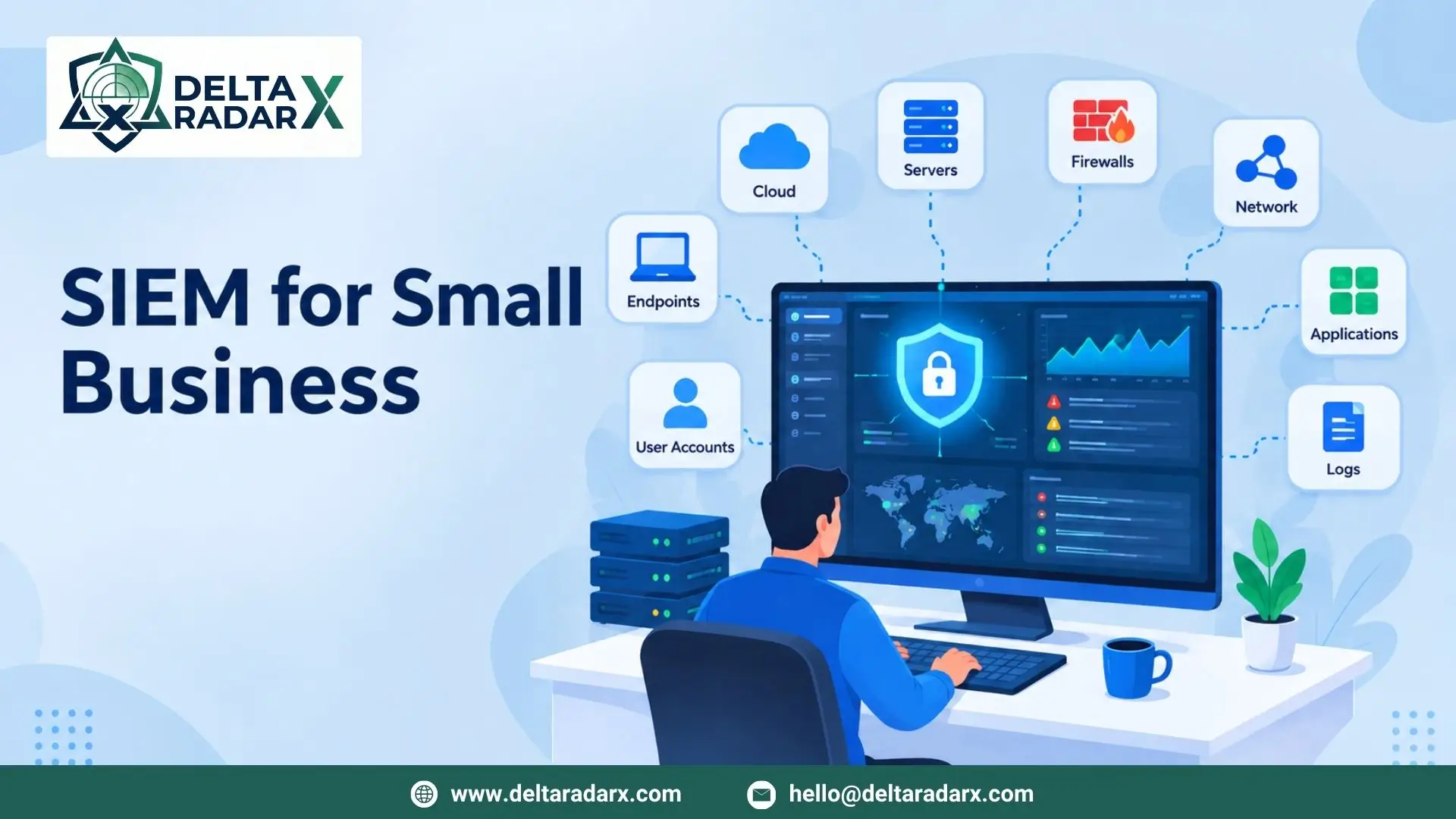
Modern businesses generate security data from many different systems. Firewalls, endpoints, servers, cloud platforms, applications, and identity systems can all produce important security events.
Monitoring these events manually can be difficult. A SOC provides a centralized approach to security monitoring and helps teams identify threats before they cause greater damage.
What Does SOC Stand For?
SOC stands for Security Operations Center.
The term refers to the people, technologies, and processes responsible for monitoring and protecting an organization’s IT environment.
A security operations team normally works with three main components.
People monitor alerts, investigate suspicious activity, and manage security incidents.
Technology provides visibility and detection capabilities through tools such as SIEM, EDR, threat intelligence, network monitoring, and security automation.
Processes define how teams handle alerts, investigations, escalations, incident response, and reporting.
These components work together to create an effective security monitoring operation.
What Is a Security Operations Center?
A Security Operations Center is responsible for monitoring an organization’s systems and identifying potential security threats.
The team can monitor many parts of an IT environment, including:
- Networks
- Firewalls
- Endpoints
- Servers
- Cloud infrastructure
- Applications
- User accounts
- Authentication systems
- Security logs
The main goal is to identify suspicious activity, investigate potential threats, and support an appropriate response.
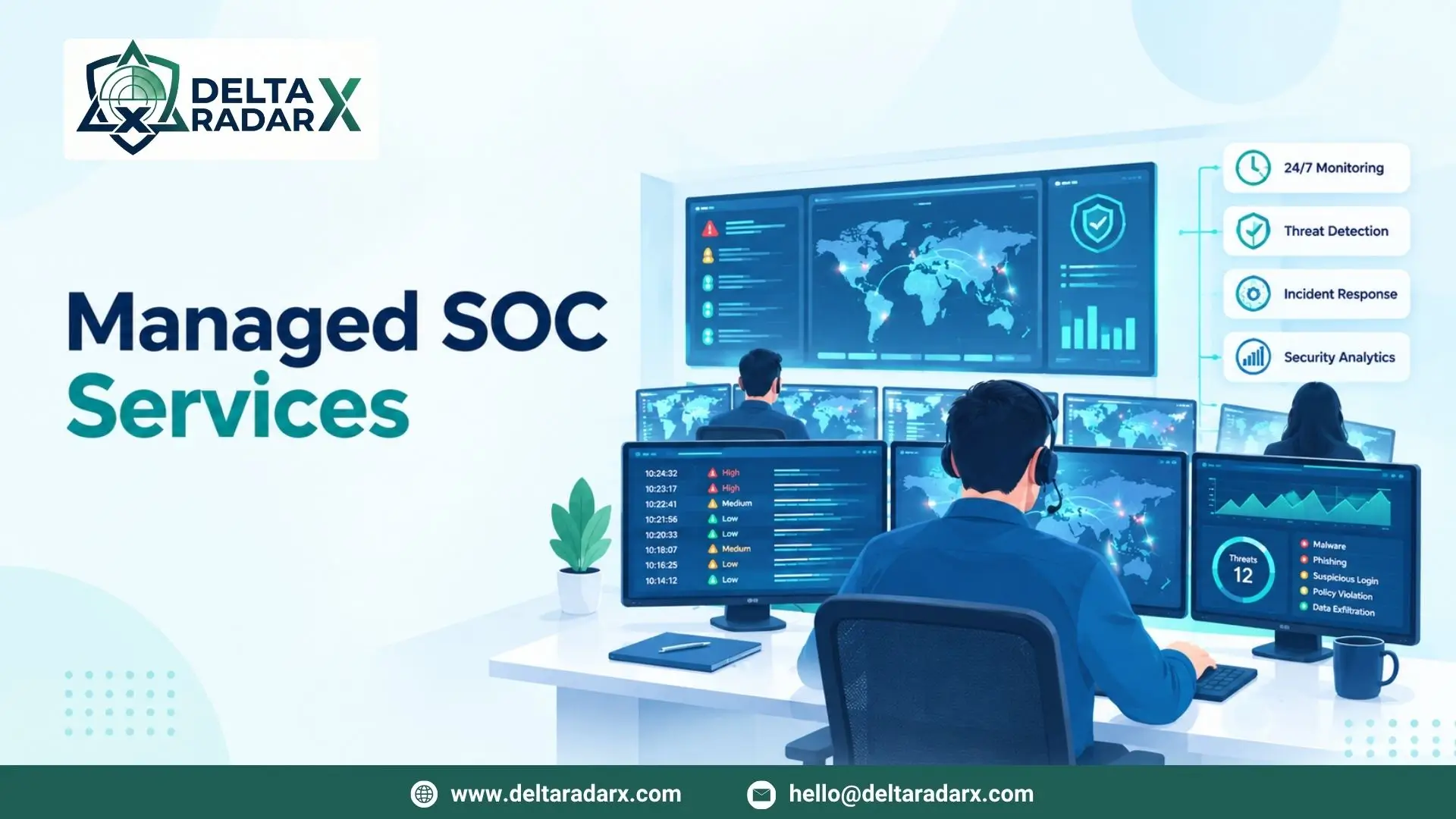
A SOC does not always need to operate from a physical office. Organizations can use internal teams, remote security operations, cloud-based platforms, or managed security providers.
How Does a SOC Work?
A SOC follows a continuous monitoring and response process.
Security data first comes from different systems. Security tools then analyze the incoming information and generate alerts when they identify unusual or potentially dangerous activity.
Security analysts review those alerts and decide whether further investigation is necessary.
Collecting Security Data
The first step is collecting useful security information.
Data can come from firewalls, endpoints, servers, applications, cloud platforms, and identity systems.
A SIEM platform can help bring these events together. This gives analysts a centralized view of activity across the environment.
Monitoring Security Events
SOC analysts continuously monitor security events and alerts.
The monitoring process can operate 24/7, depending on the organization’s requirements.
Continuous monitoring is important because cyberattacks can occur at any time.
Alert Triage
Security tools can generate a large number of alerts.
However, not every alert represents a genuine threat.
Analysts review each alert and determine its severity. They then prioritize events that require further investigation.
This process helps reduce unnecessary work and allows analysts to focus on higher-risk activity.
Investigating Suspicious Activity
When an alert appears suspicious, analysts investigate the surrounding activity.
They may review:
- User activity
- IP addresses
- Network connections
- Endpoint processes
- Authentication events
- File activity
- Historical logs
- Threat intelligence
Looking at several data sources can provide more context.
For example, a failed login may not be unusual by itself. However, repeated failed attempts followed by a successful login and unusual endpoint activity may indicate a potential account compromise.
Responding to Incidents
If the investigation confirms a security incident, the SOC can support the response process.
Depending on the organization’s procedures, the team may:
- Isolate an affected endpoint
- Block suspicious traffic
- Disable a compromised account
- Escalate the incident
- Collect additional evidence
- Support recovery activities
The response depends on the type and severity of the incident.
Improving Security Operations
Security monitoring should continue to improve over time.
After an incident, analysts can review what happened and identify ways to improve detection and response.
They may update security rules, adjust alert thresholds, improve monitoring, or strengthen security controls.
What Does a SOC Do?
A security operations team performs several important cybersecurity functions.
Threat Monitoring
The team monitors security activity across the organization’s environment.
This can include network traffic, endpoint activity, authentication events, and system logs.
Threat Detection
Security technologies and analysts work together to identify suspicious behavior.
Detection rules and event correlation can help connect related events.
Alert Management
Analysts review incoming alerts and prioritize them based on risk.
This helps security teams focus on events that may have a greater impact.
Security Investigation
When suspicious activity is detected, analysts investigate the event and look for related activity.
The investigation can help determine whether the event is a false positive or a genuine threat.
Incident Response
The security team can support containment and response when an incident is confirmed.
This helps reduce the potential impact of an attack.
Threat Intelligence
Threat intelligence provides additional context about potential threats.
For example, analysts can check suspicious IP addresses, domains, URLs, files, and other indicators against available intelligence.
Security Reporting
Security teams also document important activities through reports.
These reports can help organizations understand security trends, incidents, response actions, and areas that need improvement.
SOC Roles and Responsibilities
The structure of a security operations team depends on the organization’s size and requirements.
Tier 1 Security Analyst
Tier 1 analysts usually monitor alerts and perform initial triage.
They identify suspicious events and escalate important cases.
Tier 2 Security Analyst
Tier 2 analysts perform deeper investigations.
They analyze activity across multiple systems and determine whether an alert represents a real security issue.
Tier 3 Security Analyst
Tier 3 analysts handle more complex security investigations.
They may work on threat hunting, advanced detection, malware analysis, and detection engineering.
Incident Response Specialists
Incident response specialists focus on confirmed or high-priority security incidents.
They help contain threats and investigate their impact.
SOC Manager
A SOC manager oversees the overall security operation.
Responsibilities may include staffing, processes, technology, performance, and incident escalation.
Smaller organizations may combine several of these roles.
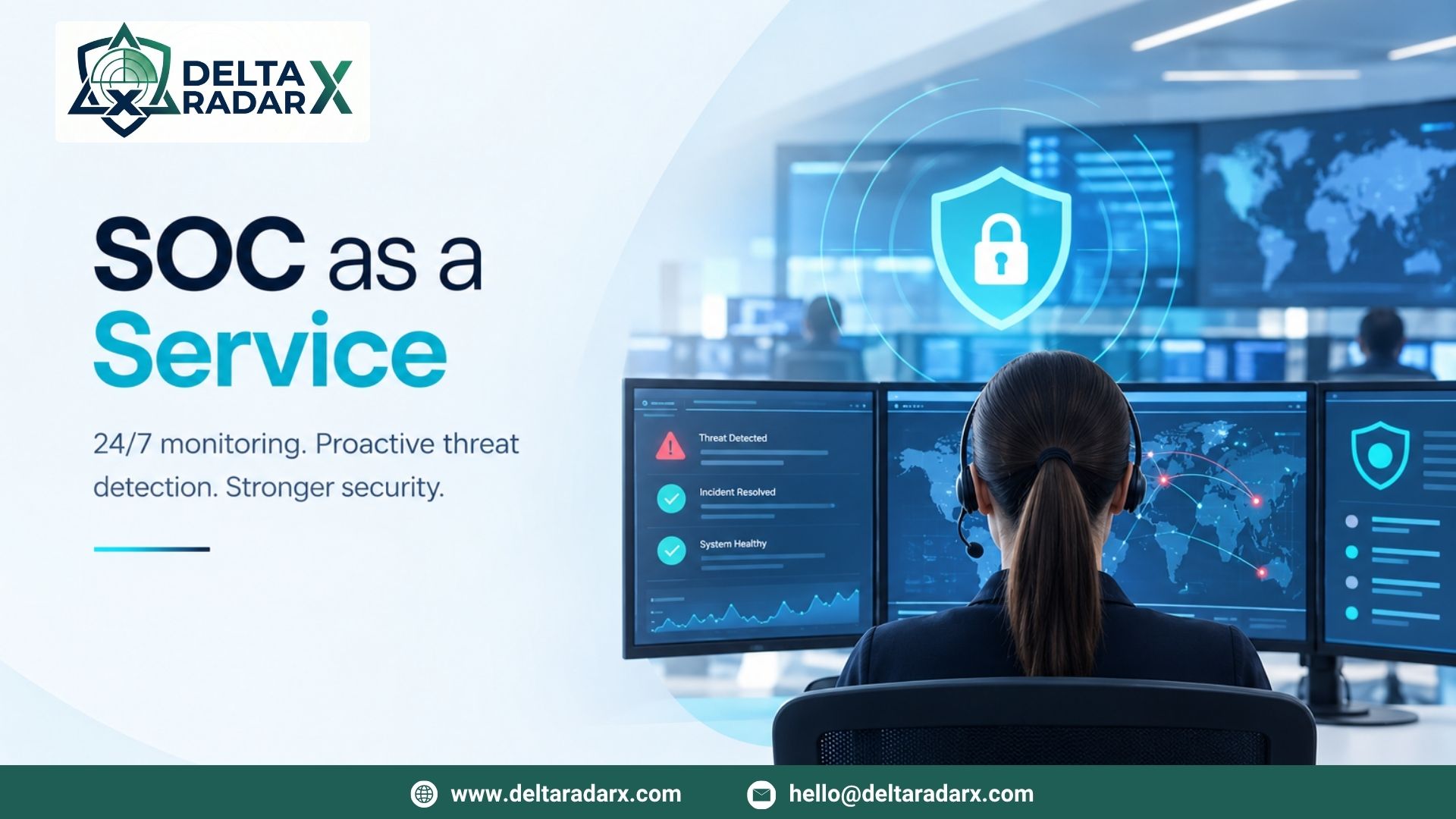
SOC as a Service
SOC as a Service allows organizations to receive security monitoring and operations support from an external provider.
Instead of building a complete internal security operations team, a business can work with a managed security provider.
This model can be useful for organizations that need continuous monitoring but have limited internal security resources.
How SOC as a Service Works
The service provider connects important security data sources to its monitoring environment.
These sources may include:
- Firewalls
- Endpoints
- Servers
- Cloud platforms
- Applications
- Identity systems
- Network devices
Security analysts then monitor the collected data.
When suspicious activity is detected, analysts investigate the event and follow the agreed escalation process.
Depending on the service, the provider may also assist with incident response and threat containment.
Benefits of SOC as a Service
This model can provide several advantages.
24/7 monitoring: Security events can be monitored outside normal business hours.
Security expertise: Organizations can access experienced cybersecurity professionals.
Reduced staffing requirements: Businesses do not need to build a large internal team.
Faster investigation: Alerts can be reviewed by dedicated security analysts.
Scalability: Monitoring can expand as the business grows.
Access to security technologies: Managed providers can combine SIEM, EDR, threat intelligence, SOAR, and other technologies.
Global Security Operations Center
A Global Security Operations Center provides security monitoring across multiple regions and time zones.
This model is particularly useful for multinational organizations.
A global business may have offices, employees, cloud resources, and servers in different countries. Security monitoring must therefore continue even when one region is outside normal working hours.
Why Use a Global SOC?
A global operation can provide broader security coverage.
It can monitor activity from different regions and help identify threats that affect multiple locations.
This approach can also support organizations with distributed infrastructure.
Follow-the-Sun Monitoring
Some global operations use a follow-the-sun model.
Different security teams work in different time zones.
When one team’s working period ends, another team takes over.
This approach can provide continuous monitoring without requiring the same analysts to work overnight.
Centralized Global Monitoring
Global teams can use shared security platforms and procedures.
This helps maintain consistent detection rules, reporting standards, escalation processes, and incident handling.
SOC Monitoring Tools
Modern security operations rely on several technologies.
No single tool can provide complete visibility across an entire IT environment.
SIEM
SIEM collects security events from different sources and analyzes them in a centralized environment.
It can correlate related events and generate alerts for suspicious activity.
EDR
Endpoint Detection and Response monitors devices such as computers and servers.
It can help identify suspicious processes, files, and other endpoint activity.
Network Monitoring
Network monitoring provides visibility into network traffic and connections.
It can help analysts identify unusual communication patterns.
Threat Intelligence
Threat intelligence adds context to suspicious indicators.
Analysts can use it to investigate IP addresses, domains, URLs, malware indicators, and other potential threats.
SOAR
Security Orchestration, Automation and Response can automate selected security tasks.
Automation can reduce repetitive work and help teams respond to certain alerts more efficiently.
Vulnerability Management
Vulnerability management helps organizations identify weaknesses in systems and applications.
This information can help security teams understand which vulnerabilities require attention.
SOC Challenges
Running an effective security operation can be challenging.
Organizations need skilled professionals, suitable technologies, and clear processes.
Alert Overload
Large environments can generate thousands of security alerts.
Poorly configured detection rules can increase unnecessary alerts.
This may lead to alert fatigue.
Shortage of Security Professionals
Security operations require specialized knowledge.
Finding experienced analysts can be difficult, especially when an organization needs continuous 24/7 coverage.
Complex IT Environments
Businesses often use multiple cloud platforms, applications, endpoints, servers, and network devices.
Connecting and monitoring all these systems can increase operational complexity.
Operating Costs
An internal 24/7 SOC requires employees, security technologies, training, infrastructure, and ongoing maintenance.
For some organizations, an outsourced model may be a more practical option.
SOC Best Practices
Organizations can improve security operations by following several practical approaches.
Monitor Critical Systems
Start with the systems that are most important to the business.
These may include identity systems, firewalls, endpoints, critical servers, and cloud infrastructure.
Reduce Unnecessary Alerts
Review false positives and tune detection rules regularly.
This helps analysts focus on meaningful security events.
Create Clear Response Procedures
Define what should happen when different types of incidents are detected.
Clear procedures can help teams respond consistently.
Use Multiple Security Data Sources
Combining network, endpoint, identity, and application data can provide better context.
Review Security Reports
Regular reporting can help identify recurring threats and security gaps.
Improve Continuously
Security operations should evolve as threats and technologies change.
Regular reviews can help organizations improve their monitoring and response capabilities.
SOC at DeltaRadarX
A modern security operation needs more than basic alert monitoring.
It should connect detection, investigation, response, and security intelligence.
DeltaRadarX provides 24/7 SOC operations, real-time SIEM and log monitoring, Managed Detection and Response (MDR), incident handling, threat intelligence, SOAR automation, EDR, network and firewall monitoring, vulnerability assessments, and compliance reporting.
These capabilities help provide visibility across different parts of an organization’s environment.
For example, analysts can review a suspicious login together with endpoint activity and firewall events. This additional context can help determine whether the activity is normal or potentially malicious.
DeltaRadarX also offers co-managed SOC support for organizations that already have internal IT or security teams.
This approach can provide additional monitoring capacity and security expertise without requiring the organization to build a complete 24/7 operation internally.
Final Considerations
A Security Operations Center brings people, technology, and processes together to protect an organization’s digital environment.
Its responsibilities include security monitoring, threat detection, alert investigation, incident response, threat intelligence, and reporting.
Organizations with limited internal resources can consider SOC as a Service to gain access to continuous monitoring and cybersecurity expertise.
Larger organizations may also benefit from a Global Security Operations Center that provides security coverage across multiple regions and time zones.