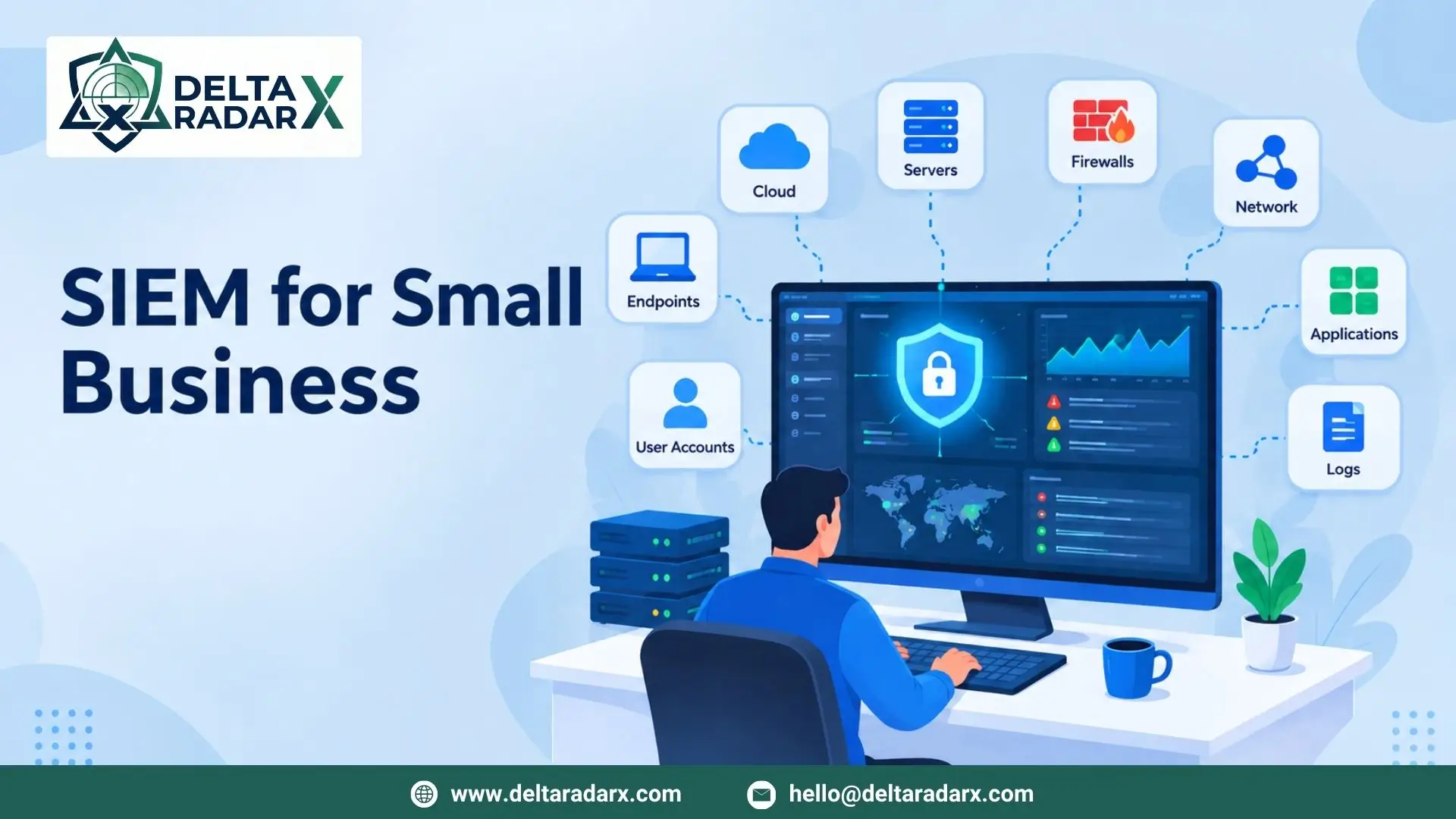

Security teams rarely have the luxury of dealing with one alert at a time. Modern businesses generate security events from endpoints, firewalls, cloud platforms, servers, applications, and user accounts throughout the day.
Finding a real threat inside that activity takes more than collecting logs. Someone needs to monitor the data, investigate alerts, connect related events, and decide when an incident requires action.
Managed SIEM provides this security monitoring through a specialized service. Instead of building and maintaining every SIEM function internally, organizations can work with a security provider that manages monitoring, detection, analysis, and response.
This approach can be useful for businesses that want stronger security visibility without taking on the full cost and complexity of running a dedicated SIEM operation.
What Is Managed SIEM?
Managed SIEM is a security service in which a provider manages SIEM technology and security monitoring activities on behalf of an organization.
A SIEM collects security-related information from different sources and brings it into a central environment. The managed service adds security professionals who monitor that information and investigate important events.
Depending on the provider, the service may include:
- Log collection and analysis
- Security event correlation
- Threat detection
- Alert monitoring
- Incident investigation
- Threat intelligence
- Security reporting
- Compliance support
- Security automation
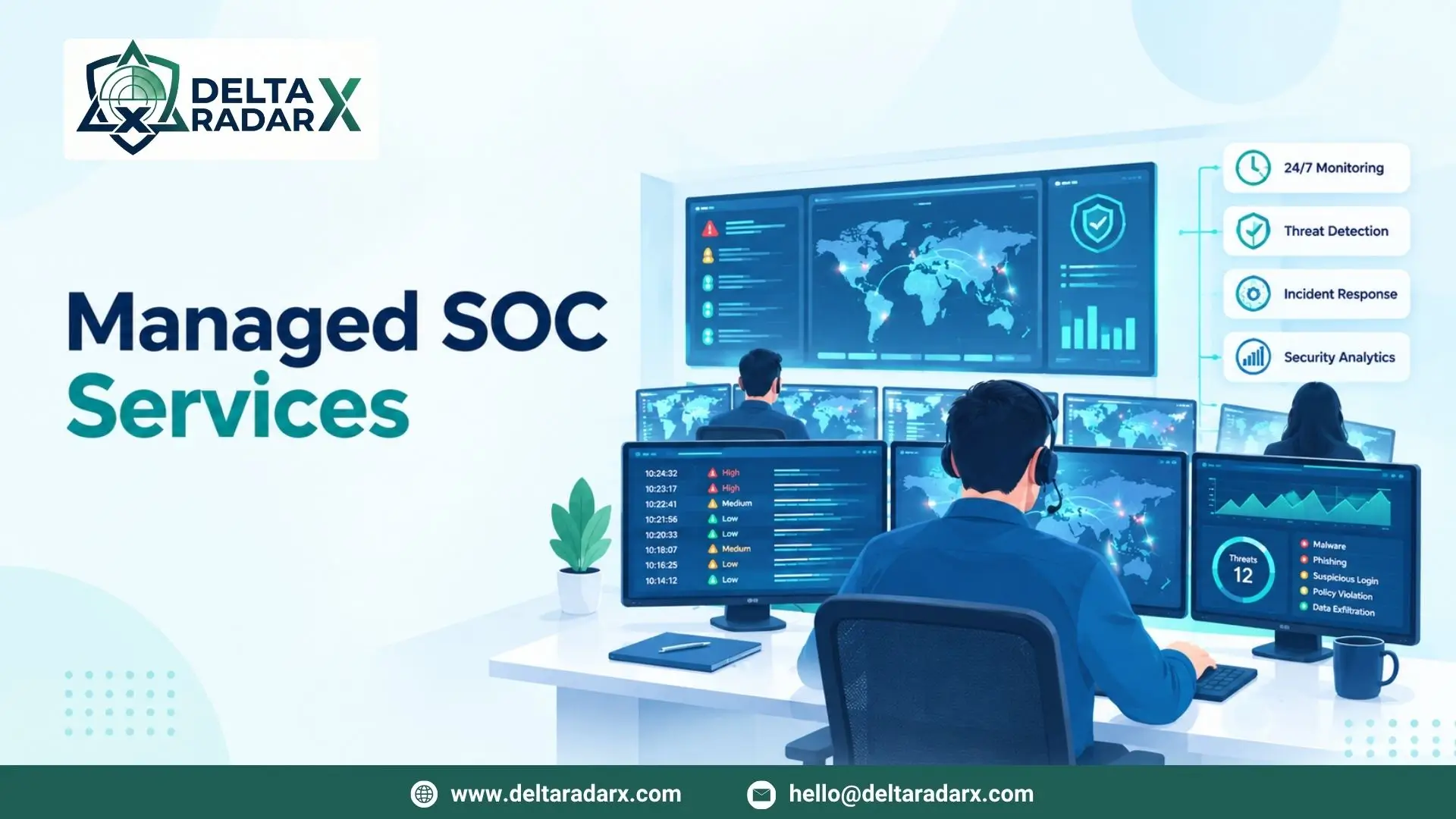
- Continuous SOC monitoring
The main advantage is that businesses do not have to rely entirely on an internal team to monitor every security event around the clock.
Why Do Businesses Need Managed SIEM?
A SIEM platform can collect huge amounts of security data, but technology alone does not guarantee effective monitoring.
Someone still needs to determine which alerts matter.
For smaller security teams, monitoring can become difficult when alerts arrive outside normal working hours. Large organizations may have the opposite problem: too much data and too many alerts for analysts to review manually.
Managed SIEM addresses this challenge by combining SIEM technology with ongoing security monitoring.
It can help businesses improve visibility, reduce the workload on internal teams, and investigate suspicious activity more efficiently.
Managed SIEM Services
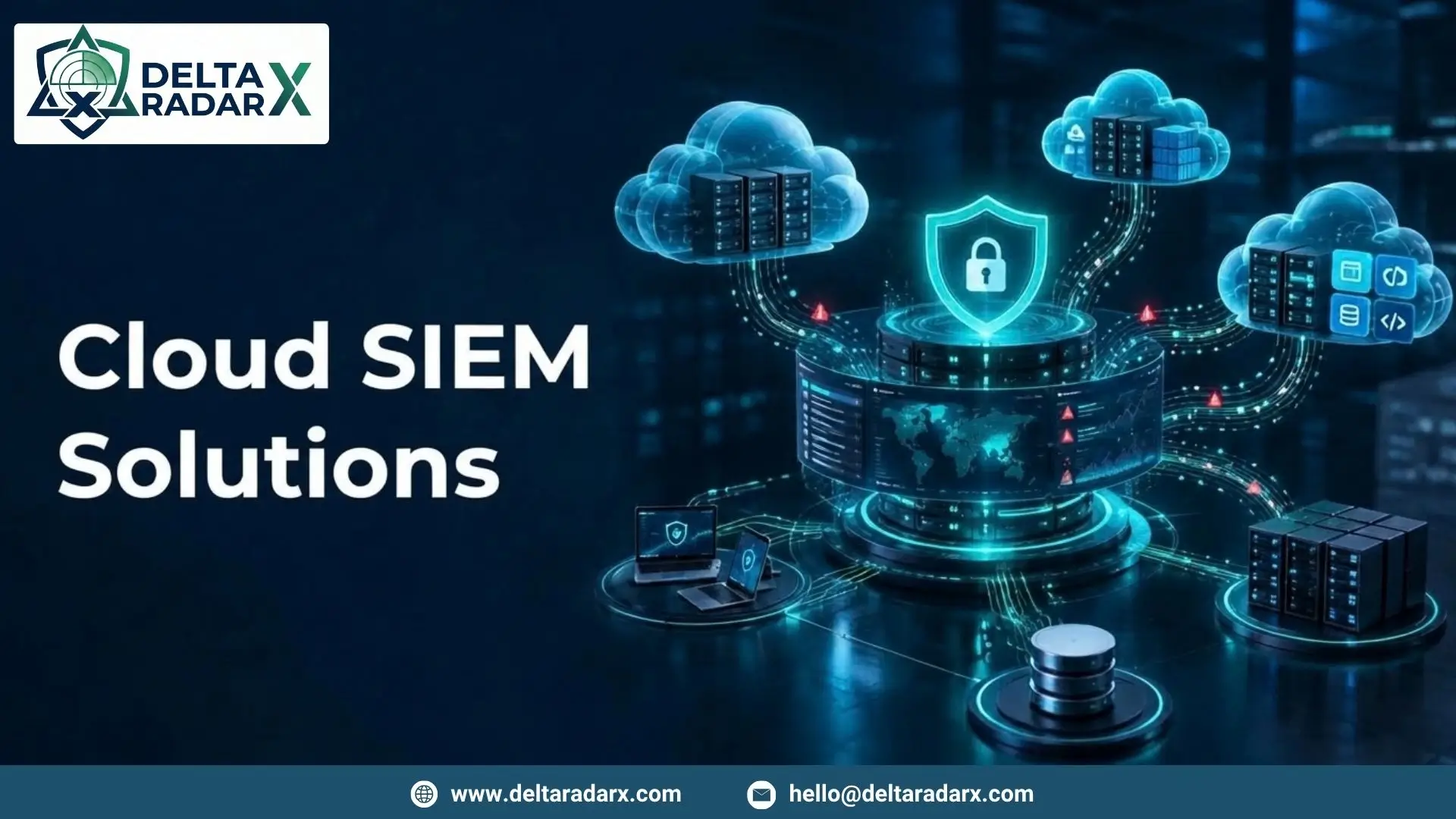
Managed SIEM Services provide continuous monitoring and security analysis through an external security provider.
The exact service package varies between providers, but a comprehensive offering can cover the complete process from collecting security events to investigating potential incidents.
What Do Managed SIEM Services Include?
A managed service may include several connected security capabilities.
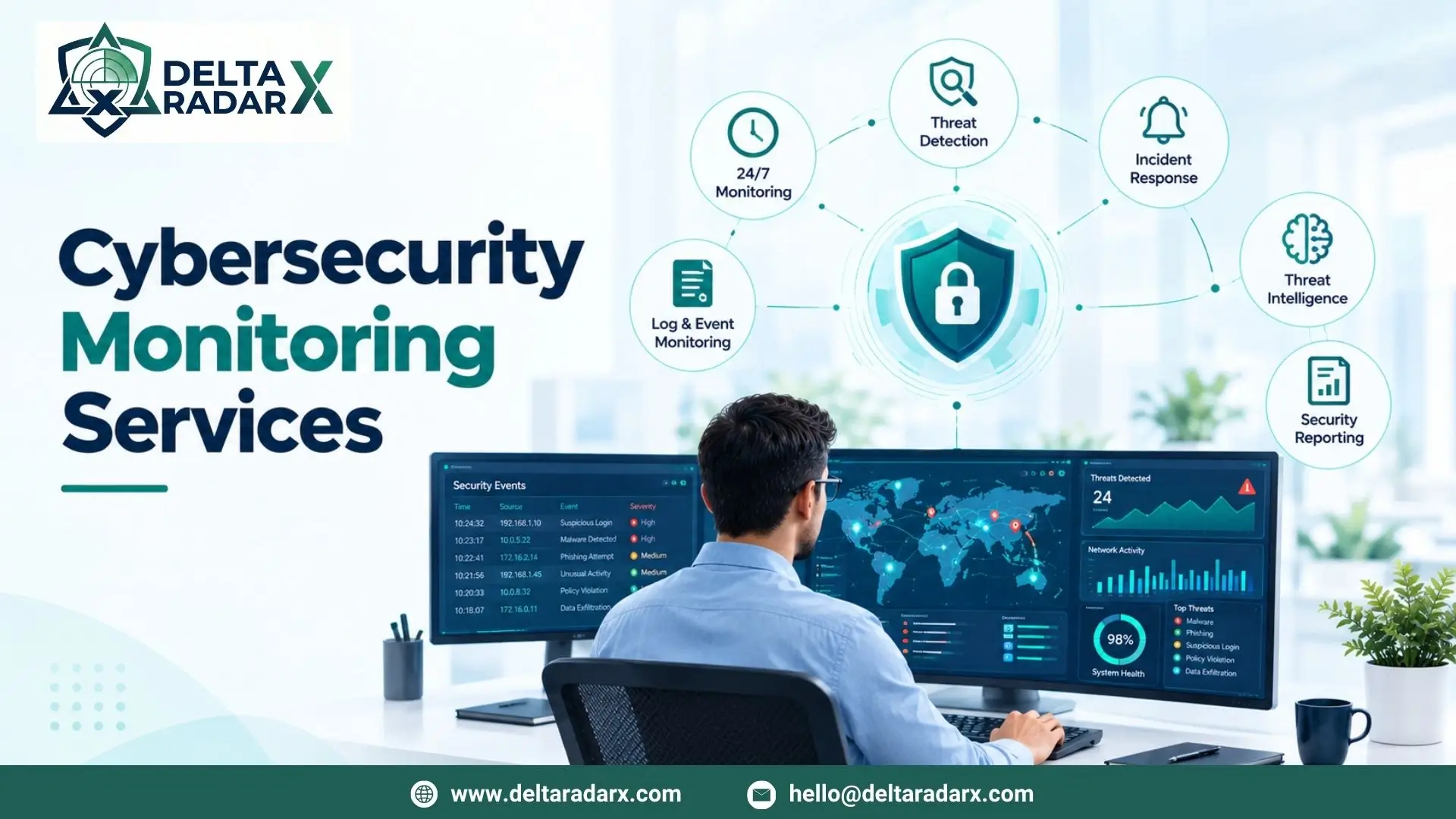
24/7 Security Monitoring
Security threats do not follow business hours.
Continuous monitoring allows important events to be reviewed even when an organization’s internal IT team is unavailable.
A SOC team can monitor incoming alerts, identify suspicious activity, and escalate incidents according to predefined procedures.
SIEM Log Collection and Analysis
Logs from servers, firewalls, endpoints, cloud services, applications, and authentication systems can be collected and analyzed through a centralized SIEM environment.
This gives analysts more context when investigating an event.
For example, a suspicious login becomes more meaningful when it can be compared with endpoint activity and network connections from the same period.
Security Alert Investigation
Not every SIEM alert represents a genuine threat.
Security analysts can review alerts, investigate related events, and determine whether an event appears to be a false positive, suspicious activity, or an actual security incident.
Threat Detection and Correlation
Attackers often generate multiple events during an intrusion.
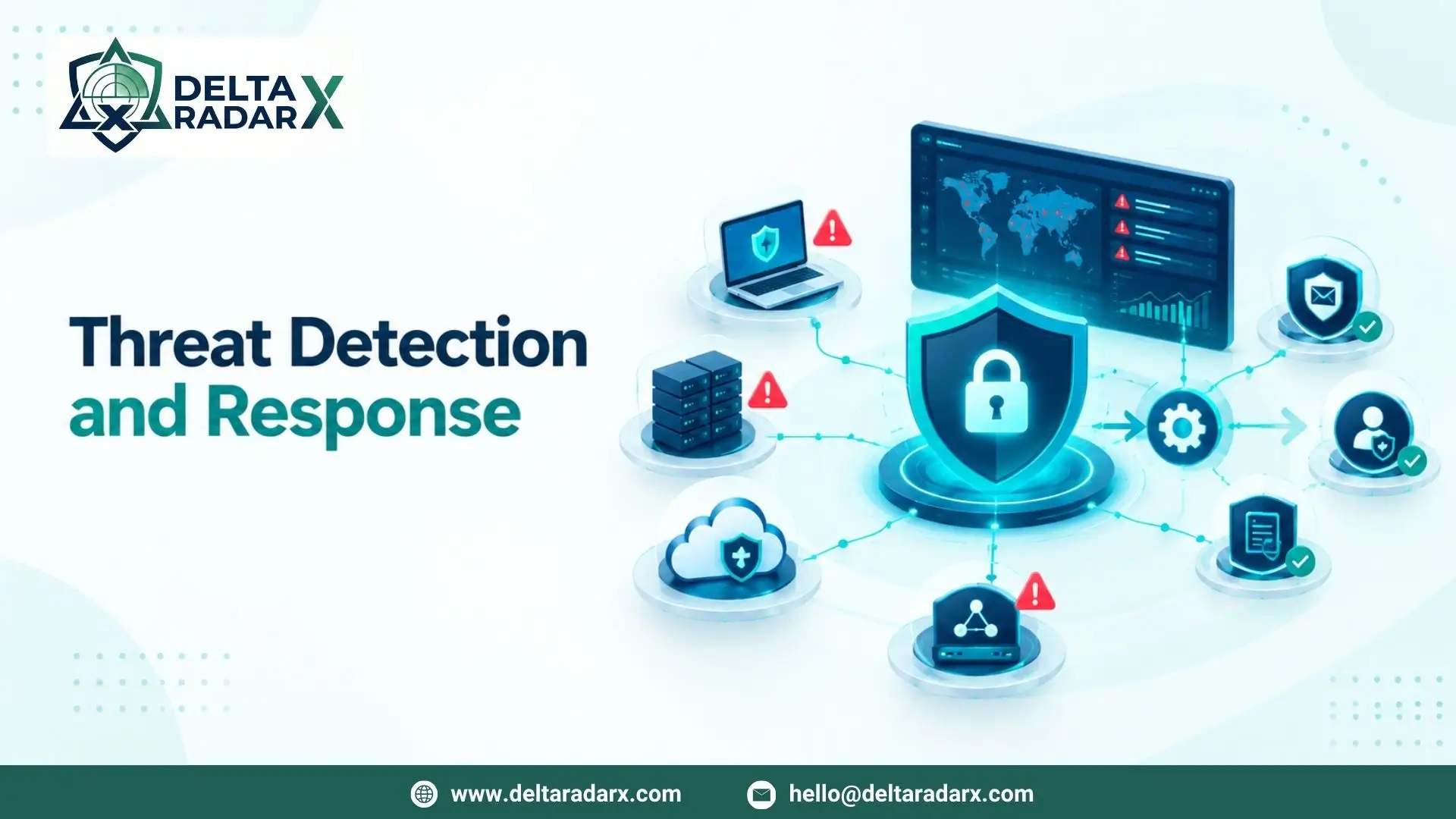
A managed SIEM service can correlate these events to identify patterns that might not be obvious when individual logs are viewed separately.
Threat Intelligence
Threat intelligence can provide additional context around suspicious IP addresses, domains, files, and other indicators.
This information can help analysts determine whether an observed event is associated with known malicious activity.
Managed SIEM Providers
Choosing between Managed SIEM Providers requires more than comparing monthly prices.
A provider should be evaluated based on the technology it uses, the expertise of its security team, monitoring coverage, integrations, response capabilities, and reporting.
What to Look for in a Managed SIEM Provider
A reliable provider should ideally offer:
- Continuous security monitoring
- SIEM log collection
- Threat detection
- Alert investigation
- Incident response support
- Threat intelligence
- Endpoint visibility
- Network monitoring
- Compliance reporting
- Security automation
- Clear escalation procedures
Integration support is also important.
The provider should be able to work with the security technologies already present in the organization’s environment.
DeltaRadarX Managed SIEM and Security Capabilities
DeltaRadarX provides security monitoring and SIEM-related capabilities as part of a broader cybersecurity service approach.
Its services include 24/7 SOC operations, real-time SIEM and log monitoring, Managed Detection and Response (MDR), incident handling, threat intelligence, SOAR automation, EDR, network and firewall monitoring, vulnerability assessments, and compliance reporting.
This broader combination allows security events to be analyzed across different parts of an organization’s environment instead of relying on SIEM logs alone.
For example, an unusual login can be investigated alongside endpoint activity, network events, and other security indicators. This additional context can help analysts understand whether an alert represents normal behavior or a potential security incident.
DeltaRadarX also supports co-managed SOC requirements, making the approach suitable for organizations that want to extend their existing security team rather than completely replace it.
Benefits of Managed SIEM
Reduced Security Team Workload
Security analysts can spend a significant amount of time reviewing alerts and investigating routine events.
A managed service can take on continuous monitoring and initial alert investigation, allowing internal teams to focus on higher-priority security and business tasks.
Faster Threat Detection
Continuous monitoring can reduce the time between a suspicious event occurring and someone investigating it.
This can be particularly valuable when an attack begins outside normal business hours.
Centralized Security Visibility
A managed SIEM can bring security information from different sources into one monitoring environment.
This makes it easier to identify relationships between events.
Better Incident Investigation
Historical logs and correlated security events can provide useful evidence when investigating an incident.
Analysts can examine what happened before, during, and after a suspicious event.
Compliance and Reporting
Security logs and monitoring records can also support internal audits, compliance activities, and security reporting.
Organizations should still determine their own retention and compliance requirements rather than assuming that every managed SIEM service meets every regulatory obligation.
How to Choose the Right Managed SIEM Provider
The right provider should match the organization’s actual security requirements.
Security Expertise
Look for providers with experienced security analysts and a clear process for investigating and escalating incidents.
Technology and Integrations
The service should support the organization’s existing endpoints, firewalls, cloud platforms, applications, identity systems, and other security technologies.
Monitoring and Response
Ask whether the provider only generates alerts or also investigates and responds to security incidents.
Scalability
Security data grows as organizations add users, devices, applications, and cloud services.
The provider should be able to support this growth.
Compliance Support
Consider reporting, audit support, log retention, and other compliance-related capabilities relevant to the business.
How Does Managed SIEM Work?
Managed SIEM generally follows a continuous security monitoring process that begins with collecting security data and ends with investigation, response, and reporting.

Step 1: Security Data Collection
The first step is collecting relevant security data from the organization’s environment.
Common sources can include:
- Firewalls
- Servers
- Windows systems
- Linux systems
- Endpoints
- Cloud platforms
- Applications
- Identity systems
- Network devices
- Security tools
The quality and coverage of collected data can directly affect the visibility available to security analysts.
Step 2: Log Normalization and Centralization
Security data can come in different formats depending on the source.
A SIEM environment can normalize and organize this information so analysts can search and analyze events more consistently.
Centralizing security information also makes it easier to connect events from different systems.
Step 3: Security Event Correlation
The SIEM analyzes relationships between security events.
For example, a failed login, followed by a successful authentication, unusual endpoint activity, and a suspicious network connection may be more meaningful when analyzed together than when each event is viewed separately.
Correlation helps identify patterns that may indicate suspicious behavior.
Step 4: Threat Detection and Alerting
Detection rules, analytics, threat intelligence, and other security mechanisms can identify potentially suspicious activity.
When activity meets defined detection criteria, the SIEM can generate an alert for further investigation.
Step 5: Security Analyst Investigation
Security analysts review important alerts and examine additional context.
They may investigate related logs, endpoint activity, network connections, user behavior, and threat intelligence indicators.
The goal is to determine whether the event is benign, suspicious, or associated with a potential security incident.
Step 6: Incident Response and Escalation
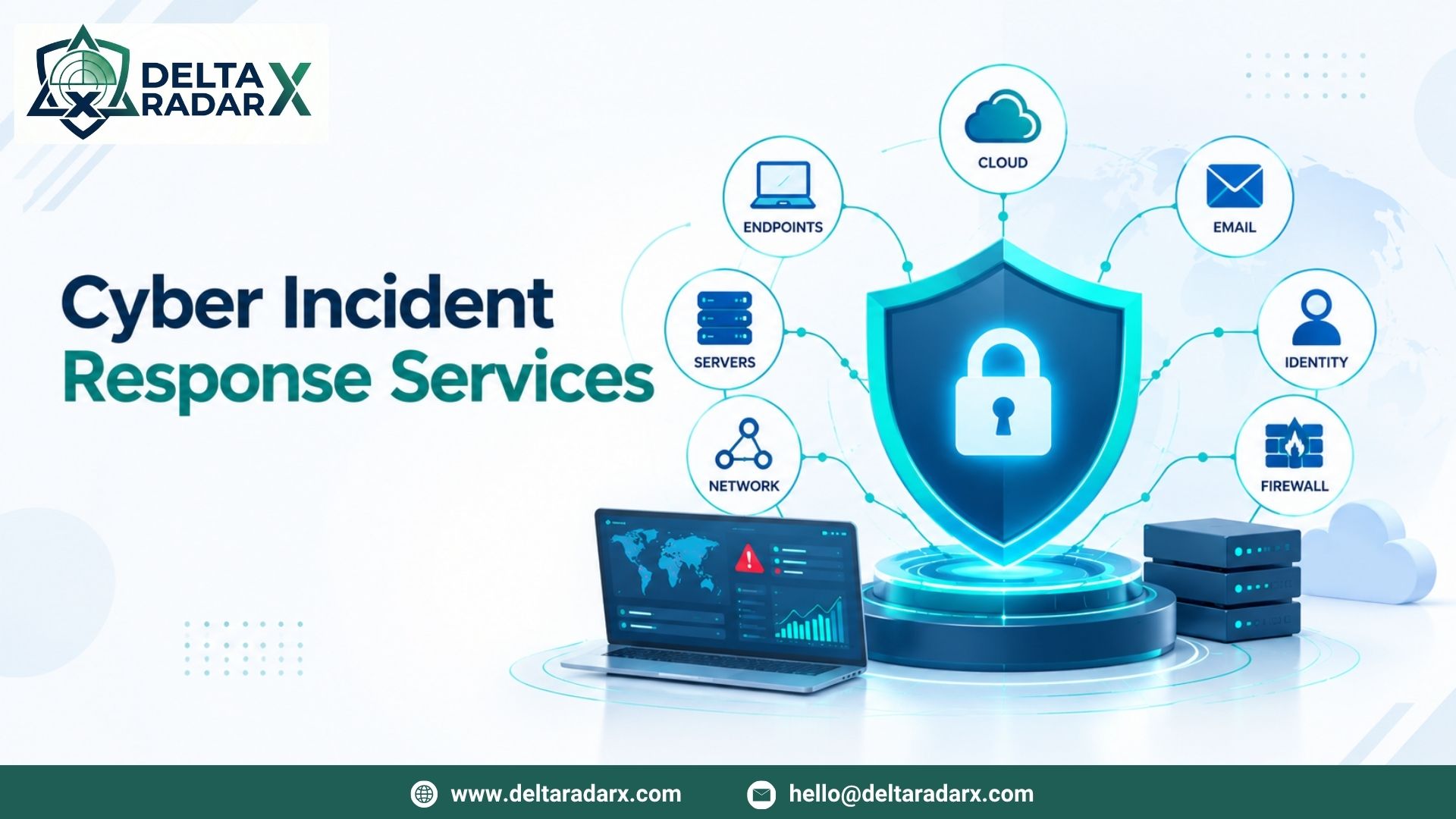
When a serious threat is identified, the incident can be escalated according to the organization’s response procedures.
Depending on the service agreement, the provider may support containment, investigation, remediation coordination, or other response activities.
Step 7: Reporting and Continuous Improvement
Security monitoring should not stop after an alert is investigated.
Reports can help organizations understand security activity, identify recurring issues, review incidents, and improve monitoring strategies.
Detection rules and security processes can also be adjusted based on lessons learned from previous investigations.
Final Considerations
Managed SIEM gives organizations a way to combine SIEM technology with continuous security monitoring and professional expertise.
Instead of simply collecting security events, a managed service can help organizations understand those events, investigate suspicious activity, and respond when necessary.