
Linux syslog monitoring helps organizations maintain visibility into activity across Linux servers, applications, network services, and user accounts. Effective Linux syslog monitoring can reveal failed authentication attempts, unusual login behavior, service failures, configuration changes, and other events that may require investigation. For businesses running multiple Linux systems, having a reliable way to collect and analyze these events is essential for both security and operational visibility.
Linux servers can generate thousands of log messages every day. Most events are routine, but some may provide early warning signs of a security incident or system problem. The challenge is identifying meaningful activity without overwhelming security teams with unnecessary alerts. A well-designed logging strategy combines centralized collection, useful detection rules, and continuous analysis to turn raw events into actionable information.
What Is Linux Syslog Monitoring?
Linux syslog monitoring is the process of collecting, reviewing, analyzing, and alerting on log messages generated by Linux systems. These logs can contain information about authentication, system services, applications, network activity, errors, administrative actions, and configuration changes.
Traditional Linux environments commonly use syslog-based services such as rsyslog or syslog-ng, while modern distributions may also rely heavily on systemd-journald. These components can work together to collect local events and forward important information to centralized monitoring platforms.
For security teams, this data can be extremely valuable. A single failed SSH login may be normal, but hundreds of failed attempts followed by a successful login could indicate a potential password attack. Looking at events in context makes it easier to distinguish normal activity from suspicious behavior.
What Linux Logs Should You Monitor?
Not every event needs the same level of attention. Organizations should prioritize logs that can provide useful security or operational information, including:
- SSH authentication attempts
- Successful and failed user logins
- Sudo and privileged activity
- User and group changes
- Service starts and stops
- Firewall and network events
- Application errors
- Kernel messages
- Configuration changes
- Suspicious process activity
- System startup and shutdown events
The exact events worth monitoring depend on the organization’s infrastructure, applications, risk profile, and compliance requirements.
Linux Syslog Monitoring Tools
Several tools can help organizations collect and process Linux logs. rsyslog is widely used for collecting, filtering, processing, storing, and forwarding log messages. It can support centralized logging environments where events from multiple Linux systems are sent to a common destination.
syslog-ng is another popular option that provides flexible log collection and routing capabilities. It can process different types of log information and forward events to various destinations.
For systems using systemd, journalctl provides a convenient command-line interface for viewing and filtering journal entries. Administrators can use it to investigate events from individual services, users, or specific time periods.
The right tool depends on the environment. Smaller organizations may only need basic centralized collection, while larger infrastructures may require advanced processing, correlation, long-term retention, and integration with security platforms.
Choosing the Right Monitoring Approach
A good monitoring solution should do more than collect logs. It should help security and IT teams answer important questions quickly:
- What happened?
- When did it happen?
- Which system was affected?
- Which account or process was involved?
- Is the activity normal?
- Does the event relate to other suspicious activity?
The ability to search, filter, correlate, and prioritize events becomes increasingly important as the number of monitored Linux systems grows.
Centralized Linux Log Management
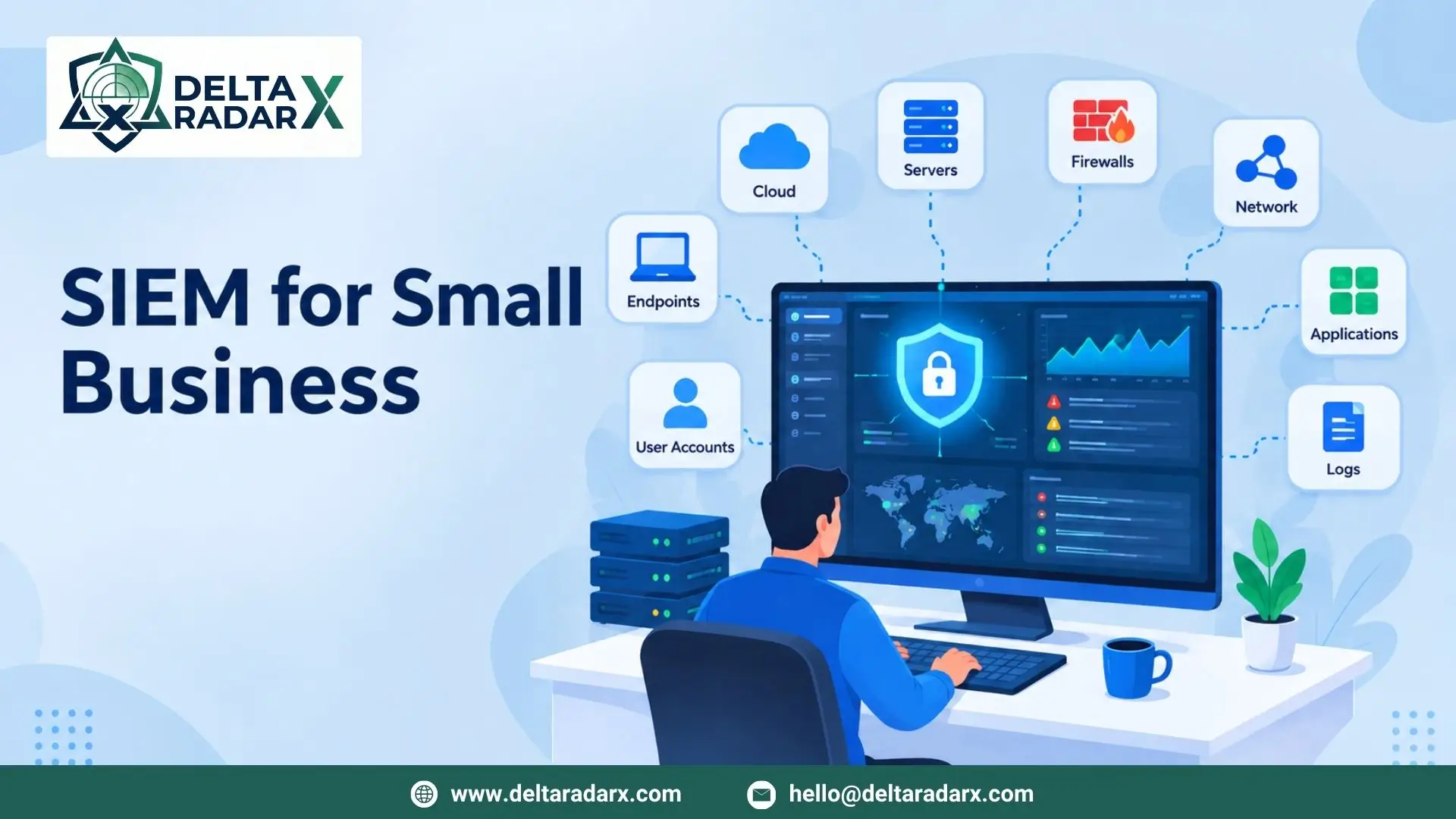
Monitoring every Linux server individually can quickly become inefficient. Centralized log management allows organizations to forward important events from multiple systems into a common environment where they can be searched and analyzed.
Centralization provides a broader view of activity across the infrastructure. For example, if several servers receive failed SSH authentication attempts from the same external source, analyzing those events together can reveal a pattern that might not be obvious when each server is examined separately.
A centralized log analysis platform can also make investigations faster by bringing relevant events into one searchable environment. Instead of connecting to several servers and checking individual log files, analysts can investigate related activity from a single location.
Centralized logging should also be designed with security in mind. Logs may contain sensitive information, so access should be restricted and the logging infrastructure should be protected from unauthorized modification or deletion.
Linux Syslog Monitoring for Threat Detection
Linux logs can provide important evidence during cybersecurity investigations. Authentication events, privilege changes, service activity, and system modifications may help security teams identify indicators of compromise.
However, manually reviewing large quantities of log data is not practical. Automated detection and event correlation can help identify activity that deserves attention.
For example, an unusual SSH login followed by privileged commands and unexpected network connections is more significant than any one of those events viewed independently. Correlating multiple signals can help analysts understand the complete sequence of activity.
This is where SIEM and managed security capabilities can provide additional value. Organizations that need continuous monitoring can consider managed SIEM services to collect and analyze security data while reducing the burden on internal teams.
Best Practices for Linux Syslog Monitoring
A reliable Linux logging strategy should focus on visibility, security, and practical alert management.
Centralize critical logs: Forward important events from production servers to a secure central location.
Use secure log transmission: Protect log data while it travels between Linux hosts and centralized collectors.
Prioritize important events: Focus alerts on authentication anomalies, privilege changes, suspicious processes, and other high-value activities.
Protect log integrity: Restrict access to stored logs and prevent unauthorized users from modifying or deleting security records.
Set appropriate retention policies: Keep logs long enough to support investigations, troubleshooting, and applicable compliance requirements.
Monitor the logging infrastructure: A failed logging service or broken forwarding pipeline can create a significant visibility gap.
Tune detection rules: Regularly review alerts to reduce false positives and ensure important activity receives appropriate attention.
Correlate different data sources: Combining Linux logs with endpoint, network, firewall, and application telemetry can provide much stronger security context.
Strengthening Linux Monitoring With a 24/7 SOC
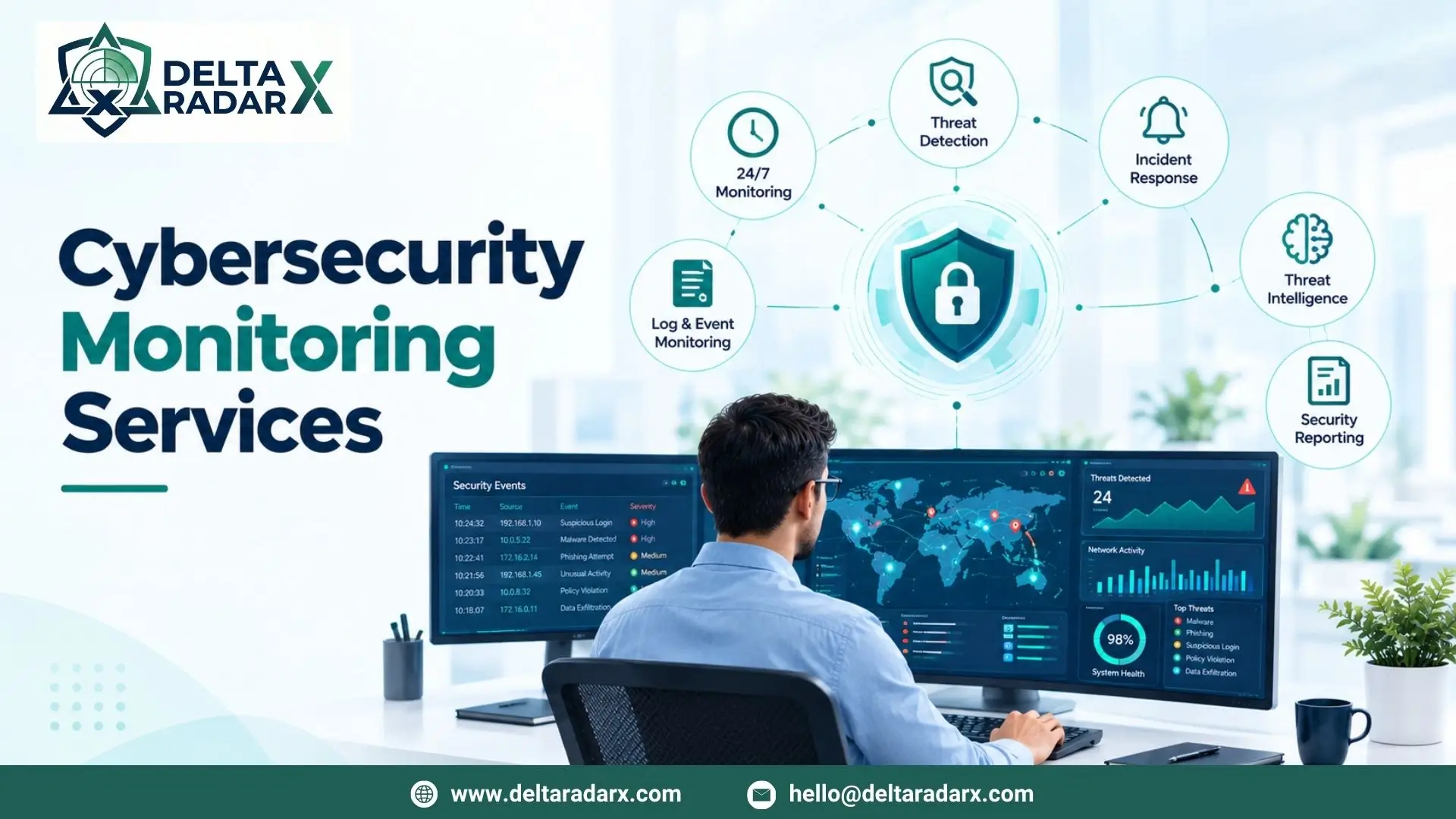
Organizations operating large Linux environments may not have enough internal resources to analyze logs continuously. A managed Security Operations Center can provide around-the-clock monitoring, alert investigation, threat detection, and incident response support.
DeltaRadarX combines 24/7 SOC operations, real-time SIEM and log monitoring, MDR, EDR, threat intelligence, incident handling, network and firewall monitoring, SOAR automation, vulnerability assessments, and compliance reporting to help organizations build a more coordinated security monitoring environment.
Instead of simply collecting large volumes of Linux events, security teams can use this approach to identify meaningful patterns, investigate suspicious activity, and respond more efficiently to potential threats.
Final Thoughts
Linux logging provides valuable visibility into authentication, system services, applications, administrative activity, and potential security threats. The most effective approach is not simply to collect every available event, but to build a monitoring process that identifies important signals and makes them actionable.
By combining centralized log collection, effective detection rules, secure retention, event correlation, and continuous security monitoring, organizations can gain better visibility across their Linux infrastructure. For environments with growing security requirements, integrating syslog data with SIEM, threat intelligence, endpoint monitoring, and SOC capabilities can create a stronger foundation for detecting and responding to modern cybersecurity threats.