
Modern organizations generate enormous amounts of security data from endpoints, servers, firewalls, cloud platforms, applications, and identity systems. Monitoring these events manually can quickly become difficult, especially as businesses expand their infrastructure and face increasingly sophisticated cyber threats.
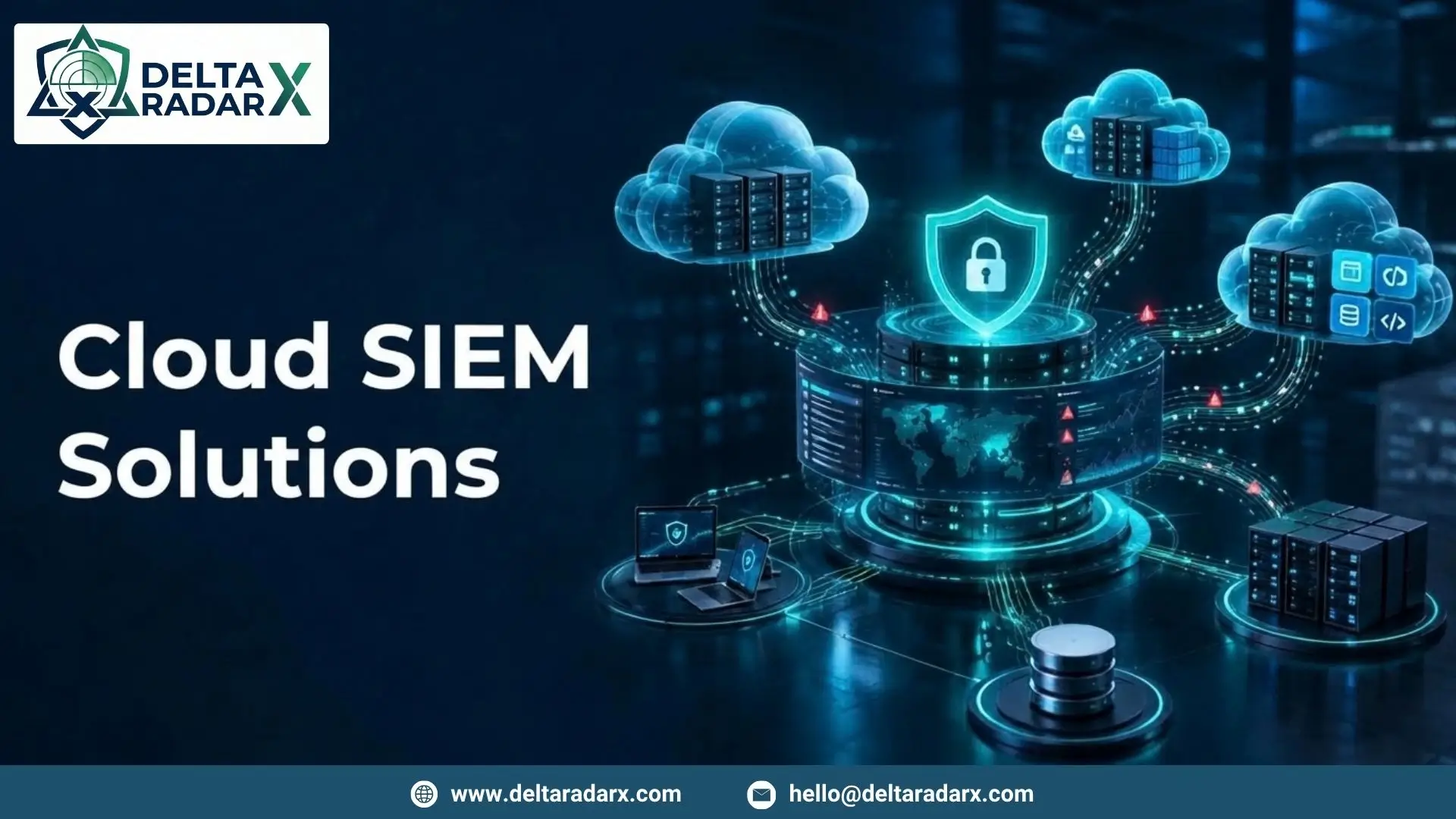
Managed SIEM Services provide organizations with expert support for managing, monitoring, and optimizing their Security Information and Event Management (SIEM) environment. Instead of relying entirely on an internal team to configure the platform and investigate alerts around the clock, businesses can work with security specialists who continuously monitor security events and help identify potential threats.
For organizations looking to improve security visibility without building a large in-house security operation, managed SIEM can provide a practical approach to continuous security monitoring.
What Are Managed SIEM Services?
Managed SIEM Services are outsourced cybersecurity services in which a specialized security provider manages and monitors an organization’s SIEM platform.
A managed SIEM provider typically handles activities such as log collection, SIEM configuration, security event monitoring, alert analysis, detection-rule tuning, threat intelligence integration, reporting, and support for incident investigation.
Instead of simply collecting logs, the service focuses on turning security data into actionable information. Security analysts review relevant alerts, correlate events from different systems, investigate suspicious activity, and help organizations respond to potential security incidents.
This is particularly valuable for businesses that have limited internal cybersecurity resources or require monitoring outside normal working hours.
How Do Managed SIEM Services Work?
Managed SIEM services generally involve several connected processes.
1. Security Log Collection
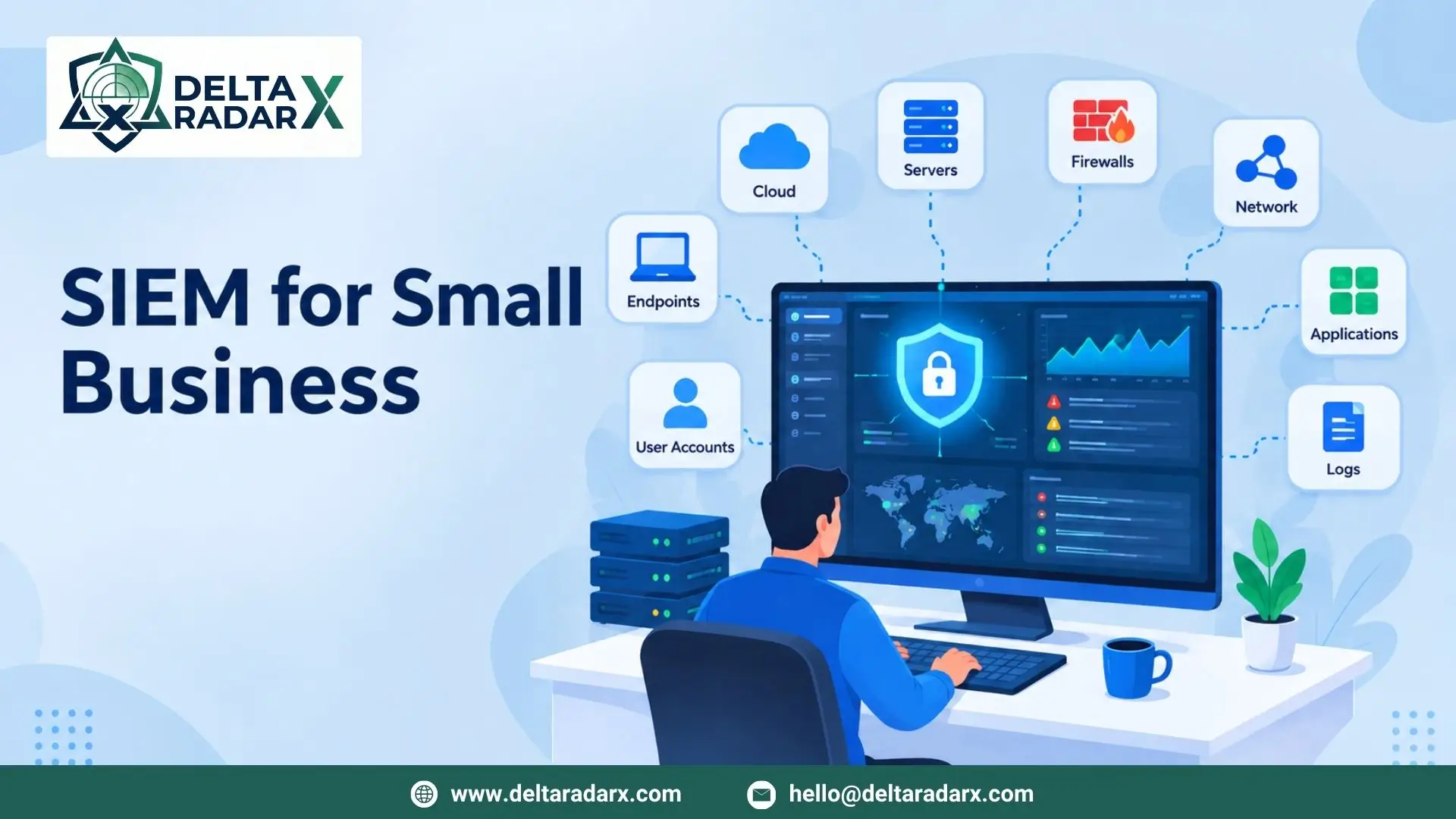
The provider connects the SIEM platform to relevant data sources across the organization’s infrastructure. These may include firewalls, servers, endpoints, cloud platforms, applications, identity systems, and network devices.
Centralized log collection creates a broader view of security activity across the environment.
2. Log Processing and Correlation
The collected security events are processed and correlated to identify relationships between different activities.
For example, several failed login attempts followed by a successful login and unusual data access may indicate compromised credentials. Correlating these events can provide more useful context than examining each event separately.
3. Continuous Security Monitoring
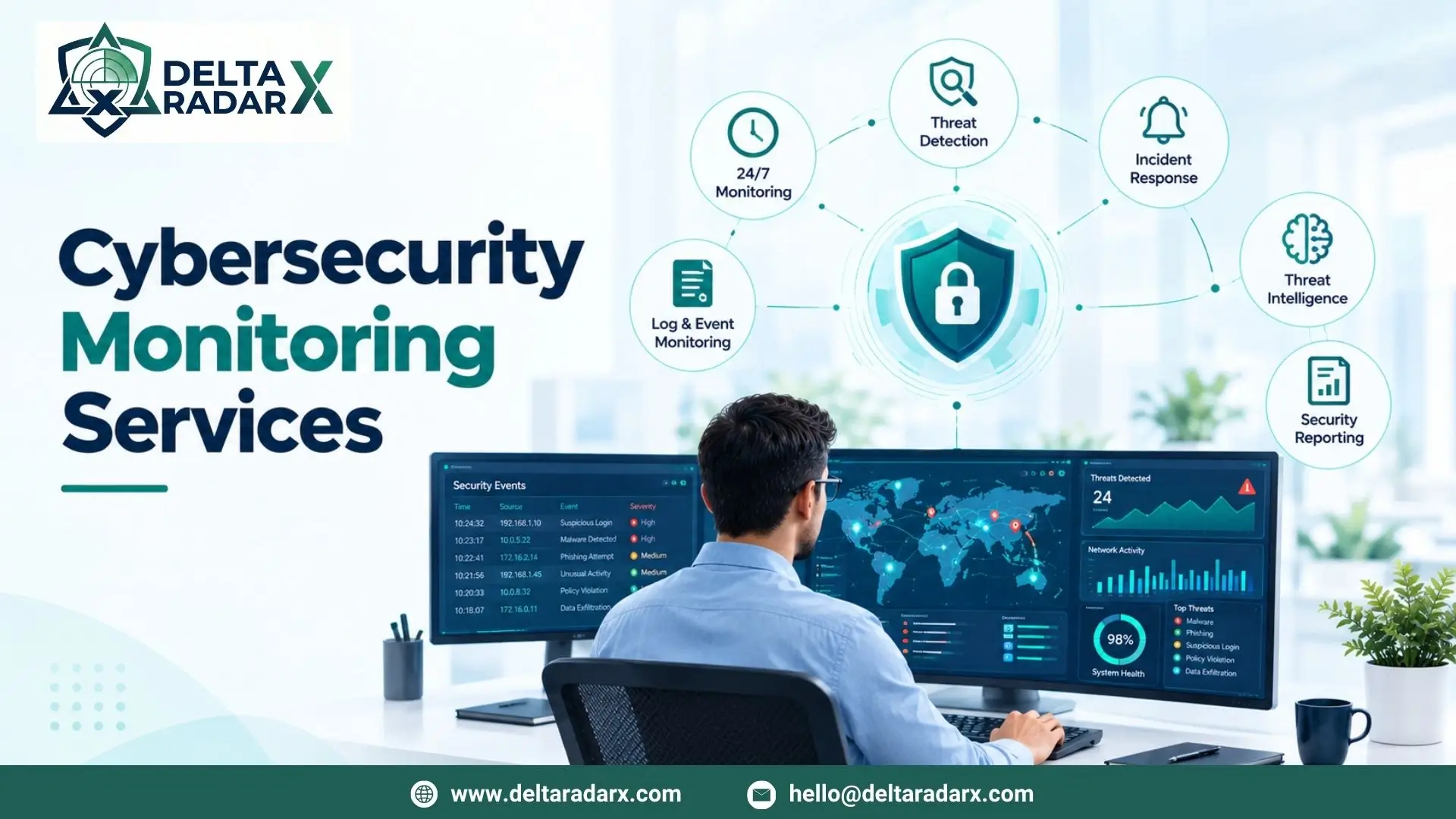
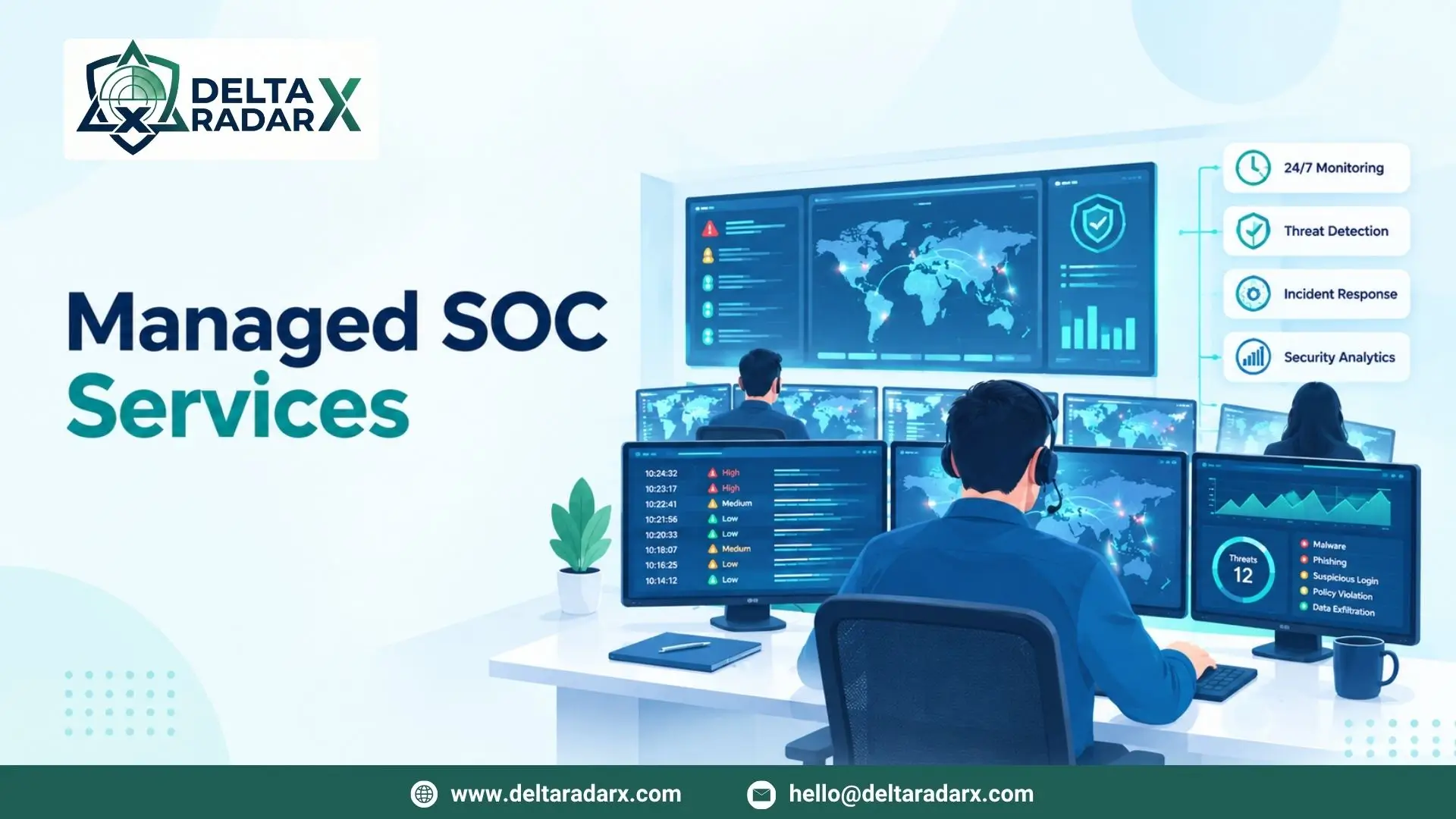
Security analysts monitor the SIEM environment for suspicious activity and security alerts. Depending on the service, monitoring can operate 24/7 so potential threats are not left unattended overnight, on weekends, or during holidays.
4. Alert Investigation
When a potentially serious alert is generated, analysts investigate its context, severity, affected systems, users, and related events.
This helps distinguish genuine security incidents from normal activity and unnecessary alerts.
5. Incident Response Support
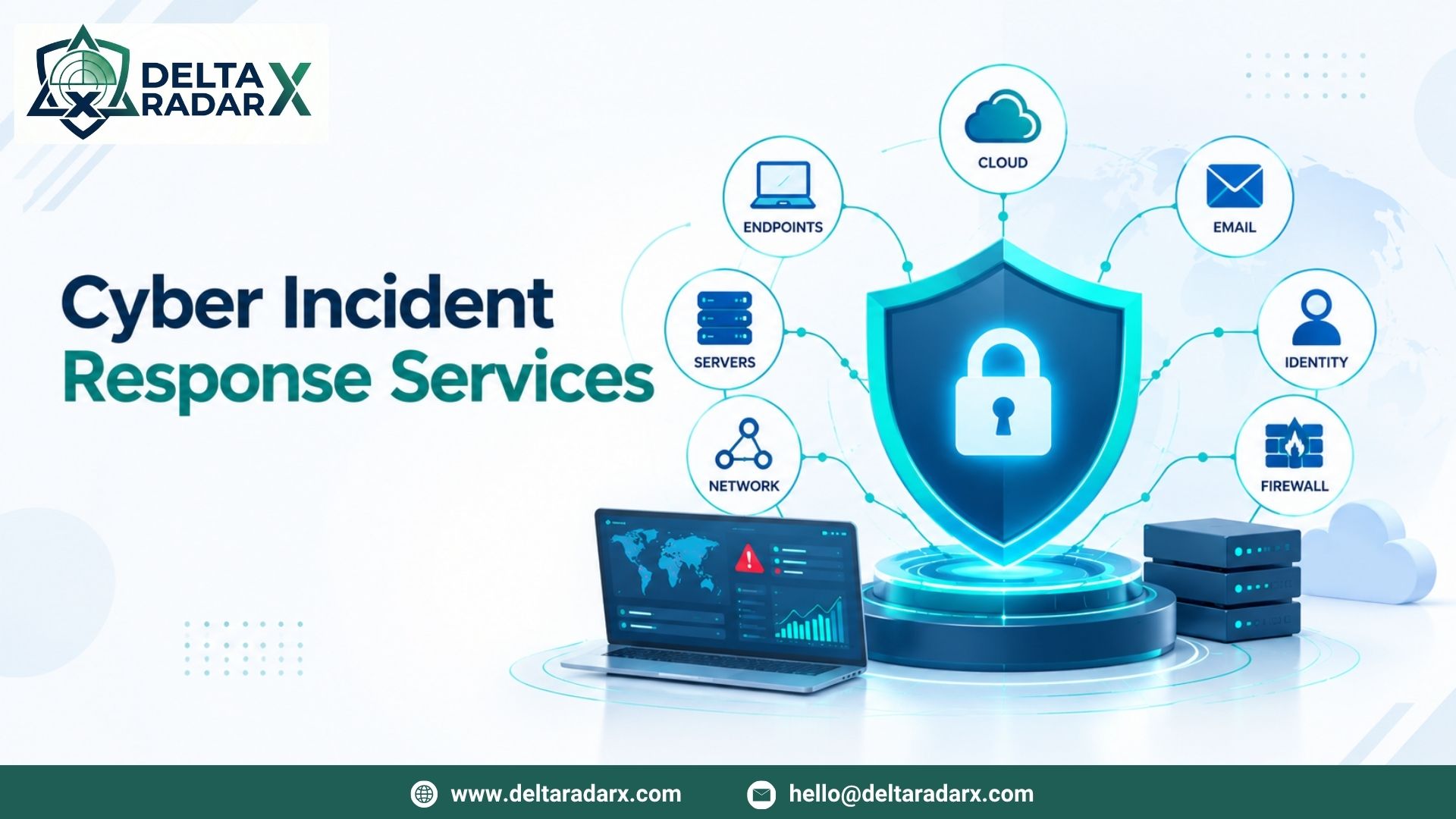
When a threat is confirmed, analysts can assist with containment and response according to the organization’s security procedures. Managed SIEM services may also integrate with EDR, SOAR, threat intelligence, and other security technologies to accelerate response.
What Is Included in Managed SIEM Services?
The exact service package varies between providers, but comprehensive managed SIEM services can include several important capabilities.
24/7 SIEM Monitoring
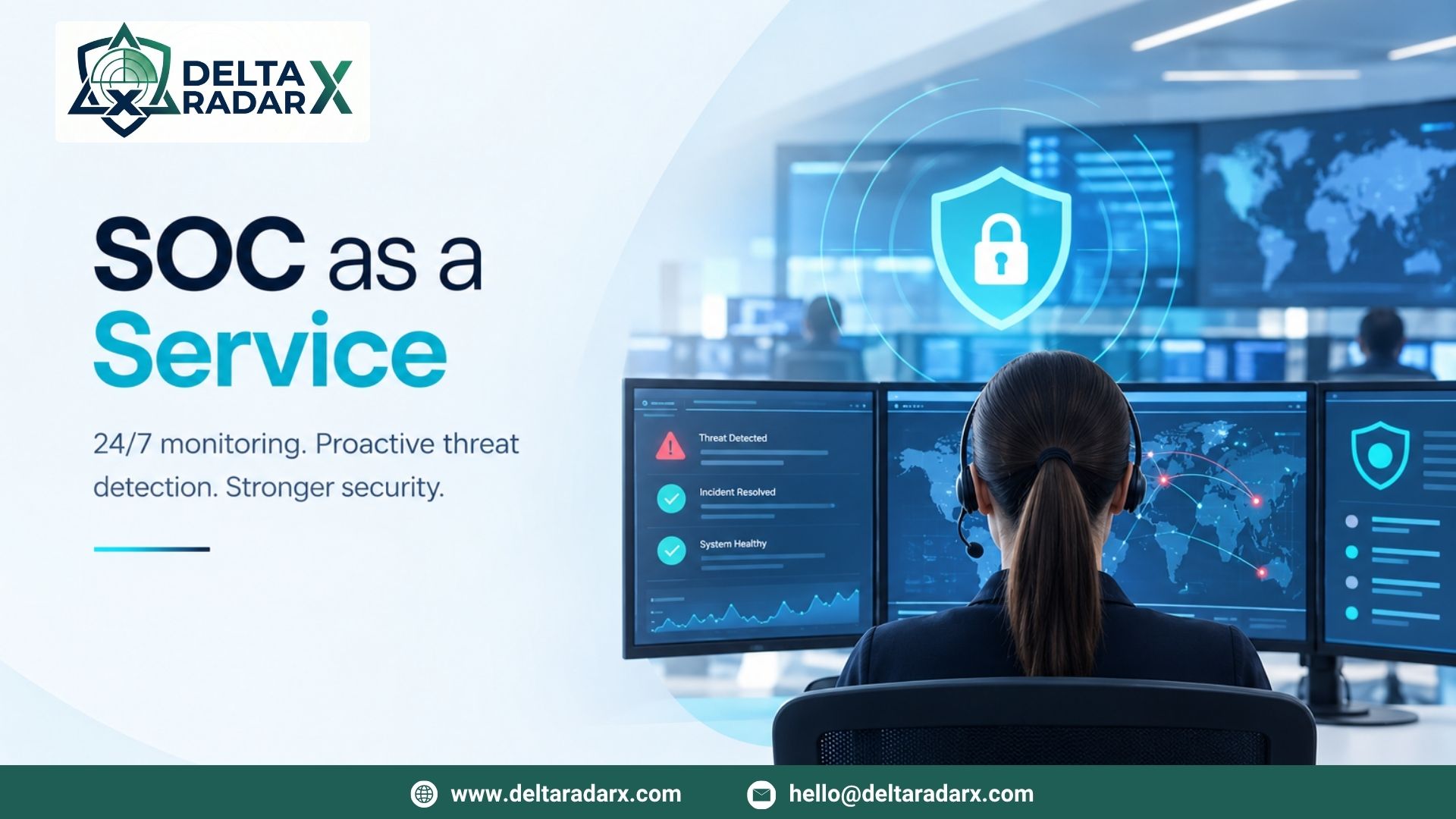
Continuous monitoring helps organizations maintain security visibility around the clock. Analysts can review security events, investigate suspicious activity, and escalate critical incidents according to predefined procedures.
Security Log Management
A managed provider can help organizations collect, normalize, retain, and analyze security logs from multiple sources.
Proper log management is essential for both threat detection and forensic investigation.
Alert Management
Security environments can generate thousands of alerts. Managed SIEM teams prioritize and investigate relevant alerts so internal teams are not overwhelmed by low-value notifications.
Effective alert management also involves continuously tuning detection rules to improve the quality of security alerts.
Threat Intelligence Integration
Threat intelligence adds context to security events by identifying known malicious IP addresses, domains, file hashes, and other indicators of compromise.
This can help analysts determine whether suspicious activity is connected to known threats.
SIEM Optimization
A SIEM environment needs continuous tuning as an organization’s infrastructure changes. New applications, endpoints, cloud services, and users can introduce new event patterns.
Managed providers can review detection rules, log sources, correlation policies, and alert thresholds to keep the SIEM aligned with the organization’s security requirements.
Compliance Reporting
Security logs and monitoring records can support regulatory and compliance requirements. Managed SIEM services may provide centralized reports and audit information to help organizations demonstrate appropriate security monitoring practices.
Benefits of Managed SIEM Services
Access to Security Expertise
Maintaining a skilled SIEM team internally can be expensive and challenging. Managed services provide access to cybersecurity professionals who have experience with security monitoring, event correlation, threat detection, and incident investigation.
24/7 Security Visibility
Cyberattacks do not follow business hours. Continuous monitoring helps organizations identify suspicious activity even when their internal IT teams are unavailable.
Businesses requiring round-the-clock coverage can combine managed SIEM with 24/7 Security Monitoring Services to strengthen their overall security operations.
Faster Threat Detection
Continuous analysis of security events can help identify suspicious behavior earlier. Early detection gives organizations more time to investigate and contain potential threats before they escalate.
Reduced Internal Workload
Security teams often have to manage multiple responsibilities simultaneously. Outsourcing SIEM monitoring can reduce the burden of manually reviewing large volumes of logs and alerts.
Internal teams can then focus on strategic security improvements while specialists handle continuous monitoring and alert investigation.
Improved Security Visibility
Managed SIEM brings security information from different systems into a centralized monitoring environment. This makes it easier to identify relationships between endpoint, network, identity, cloud, and application events.
Managed SIEM vs. In-House SIEM
Both approaches can be effective, but they require different levels of internal resources.
With an in-house SIEM, the organization is responsible for platform deployment, configuration, log management, rule tuning, monitoring, analyst staffing, and ongoing maintenance.
Managed SIEM shifts many of these responsibilities to a specialized security provider.
An in-house approach may work well for organizations with an established SOC and experienced SIEM specialists. Managed SIEM can be more practical for organizations that want continuous monitoring without the cost and complexity of building a large security team.
A hybrid approach is also possible, where internal security teams work alongside an external provider.
Who Needs Managed SIEM Services?
Managed SIEM can be useful for organizations of different sizes and industries, particularly businesses that:
- Need 24/7 security monitoring
- Generate large volumes of security logs
- Have limited internal security staff
- Operate cloud and hybrid environments
- Need centralized security visibility
- Require faster incident detection
- Have compliance and reporting requirements
- Want to strengthen their existing SOC capabilities
Organizations with growing infrastructure can also benefit because managed monitoring can scale as additional endpoints, applications, and cloud services are introduced.
Managed SIEM and Modern Threat Detection
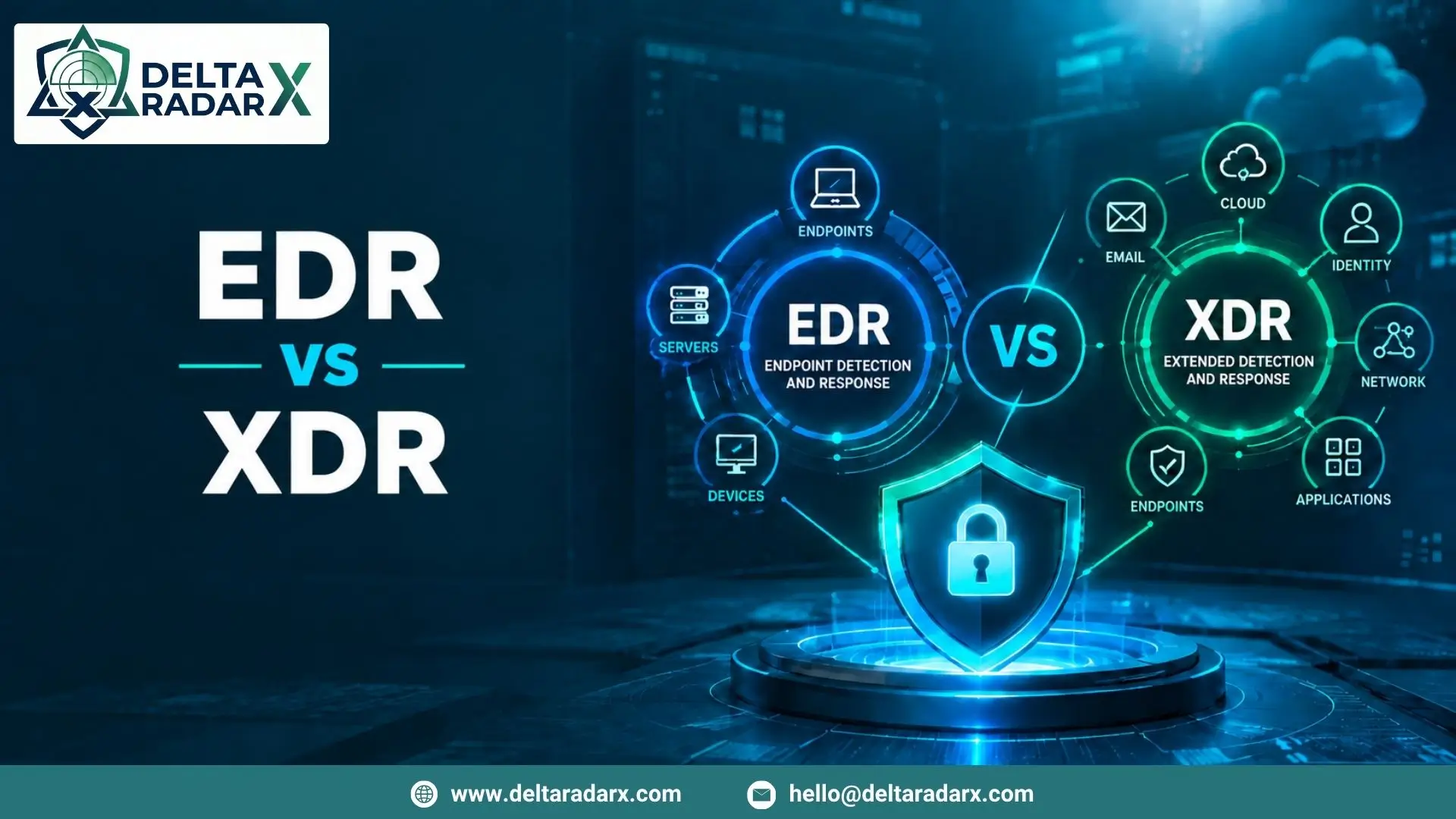
SIEM is most effective when it works alongside other security technologies. EDR can provide detailed endpoint telemetry, threat intelligence can add context to suspicious indicators, and SOAR can automate repetitive investigation and response workflows.
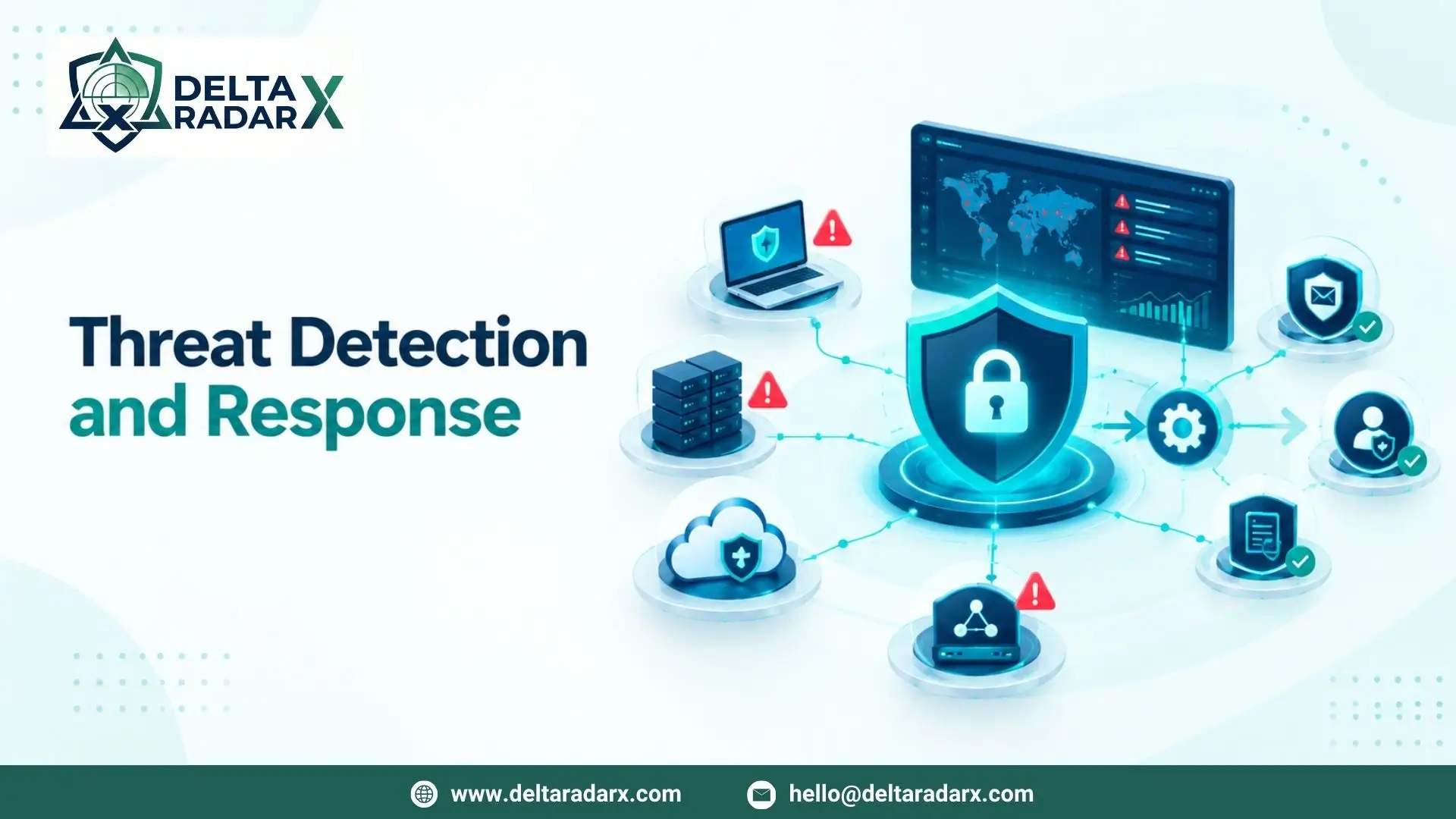
Together, these technologies can create a broader Threat Detection and Response Platform that helps organizations detect, investigate, and respond to threats across multiple layers of their infrastructure.
A strong managed SIEM service therefore goes beyond simply watching a dashboard. It connects security data, analytics, threat intelligence, human expertise, and response processes.
How to Choose a Managed SIEM Provider
Organizations should evaluate several factors before selecting a provider.
Monitoring Coverage
Determine whether the provider offers genuine 24/7 monitoring and how critical alerts are handled outside normal business hours.
Security Expertise
Look for providers with experienced security analysts who understand SIEM, threat detection, incident investigation, and modern attack techniques.
Technology Integration
The service should ideally integrate with existing security technologies such as EDR, firewalls, cloud platforms, identity systems, threat intelligence, and SOAR.
Alert Quality
Ask how the provider handles false positives, alert prioritization, and detection-rule tuning. High alert volumes without proper analysis can overwhelm security teams.
Reporting and Compliance
Evaluate the quality of security reports, dashboards, audit trails, and compliance documentation provided.
Scalability
The service should be able to support future growth as the organization’s users, endpoints, applications, and cloud infrastructure increase.
Managed SIEM Services from DeltaRadarX
DeltaRadarX provides a broader security monitoring approach that combines managed SIEM capabilities with 24/7 SOC operations, real-time SIEM and log monitoring, Managed Detection and Response (MDR), incident handling, threat intelligence, SOAR automation, EDR, and network and firewall monitoring.
The service can also incorporate vulnerability assessments, compliance reporting, and co-managed SOC support, helping organizations improve security visibility while giving internal teams access to specialized cybersecurity expertise.
This approach allows security events to be continuously monitored, investigated, correlated, and escalated according to the organization’s security requirements.
Final Considerations
Managed SIEM Services can help organizations improve security monitoring without having to build and maintain a large internal SIEM operation. By combining centralized log management, continuous monitoring, alert investigation, threat intelligence, SIEM optimization, and expert analysis, managed services can provide stronger visibility across complex IT environments.
The right service should not simply generate more alerts. It should help identify meaningful threats, reduce unnecessary noise, support faster investigation, and provide the expertise needed to maintain an effective security monitoring program.
For organizations dealing with growing security data, limited cybersecurity resources, or the need for continuous monitoring, managed SIEM can be an effective way to strengthen their overall security operations.