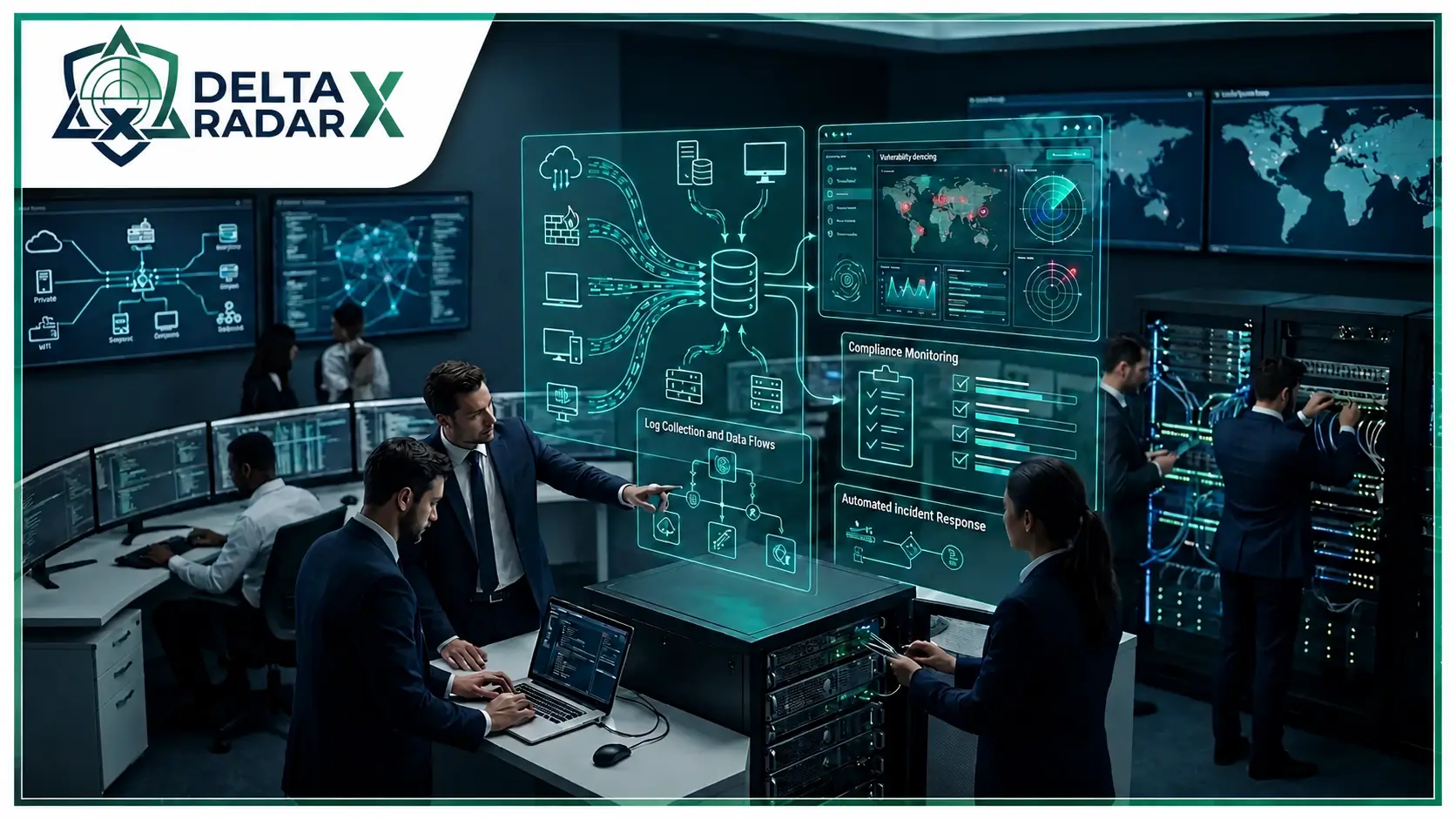
Implementing a Security Information and Event Management (SIEM) platform is one of the most effective ways to improve an organization’s cybersecurity. However, simply deploying the technology is not enough. A successful implementation requires careful planning, proper configuration, continuous monitoring, and regular optimization. This SIEM Implementation Guide explains the essential steps organizations should follow to maximize the value of their security monitoring platform while strengthening their overall security posture.
Whether you’re deploying a SIEM solution for the first time or upgrading an existing environment, following a structured implementation process helps improve threat detection, simplify compliance, and reduce incident response times.
Planning Your SIEM Implementation
Every successful SIEM Implementation Guide begins with proper planning. Organizations should first identify their security objectives, compliance requirements, and critical business assets. Understanding which systems generate the most valuable security data helps determine which log sources should be connected to the platform.
It is equally important to define roles and responsibilities before deployment. Security teams, IT administrators, and compliance officers should work together to ensure the implementation aligns with business goals while supporting future growth.
Configuring Data Collection and Monitoring
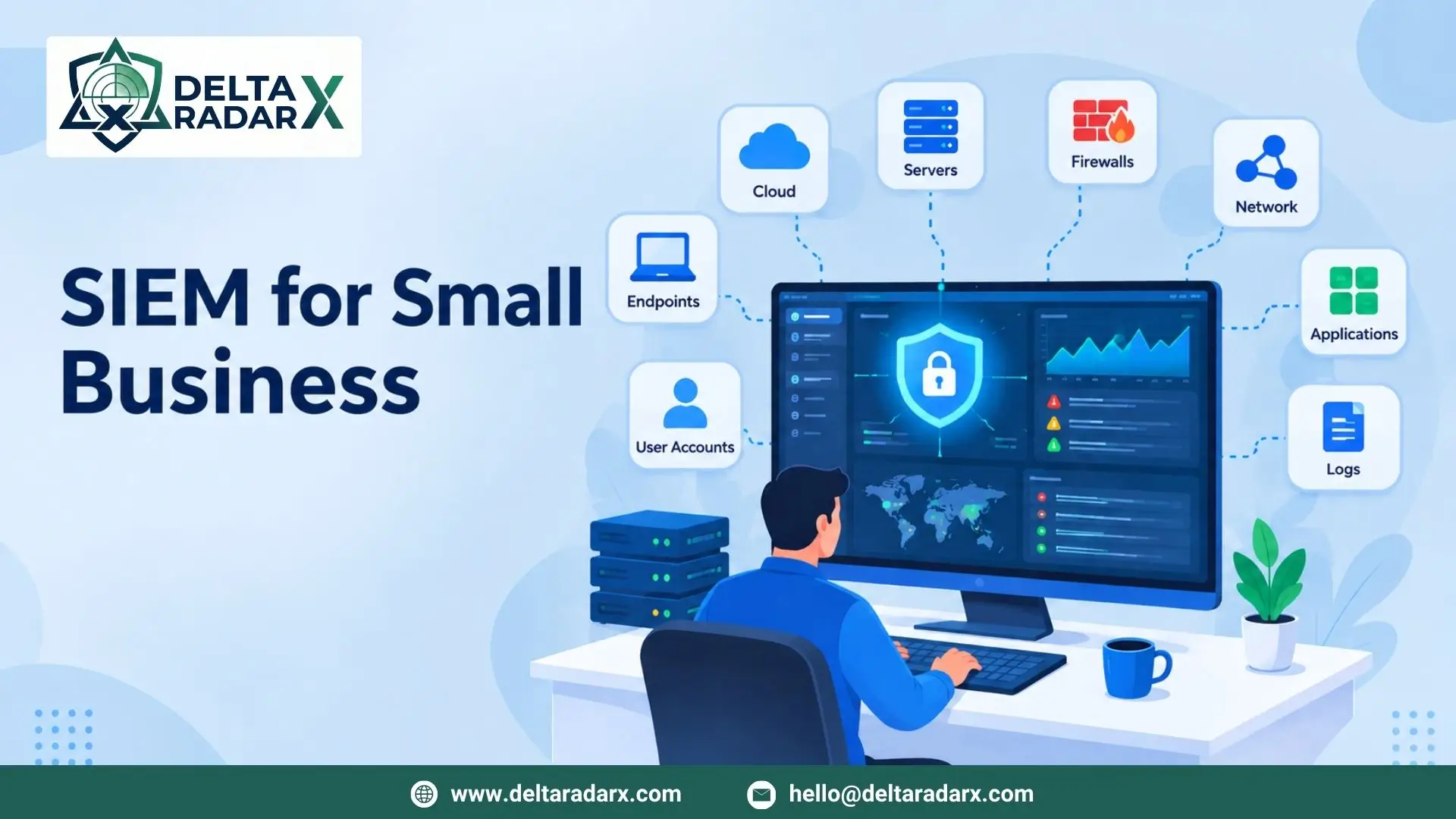
After planning, the next step in the SIEM Implementation Guide is configuring data collection. The platform should collect logs from firewalls, servers, cloud environments, endpoint devices, network equipment, identity management systems, and business applications. Centralizing security data provides better visibility across the organization’s entire IT infrastructure.
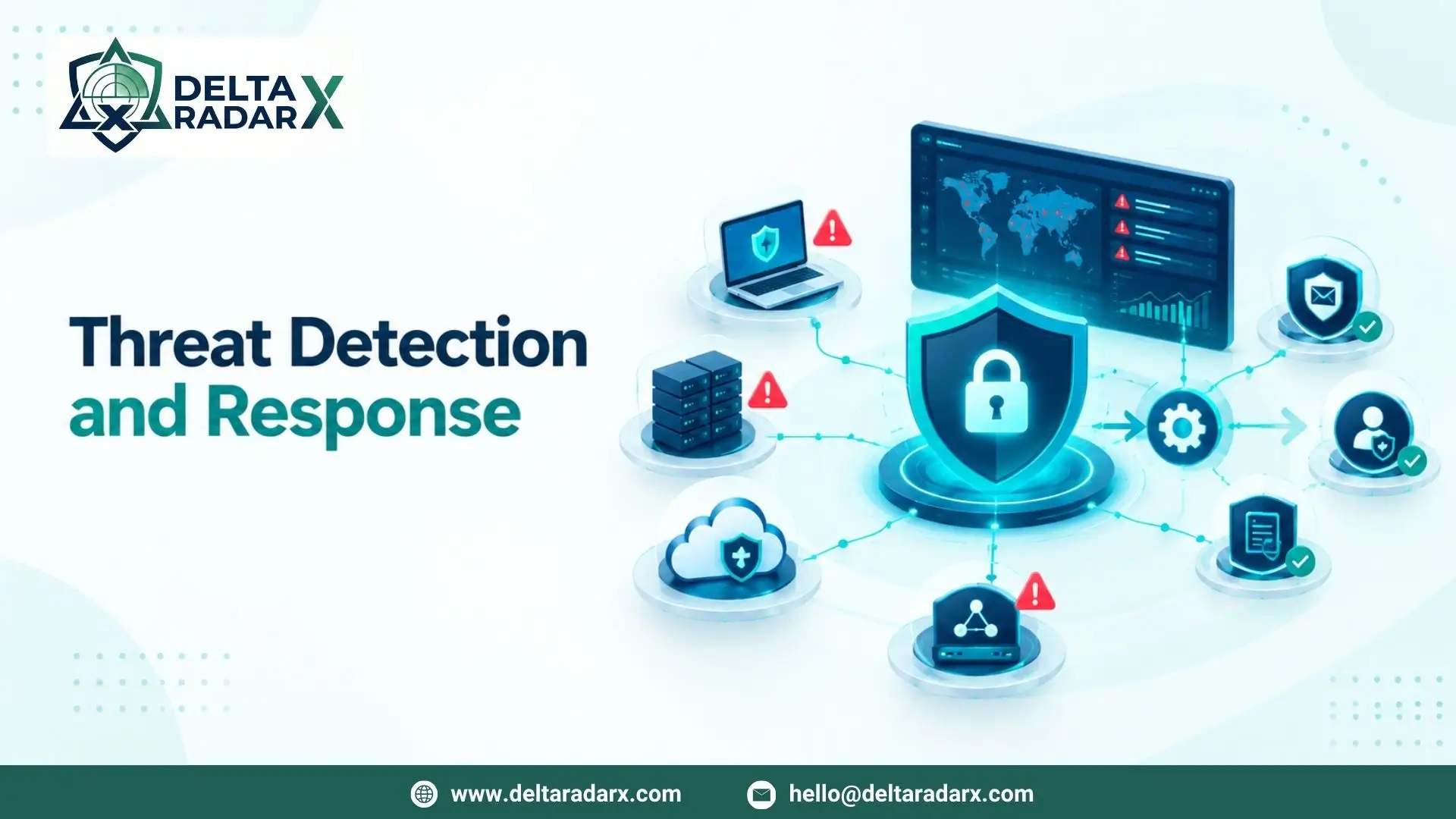
Once log collection is complete, correlation rules should be configured to identify suspicious activities instead of generating unnecessary alerts. Proper tuning helps reduce false positives and allows security teams to focus on genuine threats that require immediate attention.
Strengthening Security Operations
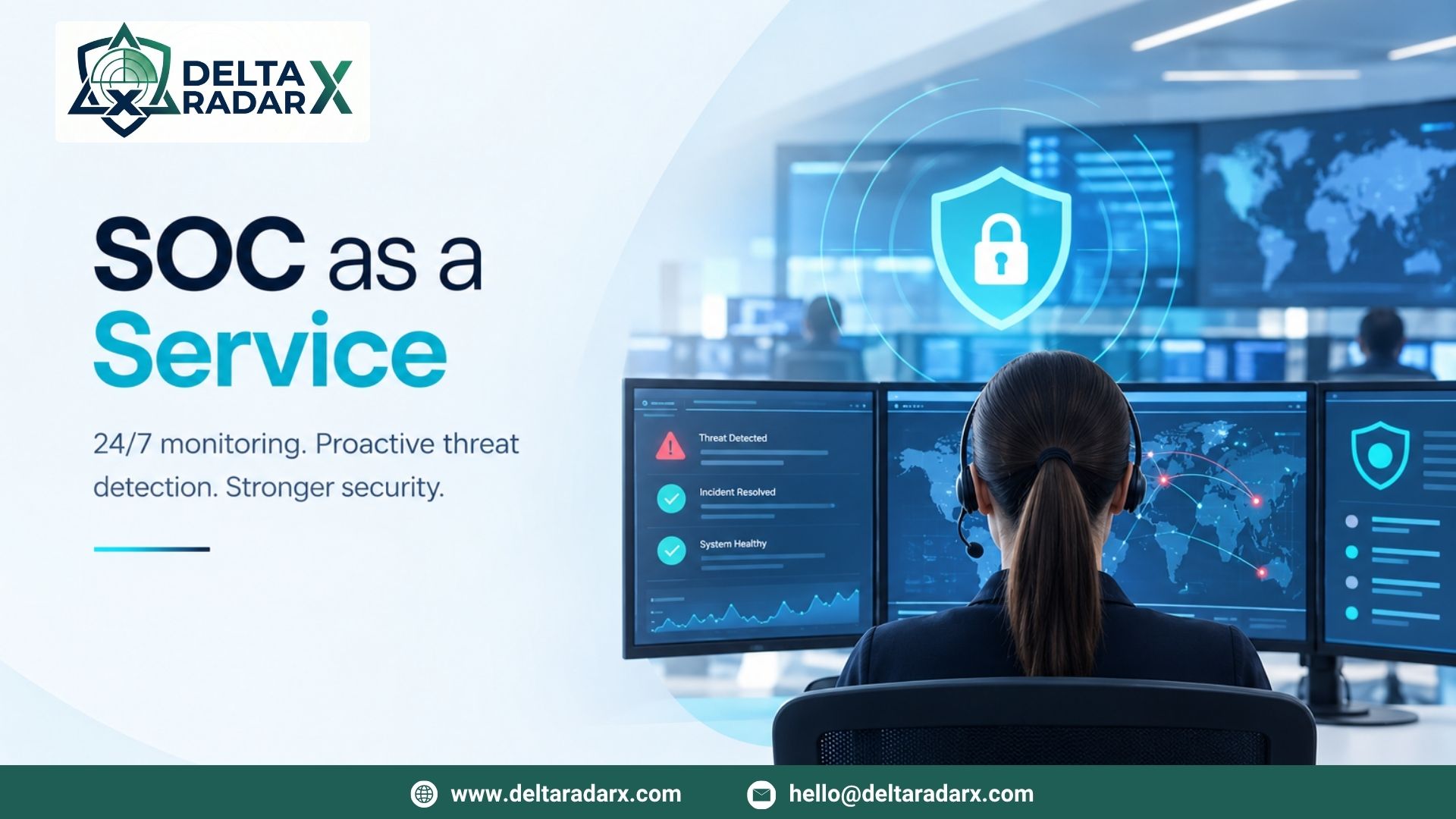
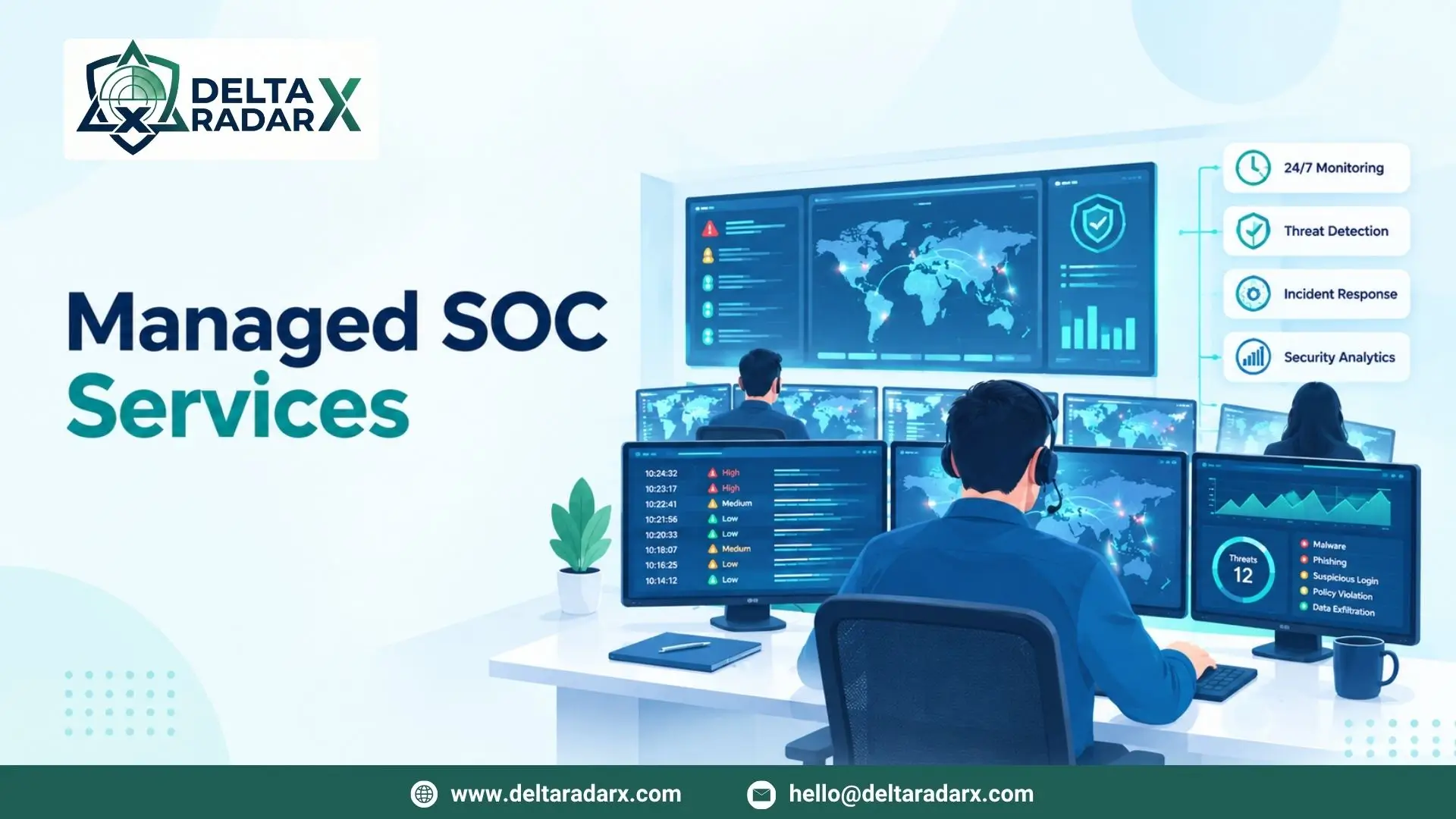
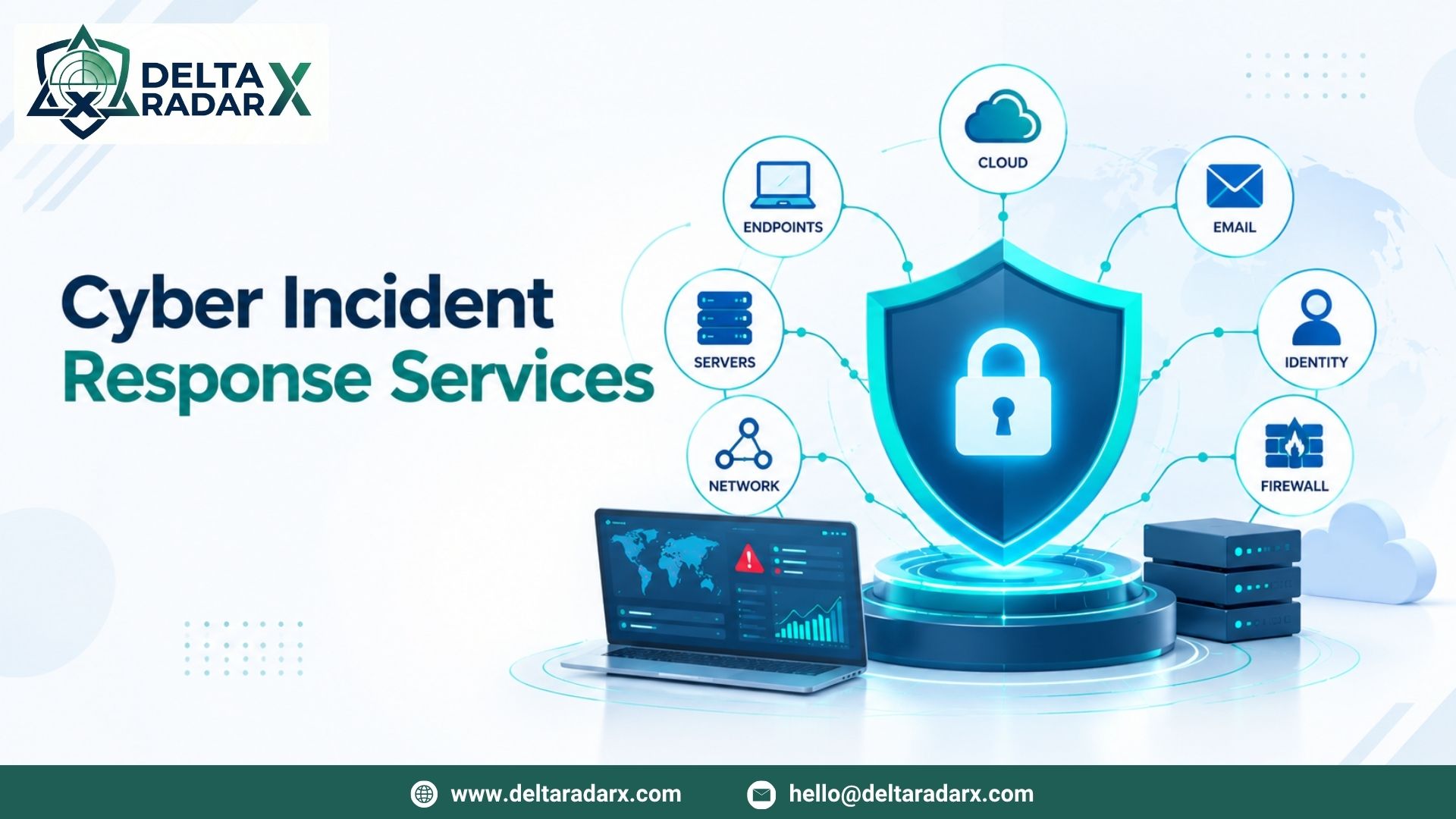
A successful SIEM implementation delivers the best results when it is supported by continuous monitoring and experienced cybersecurity professionals. At DeltaRadarX, we complement SIEM deployments with 24/7 Security Operations Center (SOC) monitoring, real-time SIEM and log monitoring, Managed Detection and Response (MDR), and expert incident handling to ensure threats are identified and addressed before they impact business operations. Our security teams also leverage threat intelligence, SOAR automation, Endpoint Detection and Response (EDR), network and firewall monitoring, and continuous vulnerability assessments to improve threat visibility and reduce response times. Additionally, compliance reporting aligned with PCI DSS, HIPAA, GDPR, NIST 800-53, and ISO 27001, along with co-managed SOC support, helps organizations maintain regulatory compliance while maximizing the effectiveness of their SIEM investment.
Testing and Optimizing the Platform
Deployment is only the beginning. Organizations should regularly test detection rules, validate alert accuracy, and fine-tune correlation policies based on changing business requirements and emerging cyber threats. Continuous optimization improves detection capabilities while reducing unnecessary alerts that can overwhelm security teams.
Regular reviews of dashboards, reports, and security metrics also help measure the effectiveness of the platform and identify opportunities for improvement.
Best Practices for Long-Term Success
A successful SIEM Implementation Guide focuses on continuous improvement rather than one-time deployment. Organizations should keep security rules updated, integrate current threat intelligence feeds, perform routine vulnerability assessments, and review incident response procedures regularly.
Security awareness training is equally important, as employees play a key role in preventing cyber incidents. Combining well-trained staff with a properly configured SIEM platform creates a stronger and more resilient security environment.
Related Cybersecurity Guides
Before implementing a SIEM platform, it’s important to understand the technology behind it. Read our What Is SIEM guide to learn how Security Information and Event Management works and why it plays a critical role in modern cybersecurity. If you’re planning to outsource security operations, explore our Managed SIEM Services guide to see how expert monitoring and 24/7 threat detection can simplify SIEM management and improve your overall security posture.