
Cloud environments have changed the way organizations build and run applications. Businesses now use cloud servers, containers, virtual machines, databases, and cloud-native services to support daily operations.
However, this flexibility also creates new security challenges.
Cloud workloads can process sensitive information, communicate with other systems, and run critical business applications. If these workloads are not properly protected, attackers may exploit vulnerabilities, gain unauthorized access, or move through the cloud environment.
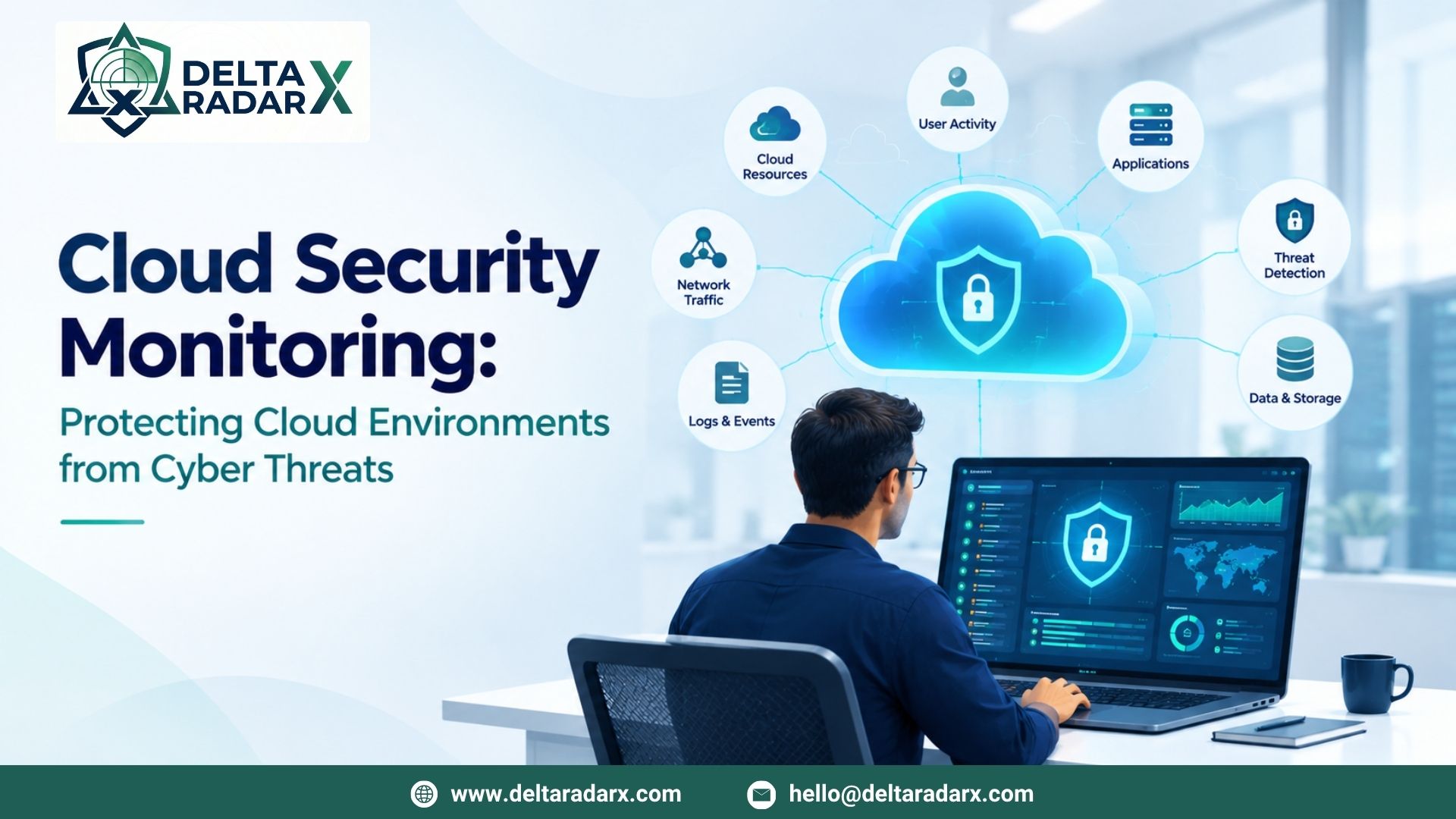
Cloud workload security helps organizations protect these workloads from cyber threats. It focuses on improving visibility, identifying risks, detecting suspicious activity, and supporting a faster security response.
This guide explains how cloud workload protection works, why it matters, and how organizations can choose the right security approach.
What Is Cloud Workload Security?
Cloud workload security is the process of protecting workloads that operate in cloud environments.
A workload can include a virtual machine, application, container, server, process, or cloud service that performs a specific task.
These workloads can run across public, private, hybrid, and multi-cloud environments.
Security controls help organizations monitor workloads and identify potential threats.
They can also help detect:
- Unauthorized access
- Vulnerable configurations
- Suspicious processes
- Malware activity
- Unusual network connections
- Privilege misuse
- Configuration changes
- Potential lateral movement
The goal is to protect workloads throughout their lifecycle.
This includes deployment, operation, monitoring, and retirement.
Why Is Cloud Workload Security Important?
Cloud environments can change quickly.
New workloads may be created, modified, moved, or removed within a short period.
Traditional security methods may not always provide enough visibility into these dynamic environments.
A strong cloud security strategy helps organizations understand what is running in their infrastructure.
It also helps security teams identify risks before they become serious incidents.
Cloud workload security is especially important because workloads may contain:
- Sensitive business data
- Customer information
- Applications
- APIs
- Databases
- Business processes
- Internal services
A compromised workload can potentially affect other parts of the environment.
For this reason, workload protection should be part of a broader cybersecurity strategy.
How Does Cloud Workload Security Work?
Cloud workload protection uses different security technologies and processes.
The exact approach depends on the cloud environment and the workloads being protected.
However, most security programs follow several important steps.
Identifying Cloud Assets
The first step is understanding what workloads exist.
Security teams need visibility into cloud servers, applications, containers, and other assets.
Without proper visibility, organizations may struggle to protect unknown or unmanaged workloads.
Asset discovery helps teams identify important systems and understand where security controls are needed.
Monitoring Workload Activity
Cloud workloads generate security events during normal operation.
These events may include login activity, process execution, network connections, and configuration changes.
Monitoring helps identify unusual behavior.
For example, an unexpected process running on a cloud server may require further investigation.
Detecting Security Threats
Security tools can analyze workload activity and look for suspicious behavior.
Detection may involve known threat indicators, behavioral analysis, or security rules.
When suspicious activity is identified, the event can be investigated by security analysts.
Investigating Alerts
Not every security alert represents a genuine attack.
Analysts need to review the affected workload and examine the surrounding activity.
They may investigate:
- User accounts
- Processes
- Files
- Network connections
- Cloud logs
- Authentication events
- Configuration changes
This additional context helps analysts determine the actual risk.
Responding to Threats
When malicious activity is confirmed, security teams may take response actions.
Depending on the situation, they may isolate a workload, block suspicious traffic, or disable compromised access.
The response process should follow the organization’s security procedures.
Common Cloud Workload Security Risks
Cloud workloads can face different types of cybersecurity risks.
Understanding these risks helps organizations develop stronger security controls.
Misconfigured Cloud Resources
Incorrect cloud configurations can expose workloads to unnecessary risk.
For example, a workload may have excessive permissions or allow access from unauthorized sources.
Regular configuration reviews can help identify these issues.
Vulnerable Software
Cloud workloads may contain applications or operating systems with known vulnerabilities.
Attackers can exploit these weaknesses if patches are not applied.
Vulnerability management is therefore an important part of workload protection.
Unauthorized Access
Compromised credentials can allow attackers to access cloud resources.
Strong identity and access management controls can help reduce this risk.
Multi-factor authentication and least-privilege access are also important.
Malware and Malicious Processes
Cloud workloads can become infected with malware or execute suspicious processes.
Security monitoring can help detect unusual behavior before it spreads.
Lateral Movement
After gaining access to one workload, an attacker may attempt to move to other systems.
Network monitoring and access controls can help identify and limit this activity.
Cloud Workload Protection Security
Cloud workload protection security focuses on protecting workloads wherever they operate.
This approach is often associated with Cloud Workload Protection Platforms, also known as CWPP solutions.
These platforms provide security controls for workloads across different cloud environments.
They can protect:
- Virtual machines
- Cloud servers
- Containers
- Kubernetes environments
- Applications
- Cloud-native workloads
The main objective is to provide consistent security visibility and protection.
Runtime Protection
Runtime protection monitors workloads while they are active.
It can help identify suspicious processes and unexpected behavior.
This is important because some threats only become visible when an application or workload is running.
Vulnerability Management
Vulnerability scanning helps identify weaknesses in workloads.
Security teams can use this information to prioritize remediation efforts.
Critical vulnerabilities should receive attention based on their potential business and security impact.
Configuration Monitoring
Cloud environments rely heavily on configuration settings.
Incorrect settings can create unnecessary exposure.
Configuration monitoring helps identify security issues that may affect workloads.
Threat Detection
Workload protection technologies can detect suspicious activity.
However, automated detection works best when combined with human investigation.
Security analysts can review alerts and determine whether a threat requires action.
Cloud Workload Security Solutions
Organizations can choose from different cloud workload security solutions based on their infrastructure and security requirements.
The right solution should provide visibility across the workloads that matter most to the organization.
A useful solution may include several capabilities.
Workload Visibility
Security teams need to know which workloads exist.
Visibility helps organizations identify unmanaged or unknown assets.
It also makes security monitoring more effective.
Endpoint and Workload Protection
Security tools can monitor processes, files, and activity within workloads.
This helps identify malware and suspicious behavior.
Organizations can strengthen this approach by combining cloud workload protection with Endpoint Threat Detection. Monitoring both endpoints and cloud workloads can provide broader visibility across the environment.
Threat Detection and Investigation
Security solutions should help identify suspicious activity.
However, detection alone is not enough.
Security teams also need the ability to investigate alerts and understand their potential impact.
Security Automation
Automation can support repetitive security tasks.
For example, automated workflows may collect information from different systems when an alert is generated.
This can help analysts investigate incidents more efficiently.
Cloud Log Monitoring
Cloud platforms generate large amounts of security information.
Centralized log monitoring helps organizations collect and analyze these events.
Security teams can correlate workload activity with identity, network, and application events.
Cloud One Endpoint and Workload Security
Cloud One Endpoint and Workload Security refers to an approach that combines endpoint and workload protection capabilities.
Organizations often need to protect both traditional endpoints and cloud-based systems.
A unified security approach can help provide consistent monitoring across these environments.
This can be useful for organizations that operate:
- Employee devices
- Cloud servers
- Virtual machines
- Applications
- Hybrid infrastructure
Security teams can investigate suspicious activity using information from different parts of the environment.
For example, a suspicious login may be connected to unusual activity on a cloud workload.
Combining these data sources can provide better context during investigations.
Cloud Workload Security and SIEM
Cloud workloads generate valuable security data.
This data can include authentication events, process activity, network connections, and configuration changes.
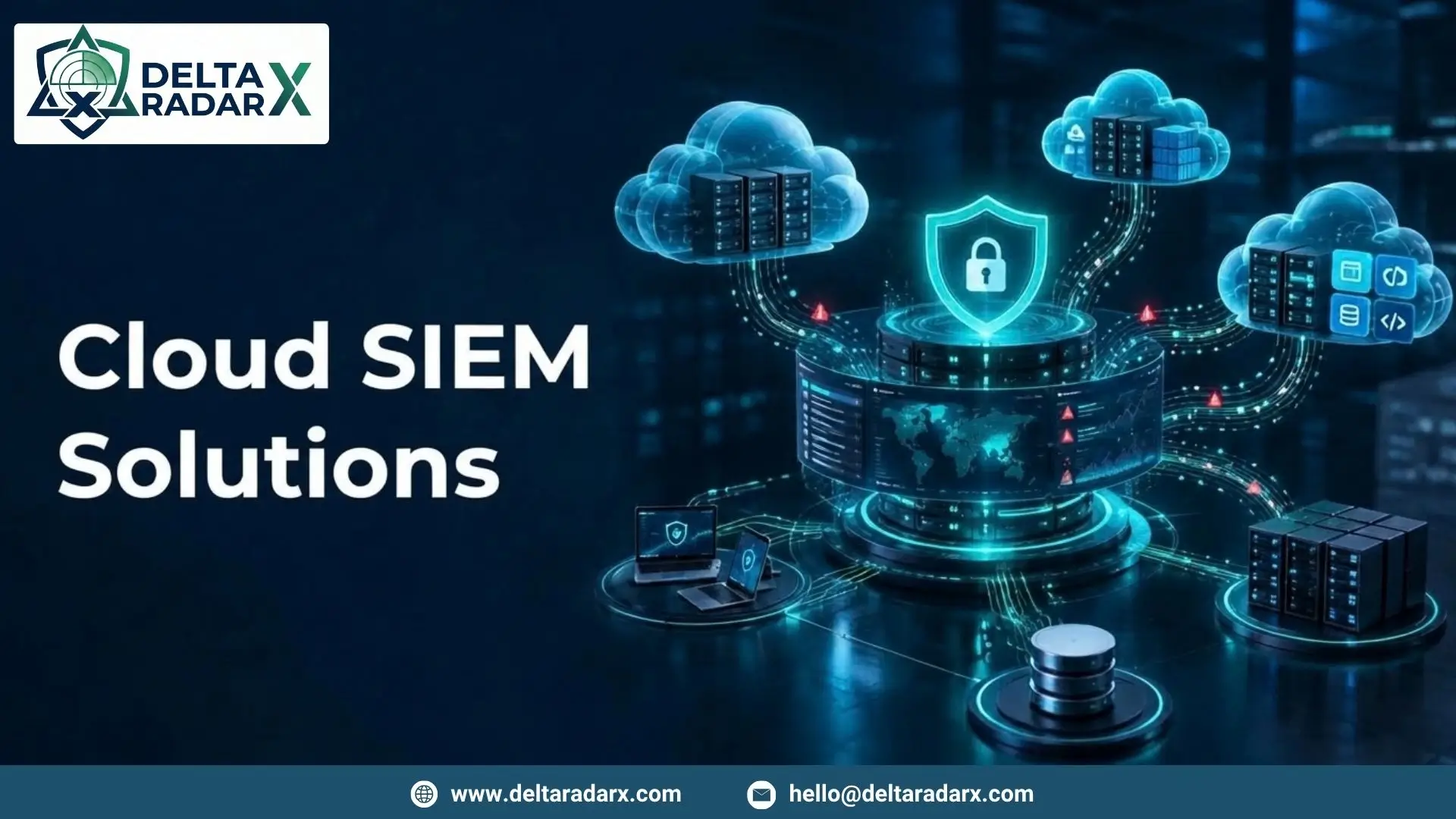
A SIEM platform can help centralize this information.
It can also correlate events from cloud workloads with activity from other security systems.
For example, a suspicious cloud event may become more important when it is connected with unusual user activity or firewall logs.
SIEM Integration can help organizations bring these different security data sources together. This gives security teams a more centralized view of activity across cloud and on-premises environments.
Cloud Workload Security and Threat Detection
Threat detection is an important part of cloud security.
Attackers may use compromised credentials, malicious tools, or legitimate cloud services to avoid detection.
For this reason, organizations need more than basic perimeter security.
Continuous monitoring can help identify unusual behavior inside workloads.
Examples may include:
- Unexpected process execution
- Unusual network communication
- Suspicious account activity
- Unauthorized configuration changes
- Access from unusual locations
When suspicious behavior is detected, security analysts can investigate the event.
The Role of Threat Hunting
Automated tools can detect many known threats.
However, some attacks may not immediately generate an alert.
Threat hunting takes a more proactive approach.
Security professionals actively search for unusual behavior and potential indicators of compromise.
In cloud environments, threat hunters may investigate:
- Unexpected administrative activity
- Suspicious cloud access
- Unusual workload behavior
- Abnormal network traffic
- Privilege changes
- Potential persistence mechanisms
Threat hunting can help organizations identify hidden threats.
Cloud Workload Security in Hybrid Environments
Many organizations use both cloud and on-premises infrastructure.
This creates a hybrid environment with multiple security data sources.
A security team may need to monitor:
- Cloud workloads
- On-premises servers
- Employee endpoints
- Firewalls
- Identity systems
- Applications
Managing these environments separately can make investigations more difficult.
Centralized monitoring helps connect information from different systems.
This can provide analysts with better context when investigating potential threats.
Cloud Workload Security for Multi-Cloud Environments
Some organizations use more than one cloud provider.
This approach can provide flexibility, but it may also increase security complexity.
Each cloud platform may have different configurations, monitoring tools, and access controls.
A consistent security strategy can help organizations manage these differences.
Security teams should aim to maintain visibility across all important workloads.
Centralized monitoring and standardized security processes can support this goal.
Benefits of Cloud Workload Security
Cloud workload protection can provide several important benefits.
Better Visibility
Organizations can gain a clearer view of workloads running across their infrastructure.
This helps identify unknown or unmanaged systems.
Improved Threat Detection
Continuous monitoring can help identify suspicious activity.
Security teams can investigate important events before they develop into larger incidents.
Faster Incident Response
Better visibility can provide more context during investigations.
This can help security teams respond more efficiently.
Reduced Security Gaps
Consistent workload monitoring can help reduce gaps between different environments.
This is particularly important for hybrid and multi-cloud infrastructure.
Support for Compliance
Security monitoring and reporting can support compliance activities.
However, security tools alone do not guarantee compliance.
Organizations must still meet the specific requirements that apply to them.
Challenges of Cloud Workload Security
Cloud security can become complex as environments grow.
Organizations should understand the challenges before selecting a solution.
Rapidly Changing Infrastructure
Cloud workloads can be created and removed quickly.
Security teams need tools that can adapt to these changes.
Limited Visibility
Organizations may struggle to monitor workloads across different cloud environments.
This can create security blind spots.
Misconfigurations
Cloud settings can change frequently.
Incorrect configurations can increase the risk of unauthorized access or data exposure.
Alert Overload
Large environments can generate a significant number of security alerts.
Security teams need effective processes to prioritize important events.
Skills and Resource Gaps
Cloud security requires technical expertise.
Many organizations do not have enough security professionals to monitor their environments continuously.
Best Practices for Cloud Workload Security
Organizations can improve workload protection by following several practical security practices.
Maintain Asset Visibility
Keep an updated inventory of cloud workloads.
Security teams cannot protect systems they do not know exist.
Apply the Principle of Least Privilege
Users and workloads should only receive the permissions they need.
This can help reduce the impact of compromised credentials.
Monitor Continuously
Security monitoring should continue as workloads operate.
Continuous visibility helps teams detect suspicious activity more quickly.
Manage Vulnerabilities
Identify and prioritize vulnerabilities across cloud workloads.
Critical security weaknesses should be addressed as quickly as possible.
Protect Identities
Cloud identities can provide access to important resources.
Strong authentication and access controls are essential.
Develop Incident Response Procedures
Organizations should define how security incidents will be handled.
Clear procedures can help teams respond more consistently.
Cloud Workload Security at DeltaRadarX
Cloud workload protection requires more than basic monitoring.
Organizations need visibility across workloads, logs, endpoints, networks, and cloud activity.
DeltaRadarX provides 24/7 SOC operations, real-time SIEM and log monitoring, Managed Detection and Response (MDR), incident handling, threat intelligence, SOAR automation, EDR, network and firewall monitoring, vulnerability assessments, and compliance reporting.
These capabilities can support a broader approach to cloud workload security.
For example, suspicious activity on a cloud workload can be investigated alongside endpoint events, identity activity, and firewall logs.
This additional context can help analysts determine whether the event is legitimate or potentially malicious.
Organizations that need continuous security expertise can also benefit from Managed Detection and Response Services as part of their broader workload protection strategy. MDR adds ongoing monitoring, human investigation, and response support for potential threats.
DeltaRadarX also provides co-managed SOC support for organizations that already have internal IT or security teams.
This model can provide additional security capacity without requiring the organization to build a complete 24/7 operation internally.
How to Choose a Cloud Workload Security Solution
Choosing the right security solution starts with understanding your environment.
First, identify the workloads that need protection.
Next, review whether the solution supports your cloud, hybrid, or multi-cloud infrastructure.
You should also consider:
- Monitoring capabilities
- Threat detection
- Vulnerability management
- Configuration visibility
- Incident response support
- Integration options
- Reporting
- Automation
The right solution should support the organization’s actual security requirements.
It should also work with existing technologies where possible.
Final Thoughts
Cloud workload security helps organizations protect applications, servers, containers, and other workloads running in cloud environments.
Effective protection requires visibility, continuous monitoring, threat detection, investigation, and response.
As cloud environments become more complex, organizations need security solutions that can adapt to changing workloads and infrastructure.
A strong strategy should combine security technologies with skilled analysts and clear response processes.
By monitoring cloud workloads alongside endpoints, networks, identities, and security logs, organizations can gain better visibility into potential threats and respond with greater confidence.