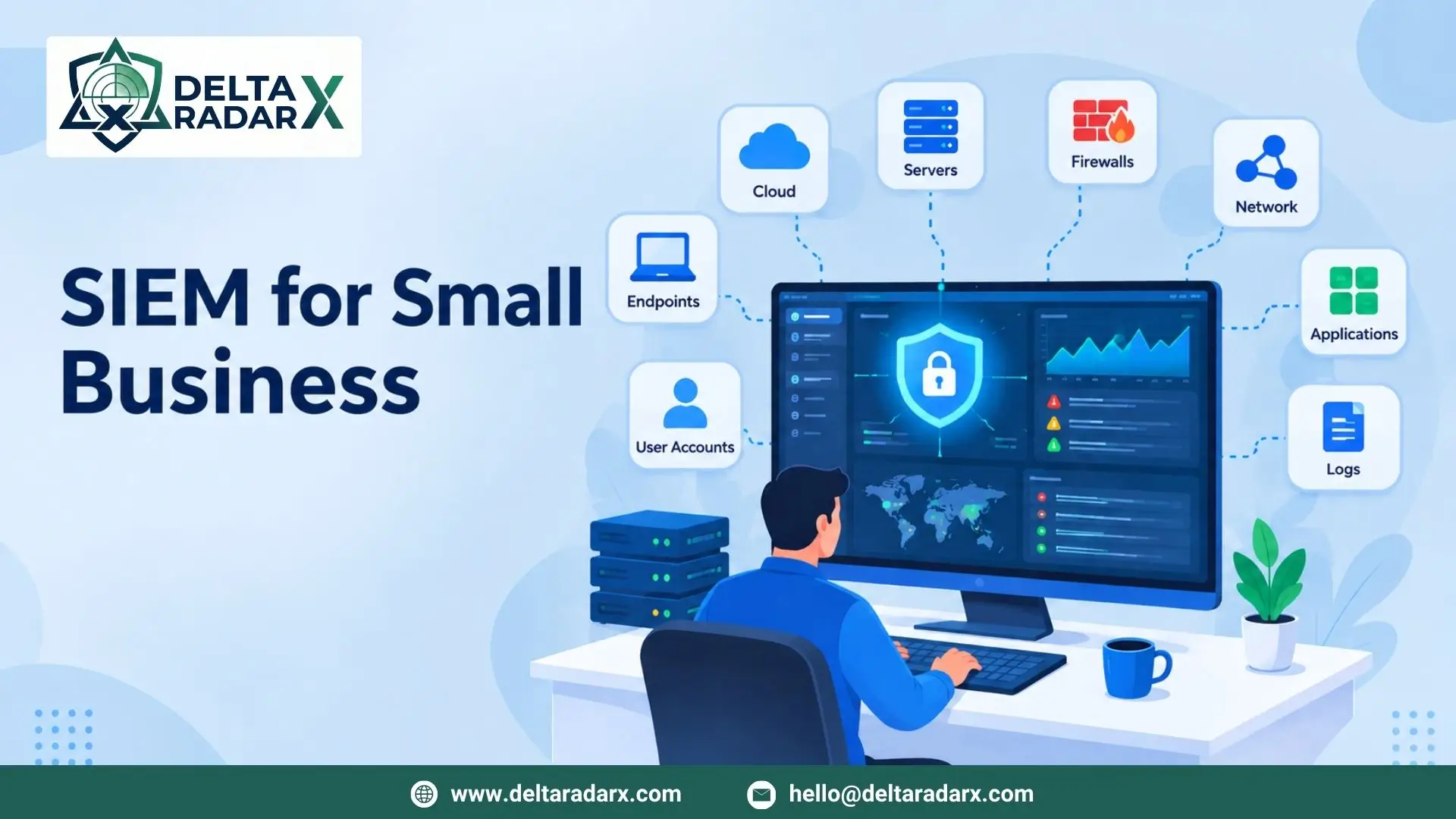

Organizations generate thousands or even millions of security events every day. These events can come from firewalls, servers, endpoints, cloud platforms, applications, identity systems, and network devices. Reviewing all of this information manually is difficult and can cause important security signals to be overlooked.
So, what is SIEM and why is it important for modern cybersecurity?
Security Information and Event Management (SIEM) is a cybersecurity technology that collects, centralizes, analyzes, and correlates security data from across an organization’s IT environment. By bringing security information into one platform, SIEM helps security teams identify suspicious activity, investigate incidents, monitor threats, and maintain greater visibility across their infrastructure.
What Is SIEM?
SIEM stands for Security Information and Event Management. It combines security information management and security event management capabilities to provide centralized monitoring and analysis of security data.
A SIEM platform collects logs and security events from multiple sources and analyzes them to identify patterns that could indicate a security incident.
For example, a single failed login may not be concerning. However, hundreds of failed login attempts followed by a successful login, privilege escalation, and unusual network activity could indicate a compromised account. SIEM can correlate these events and help security analysts recognize the larger pattern.
This makes SIEM an important component of modern security monitoring and threat detection.
How Does SIEM Work?
A SIEM platform generally works through several interconnected processes.
1. Log Collection
The first step is collecting security logs and events from different systems. These may include:
- Firewalls
- Servers
- Endpoints
- Cloud infrastructure
- Applications
- Identity and access management systems
- Network devices
- Security tools
Centralized log collection allows organizations to bring information from different environments into a single monitoring platform.
2. Log Processing and Normalization
Different systems often generate logs in different formats. SIEM platforms process and normalize this information so that security teams can analyze events consistently.
Normalization can make it easier to compare events from different sources and identify relationships between them.
3. Event Correlation
Event correlation is one of the most important capabilities of SIEM. Instead of analyzing every event separately, the platform can connect related activities and identify suspicious patterns.
For example, a sequence involving multiple failed authentication attempts, a successful login, unusual file access, and communication with a suspicious external address may indicate a potential account compromise.
By correlating these events, SIEM provides more context than reviewing individual logs independently.
4. Alert Generation
When activity matches a detection rule or suspicious behavioral pattern, the SIEM can generate a security alert.
Alerts can be prioritized according to factors such as severity, affected assets, user identity, threat intelligence, and potential business impact. This helps analysts focus their attention on higher-risk events.
5. Investigation and Response
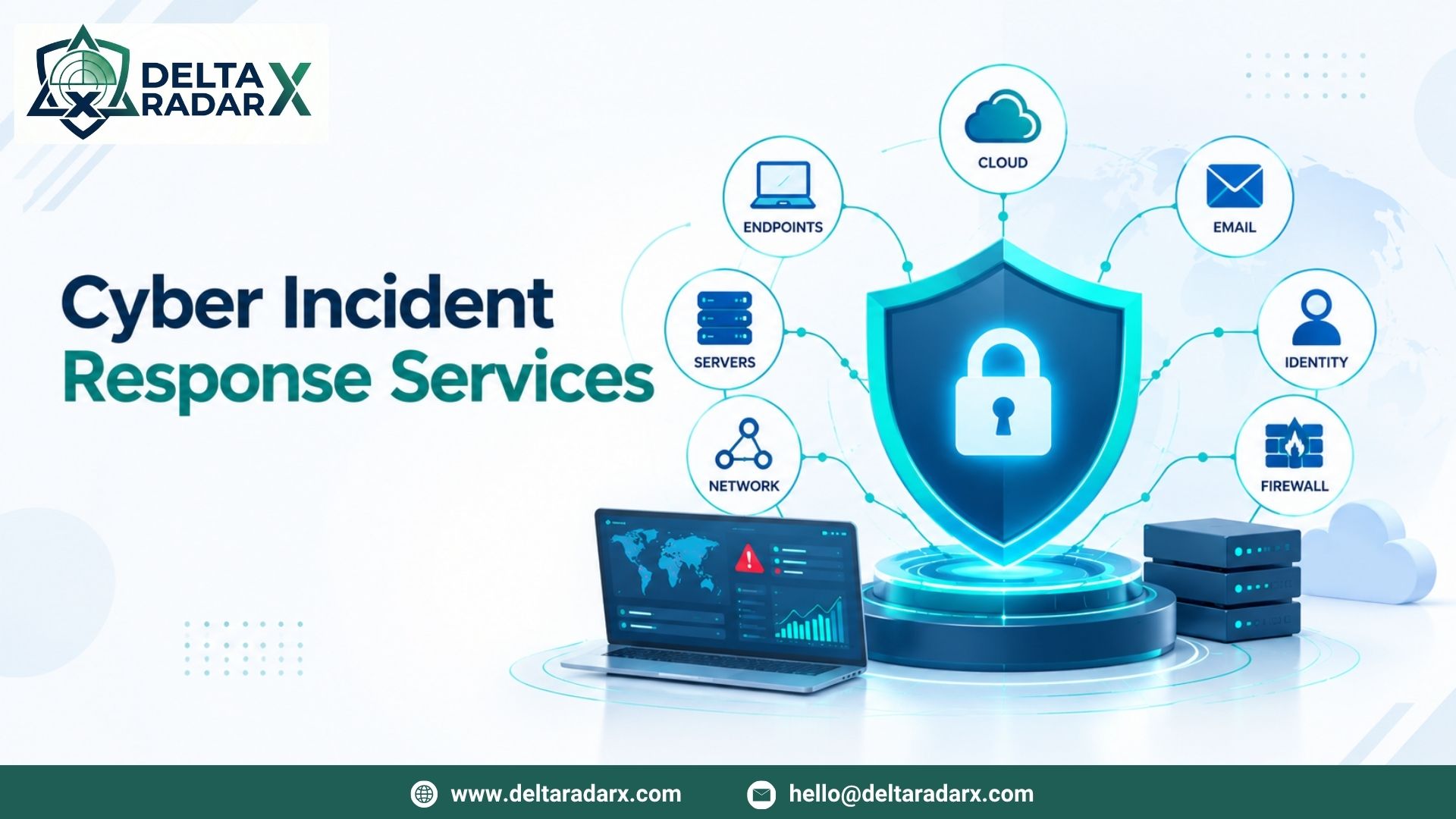
Security analysts can investigate alerts using the information collected by the SIEM. They may review related events, user activity, network connections, endpoint information, and threat intelligence to determine whether an incident is genuine.
SIEM can also integrate with other security technologies to support incident response and automated security workflows.
Key Components of a SIEM Platform
A modern SIEM platform typically includes several important capabilities.
Centralized Log Management
SIEM provides a centralized location for collecting and analyzing security logs. This improves visibility and makes it easier to investigate events across multiple systems.
Security Analytics
Security analytics helps identify unusual behavior and suspicious patterns within large volumes of security data. Advanced platforms may use behavioral analysis, machine learning, and other analytics techniques to improve detection.
Detection Rules
Detection rules define the types of activities that should generate alerts. Security teams can customize rules according to their infrastructure, applications, users, and security requirements.
Regular tuning is important because poorly configured rules can generate unnecessary alerts. Organizations can improve alert quality by applying techniques to Reduce false positives in SIEM without eliminating important security detections.
Threat Intelligence
Threat intelligence adds external context to security events. SIEM platforms can compare observed IP addresses, domains, file hashes, and other indicators against threat intelligence sources to determine whether activity may be associated with known threats.
Dashboards and Reporting
SIEM dashboards provide security teams with a visual overview of alerts, events, incidents, and security trends. Reporting capabilities can also help organizations maintain audit records and support compliance requirements.
Why Is SIEM Important?
SIEM provides organizations with greater visibility into their security environment. Without centralized monitoring, security events may remain scattered across different systems, making investigations slower and more difficult.
A SIEM platform helps security teams identify relationships between events and investigate potential threats using information from multiple sources.
It can also support faster incident response. When suspicious activity is identified, analysts have access to historical and real-time security information that can help them understand what happened and determine which systems may be affected.
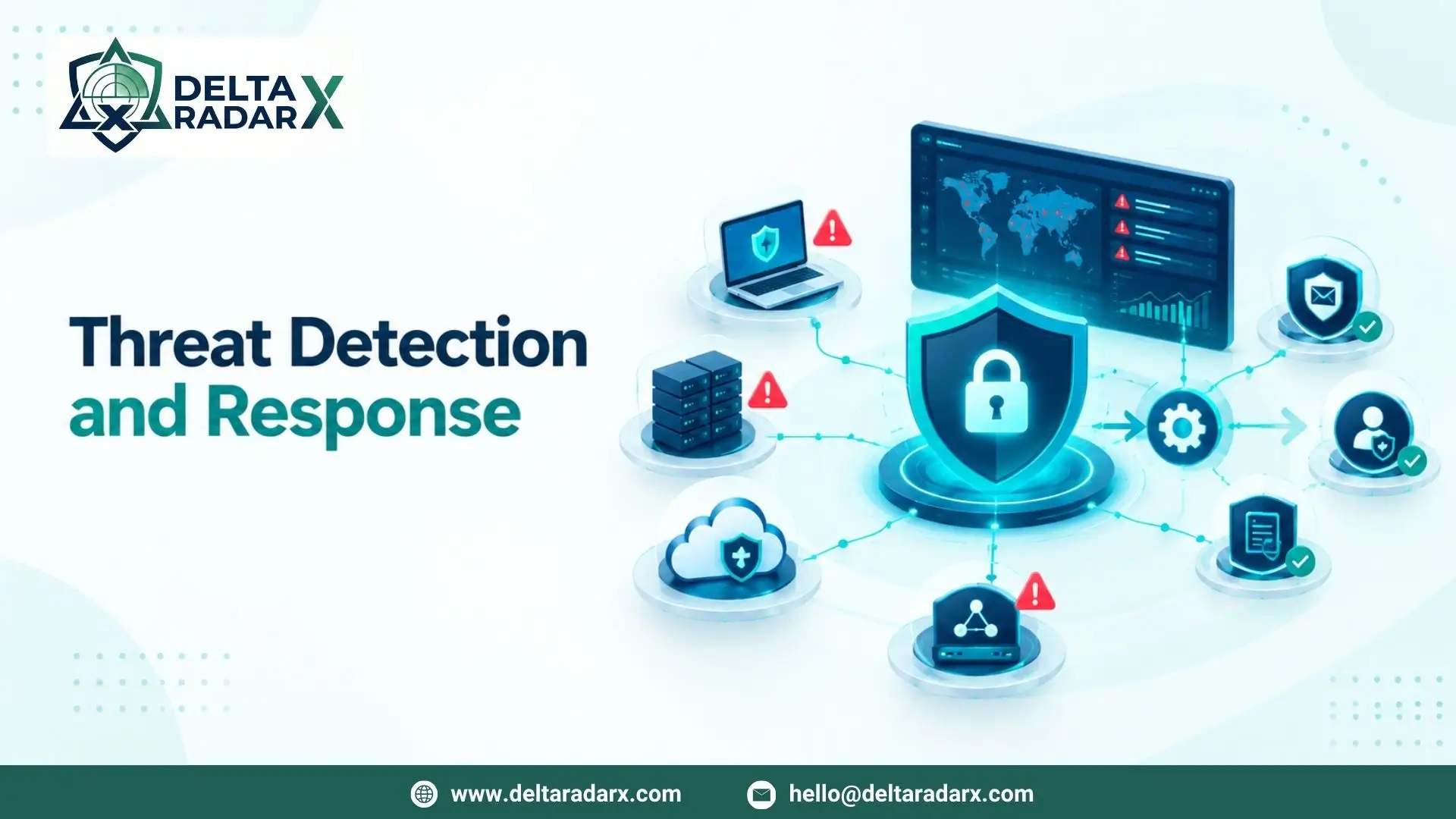
For organizations building a broader Threat Detection and Response Platform, SIEM can serve as a central source of security telemetry and event correlation.
Common SIEM Use Cases
SIEM platforms can support a wide range of cybersecurity use cases.
Threat Detection
SIEM can identify suspicious activities such as unusual authentication behavior, malware indicators, unauthorized access, privilege escalation, and suspicious network connections.
Incident Investigation
Security analysts can use centralized logs to reconstruct events and understand how an attack occurred.
Insider Threat Monitoring
SIEM can help identify unusual user behavior, unauthorized access attempts, excessive privilege use, and other activities that may require investigation.
Compliance Monitoring
Organizations in regulated industries may need to maintain security logs and demonstrate that security events are being monitored. SIEM can help with centralized logging, reporting, and audit trails.
Network Security Monitoring
By collecting network and firewall events, SIEM can help security teams identify unusual traffic patterns, suspicious connections, and potential attacks.
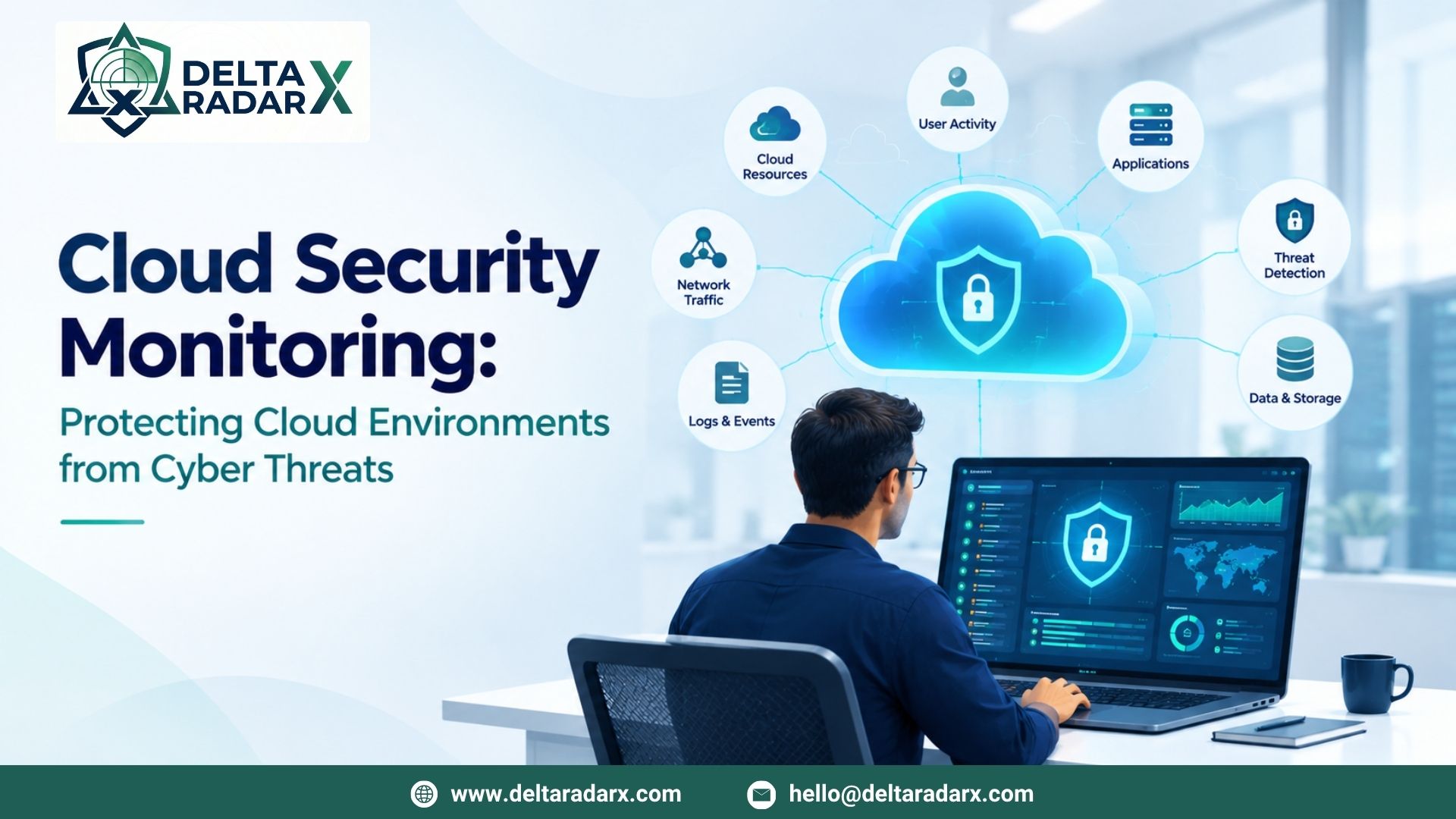
Cloud Security Monitoring
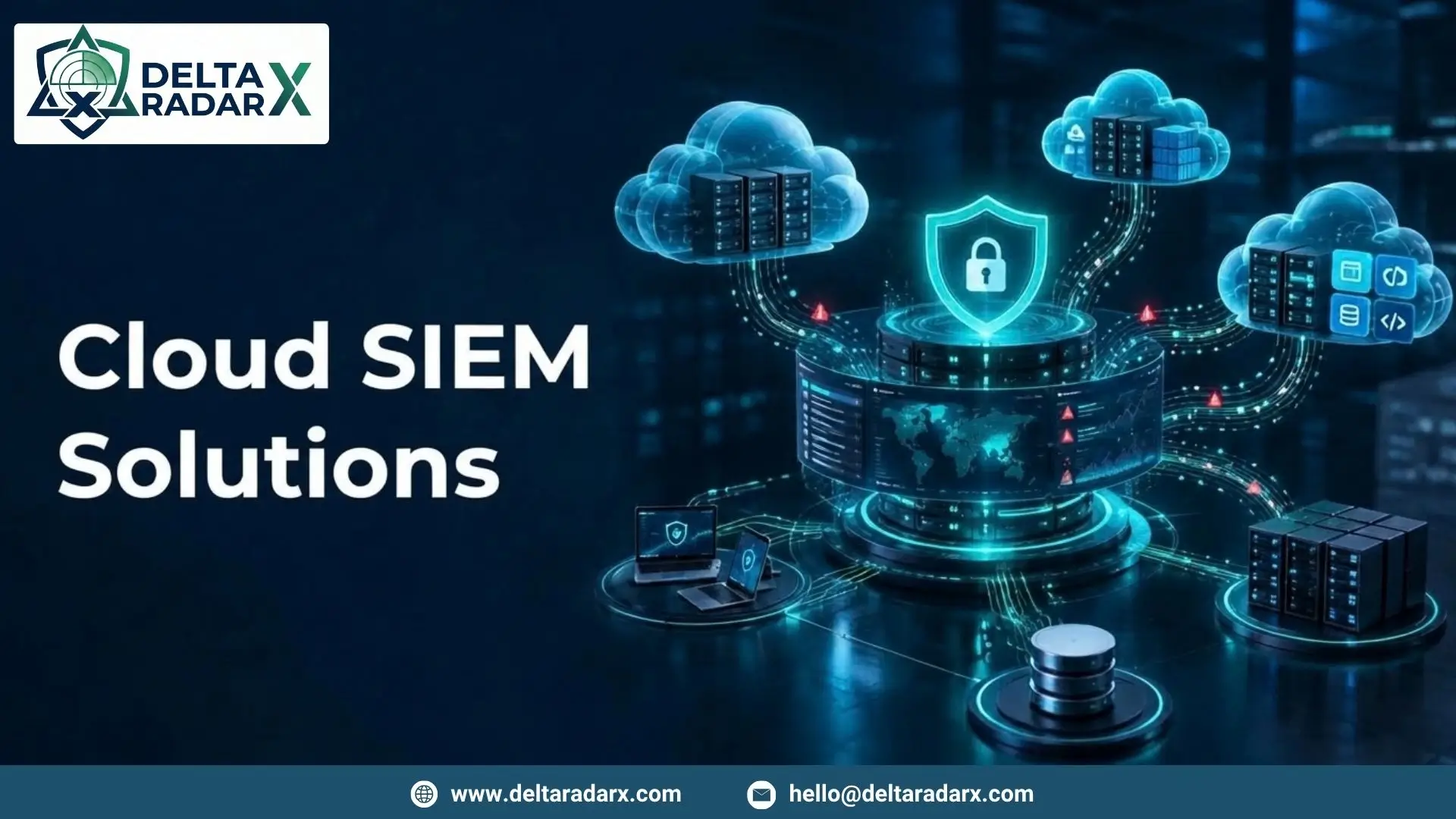
As organizations increasingly use cloud infrastructure, SIEM can collect and correlate security events from cloud services alongside traditional infrastructure logs.
SIEM and Other Security Technologies
SIEM is not designed to replace every cybersecurity technology. Instead, it often works alongside other tools.
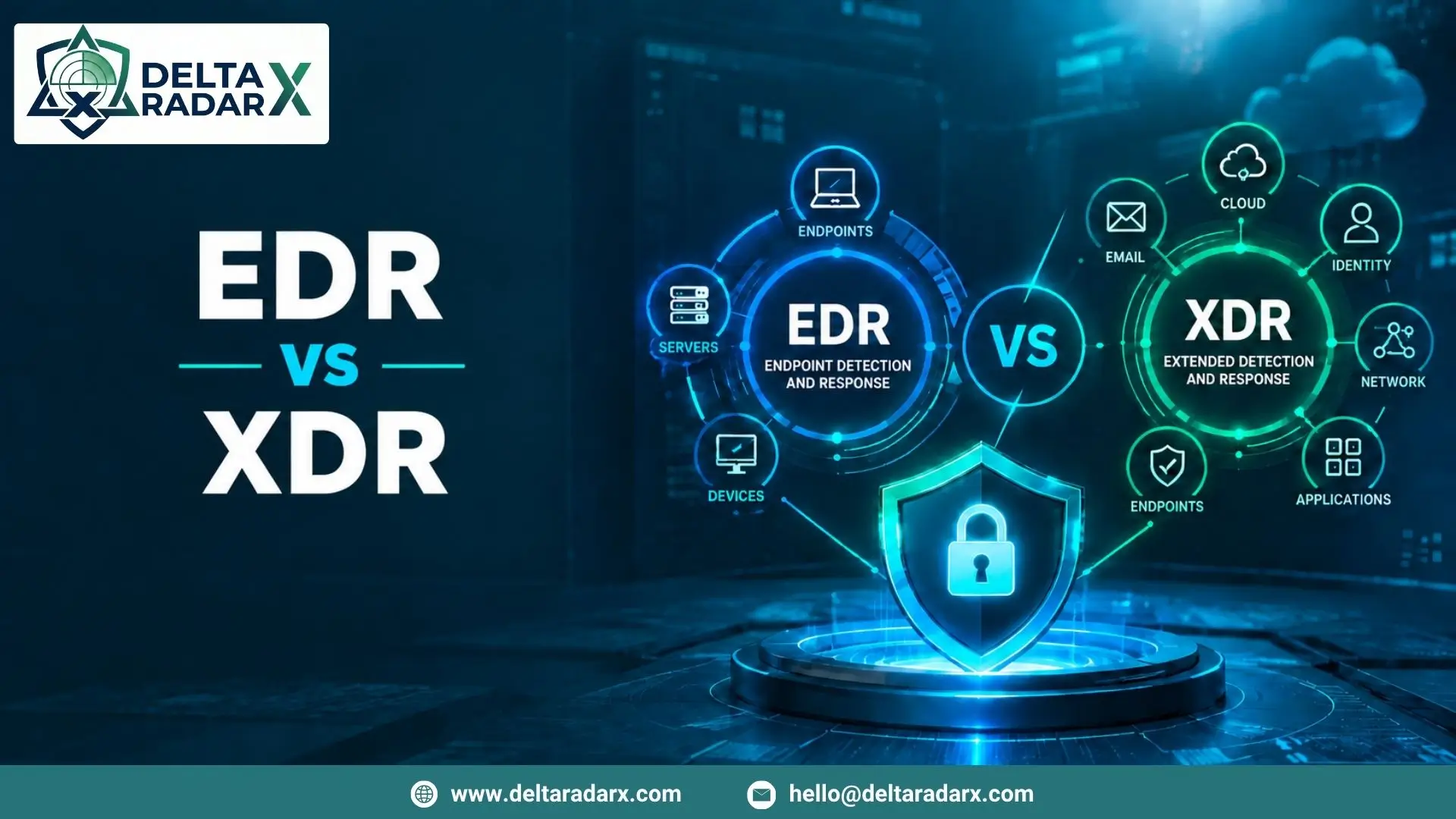
EDR focuses on endpoint activity and can provide detailed information about processes, files, and connections on individual devices.
SOAR helps automate security workflows and response actions based on predefined processes.
Threat intelligence platforms provide information about emerging threats and indicators of compromise.
When these technologies work together, security teams can gain broader visibility and improve their ability to detect and respond to cyber threats.
SIEM in a Security Operations Center
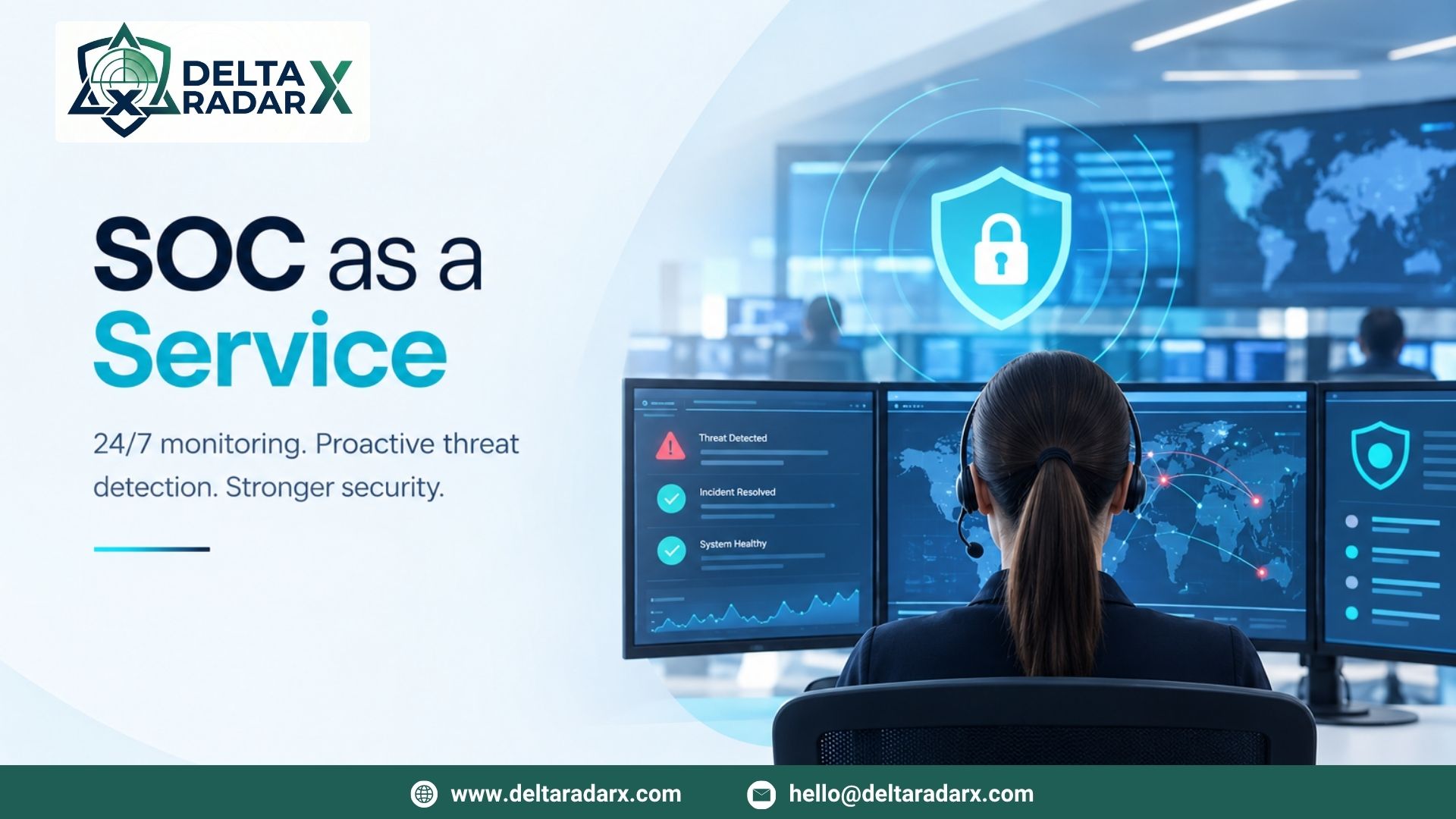
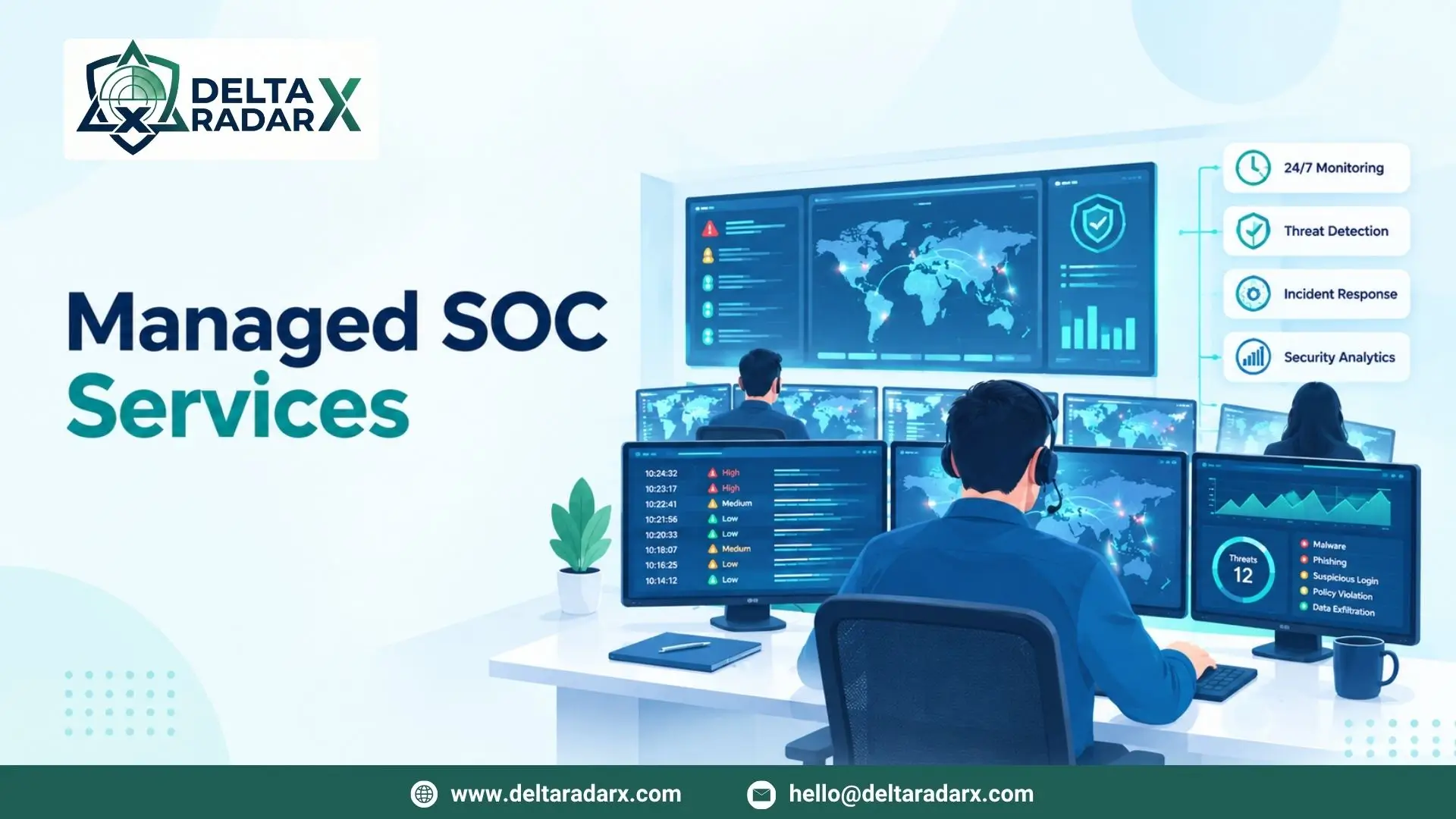
SIEM is commonly used within a Security Operations Center (SOC), where security analysts continuously monitor alerts and investigate suspicious activity.
A SOC team can use SIEM to review security events, correlate alerts, investigate potential incidents, and determine whether additional response actions are required.
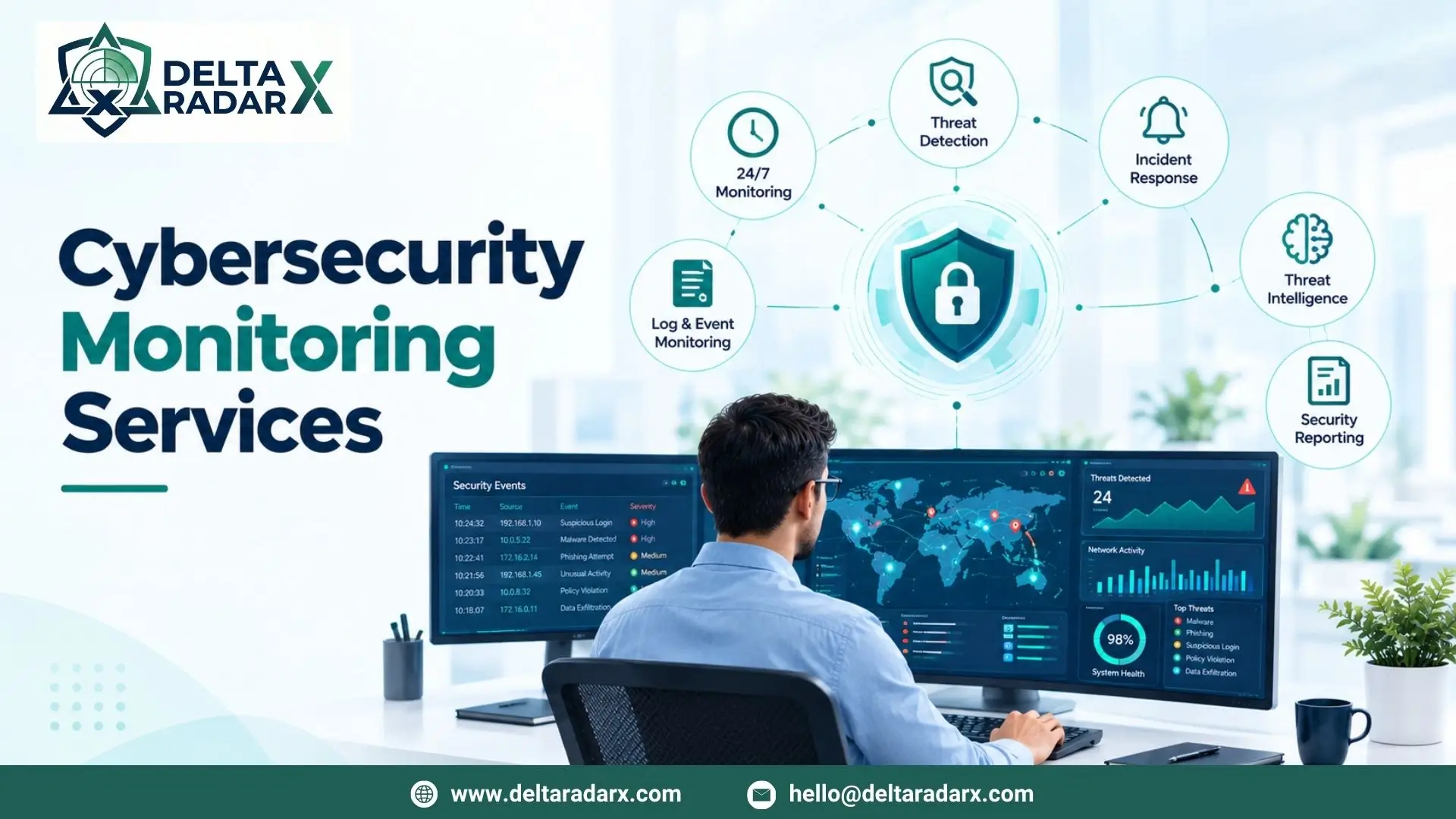
Organizations that require continuous coverage can combine SIEM with 24/7 Security Monitoring Services to maintain security visibility beyond normal business hours.
At DeltaRadarX, SIEM and log monitoring can be integrated with 24/7 SOC operations, Managed Detection and Response (MDR), incident handling, threat intelligence, SOAR automation, EDR, network and firewall monitoring, vulnerability assessments, compliance reporting, and co-managed SOC support. This broader approach helps organizations continuously monitor their environments and respond to potential threats more effectively.
Benefits of Using SIEM
A well-configured SIEM platform can provide several benefits:
- Centralized visibility: Security events from multiple systems can be monitored in one environment.
- Faster threat detection: Correlation and analytics can help identify suspicious activity earlier.
- Improved investigations: Analysts can access related events and historical logs during investigations.
- Better incident response: Security teams can use centralized information to understand and contain incidents.
- Compliance support: Centralized logging and reporting can help organizations meet audit and regulatory requirements.
- Improved security operations: Analysts can prioritize important alerts instead of manually reviewing disconnected logs.
What Makes a SIEM Effective?
Simply deploying a SIEM platform does not automatically create an effective security monitoring program. Organizations need accurate log sources, properly configured detection rules, appropriate alert priorities, and continuous monitoring.
Regular rule tuning is also essential because IT environments change over time. New applications, cloud services, endpoints, users, and network configurations can introduce legitimate activities that may otherwise trigger unnecessary alerts.
Security teams should continuously evaluate detection quality, alert volume, false-positive rates, and investigation outcomes to ensure the SIEM remains effective.
Final Thoughts
Understanding what is SIEM is an important step for organizations looking to improve their cybersecurity visibility. SIEM brings security logs and events together, analyzes relationships between activities, generates alerts, and gives security teams the context needed to investigate potential incidents.
When properly implemented and continuously optimized, SIEM can become a central part of security operations. Combined with EDR, threat intelligence, SOAR, incident response, and continuous SOC monitoring, it can help organizations detect suspicious activity faster, investigate incidents more efficiently, and strengthen their overall security posture.