
Cyber threats can emerge and spread within seconds, making it difficult for organizations to rely on traditional security tools alone. A Threat Detection and Response Platform helps security teams continuously monitor their digital environment, identify suspicious activity, investigate potential threats, and take action before an attack causes significant damage.
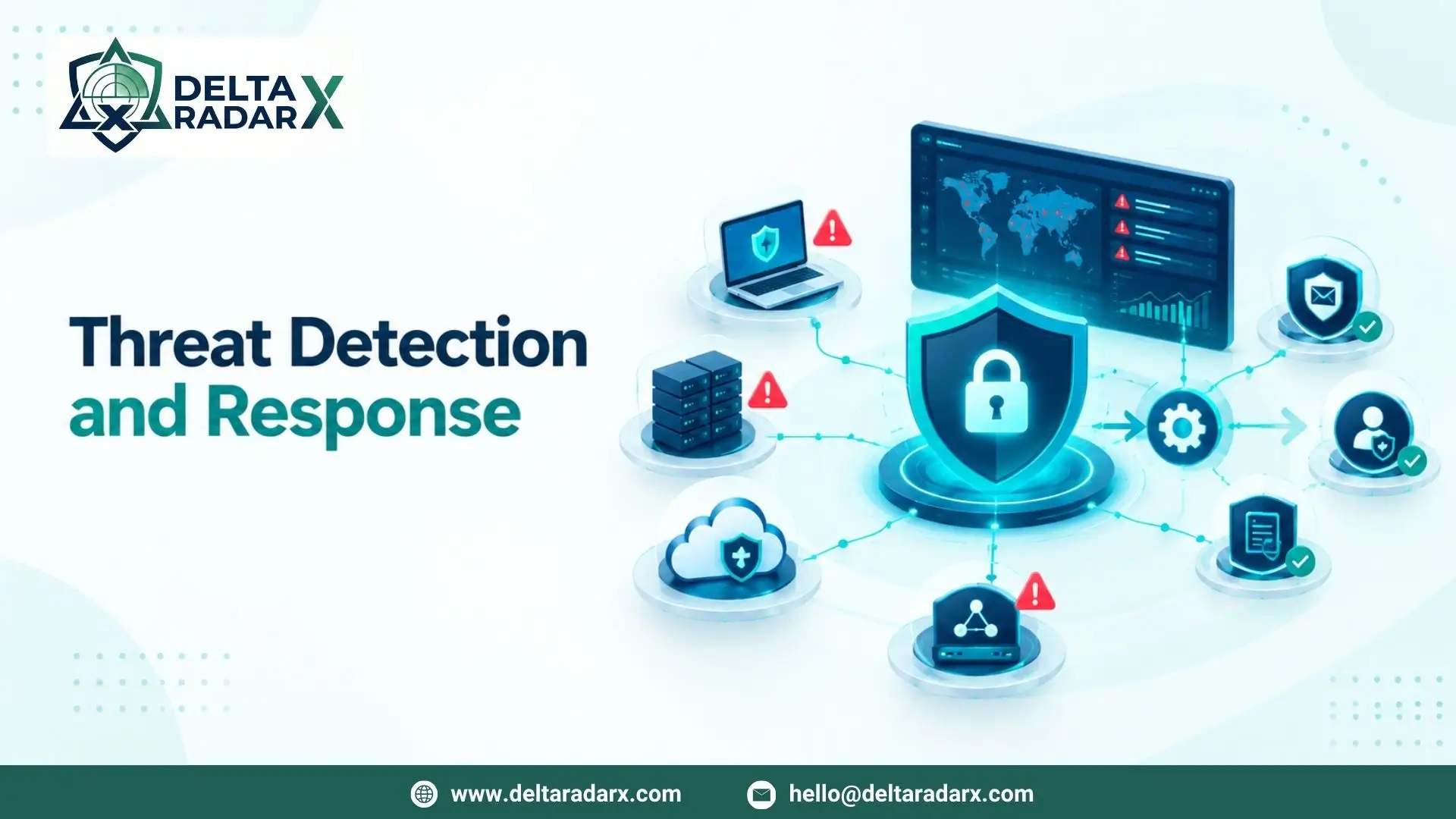
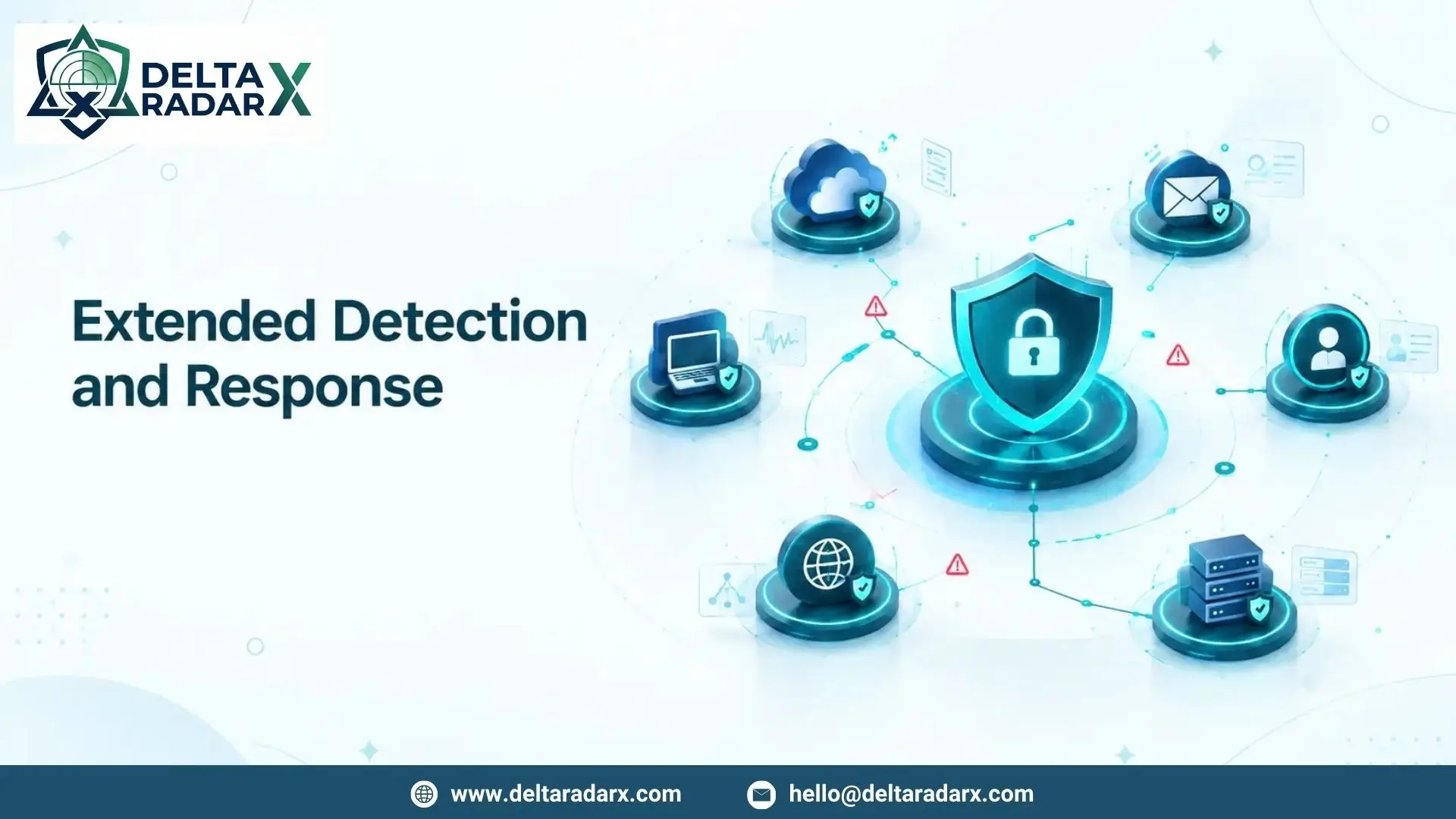
Modern organizations generate large volumes of security data from endpoints, networks, cloud environments, applications, identities, and servers. A centralized threat detection and response platform brings these signals together, applies analytics and threat intelligence, and helps security teams focus on the incidents that require immediate attention.
What Is a Threat Detection and Response Platform?
A Threat Detection and Response Platform is a cybersecurity solution designed to identify potential threats and support rapid investigation and response. Instead of relying on a single security control, it can combine information from multiple security technologies to provide broader visibility across an organization’s infrastructure.
The platform can analyze security alerts, system logs, endpoint activity, network traffic, user behavior, and threat intelligence to identify suspicious patterns. When a potential threat is detected, security teams can investigate the activity and initiate appropriate response actions.
This approach helps organizations move from simply collecting security events to actively detecting, investigating, and containing cyber threats.
How Does a Threat Detection and Response Platform Work?
A modern platform generally operates through several connected stages.
1. Security Data Collection
The first stage involves collecting security information from different sources. These can include firewalls, servers, endpoints, cloud platforms, identity systems, applications, and network infrastructure.
Centralizing this information gives security teams greater visibility into activities occurring throughout the environment.
2. Threat Detection and Analysis
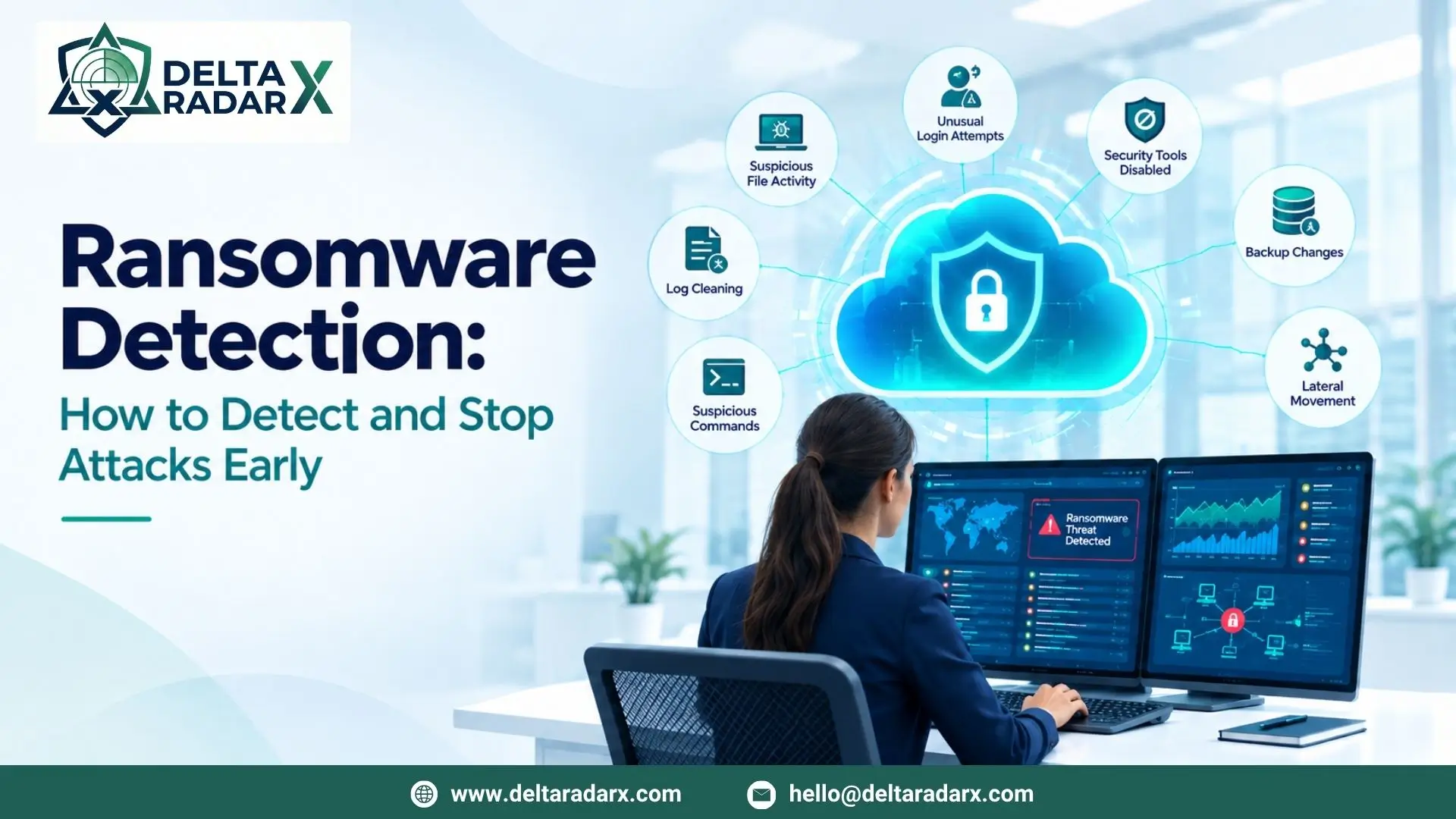
Collected events are analyzed using detection rules, behavioral analytics, machine learning, and other security techniques. The platform looks for indicators that may suggest malware, unauthorized access, credential misuse, ransomware, phishing, or suspicious network behavior.
Real-time analysis is particularly important because attackers may move quickly after gaining access to an environment.
3. Alert Correlation and Prioritization
Not every security event represents a genuine threat. A platform can correlate related events and evaluate their severity to determine which incidents deserve immediate investigation.
For example, multiple failed login attempts followed by a successful login from an unusual location may be more concerning when combined than when each event is viewed separately.
Organizations can also improve alert accuracy by using techniques designed to Reduce false positives in SIEM, allowing analysts to spend more time investigating high-confidence threats.
4. Investigation and Response
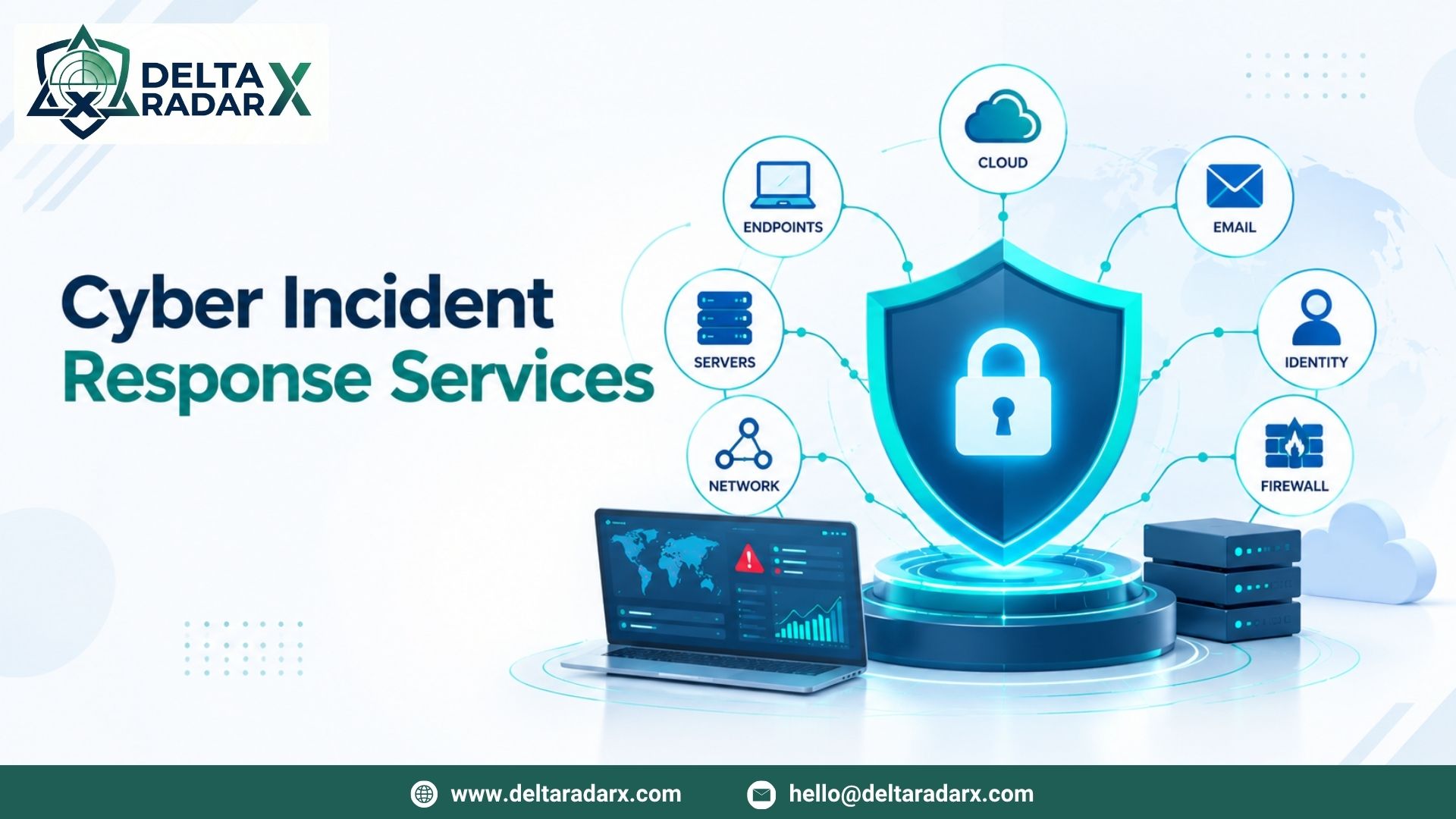
Once a suspicious incident is identified, security analysts can investigate its source, affected systems, users, and potential attack path. Depending on the platform and response workflow, automated actions may also be triggered.
These actions can include isolating an endpoint, blocking a malicious indicator, disabling a compromised account, or initiating additional investigation.

Key Technologies Behind Threat Detection and Response
A Threat Detection and Response Platform can integrate several cybersecurity technologies to improve visibility and response capabilities.
SIEM
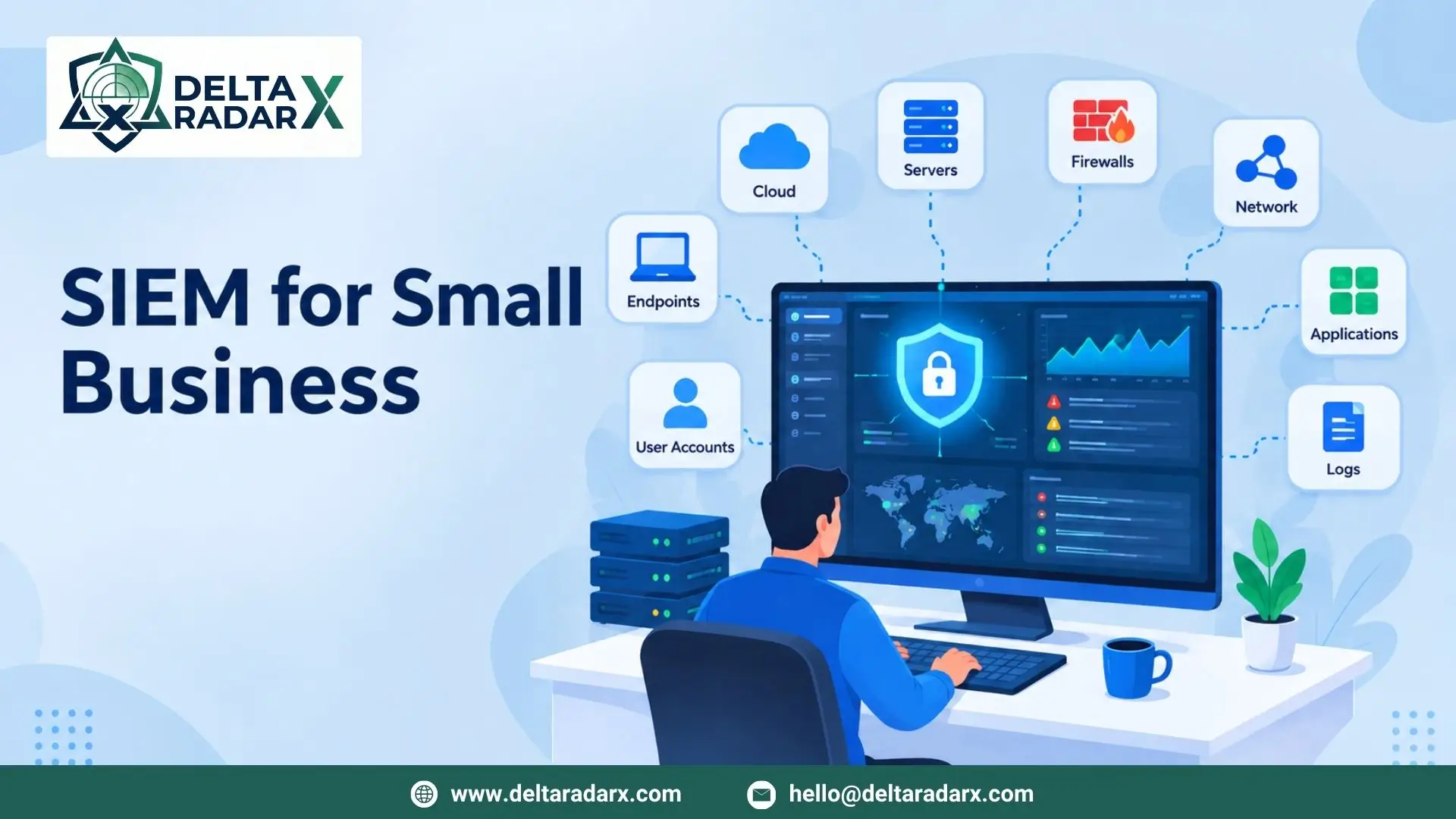
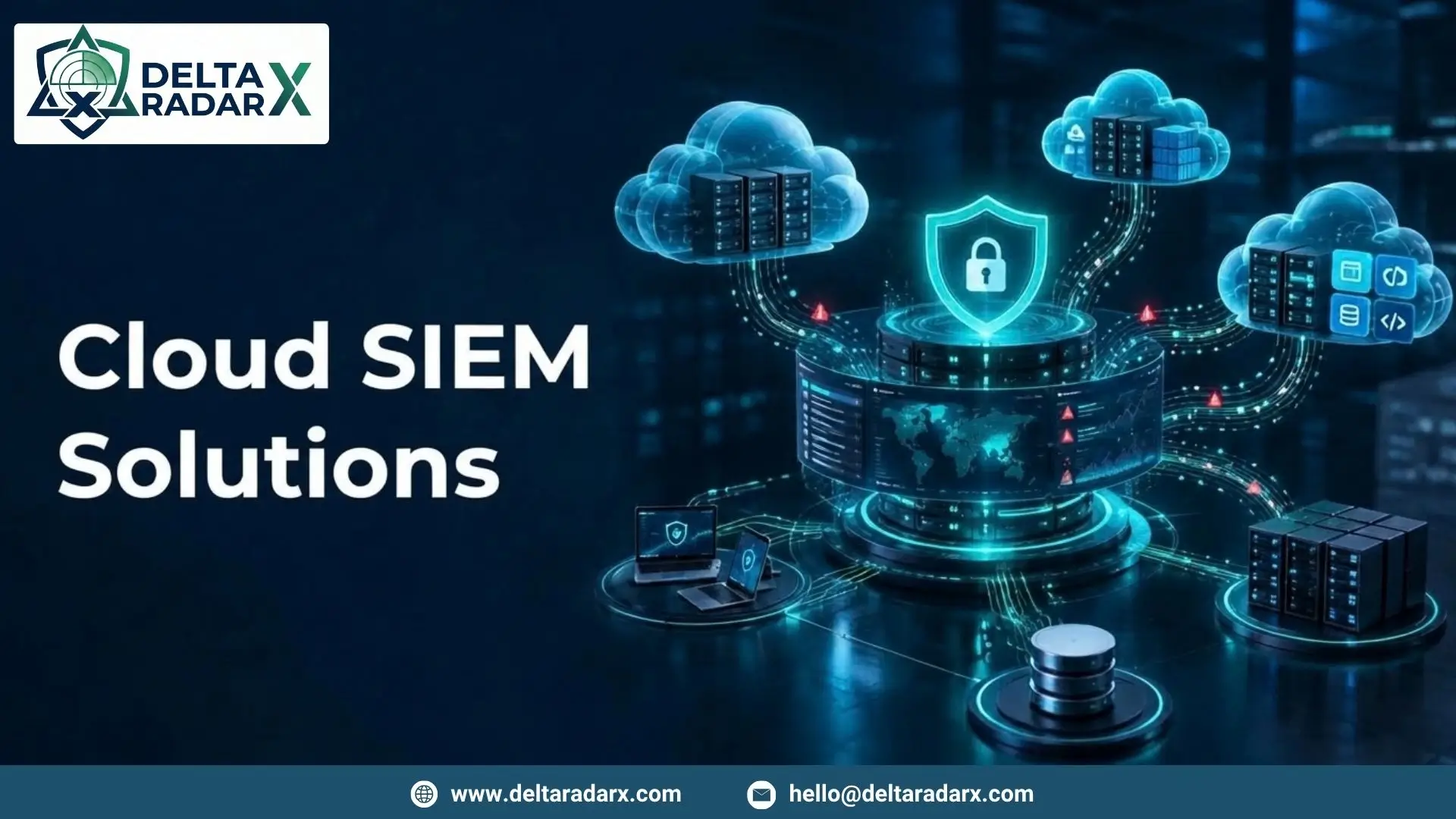
Security Information and Event Management (SIEM) platforms collect and correlate logs and security events from multiple sources. SIEM provides centralized visibility and helps security teams identify relationships between seemingly unrelated activities.
EDR
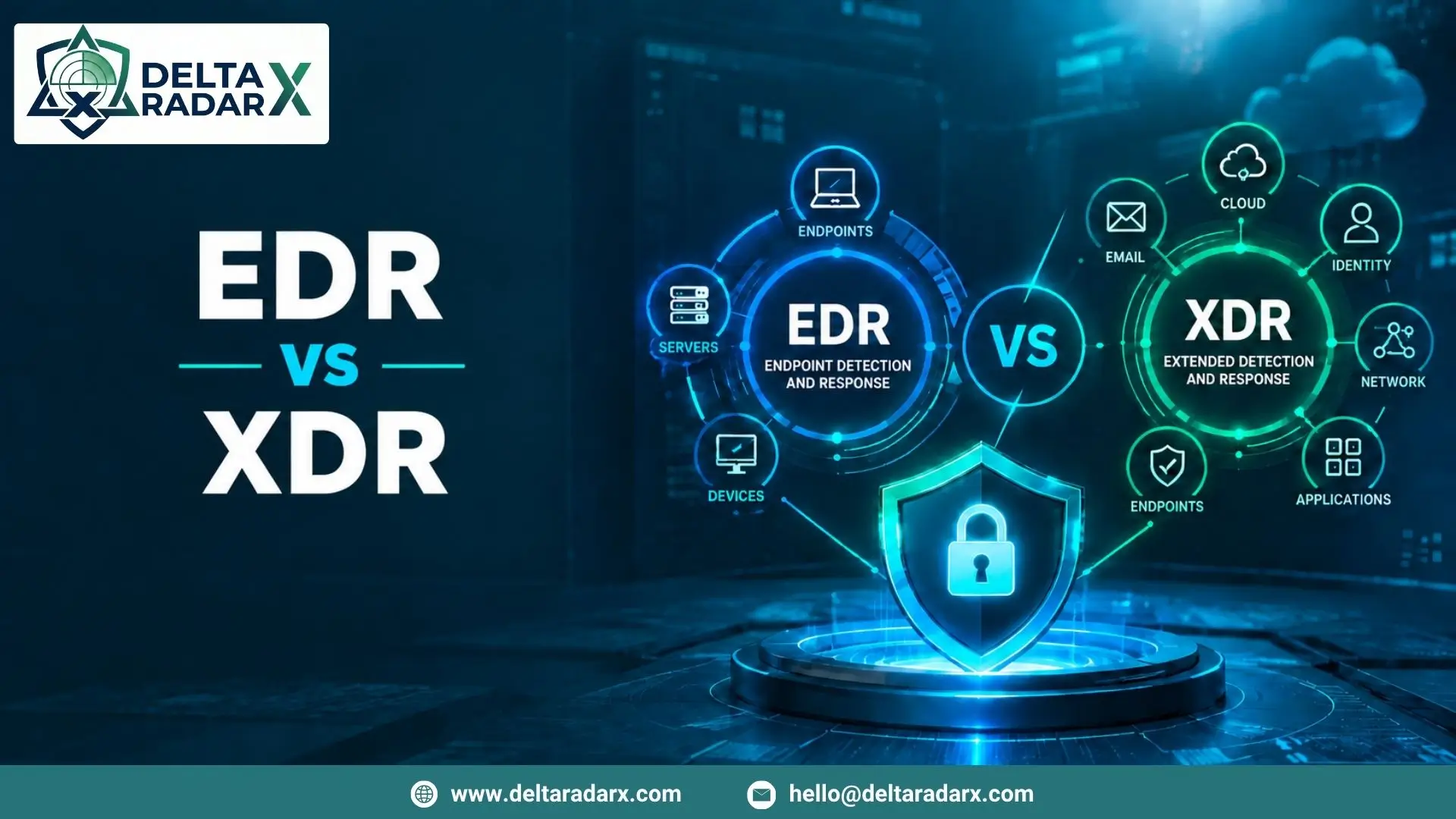
Endpoint Detection and Response (EDR) focuses on endpoint activity. It can monitor processes, files, connections, and user activity to identify potentially malicious behavior on computers and servers.
Threat Intelligence
Threat intelligence provides information about known malicious IP addresses, domains, file hashes, attack techniques, and other indicators of compromise. Incorporating this intelligence helps security teams add context to suspicious events.
SOAR and Automation
Security Orchestration, Automation and Response (SOAR) technologies can automate repetitive security workflows. Automated enrichment, investigation, and response actions can reduce manual workload and accelerate incident handling.
This becomes particularly valuable when organizations need to manage large volumes of alerts without overwhelming their security analysts.
Benefits of a Threat Detection and Response Platform
Faster Threat Detection
Continuous monitoring enables security teams to identify suspicious activity closer to the time it occurs. Faster detection can reduce the opportunity attackers have to move laterally, steal information, or disrupt business operations.
Centralized Security Visibility
Instead of checking multiple independent security tools, analysts can access information from different systems through a more centralized monitoring environment. This makes it easier to understand what is happening across endpoints, networks, cloud infrastructure, and applications.
Improved Incident Response
A platform that combines detection with investigation and response helps organizations move quickly from identifying a threat to containing it. Automated workflows can further reduce response times for well-defined incidents.
Organizations can also strengthen this capability through Automated Incident Response, particularly when predefined actions can safely handle repetitive security events.
Reduced Analyst Workload
Security teams can receive thousands of events every day. Prioritization, correlation, automation, and threat intelligence help reduce unnecessary investigations and allow analysts to focus on incidents with greater security and business impact.
Better Security Operations
When threat detection, investigation, and response work together, security teams can develop a more consistent approach to incident management. Continuous monitoring also helps organizations identify recurring attack patterns and improve their security controls over time.
How Organizations Use Threat Detection and Response
Threat detection and response capabilities can support many security use cases.
Organizations may use them to identify ransomware activity, suspicious authentication behavior, phishing attempts, malware infections, insider threats, privilege escalation, unauthorized access, data exfiltration, and unusual network activity.
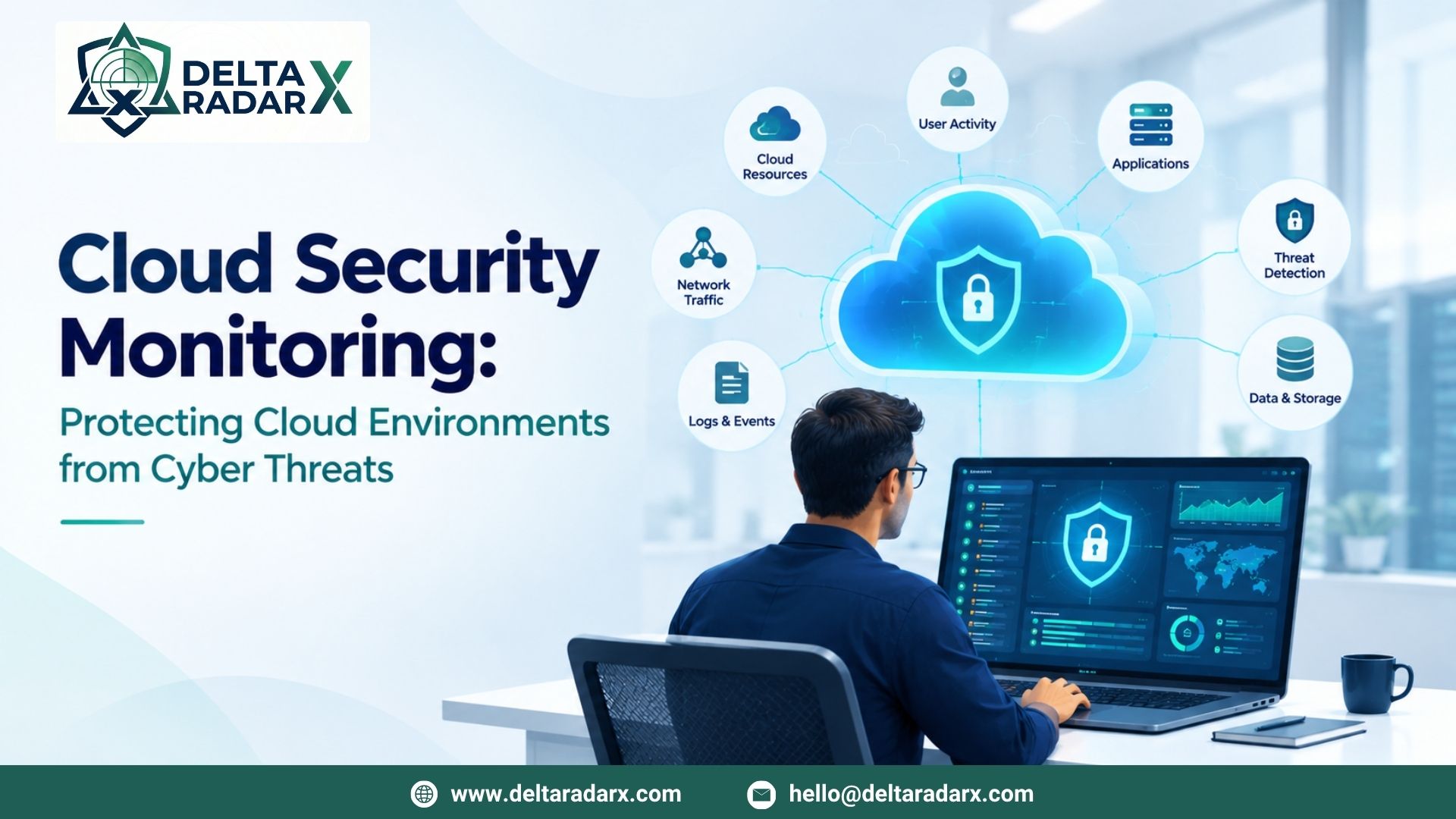
For cloud environments, monitoring can help identify suspicious account behavior and configuration changes. For endpoints, behavioral analysis can reveal potentially malicious processes. Across networks, traffic analysis can help identify unusual connections and communication patterns.
This broad coverage becomes increasingly important as organizations adopt cloud services, remote work, connected applications, and distributed infrastructure.
Threat Detection and Response at DeltaRadarX
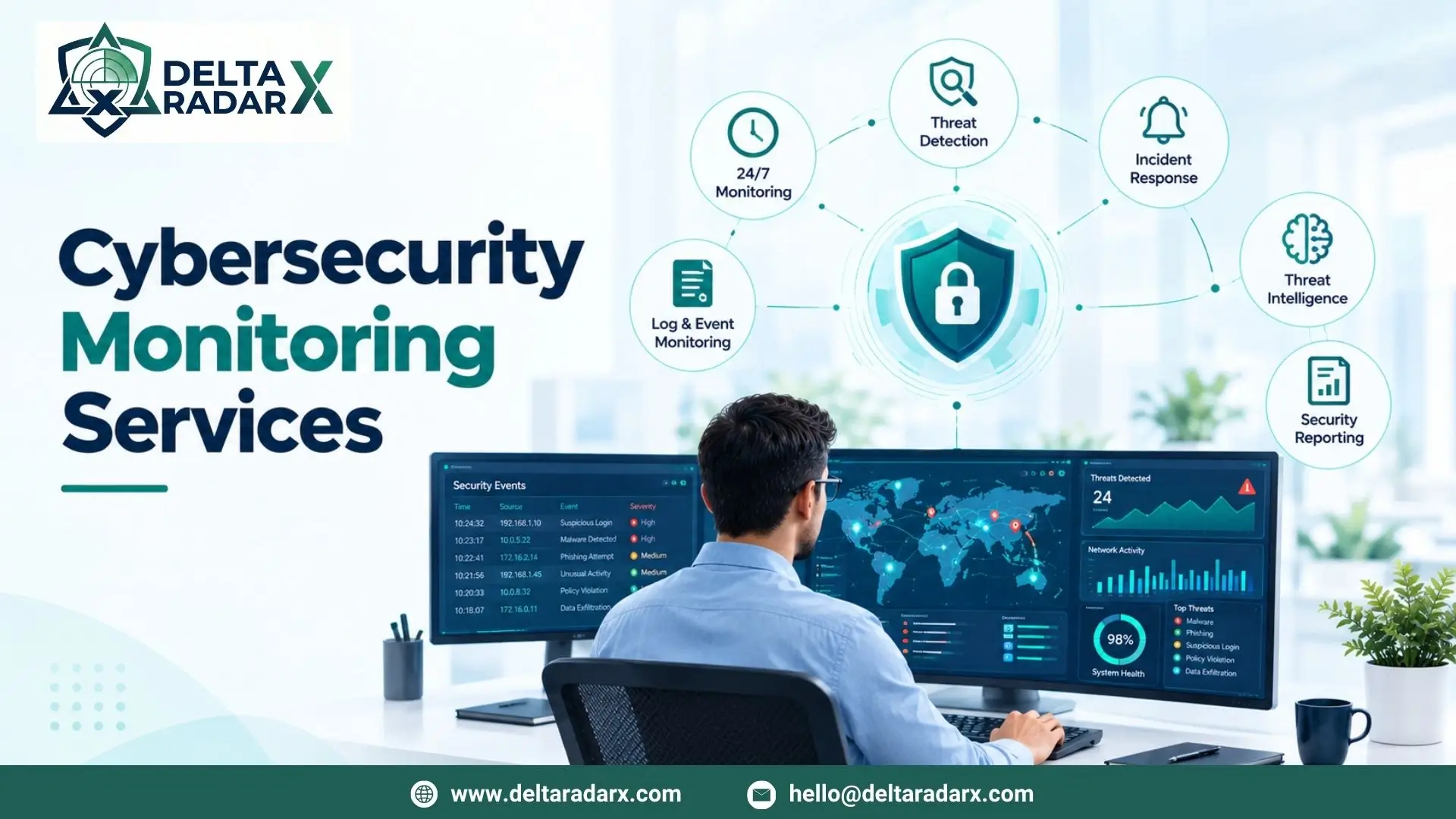
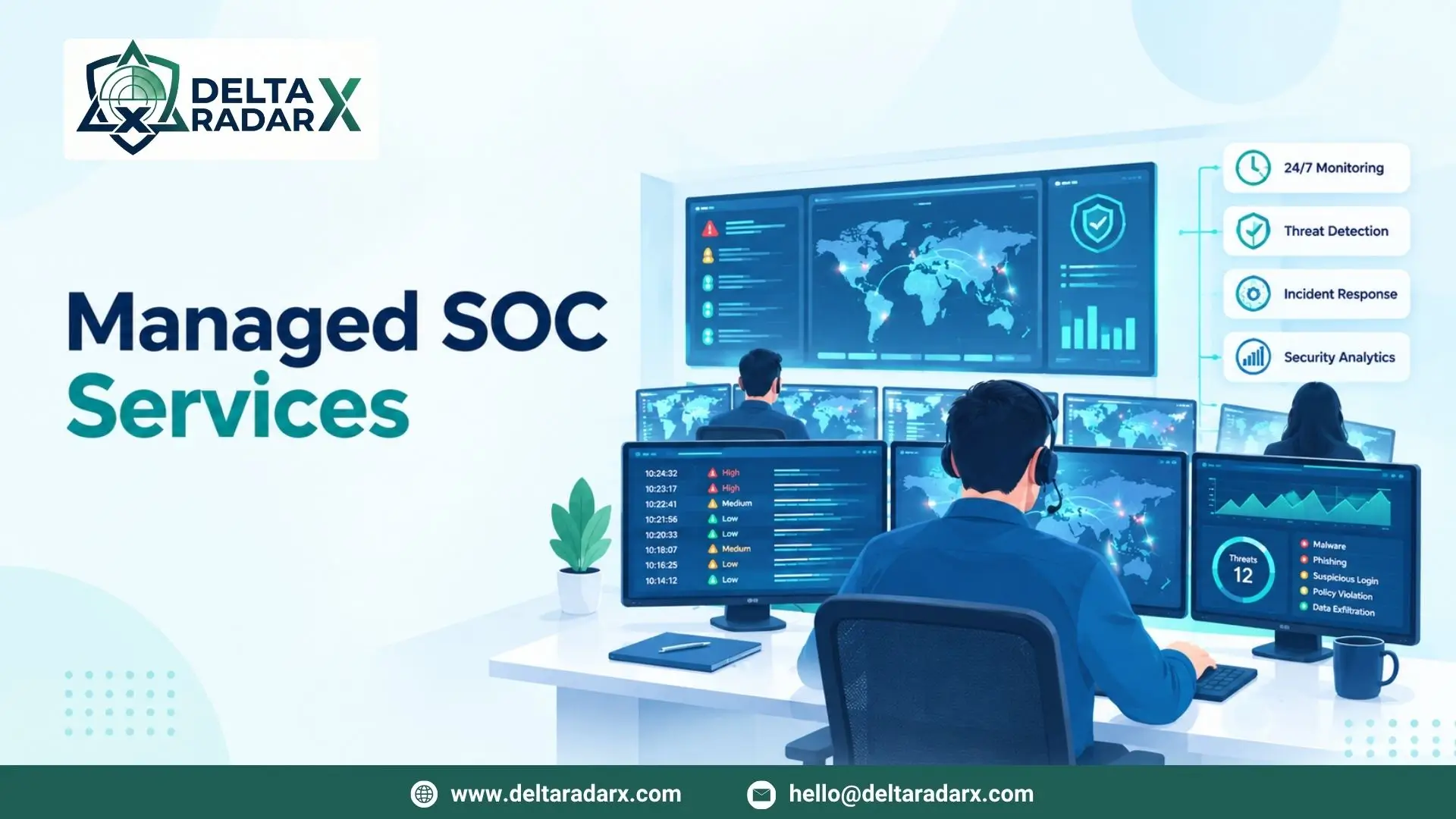
At DeltaRadarX, threat detection and response can be strengthened through a combination of 24/7 Security Operations Center (SOC) monitoring, real-time SIEM and log monitoring, Managed Detection and Response (MDR), incident handling, threat intelligence, and SOAR automation. Endpoint Detection and Response (EDR), network and firewall monitoring, vulnerability assessments, compliance reporting, and co-managed SOC support can provide additional visibility and help security teams detect, investigate, and contain threats across complex enterprise environments.
Continuous monitoring is especially valuable when organizations do not have sufficient internal resources to investigate security events around the clock.
Managing Alert Volume and Response Efficiency
A threat detection platform is most effective when it provides actionable information rather than simply generating more alerts. Excessive notifications can make it difficult for analysts to recognize genuine threats and may contribute to SOC Alert Fatigue.
Organizations should therefore regularly review detection rules, alert priorities, threat intelligence sources, and automated workflows. Measuring alert quality and investigation outcomes can help security teams continuously improve their detection strategy.
The objective is not simply to detect more events. It is to identify the events that matter, understand their context, and respond appropriately.
Building a Stronger Threat Detection Strategy
A modern Threat Detection and Response Platform provides a foundation for proactive cybersecurity by connecting security monitoring, threat detection, investigation, intelligence, and response capabilities.
However, technology alone is not enough. Effective threat detection also requires properly configured detection rules, accurate log collection, continuous monitoring, experienced security analysts, and regularly updated threat intelligence.
By combining these capabilities, organizations can improve visibility, detect suspicious activity earlier, reduce unnecessary alerts, and respond to genuine threats more efficiently. This helps create a more resilient security environment capable of adapting as cyber threats continue to evolve.