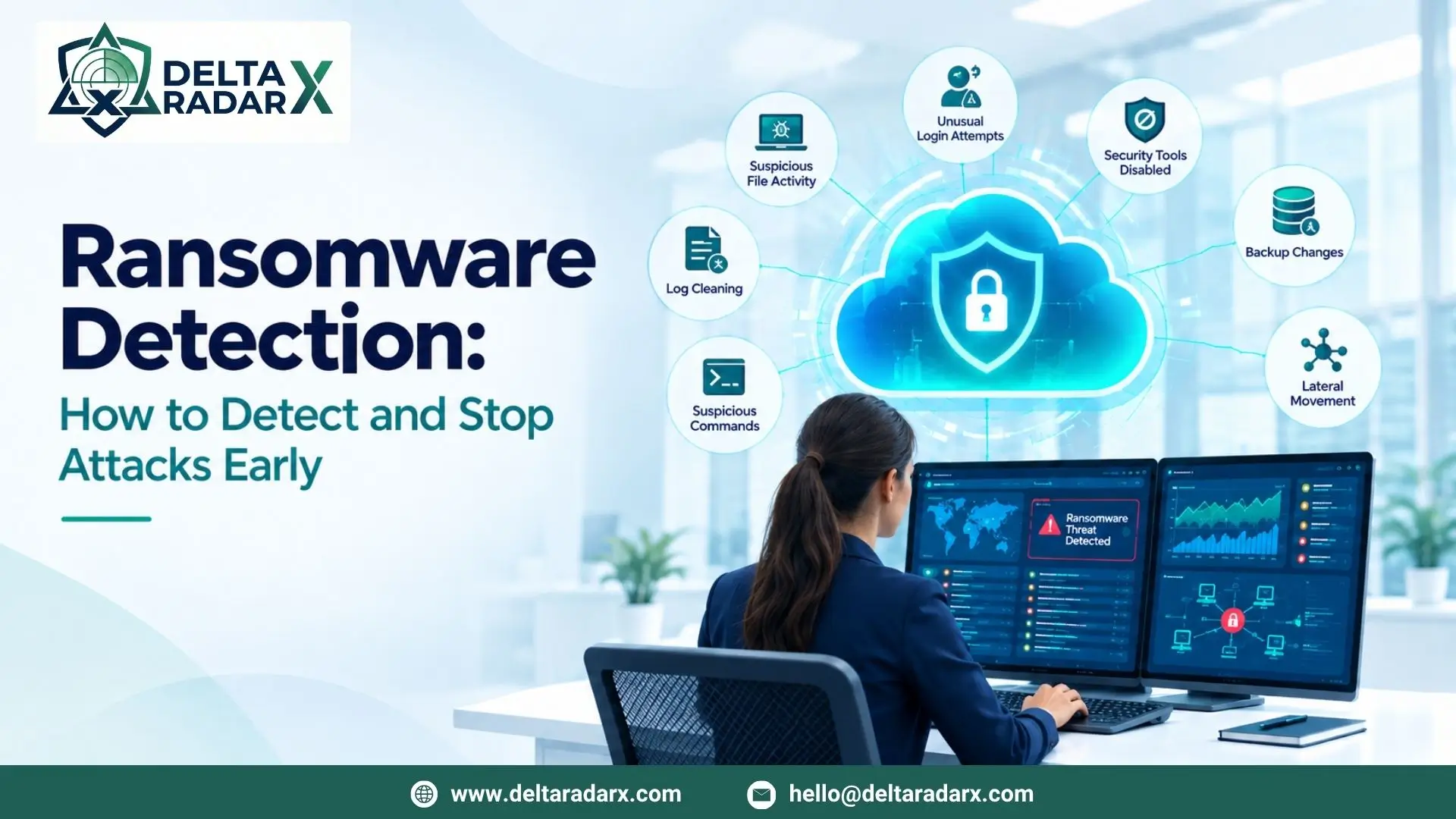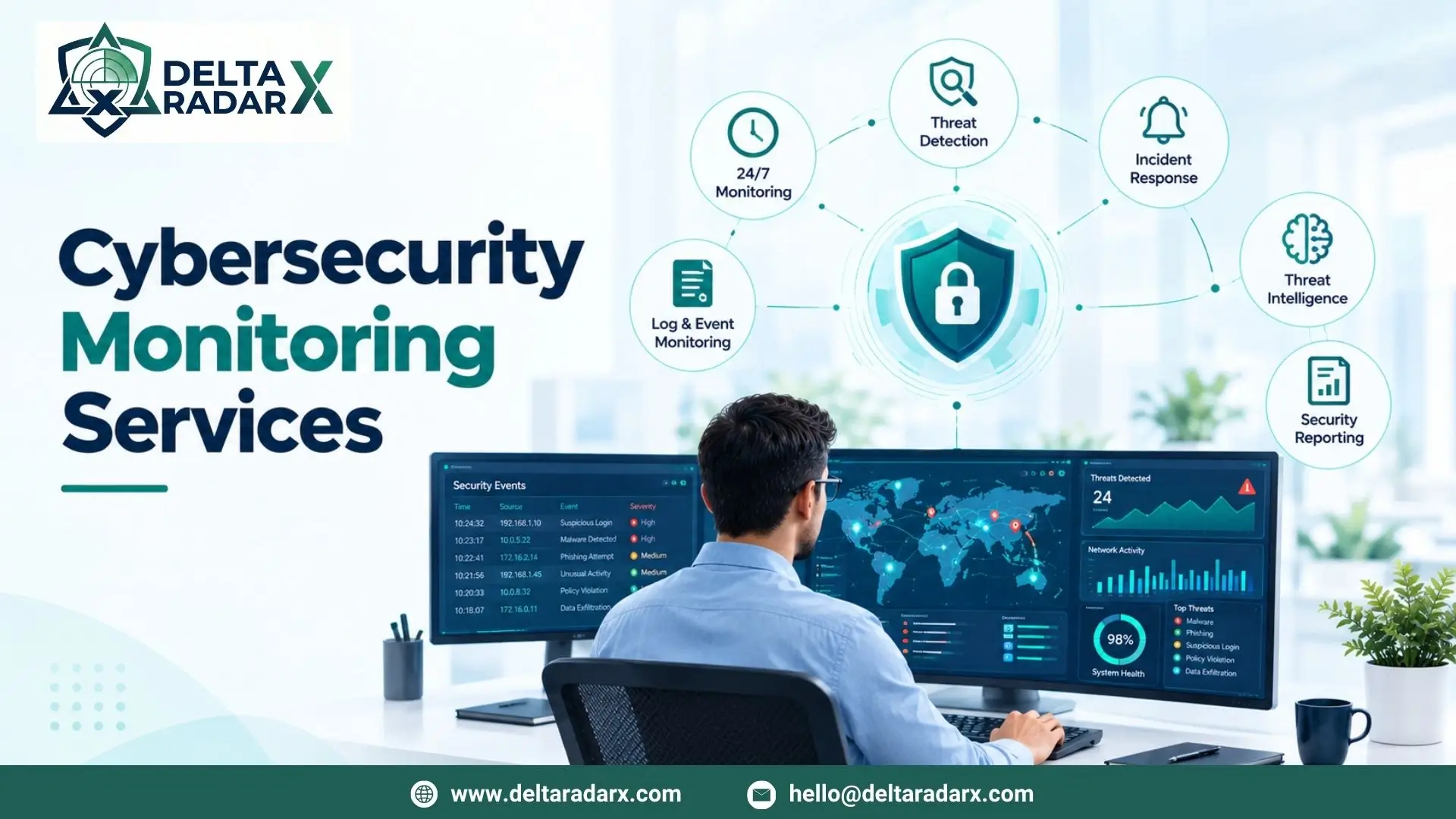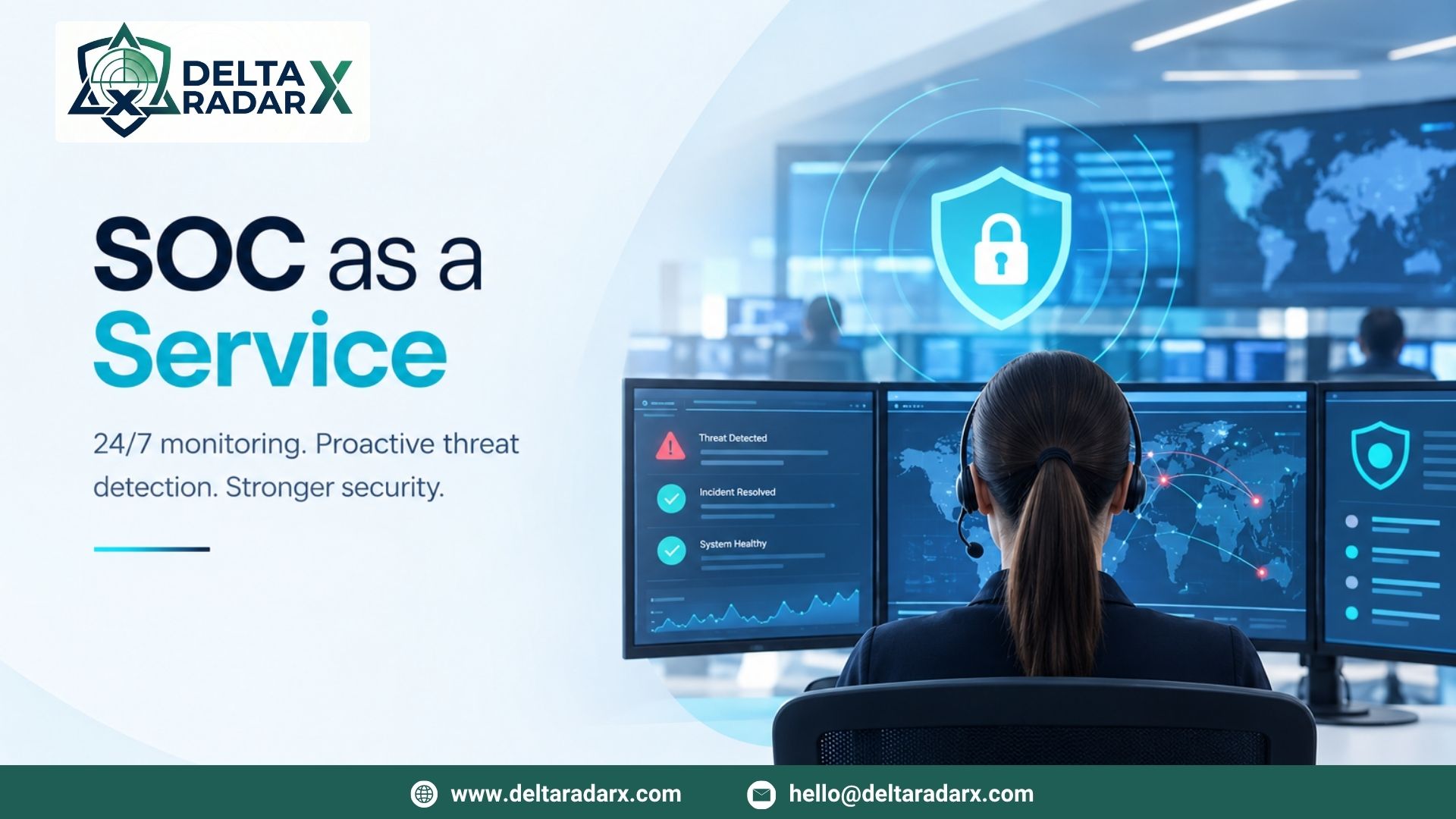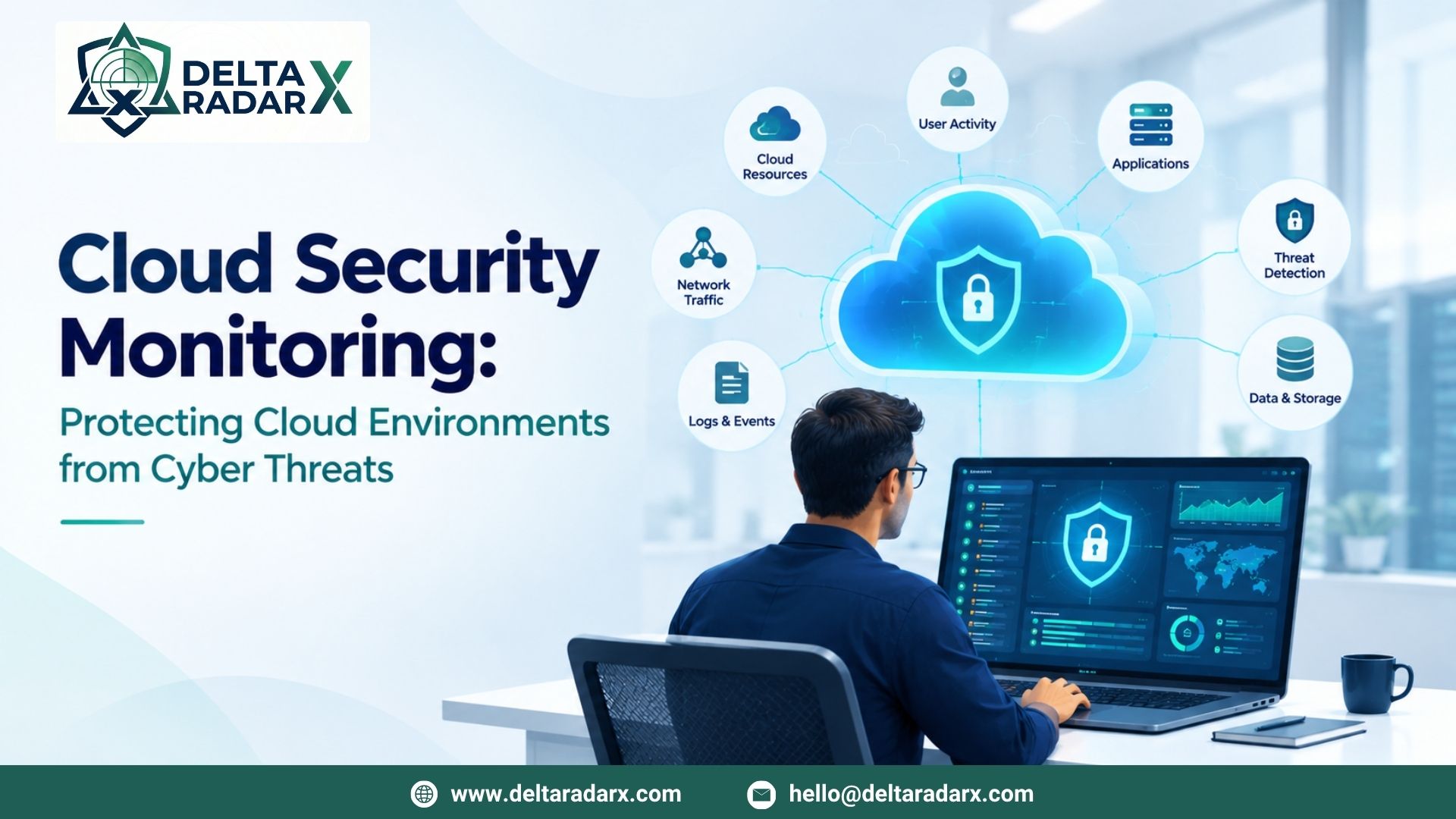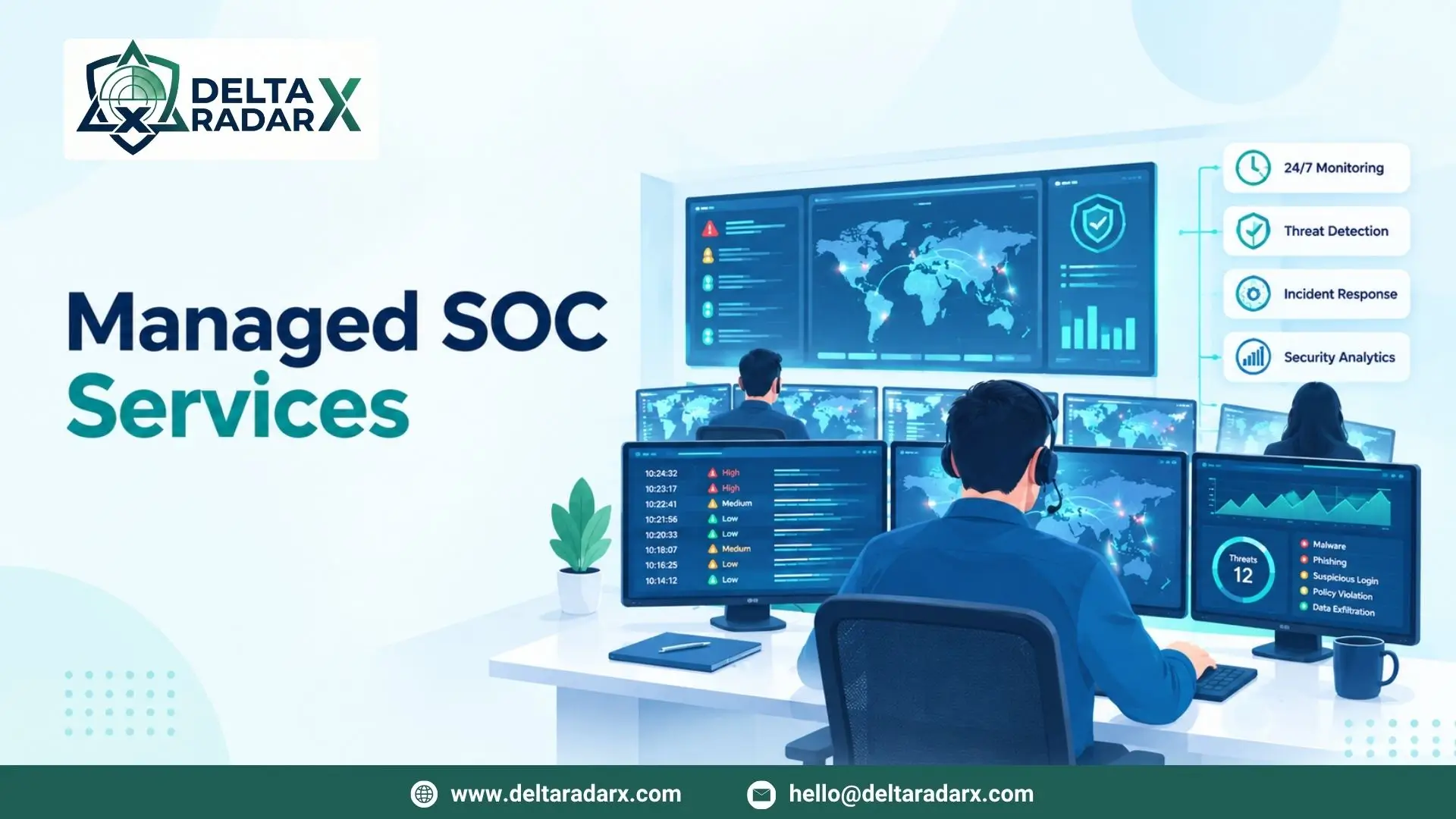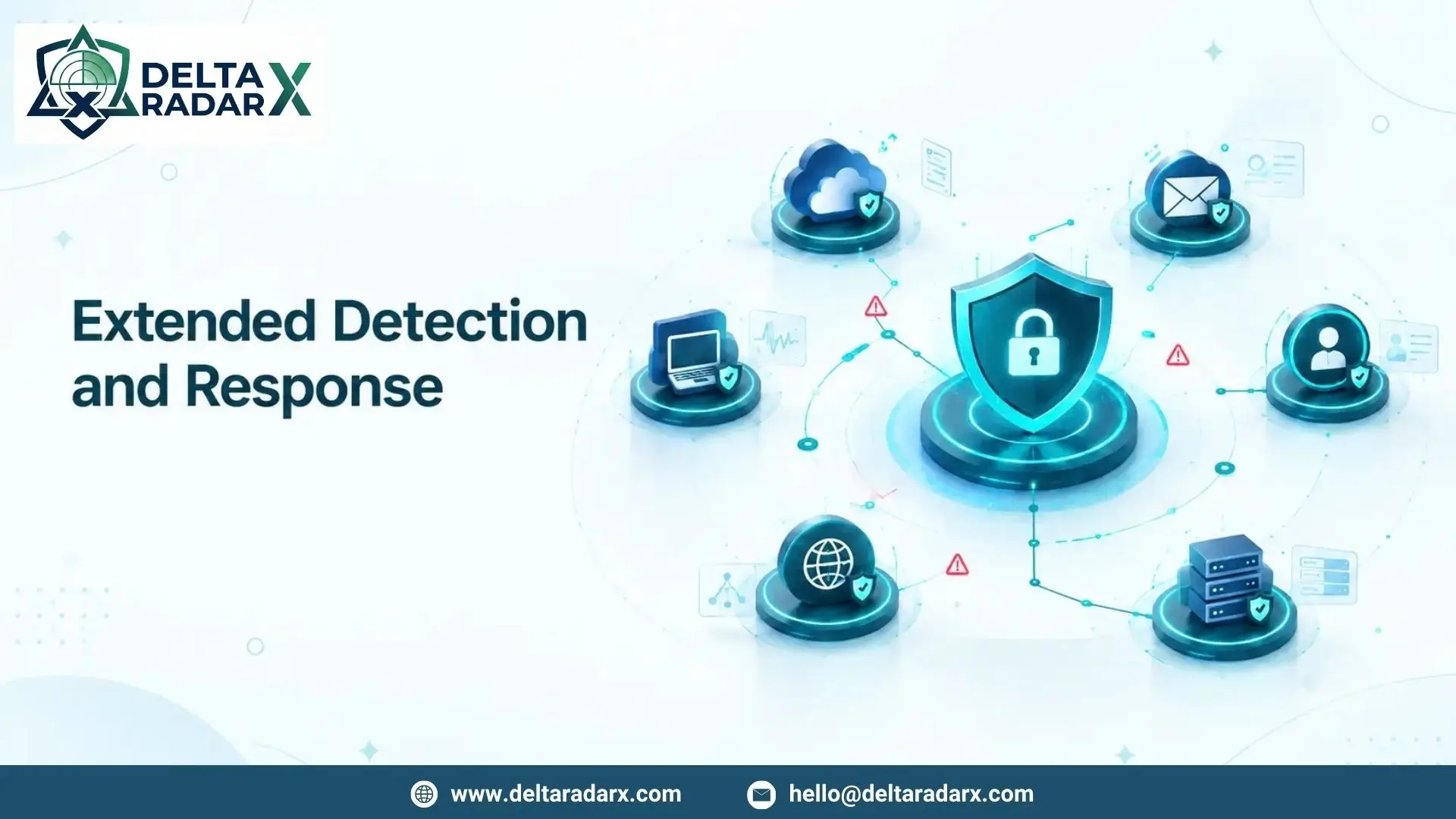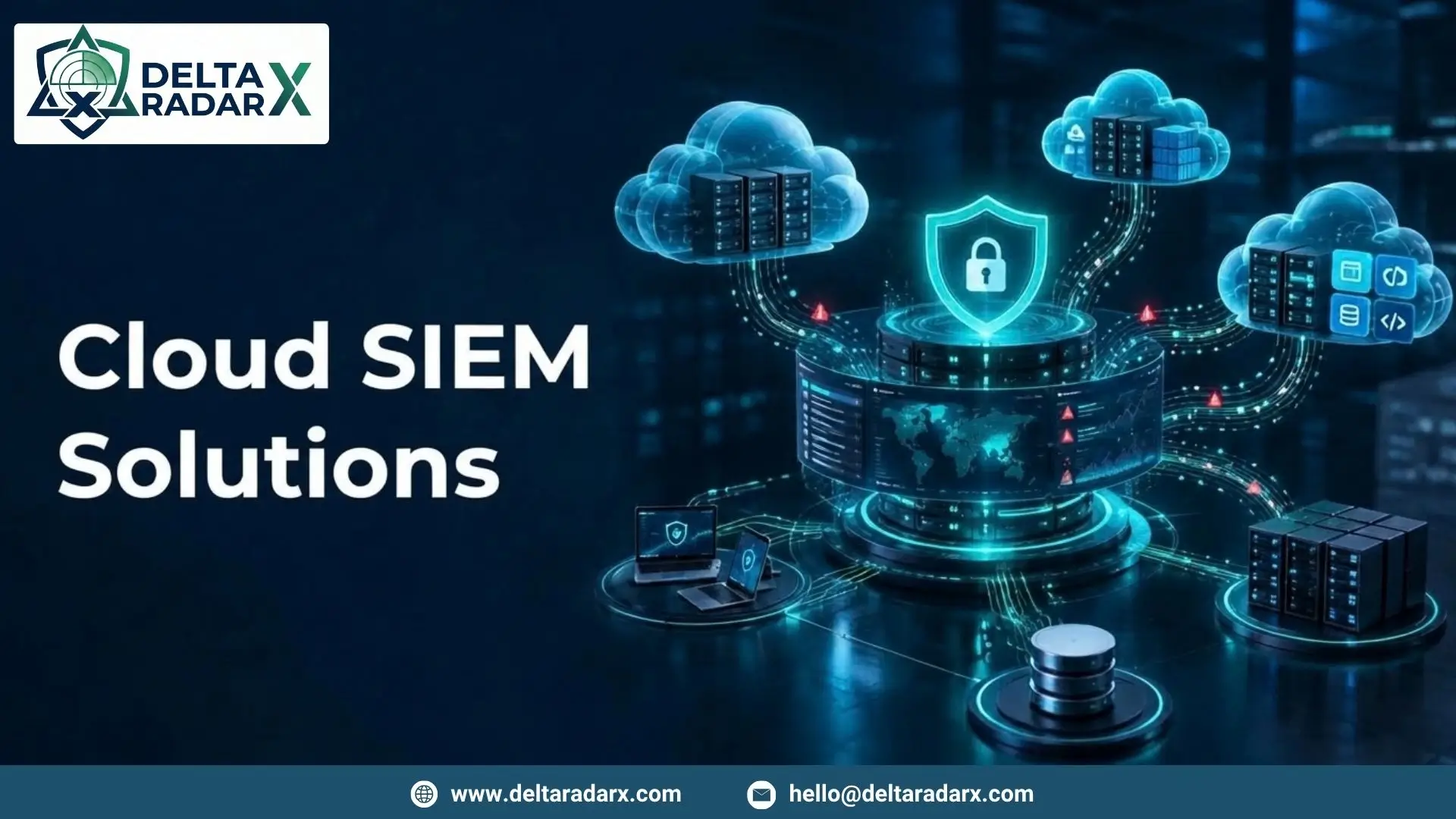

Cyber threats continue to evolve, making it essential for organizations to monitor their IT environments in real time. Security Event Monitoring Tools help businesses collect, analyze, and correlate security events from multiple systems, allowing security teams to detect suspicious activities before they become major incidents. By providing centralized visibility across networks, endpoints, servers, cloud environments, and applications, these tools play a vital role in modern cybersecurity strategies.
Organizations of all sizes rely on Security Event Monitoring Tools to improve threat detection, accelerate incident response, and maintain compliance with industry regulations. Whether deployed on-premises or in the cloud, these solutions provide continuous monitoring that helps reduce security risks and improve operational resilience.
How Security Event Monitoring Tools Work
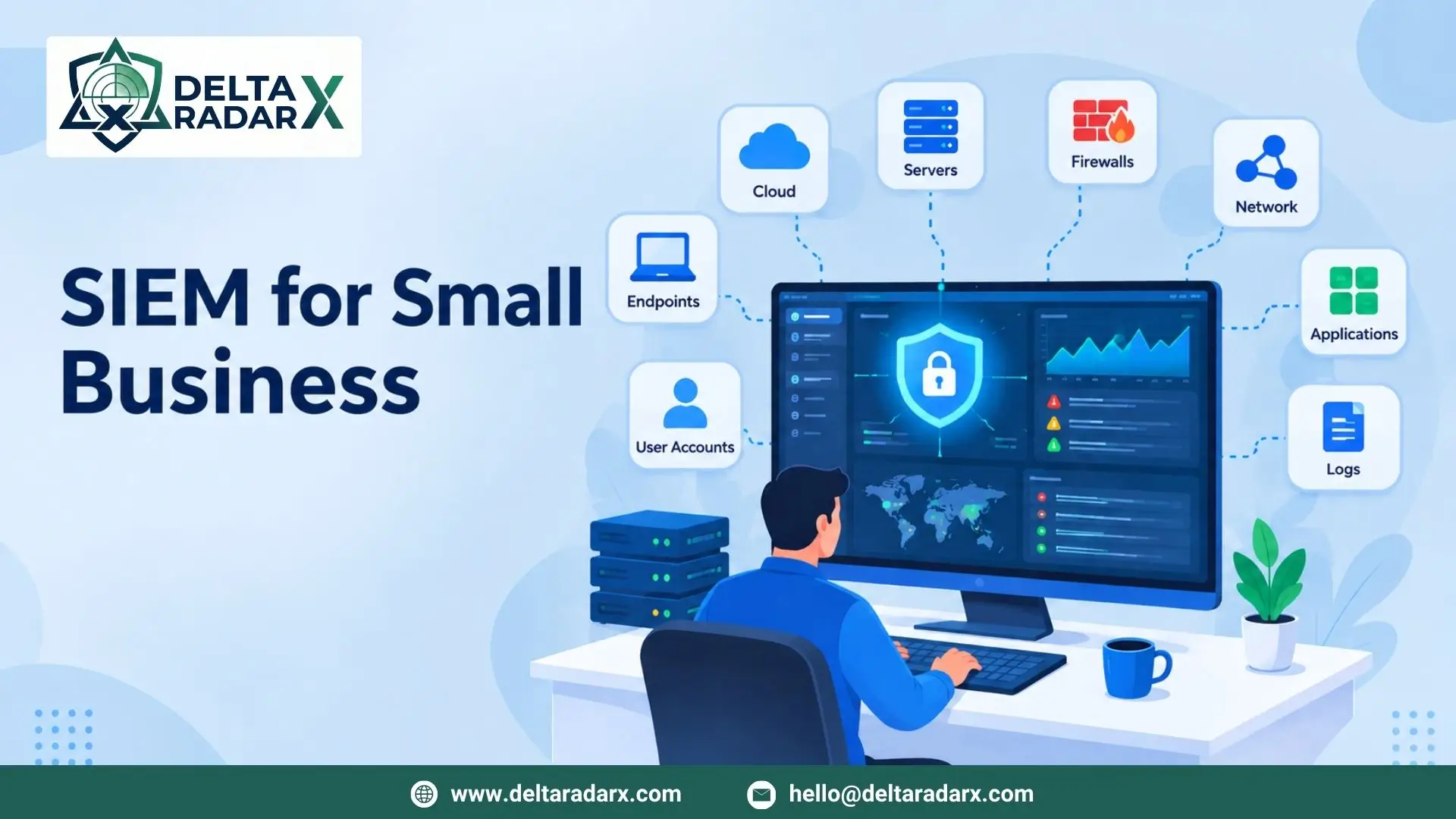
Security Event Monitoring Tools continuously collect logs and security events from firewalls, servers, endpoint devices, cloud platforms, identity management systems, and business applications. Advanced analytics and correlation rules process this information to identify unusual behavior that may indicate malicious activity.
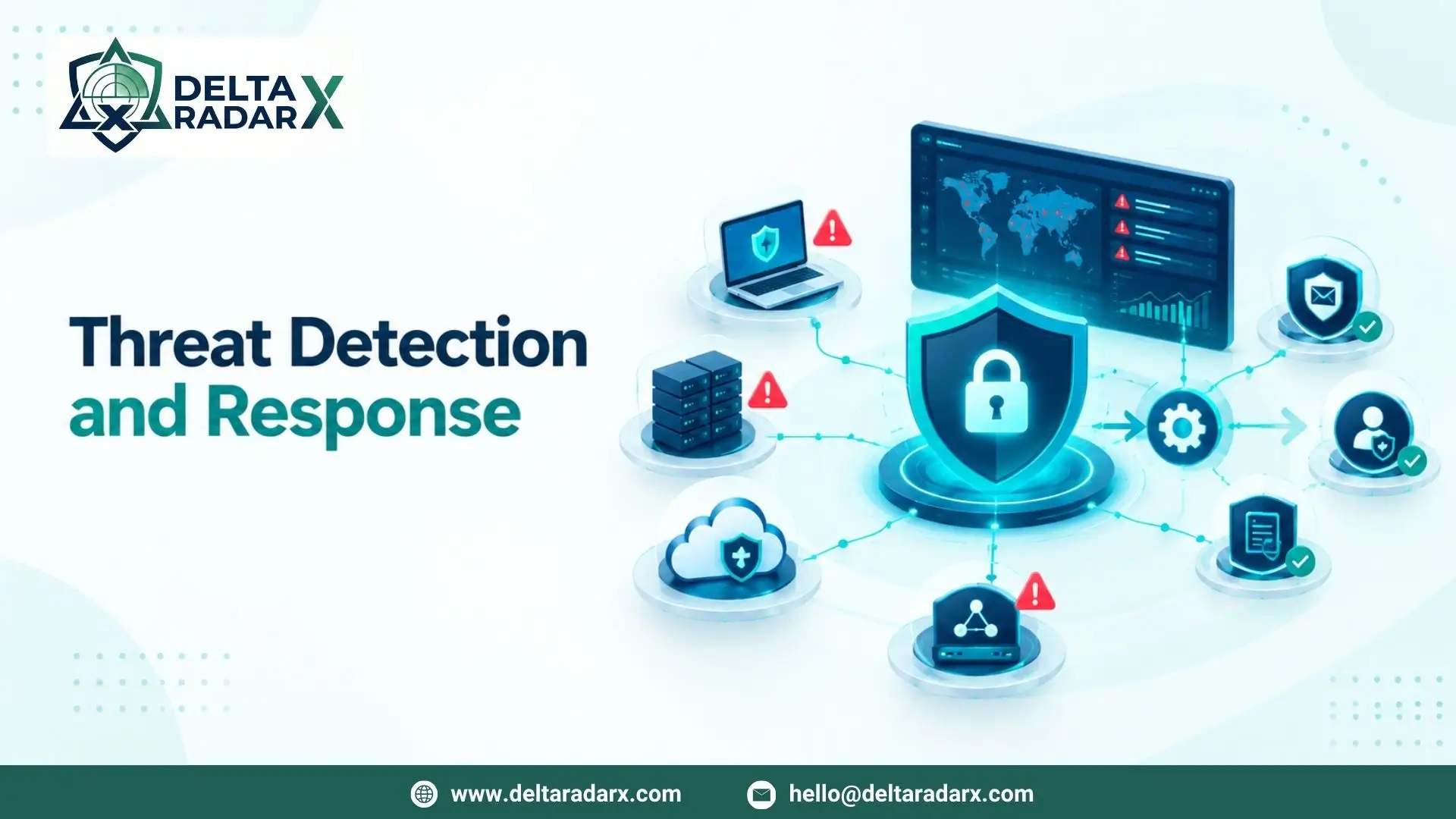
When suspicious events are detected, alerts are generated for security analysts to investigate. By analyzing events from multiple sources in one centralized platform, organizations gain better visibility into potential threats while reducing false positives and improving investigation efficiency.
Key Features to Look For
Modern Security Event Monitoring Tools provide much more than simple log collection. Essential capabilities include real-time alerting, automated event correlation, threat intelligence integration, customizable dashboards, compliance reporting, and scalable log management. Many platforms also support behavioral analytics and automated workflows that help security teams prioritize critical incidents while minimizing alert fatigue.
Selecting the right solution depends on factors such as organizational size, compliance requirements, infrastructure complexity, and available cybersecurity expertise.
Enhancing Security Operations
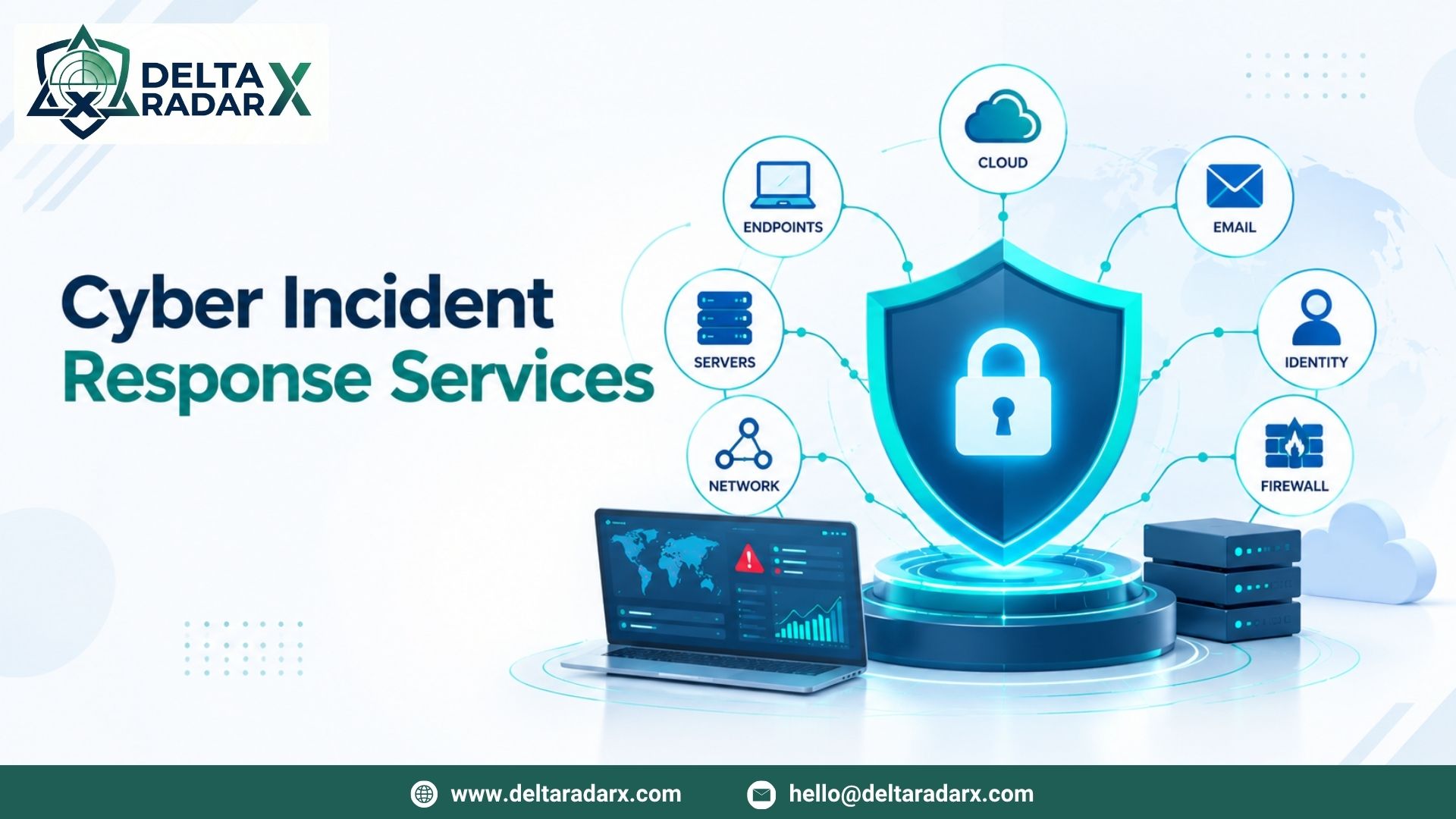
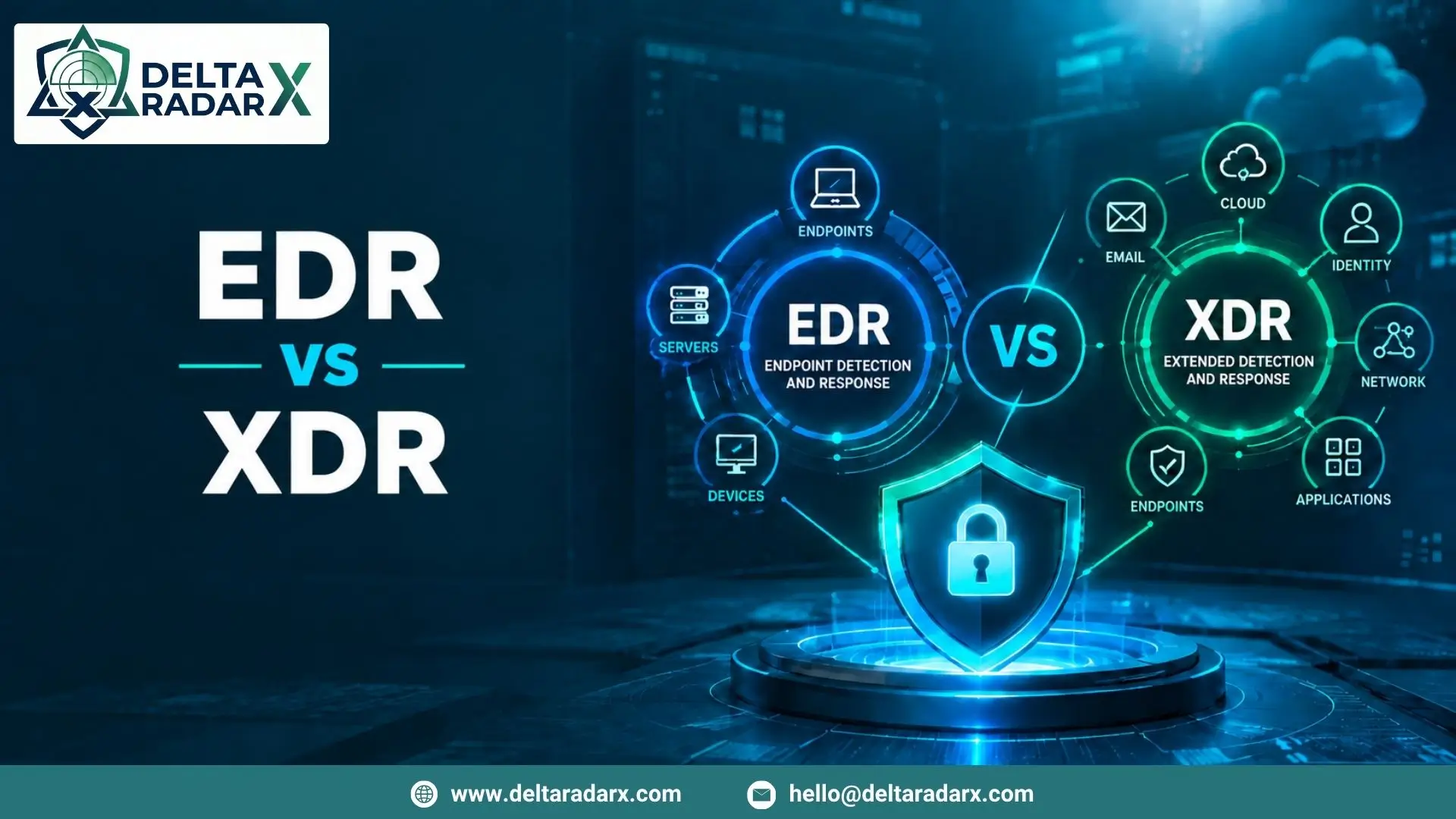
While Security Event Monitoring Tools provide powerful visibility, they deliver the greatest value when supported by experienced cybersecurity professionals. At DeltaRadarX, we strengthen enterprise security through 24/7 Security Operations Center (SOC) monitoring, real-time SIEM and log monitoring, Managed Detection and Response (MDR), incident handling, and proactive threat intelligence. Our security teams also utilize SOAR automation, Endpoint Detection and Response (EDR), network and firewall monitoring, continuous vulnerability assessments, compliance reporting aligned with international standards, and co-managed SOC support to help organizations detect, investigate, and respond to cyber threats with greater speed and accuracy.
Benefits for Businesses
Implementing Security Event Monitoring Tools enables organizations to improve visibility across their IT infrastructure while reducing the time required to detect and respond to cyber threats. Continuous monitoring minimizes the impact of security incidents, protects sensitive business data, and supports proactive risk management.
These tools also simplify compliance by maintaining centralized logs and generating detailed audit reports that support regulations such as GDPR, HIPAA, PCI DSS, NIST 800-53, and ISO 27001. As cyber threats continue to grow in sophistication, effective event monitoring becomes an essential component of a resilient cybersecurity strategy.
Related Cybersecurity Guides
Want to learn more about enterprise security monitoring? Read our What Is SIEM guide to understand how Security Information and Event Management works. You can also explore our Security Operations Center (SOC) Explained article to discover how security analysts monitor and respond to threats 24/7, or read our 24/7 Security Monitoring Services guide to see how continuous monitoring strengthens organizational cybersecurity.