A suspicious login, an unexpected network connection, or an unusual file change can be an early sign of a cyberattack. If no one investigates these events, a small security issue can become a serious business problem.
This is why businesses need a clear way to monitor their digital environments.
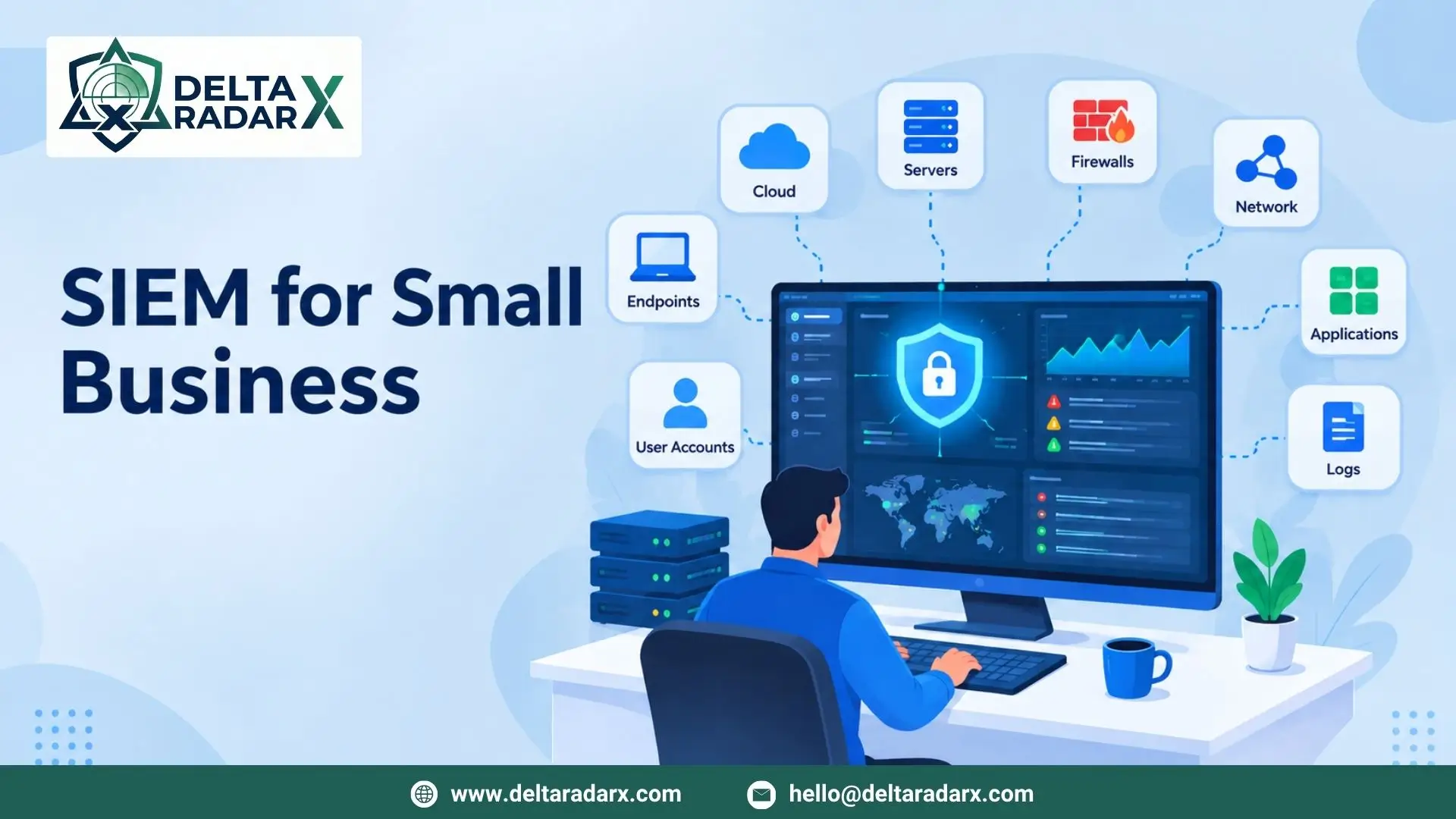
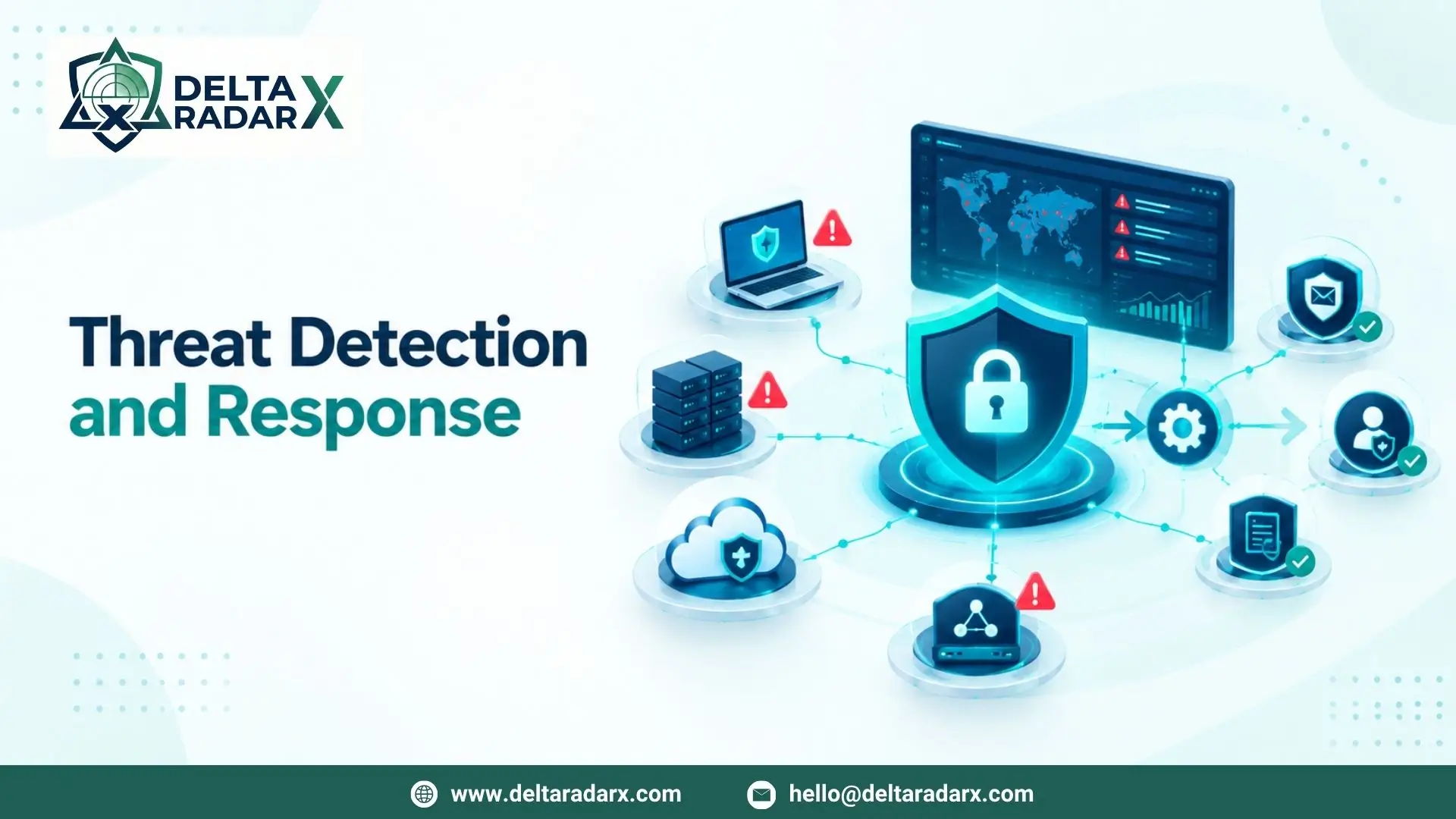
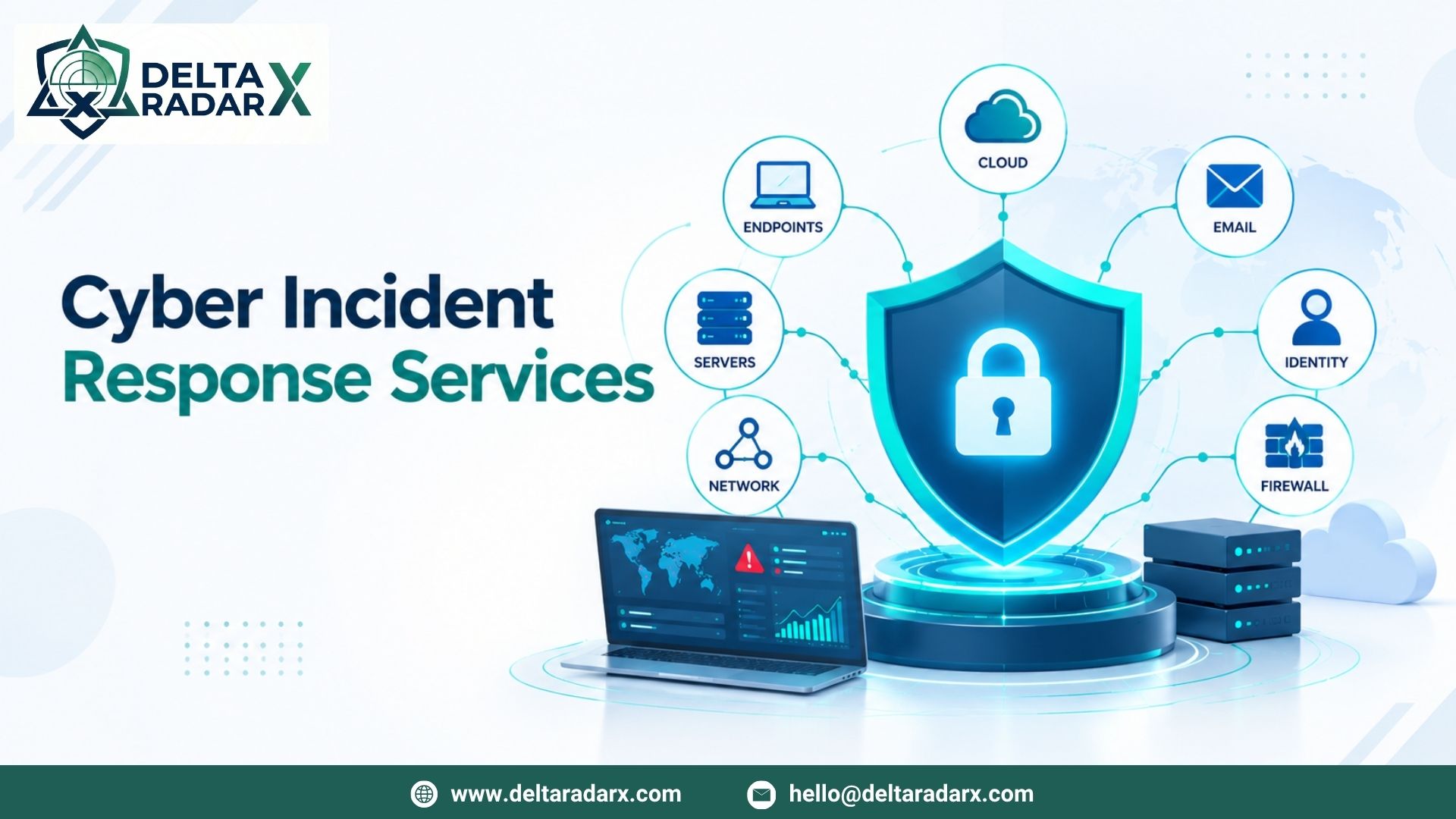
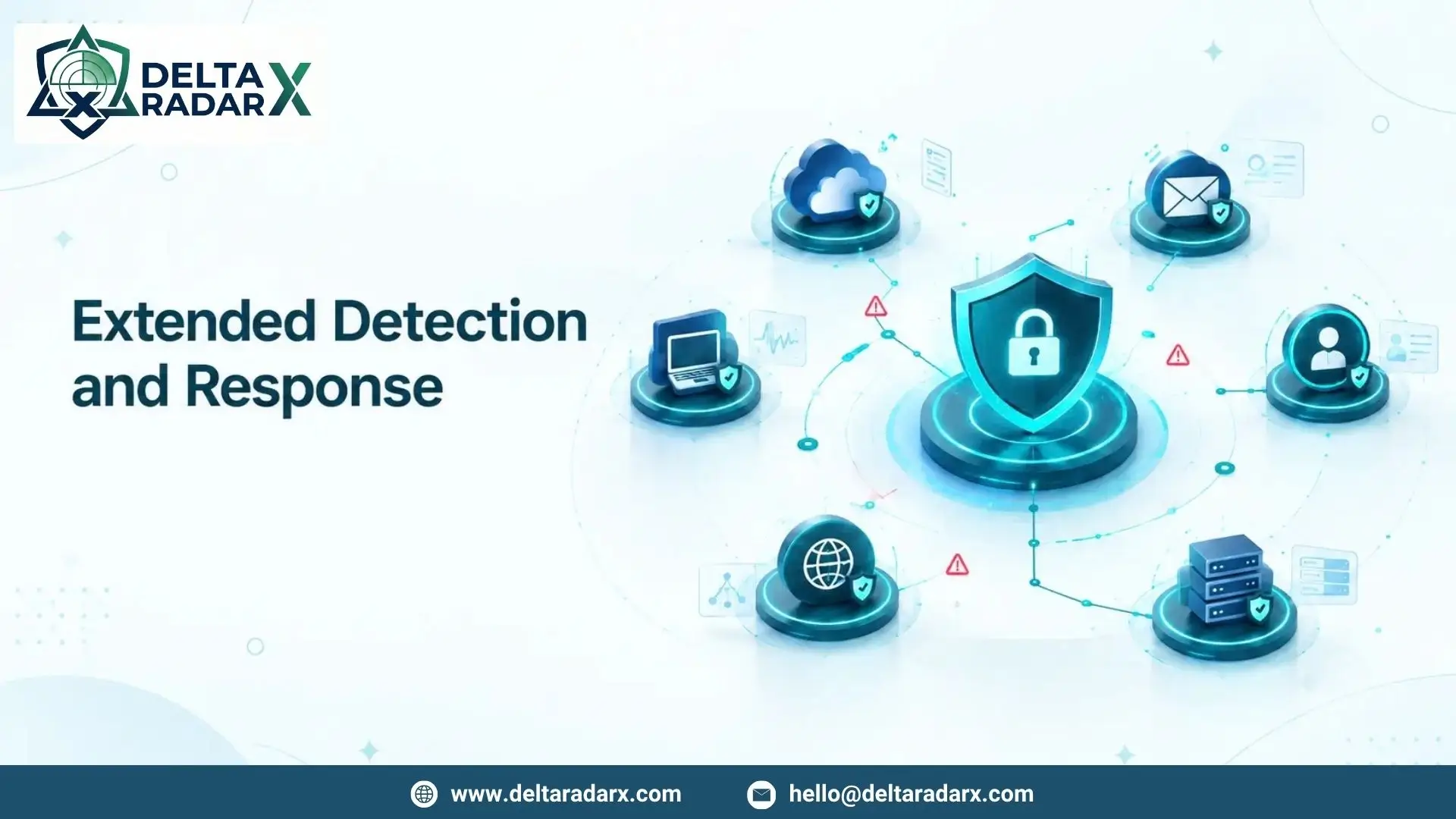
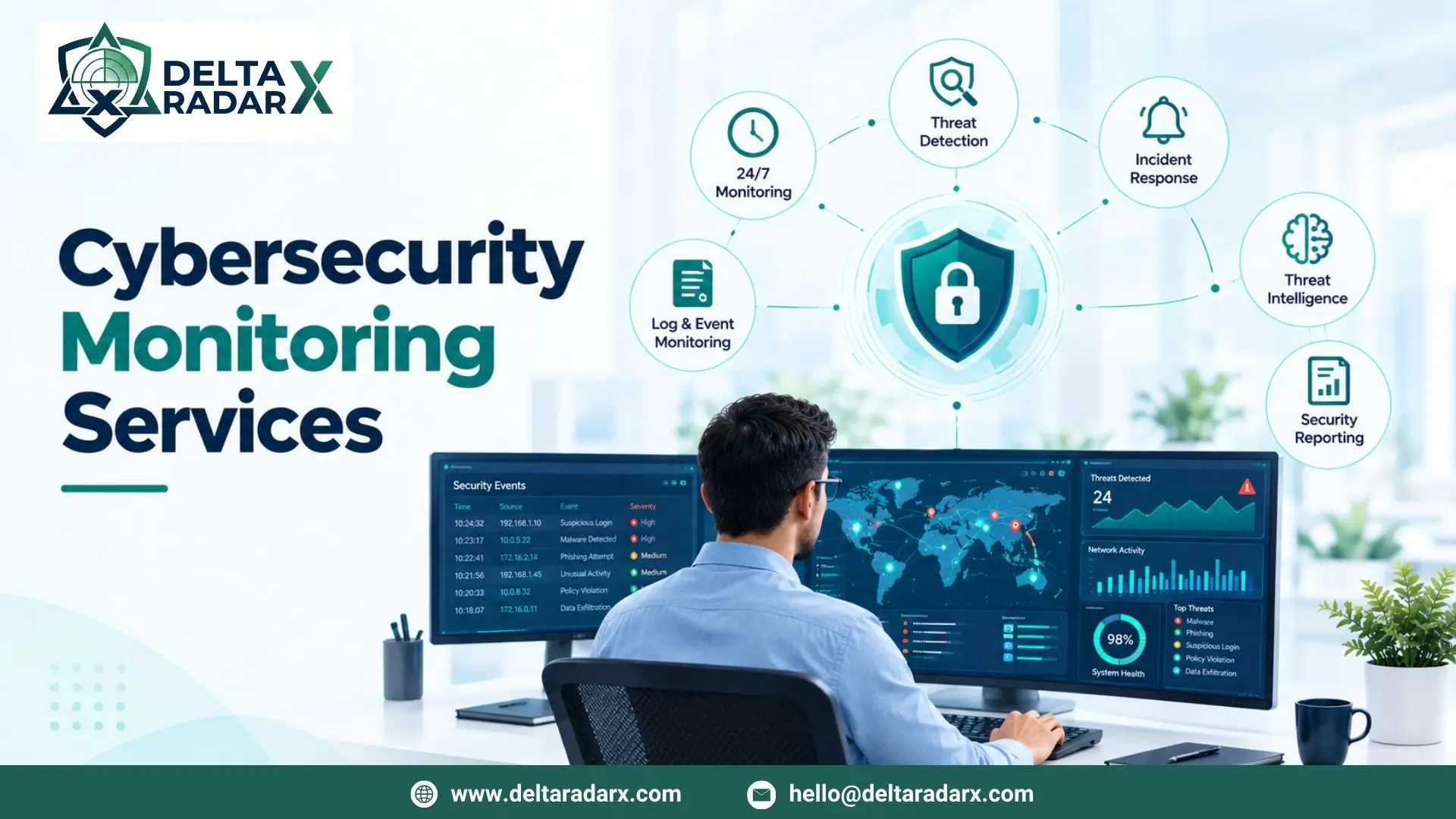
Cybersecurity monitoring services help organizations track security activity, identify potential threats, and investigate suspicious behavior. These services can cover endpoints, networks, cloud platforms, servers, applications, and user accounts.
For businesses with limited internal security resources, external monitoring support can also help maintain visibility beyond normal working hours.
What Does Continuous Security Monitoring Look Like in Practice?
Imagine an employee account suddenly generates several failed login attempts. A few minutes later, the same account accesses a sensitive business application from an unfamiliar location.
Each event may seem minor on its own. Together, they could indicate a compromised account.
A monitoring service can connect these events and alert the security team. Analysts can then review the login history, check related activity, and determine whether the account needs protection.
This process involves more than collecting logs. It requires useful detection rules, accurate analysis, and a clear process for handling alerts.
A typical monitoring workflow includes:
- Collecting security events from connected systems
- Detecting unusual activity
- Reviewing and prioritizing alerts
- Investigating possible threats
- Escalating confirmed incidents
- Documenting findings and response actions
The exact workflow depends on the service scope and the technologies involved.
Which Parts of Your Business Need Monitoring?
Effective monitoring starts with understanding where security risks can appear. Businesses should prioritize the systems that support important operations and store sensitive information.
Endpoints and Servers
Employee computers and business servers can reveal signs of malware, suspicious processes, unauthorized changes, and unusual connections.
Endpoint Detection and Response (EDR) tools provide detailed activity information. Security analysts can use this data to investigate possible attacks.
Networks and Firewalls
Network devices generate events about connections and traffic. Firewall logs can show blocked requests, unusual access attempts, and connections to suspicious destinations.
Monitoring these events can help security teams investigate potential intrusions.
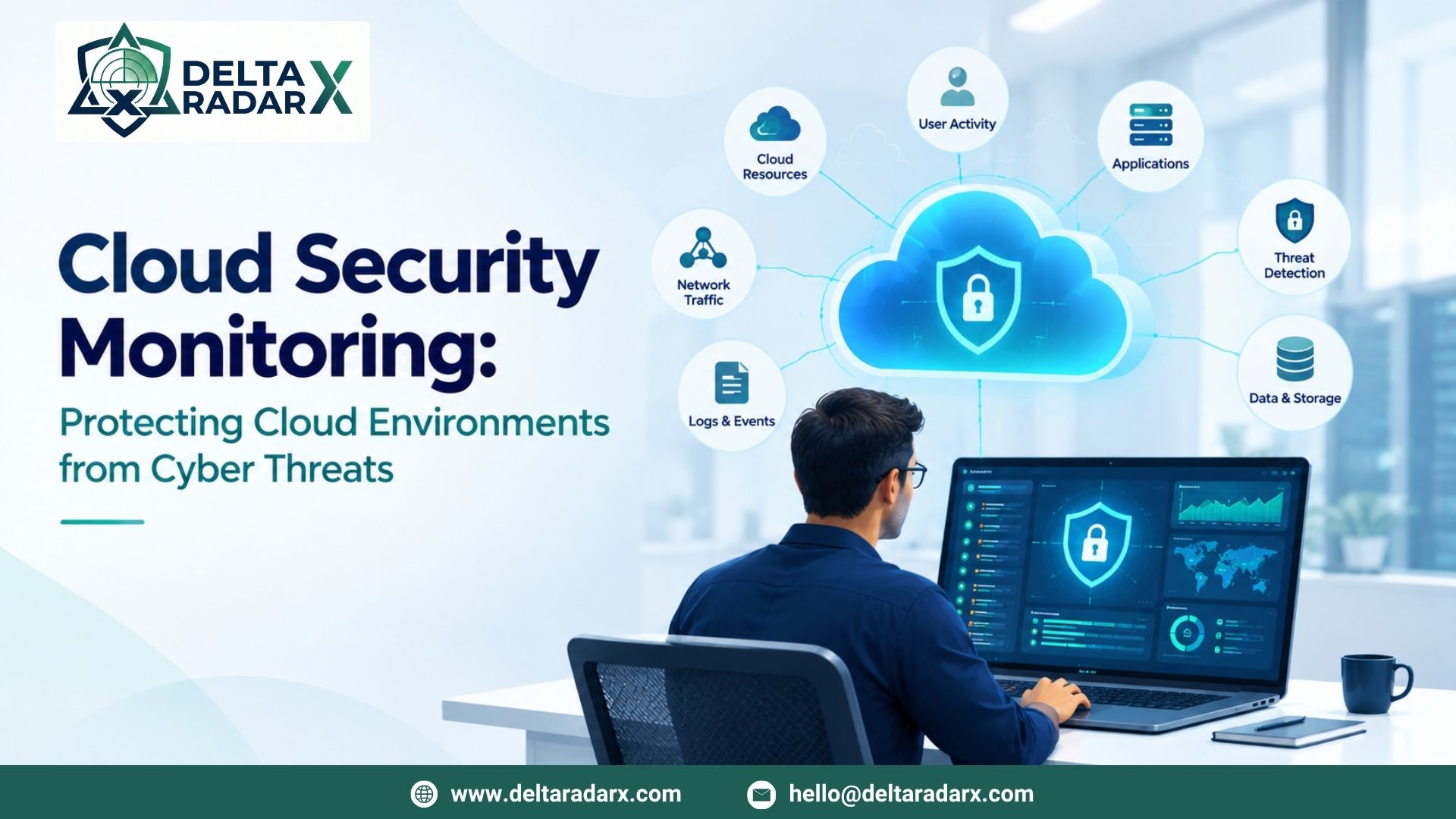
Cloud Platforms and Applications
Cloud environments generate activity across user accounts, workloads, storage, and APIs.
Monitoring this activity can help identify unusual access, unexpected configuration changes, and suspicious data transfers.
Businesses using multiple cloud services should ensure that relevant security events reach their monitoring platform.
User Accounts and Identity Systems
Compromised credentials can give attackers access to legitimate business systems.
Monitoring authentication events can help identify repeated login failures, unusual sign-ins, and unexpected permission changes.
Security Tools and Logs
Firewalls, antivirus software, EDR platforms, and cloud services all produce useful security information.
A central monitoring platform can bring these events together. This gives analysts more context when investigating an alert.
How Security Monitoring Helps Detect Cyber Threats
Cyberattacks rarely produce only one warning sign. Several events may need to be examined together to understand what is happening.
Suspicious Login Activity
Repeated login failures may indicate password guessing. A successful login after these attempts may need further investigation, especially if the account accesses unfamiliar resources.
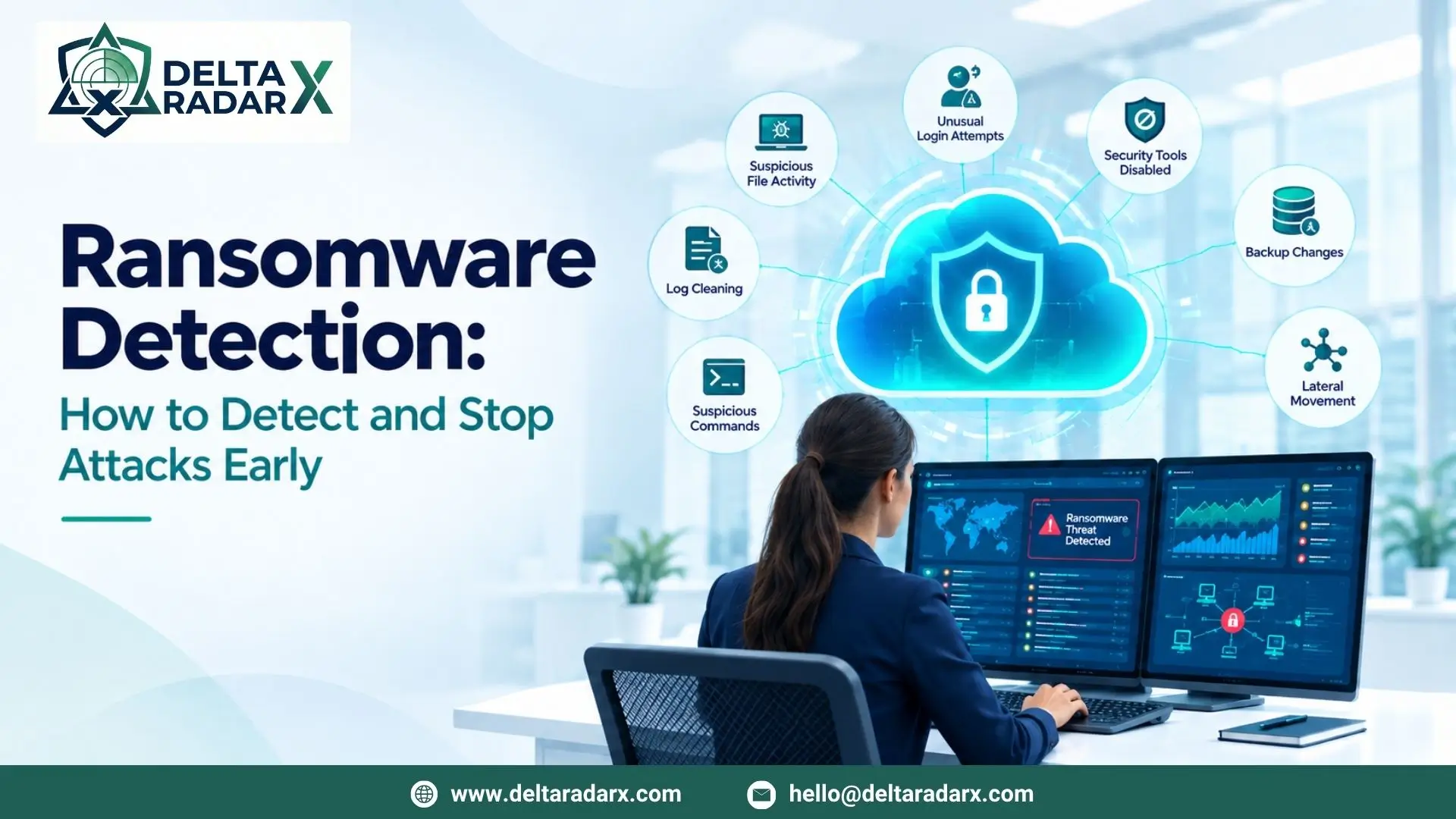
Malware and Ransomware Activity
Malware can create suspicious processes, modify files, or communicate with external systems.
Monitoring endpoint and network activity can help analysts identify these patterns. However, no monitoring service can guarantee that every attack will be detected.
Unauthorized Network Connections
Unexpected connections may indicate misconfigured systems, unauthorized access, or malicious activity.
Security analysts can review firewall logs and related events to assess the risk.
Data Access and Transfer
Unusual access to sensitive files or large data transfers may require investigation.
The context matters. Analysts should consider the user, resource, time, and normal business activity before deciding whether an event is suspicious.
Choosing the Right Cybersecurity Monitoring Services
Not every business needs the same level of monitoring. A company with a few cloud applications may have different requirements from an organization operating multiple offices, servers, and business-critical systems.
Before choosing a provider, evaluate the following areas.
Monitoring Coverage
Confirm which assets the provider will monitor. These may include endpoints, servers, cloud resources, firewalls, identity systems, and applications.
Ask whether the service includes continuous monitoring or coverage during specific hours.
Alert Investigation
Detection tools can generate false positives and low-priority alerts.
Ask how analysts validate alerts, prioritize incidents, and investigate related events. A useful service should provide context rather than simply forward every notification.
Incident Escalation and Response
Monitoring is only one part of security operations.
Find out how the provider handles serious incidents. Clarify who receives notifications, which response actions are included, and whether approval is required before systems or accounts are isolated.
Integration With Existing Tools
The service should work with your current security environment where possible.
Check support for SIEM, EDR, firewalls, cloud platforms, and identity systems. Good integration can improve visibility and reduce gaps between separate tools.
Reporting and Communication
Reports should explain important alerts, incidents, trends, and recommended actions in clear language.
Also, agree on reporting frequency and the process for discussing unresolved risks.
Scalability and Pricing
Costs can depend on the number of monitored assets, data volume, coverage hours, technologies, and response responsibilities.
Ask for a clear service scope before comparing prices. This helps avoid paying for features your business does not need or overlooking essential coverage.
In-House Monitoring or an External Service?
Businesses can monitor security internally, use an external provider, or combine both approaches.
An internal team offers direct control over daily operations. However, continuous monitoring may require dedicated staff, suitable technology, and documented processes.
An external service can provide additional expertise and monitoring capacity. The provider handles the activities defined in the agreement, while the business remains responsible for its systems, policies, and internal decisions.
A hybrid model can work well when an internal IT team understands the business environment but needs support with threat detection and investigation.
The right choice depends on available staff, risk exposure, budget, and the level of control required.
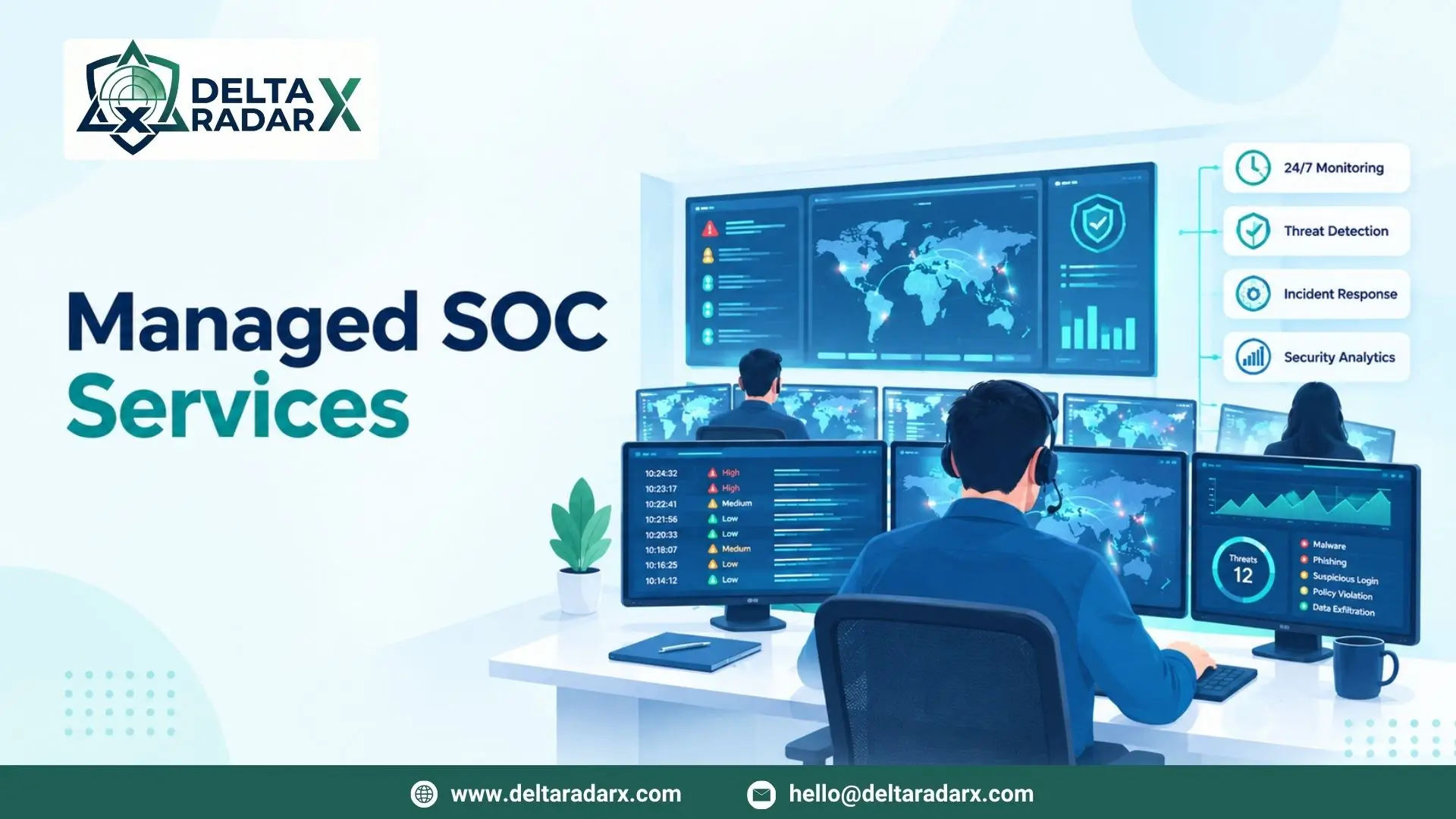
Businesses that need continuous security monitoring without building a full internal team can consider managed SOC services. These services provide access to security analysts who monitor alerts, investigate suspicious activity, and escalate potential threats according to agreed procedures. This approach can help internal IT teams manage security risks while focusing on daily business operations.
How SIEM and SOC Support Security Monitoring
Two important parts of many monitoring programs are SIEM technology and Security Operations Center services.
Security Information and Event Management (SIEM) collects and analyzes security events from different sources. It helps analysts search logs, correlate activity, and identify patterns that may indicate a threat.
A Security Operations Center (SOC) provides the people and processes used to monitor security events, investigate alerts, and coordinate incident handling.
These capabilities complement each other. SIEM provides centralized security data, while SOC analysts can use that data to investigate suspicious activity.
For businesses that need support outside regular working hours, managed SOC services may provide monitoring and escalation through an external security team.
What to Expect From a Managed Monitoring Provider
A managed monitoring service should have a clear operational process. Before onboarding, the provider and business should agree on the systems in scope, data sources, alert priorities, escalation contacts, and response responsibilities.
The onboarding process may include:
- Asset discovery: Identify critical systems and security tools.
- Log integration: Connect the relevant data sources.
- Detection configuration: Set rules based on business risks.
- Alert validation: Test whether important events generate useful alerts.
- Escalation planning: Define how incidents reach the right contacts.
- Ongoing improvement: Review alerts, reports, and detection rules regularly.
This process helps align monitoring with actual business needs.
Cybersecurity Monitoring Services at DeltaRadarX
DeltaRadarX provides security capabilities that can support organizations seeking broader monitoring and threat visibility. These include 24/7 SOC monitoring, real-time SIEM and log monitoring, Managed Detection and Response (MDR), EDR, incident handling, SOAR automation, firewall and network monitoring, vulnerability and asset exposure auditing, and compliance reporting.
These services can work together to support different stages of security operations. SIEM helps centralize security events, while EDR provides endpoint visibility. SOC monitoring and MDR can support alert investigation, threat detection, and response activities within the agreed service scope.
Businesses can assess these capabilities based on their existing tools, critical assets, and operational requirements.
Building a More Effective Monitoring Strategy
Buying security tools is not enough. Monitoring must be configured around the risks that matter to the business.
Start by identifying critical systems and the data they generate. Then decide which events require immediate attention and who will investigate them.
Review alert quality regularly. If a rule generates repeated false positives, adjust it. If important activity remains invisible, add the required data sources or improve detection logic.
Finally, test the incident escalation process. Everyone involved should know how to report a threat, who makes key decisions, and which response actions are authorized.
Cybersecurity monitoring services are most useful when technology, trained analysts, and clear response procedures work together. This approach helps businesses improve visibility, investigate suspicious activity, and make informed security decisions as their environments grow.