A security alert can appear at any time. It may involve a suspicious login, an unusual network connection, or a compromised employee account. The challenge is knowing which alerts need immediate attention.
For many businesses, this is difficult to manage internally. Security teams may have limited staff, multiple tools, and too many alerts to investigate. After business hours, suspicious activity may also go unnoticed if monitoring is limited.
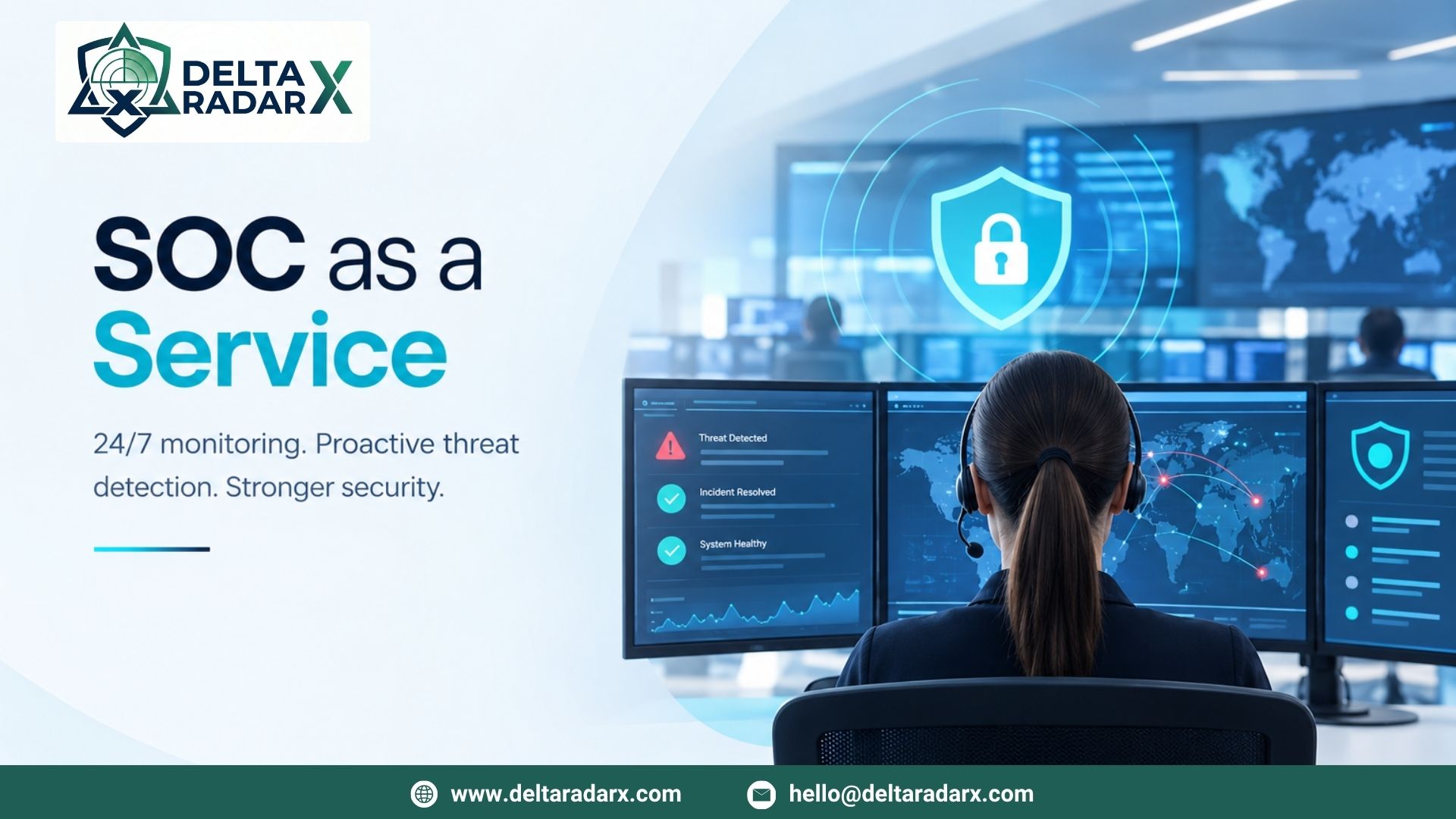
SOC as a Service offers another way to manage these challenges. It allows businesses to access security monitoring and operational expertise through an external provider. Instead of building every part of a Security Operations Center internally, they can use an existing security team and its monitoring capabilities.
This model can help businesses maintain security visibility while keeping their internal teams focused on core operations.
Why Businesses Are Rethinking Their Security Operations
Traditional security management often depends on internal IT staff. They maintain systems, manage access, install updates, and respond to technical issues.
However, cybersecurity requires a different level of attention.
Security incidents can develop outside normal working hours. Attackers may also move between accounts, endpoints, and network resources. Therefore, reviewing isolated alerts is not always enough.
Building an internal Security Operations Center can address these needs. However, it may require dedicated analysts, security platforms, established processes, and continuous staffing.
SOC as a Service offers an alternative. Businesses can obtain security operations support without managing every part of the operation themselves.
What Does SOC as a Service Actually Include?
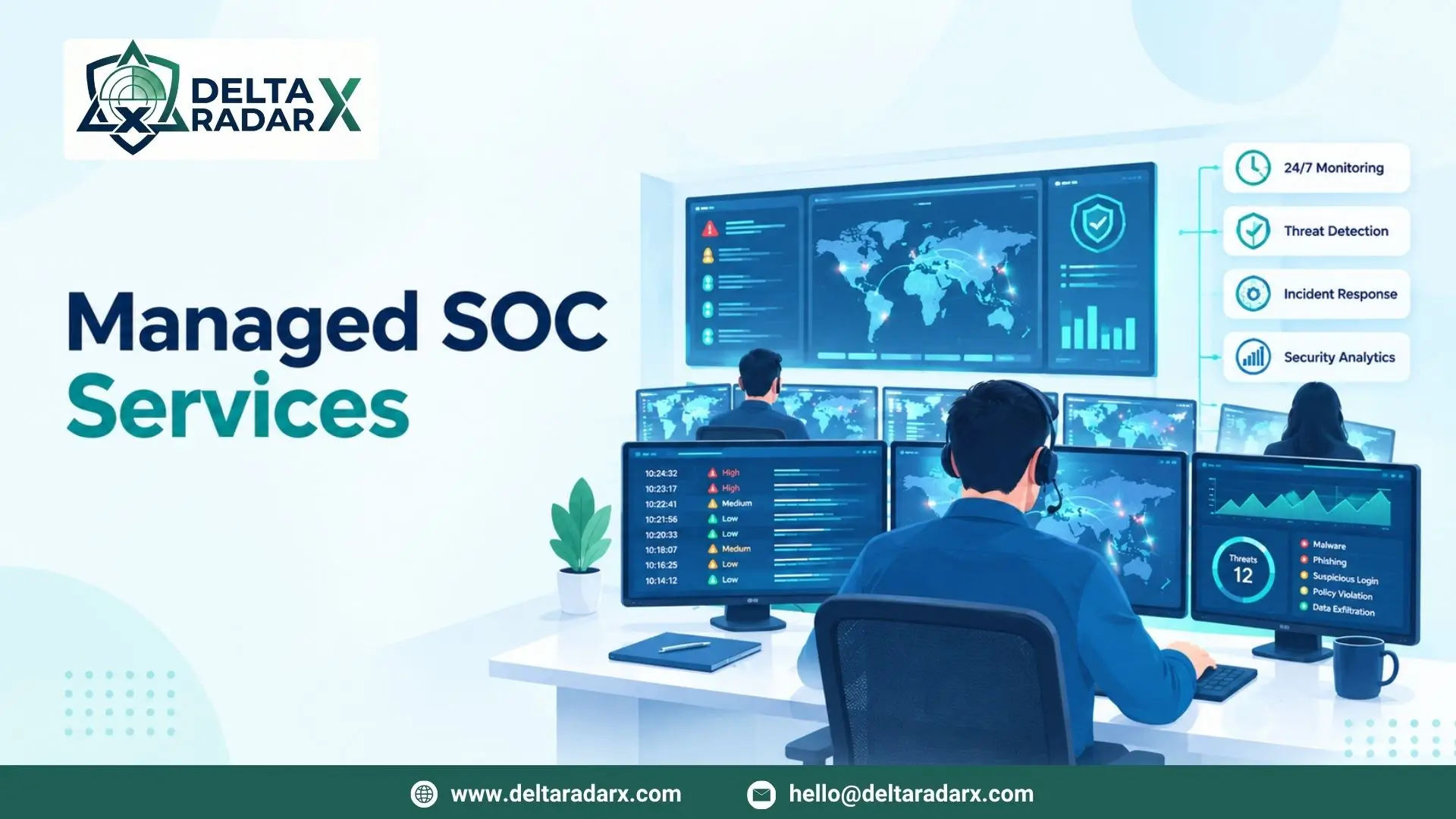
SOC as a Service delivers Security Operations Center capabilities through an external security provider. The provider monitors agreed systems and helps investigate suspicious activity.
The exact scope depends on the service agreement. However, the service may cover several operational areas.
Security Event Monitoring
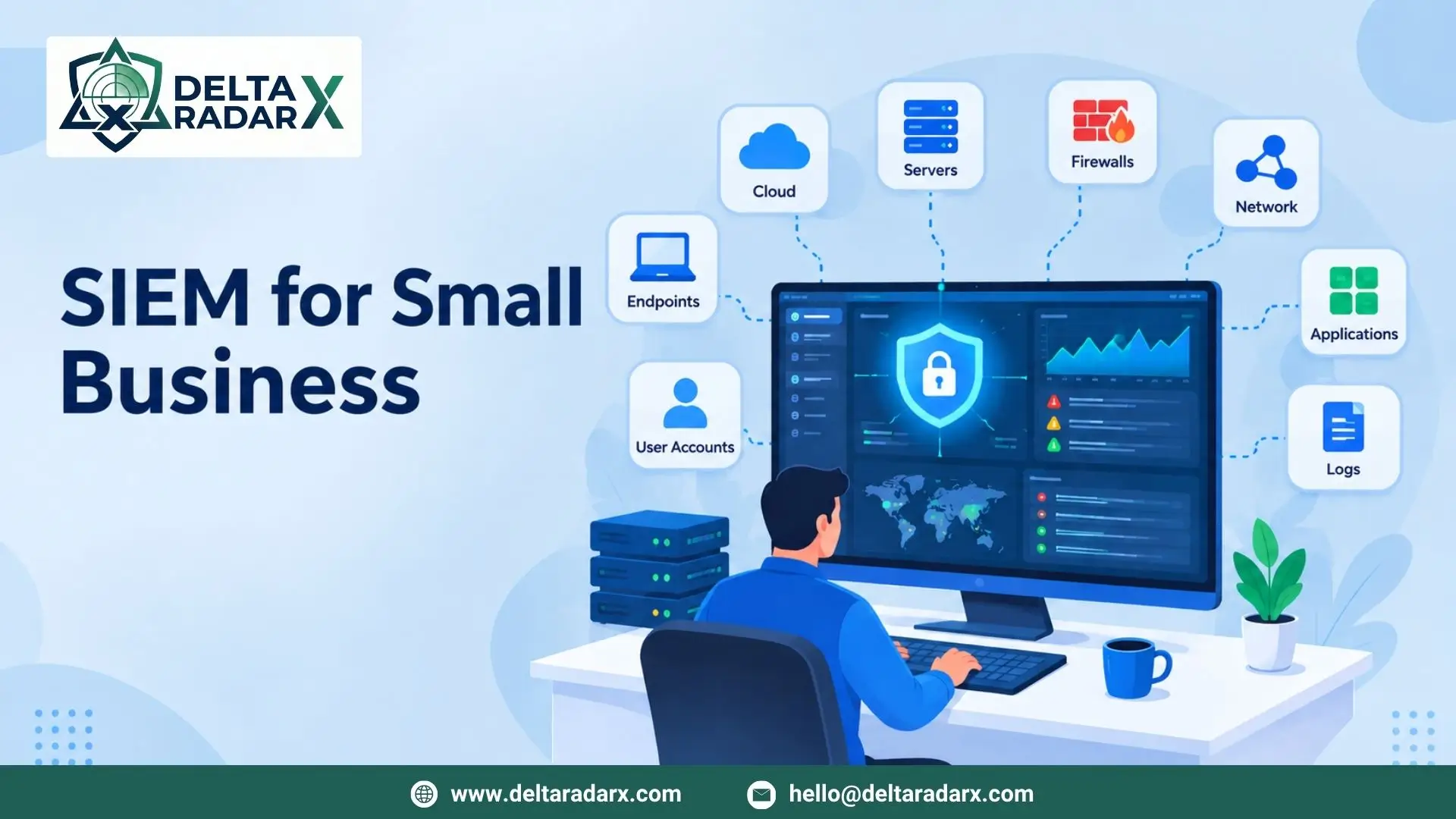
The provider monitors security events from connected systems. These may include firewalls, endpoints, servers, cloud platforms, and business applications.
Centralized monitoring helps analysts identify activity that requires attention.
Alert Triage and Investigation
Security tools can generate many alerts. Some indicate genuine threats, while others may be harmless.
Analysts review alerts and examine related events. They then determine the severity and whether further investigation is necessary.
Threat Detection
Monitoring rules and security analytics help identify suspicious behavior.
For example, repeated login failures followed by an unusual successful login may indicate a compromised account. Reviewing both events together provides more context.
Incident Escalation
When analysts identify a serious threat, they notify the appropriate contacts according to agreed procedures.
The escalation process should define who receives the alert, how quickly they are notified, and what information they receive.
Reporting and Security Insights
The provider may supply reports covering alerts, incidents, recurring threats, and monitoring activity.
These reports help businesses understand their security posture and identify areas that need attention.
What Happens When a Security Alert Appears?
Consider a business that notices unusual activity in an employee account.
The employee normally accesses a small number of business applications. Suddenly, the account attempts multiple logins and accesses an unfamiliar resource.
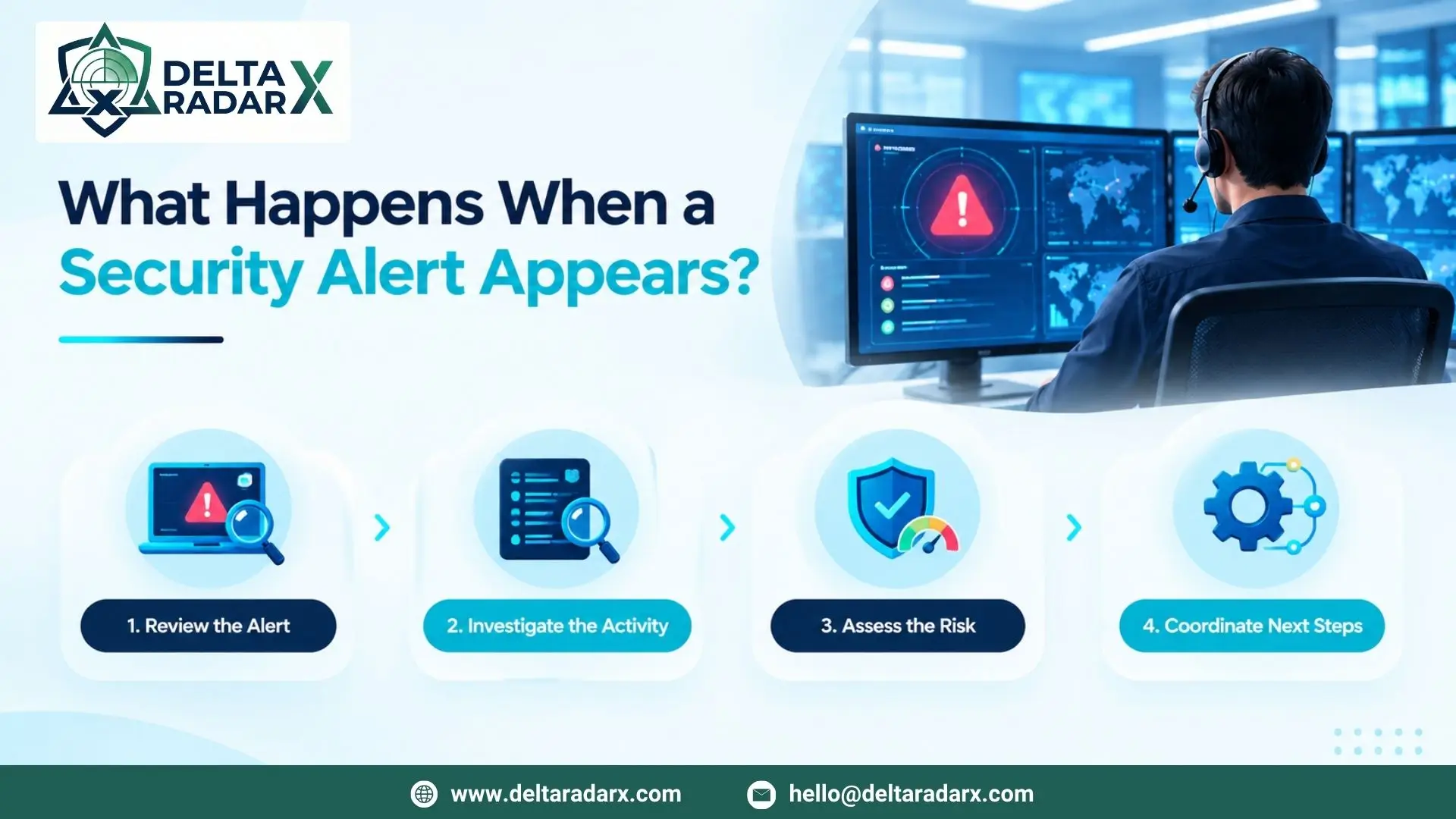
A SOC service can help manage the investigation through a defined workflow.
First, analysts review the alert. They check the login history, timestamps, source information, and related events.
Next, they investigate the activity. They look for other suspicious actions involving the same account or device.
Then, they assess the risk. They determine whether the activity appears legitimate or requires incident escalation.
Finally, they coordinate the next steps. Depending on the service agreement, this may involve disabling the account, restricting access, or supporting further incident response.
This process provides a clearer path from detection to action. It also helps prevent important alerts from being lost among routine events.
SOC as a Service vs Building an Internal SOC
Choosing between an internal SOC and an external service depends on business requirements.
An internal SOC gives an organization direct control over its security staff, processes, and monitoring environment. However, the business must recruit and manage the team and maintain its operational capabilities.
With SOC as a Service, an external provider supplies agreed security operations capabilities. The business still needs to define its requirements, provide appropriate access, and establish escalation procedures.
| Consideration | Internal SOC | SOC as a Service |
|---|---|---|
| Staffing | The business hires and manages analysts | The provider supplies the agreed team |
| Monitoring operations | Managed internally | Managed by the external provider |
| Technology | Selected and maintained internally | Depends on the provider and service agreement |
| Operational control | Direct internal control | Shared according to agreed responsibilities |
| Scaling | May require additional hiring and resources | May allow capacity to scale through the provider |
| Internal workload | Greater responsibility for daily operations | Some monitoring work shifts to the provider |
Neither model suits every organization. Some businesses also use a hybrid approach, combining internal security staff with external monitoring and investigation support.
How SOC as a Service Works With Existing Security Tools
A SOC service does not necessarily replace a company’s current security products. Instead, it can connect them through an agreed monitoring process.
SIEM for Centralized Security Events
A Security Information and Event Management platform collects and correlates logs from different sources.
SOC analysts can use this information to investigate suspicious patterns across systems. Businesses can also improve visibility through SIEM integration with relevant security tools and infrastructure.
EDR for Endpoint Visibility
Endpoint Detection and Response tools monitor computers and servers.
They can provide information about suspicious processes, files, and network connections. SOC analysts can use these details to investigate possible endpoint attacks.
Firewall and Network Monitoring
Firewalls and network devices generate events about connections and traffic.
Reviewing these events can help analysts identify unusual communication, blocked connection attempts, and other suspicious patterns.
Threat Intelligence and Automation
Threat intelligence provides information about known malicious indicators and attack techniques.
Automation can also support repetitive tasks, such as enriching alerts with additional information or triggering approved response workflows. However, automated actions should be configured carefully to avoid disrupting legitimate business activity.
Which Businesses Can Use SOC as a Service?
SOC as a Service is not limited to large enterprises. It can support organizations with different sizes and security requirements.
Small and Medium-Sized Businesses
Smaller companies may not have enough staff to investigate security alerts throughout the day and night.
An external SOC can provide additional monitoring expertise without requiring the company to establish a complete internal operation.
Growing Technology Companies
Technology businesses may operate cloud services, remote endpoints, customer applications, and development environments.
As these systems expand, centralized security monitoring can help maintain visibility across the environment.
Organizations With Remote Employees
Remote teams often access business systems from different locations and devices.
A SOC service can monitor relevant authentication events, endpoint alerts, and network activity to help identify unusual behavior.
Businesses With Compliance Requirements
Some organizations need to maintain security records and demonstrate monitoring activities.
A SOC service may support these needs through logging, incident documentation, and reporting. However, using a provider does not automatically make a business compliant. The service must match the organization’s specific obligations.
What Should You Check Before Choosing a Provider?
A SOC provider should fit your operational needs, not simply offer a long list of security tools.
Before selecting a service, review the following areas.
Monitoring Coverage
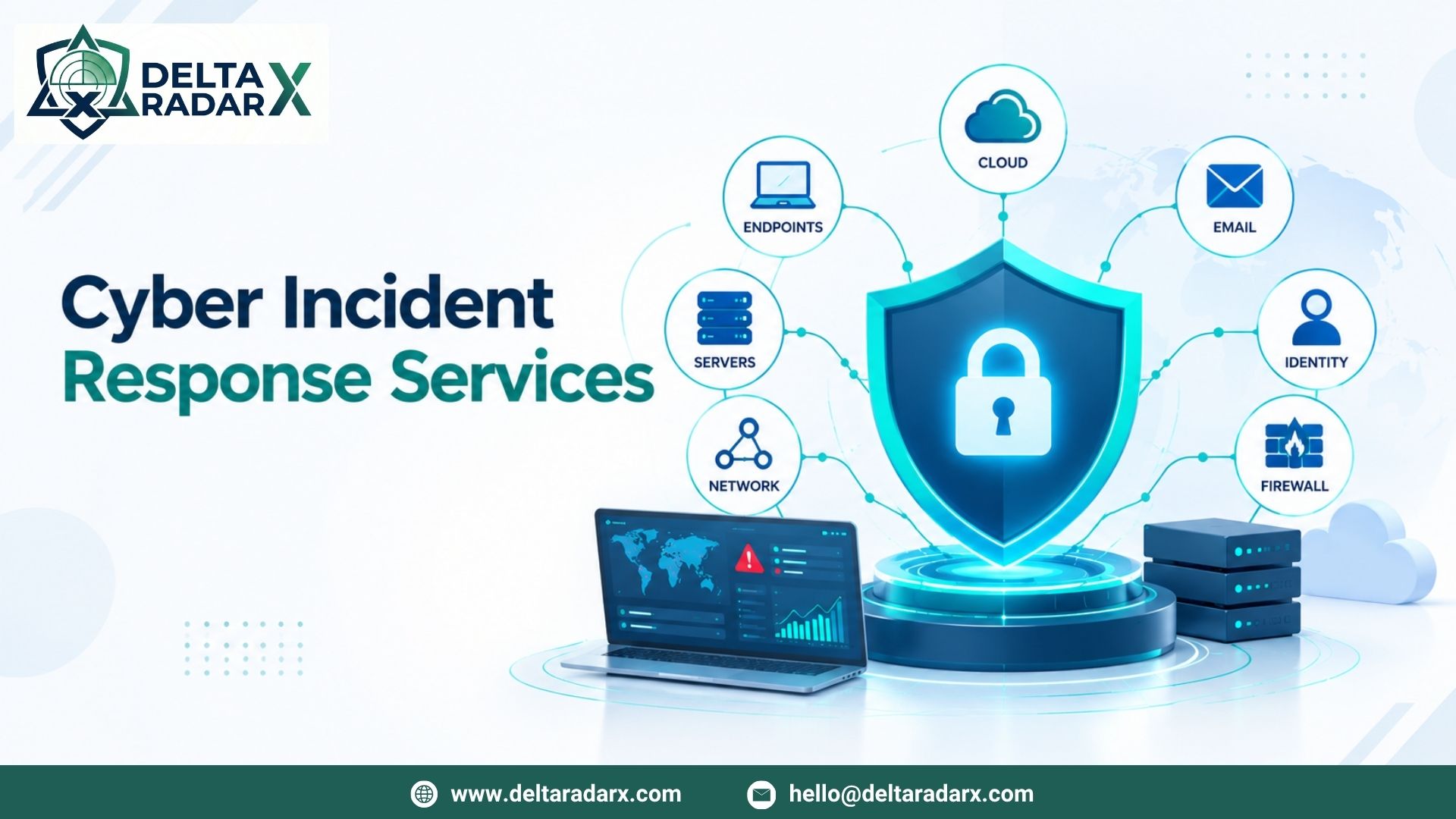
Ask which systems the provider will monitor. Confirm whether coverage includes endpoints, firewalls, cloud services, identity systems, and critical applications.
Also, check whether monitoring operates 24/7 or follows a specific schedule.
Investigation and Response Responsibilities
Detection and response are not always included at the same level.
Some services focus on alert monitoring and escalation. Others may include active containment and incident response.
Clarify which actions the provider can take independently and which require your approval.
Escalation Times
Ask how the provider classifies incidents and notifies your team.
The agreement should explain escalation channels, response expectations, and responsibilities during serious incidents.
Integration With Existing Systems
Check whether the service supports your current security tools.
Also, establish how logs will be collected, what access the provider needs, and how sensitive data will be handled.
Reporting and Communication
Reports should explain important incidents and relevant trends in clear language.
Your team should understand what happened, which systems were affected, and what action is required.
Service Scope and Costs
Pricing can depend on monitored assets, data volume, coverage hours, technology requirements, and response responsibilities.
Ask for a clear description of included services and possible additional charges before making a commitment.
Common Challenges and How to Address Them
Outsourcing security operations can reduce some internal workload. However, it does not remove every cybersecurity challenge.
Incomplete log collection can limit detection. Businesses should identify critical data sources and verify that the provider receives the required events.
Excessive alerts can make investigations less efficient. Detection rules should be reviewed and adjusted to reduce unnecessary noise.
Unclear responsibilities can delay incident response. The business and provider should agree on escalation procedures, approval requirements, and emergency contacts.
Limited visibility into provider activity can create communication problems. Regular reporting and service reviews help both parties understand performance and outstanding risks.
Finally, poorly defined service scope can lead to gaps in coverage. Organizations should document which systems, threats, and response actions fall within the agreement.
SOC as a Service and Managed Security at DeltaRadarX
Businesses that need external security operations support can consider services that combine continuous monitoring with investigation and response capabilities.
DeltaRadarX provides cybersecurity services that include 24/7 SOC monitoring, SIEM and log monitoring, Managed Detection and Response (MDR), EDR, incident handling, SOAR automation, firewall and network monitoring, vulnerability auditing, and compliance reporting.
These capabilities can support different stages of security operations. SIEM helps centralize security events, while EDR provides endpoint visibility. SOC monitoring and incident handling can then help investigate suspicious activity and coordinate appropriate actions.
The required combination depends on the organization’s existing infrastructure, risk profile, and operational needs.
Is SOC as a Service the Right Approach for Your Business?
The decision starts with understanding your current security capabilities.
If your internal team struggles to review alerts consistently, lacks dedicated monitoring staff, or needs support outside office hours, an external SOC may be worth evaluating.
However, outsourcing is not a substitute for clear security policies or responsible internal ownership. Your business still needs to manage access, maintain systems, approve relevant actions, and communicate with the provider during incidents.
A practical starting point is to identify your critical systems, define monitoring requirements, and document how security incidents should be escalated.
From there, compare providers based on coverage, investigation capabilities, response responsibilities, integrations, and reporting.
SOC as a Service can give businesses access to structured security operations without requiring them to build every capability internally. With a clearly defined scope and effective communication, it can become a useful part of a broader cybersecurity strategy.