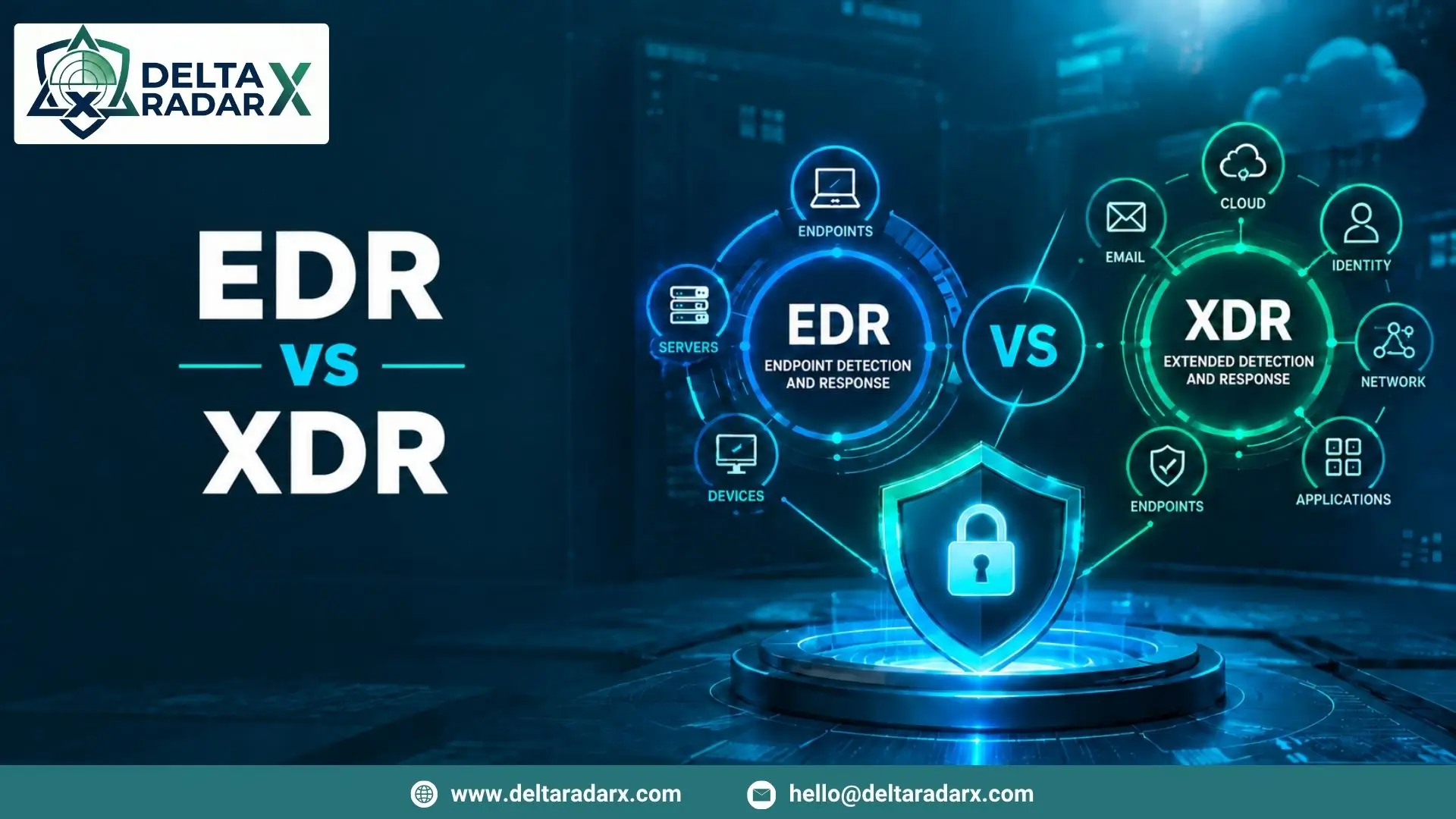
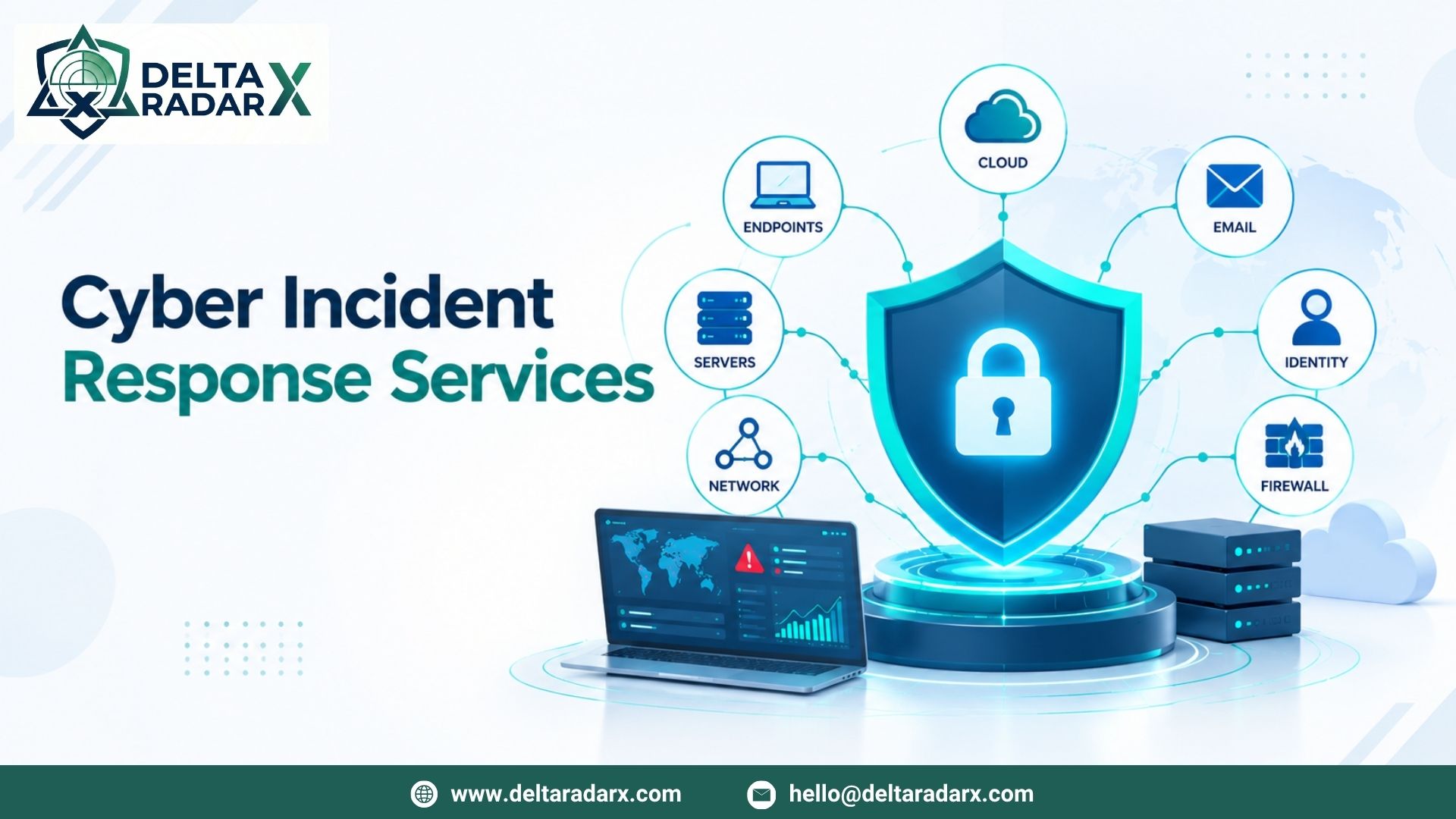
Cyberattacks can happen at any time. A phishing email, ransomware infection, stolen credential, or network intrusion can quickly become a serious security incident.
When an incident happens, businesses need more than basic security tools. They need a structured process to detect the threat, contain the damage, investigate what happened, and restore normal operations.
This is where cyber incident response services help. These services provide specialized support for handling cybersecurity incidents and reducing their impact on business operations.
What Are Cyber Incident Response Services?
Cyber incident response services are professional security services designed to help organizations manage cybersecurity incidents.
The response process usually includes:
- Detecting suspicious activity
- Confirming whether an incident has occurred
- Containing the threat
- Investigating affected systems
- Removing malicious activity
- Recovering affected systems
- Identifying the root cause
- Creating an incident report
- Improving security controls after the incident
A well-planned response helps security teams act quickly instead of making decisions under pressure.
Why Is Cyber Incident Response Important?
A security incident can affect more than one device. Attackers may move between endpoints, user accounts, servers, applications, and cloud environments.
Without a proper response plan, an organization may face:
- Data loss
- Business disruption
- Unauthorized access
- Malware infections
- Financial losses
- Compliance issues
- Reputational damage
Incident response helps organizations limit the spread of an attack and understand what happened.
It also provides a structured way to move from detection to recovery.
How Does Cyber Incident Response Work?
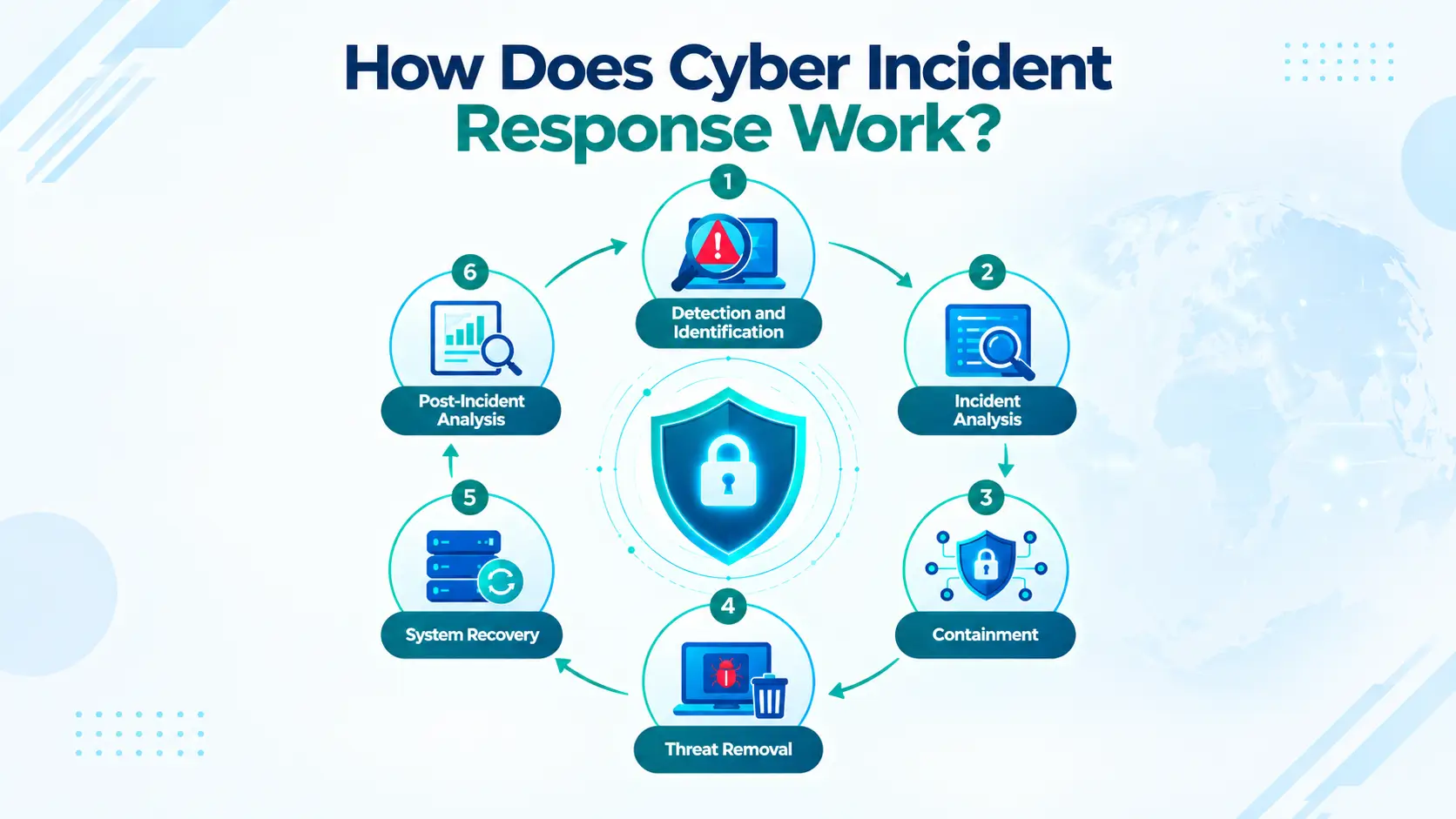
Cyber incident response normally follows several stages.
1. Detection and Identification
The first step is identifying suspicious activity.
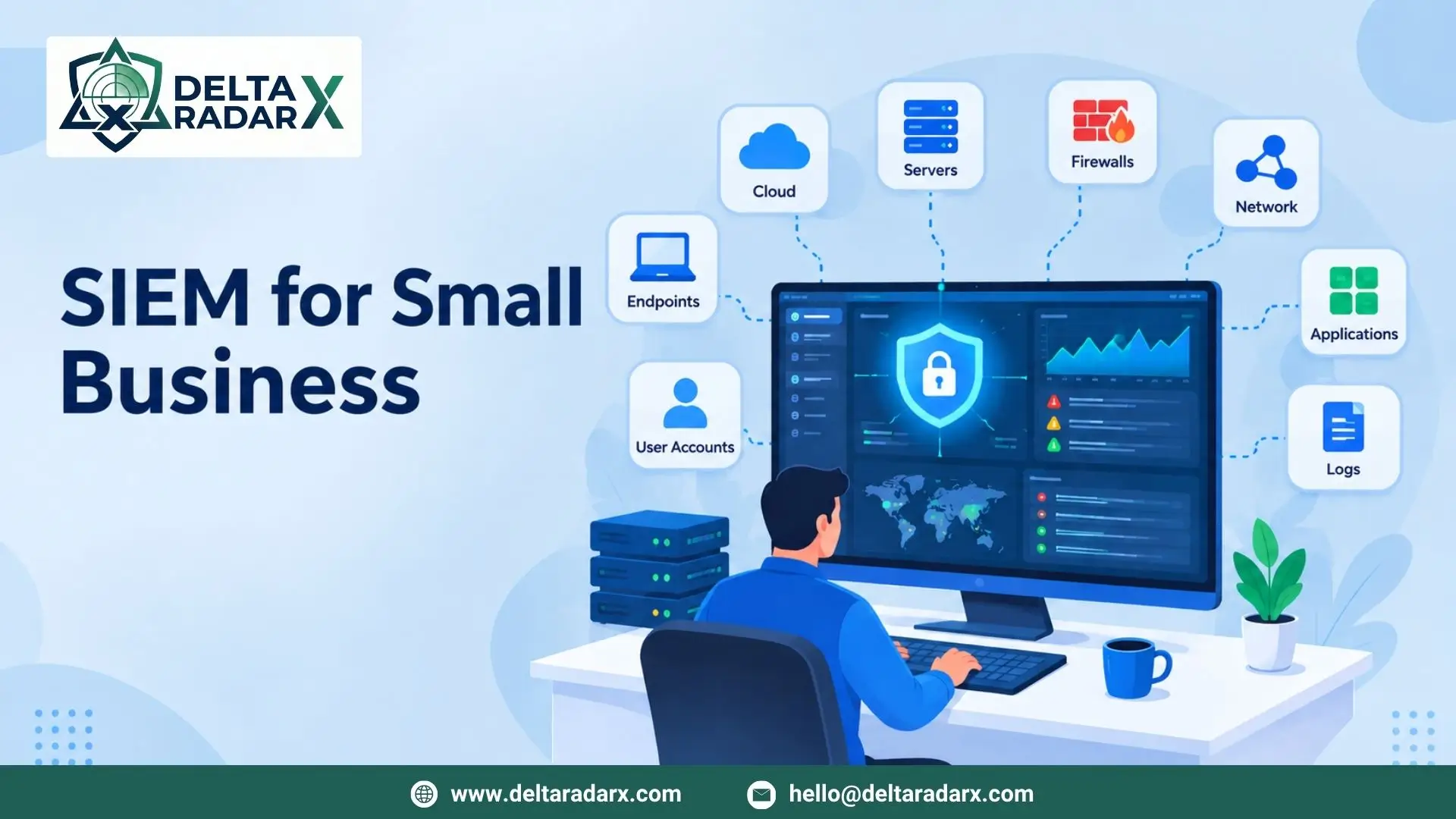
Security teams can use alerts from SIEM platforms, endpoint security tools, firewalls, cloud services, and other security systems.
The goal is to determine whether an alert represents a genuine security incident.
2. Incident Analysis
Once an incident is identified, analysts investigate the available evidence.
They may review:
- System logs
- Authentication events
- Network traffic
- Endpoint activity
- Malware indicators
- User activity
- Firewall events
- Cloud activity
This helps establish what happened and which systems may be affected.
3. Containment
The next priority is stopping the threat from spreading.
Depending on the incident, containment may involve isolating an endpoint, disabling a compromised account, blocking malicious IP addresses, or restricting suspicious network traffic.
Containment can be temporary or long-term.
4. Threat Removal
After containment, security teams work to remove the source of the compromise.
This can include deleting malware, removing malicious accounts, closing exploited vulnerabilities, resetting credentials, and eliminating persistence mechanisms.
5. System Recovery
Affected systems can then be restored to a secure operational state.
Recovery may include restoring backups, rebuilding compromised systems, applying security patches, and monitoring systems for signs of recurring activity.
6. Post-Incident Analysis
The final stage focuses on understanding the incident.
Security teams review the timeline, attack methods, affected assets, response actions, and security gaps.
The findings can then be used to improve future security controls.
Common Types of Cybersecurity Incidents
Organizations can experience many different types of security incidents.
Ransomware Attacks
Ransomware can encrypt files or systems and prevent users from accessing important resources.
Incident response teams investigate the infection, isolate affected systems, identify the ransomware activity, and support recovery efforts.
Phishing Attacks
Phishing can lead to stolen passwords, malware infections, or unauthorized access.
Response teams can investigate suspicious emails, identify compromised accounts, and determine whether attackers accessed other systems.
Account Compromise
Attackers may obtain valid credentials and use them to access business systems.
Response activities can include reviewing authentication logs, disabling compromised accounts, resetting credentials, and investigating unusual login activity.
Malware Infections
Malware can affect endpoints, servers, and other connected systems.
Incident response helps identify infected devices and determine whether the malware has spread to other parts of the environment.
Network Intrusions
Unauthorized access to a network can indicate an active security incident.
Network traffic, firewall logs, authentication events, and endpoint activity can help security teams understand the intrusion.
Cyber Incident Response Services in Pakistan
Organizations looking for Cyber incident response services in Pakistan need a response capability that can support different types of security incidents.
For businesses operating in Pakistan, incident response can involve endpoint monitoring, SIEM and log analysis, network security monitoring, malware investigation, vulnerability assessment, and coordinated incident handling.
At DeltaRadarX, organizations can combine incident response with security monitoring services such as 24/7 SOC monitoring, SIEM and log monitoring, MDR, EDR, firewall and network monitoring, vulnerability and CVE auditing, threat detection, and security automation.
This connected approach can help security teams investigate incidents using information collected from multiple security sources.
Key Features of Cyber Incident Response Services
24/7 Security Monitoring
Security incidents do not always happen during business hours.
Continuous monitoring helps identify suspicious activity outside normal working periods and provides security teams with additional visibility.
SIEM and Log Analysis
Centralized logs provide important evidence during an investigation.
Security teams can correlate authentication, endpoint, firewall, network, and application events to understand how an incident developed.
Endpoint Investigation
Endpoints can provide valuable evidence during a security incident.
Analysts can investigate processes, files, connections, user activity, and other indicators to determine whether a device has been compromised.
Threat Hunting
Threat hunting looks for suspicious activity that may not have triggered a traditional security alert.
It can help identify hidden threats and activity associated with an ongoing attack.
Incident Containment
Fast containment can reduce the potential impact of an incident.
Depending on the situation, security teams may isolate devices, block malicious traffic, disable accounts, or restrict access.
Incident Reporting
Detailed incident reports document what happened and how the organization responded.
Reports may include the incident timeline, affected assets, indicators of compromise, response actions, and recommended improvements.
Benefits of Cyber Incident Response Services
Professional incident response can provide several benefits.
Faster Response
A defined response process helps security teams move quickly when an incident occurs.
Reduced Business Disruption
Early containment can limit the spread of an attack and reduce disruption to critical operations.
Better Investigation
Specialized analysts and centralized security data can make it easier to identify the source and scope of an incident.
Improved Security Visibility
Incident response can reveal weaknesses in endpoints, networks, identities, applications, and security processes.
Stronger Future Protection
Post-incident findings can be used to improve security controls and reduce the risk of similar incidents.
Incident Response and Security Operations
Incident response works closely with other cybersecurity functions.
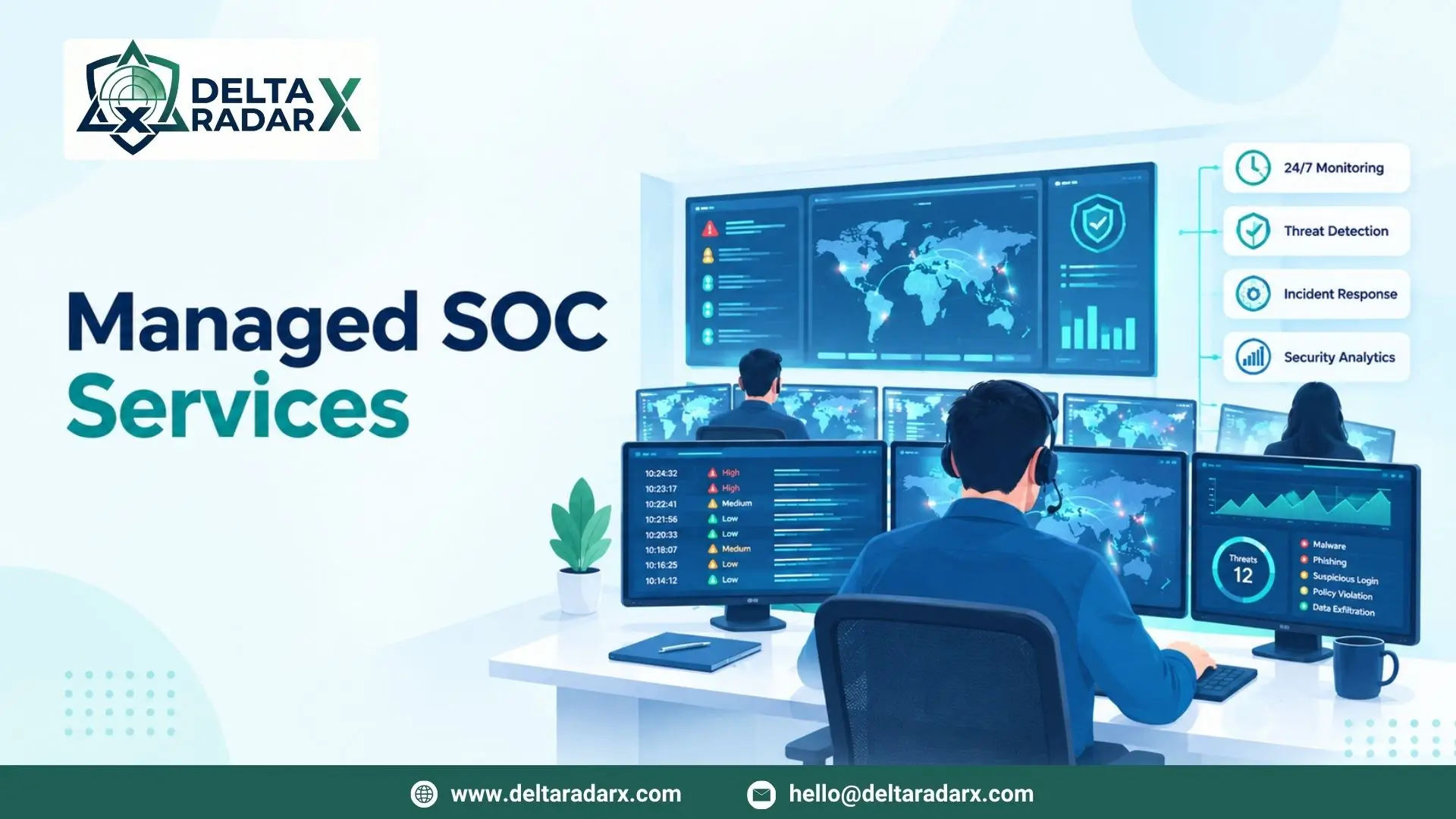
For example, a SOC can monitor security events and identify suspicious activity. SIEM can collect and correlate security logs. EDR can provide endpoint visibility. MDR can provide continuous threat detection and response support.
These technologies and services can work together during an incident.
For organizations that need centralized monitoring, SIEM integration can help bring security data from different sources into one environment.
Incident Response vs Incident Management
These terms are related but are not exactly the same.
Incident response focuses on the technical investigation and handling of a cybersecurity incident.
Incident management is broader. It can include communication, business processes, escalation, documentation, coordination, and recovery planning.
A mature cybersecurity program can use both approaches together.
How to Choose Cyber Incident Response Services
Before selecting a provider, organizations should consider several factors.
24/7 Availability
Check whether support is available when an incident happens outside normal working hours.
Security Expertise
Look for experience with different incident types, including ransomware, phishing, malware, account compromise, and network intrusion.
Monitoring Capabilities
Consider whether the provider can work with SIEM, EDR, firewall, network, cloud, and other security data.
Incident Investigation
A provider should have a clear process for collecting evidence and investigating the incident.
Reporting
Ask what type of incident reports and post-incident recommendations are provided.
Integration With Existing Security Tools
Incident response should work with the organization’s current security infrastructure instead of operating as an isolated service.
How DeltaRadarX Supports Incident Response
DeltaRadarX combines incident response with continuous security monitoring and detection capabilities.
Its security services can include 24/7 SOC monitoring, real-time SIEM and log monitoring, managed detection and response, EDR, incident handling, SOAR automation, firewall and network monitoring, vulnerability and asset exposure auditing, and compliance reporting.
This allows organizations to monitor their environments, investigate suspicious activity, and coordinate response actions through a connected security operation.
For businesses searching for Cyber incident response services in Pakistan, combining incident response with continuous monitoring can provide broader visibility before, during, and after a security incident.
Final Thoughts
Cybersecurity incidents require a structured and timely response.
Cyber incident response services help organizations detect, investigate, contain, and recover from security incidents. They can also provide valuable information for improving security after an attack.
When incident response is connected with SIEM, EDR, SOC monitoring, threat hunting, and security automation, organizations can build a more coordinated approach to handling cybersecurity threats.