Cyber threats are becoming more difficult to detect. Attackers can use stolen credentials, malware, phishing, vulnerable systems, and other techniques to gain access to business environments.
Finding a threat is only the first step. Security teams also need to investigate suspicious activity, contain the attack, and respond before it causes greater damage.
This is where threat detection and response becomes important. It combines continuous security monitoring, threat analysis, investigation, and response to help organizations identify and handle cybersecurity threats more effectively.
What Is Threat Detection and Response?
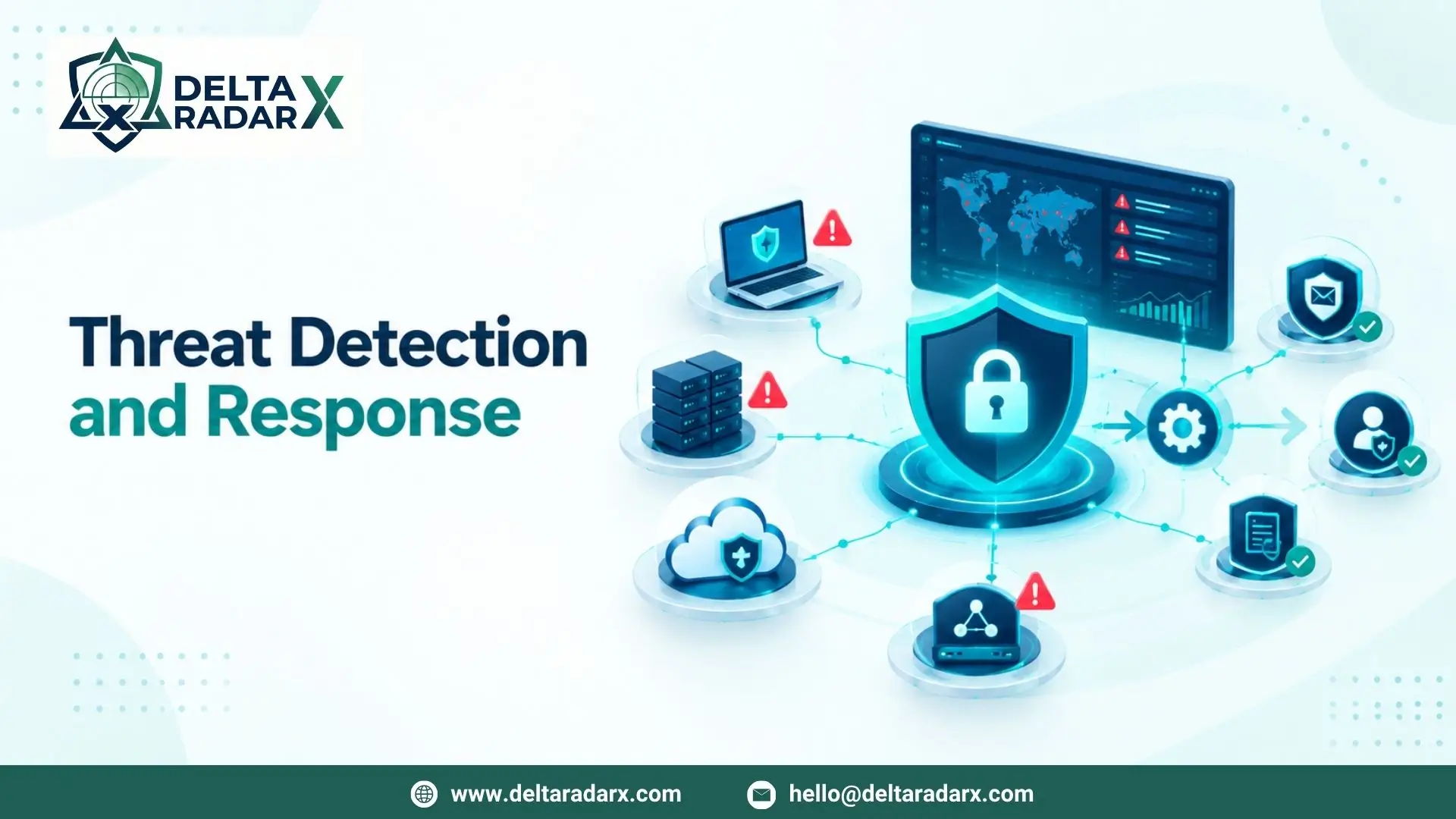
Threat detection and response is a cybersecurity approach that focuses on identifying suspicious activity and taking action against confirmed or potential threats.
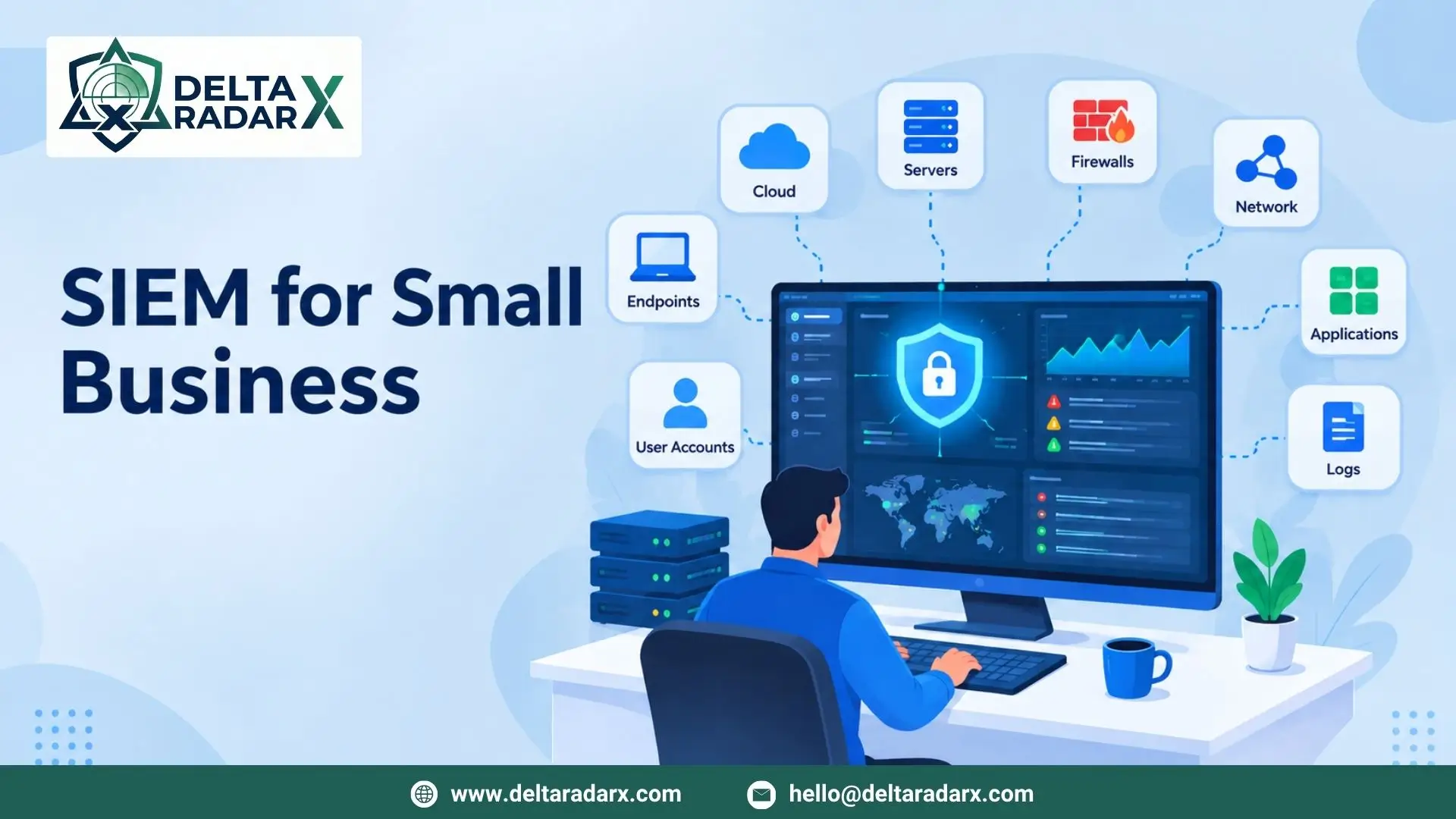
Detection can involve security data from:
- Endpoints
- Networks
- Firewalls
- Servers
- Cloud environments
- User accounts
- Applications
- Security logs
After detecting suspicious behavior, security teams investigate the activity and determine whether it represents a real threat.
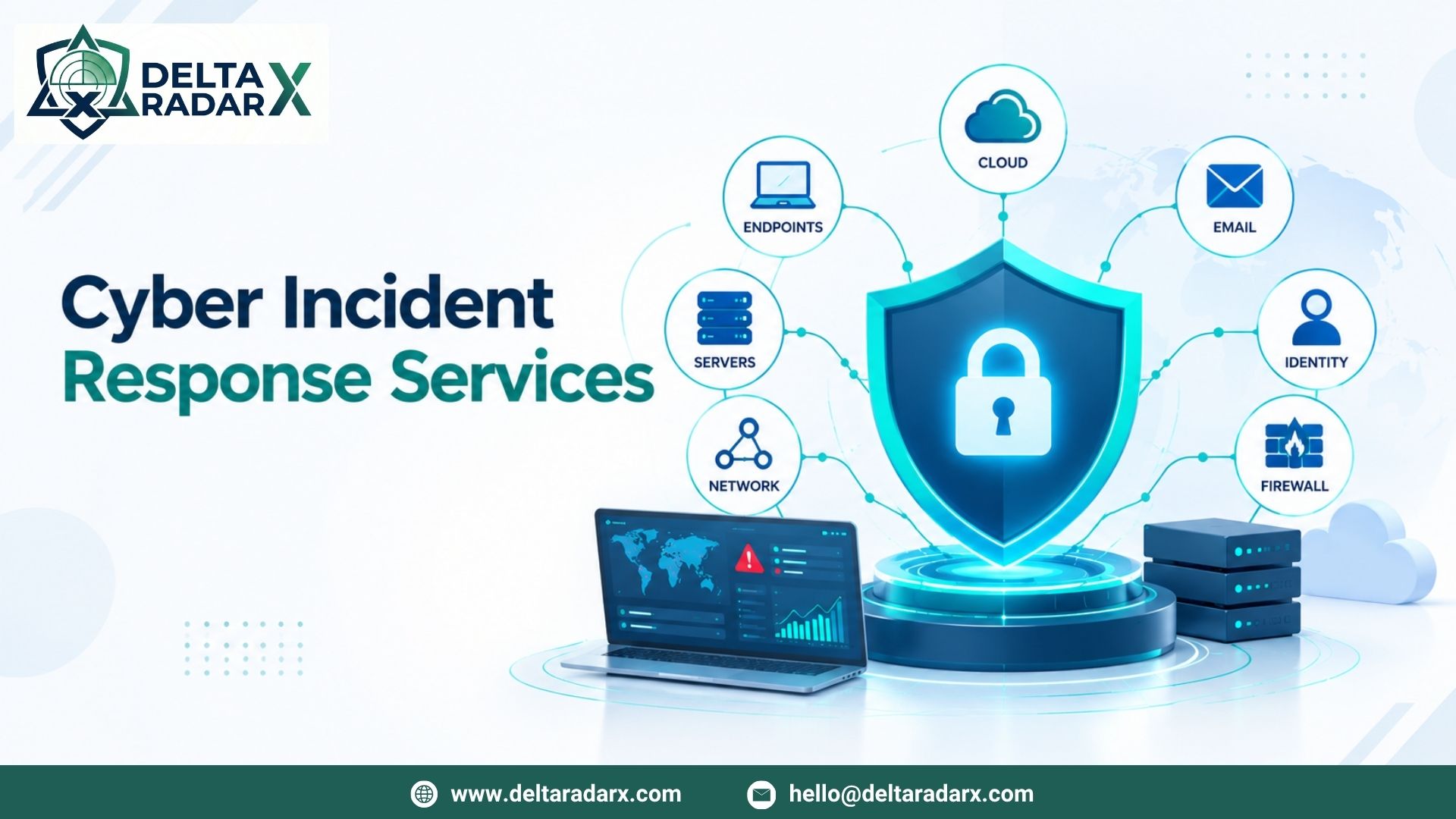
If a threat is confirmed, response actions can include isolating an endpoint, blocking malicious traffic, disabling a compromised account, removing malware, or investigating affected systems.
How Does Threat Detection and Response Work?
Threat detection and response generally follows a continuous cycle.
1. Collect Security Data
The process starts by collecting security events from different sources.
SIEM platforms, EDR tools, firewalls, servers, cloud platforms, and other security systems can generate useful information.
Centralizing this data gives analysts more context when investigating suspicious activity.
2. Detect Suspicious Activity
Security tools analyze incoming events and look for unusual patterns.
Examples include:
- Repeated failed login attempts
- Unusual account activity
- Suspicious processes
- Unexpected network connections
- Malware indicators
- Unauthorized access
- Unusual data transfers
Rules, threat intelligence, behavioral analysis, and other detection methods can help identify potential threats.
3. Investigate the Threat
Not every alert represents a genuine attack.
Security analysts investigate alerts to determine their severity and potential impact.
They may review logs, endpoint activity, network connections, authentication records, and threat intelligence.
4. Contain the Threat
If malicious activity is confirmed, the next step is containment.
Security teams may isolate an infected endpoint, block an IP address, disable a compromised account, or restrict access to an affected system.
The objective is to prevent the threat from spreading.
5. Remove the Threat
After containment, analysts work to eliminate the source of the compromise.
This may involve:
- Removing malware
- Deleting malicious files
- Closing exploited vulnerabilities
- Resetting compromised credentials
- Removing unauthorized accounts
- Blocking malicious indicators
6. Recover and Monitor
Affected systems are restored to a secure state.
Security teams then continue monitoring the environment to make sure the threat has not returned.
This final stage is important because some attackers attempt to maintain access after the initial compromise.
Why Is Threat Detection and Response Important?
Traditional security controls can block many threats, but no security system can guarantee that every attack will be prevented.
Threat detection and response provides another layer of protection by focusing on what is happening inside the environment.
It can help organizations:
- Identify suspicious activity earlier
- Investigate security alerts
- Reduce attack impact
- Contain compromised systems
- Improve visibility
- Support incident investigations
- Identify security weaknesses
- Strengthen future security controls
A strong detection and response process also helps organizations move from simply receiving alerts to taking meaningful security action.
Key Components of Threat Detection and Response
Security Monitoring
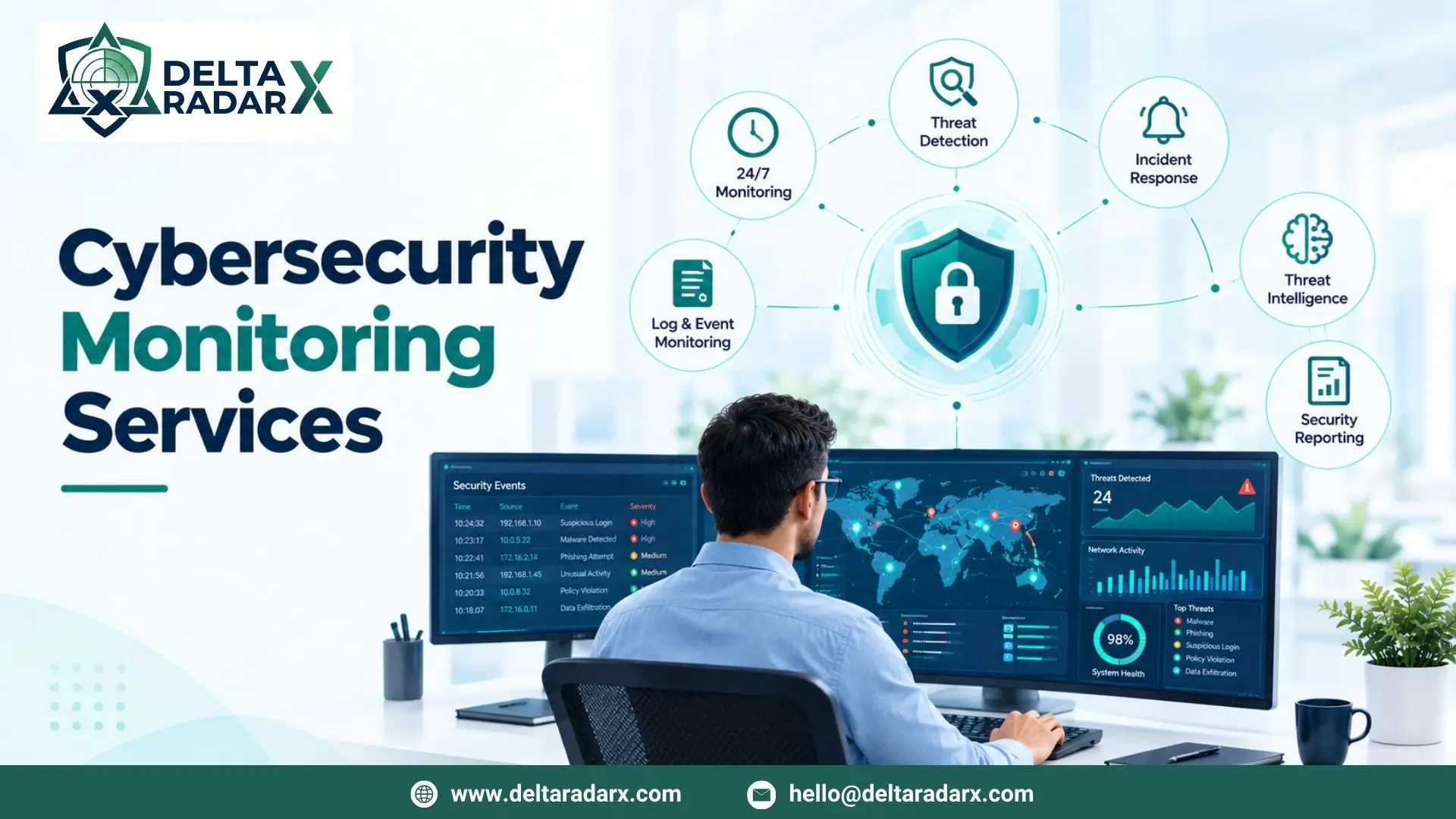
Continuous monitoring helps security teams identify unusual activity across the environment.
Monitoring can cover endpoints, networks, servers, cloud systems, applications, and user activity.
SIEM and Log Analysis
SIEM platforms collect and correlate security events from different sources.
Log analysis can reveal patterns that may not be obvious when individual events are viewed separately.
For example, a suspicious login combined with unusual endpoint activity and unexpected network traffic may provide stronger evidence of a potential compromise.
Endpoint Detection and Response
EDR provides visibility into endpoint activity.
It can help security teams investigate processes, files, connections, and other activities on computers and servers.
When suspicious behavior is detected, response actions can help contain the affected endpoint.
Threat Intelligence
Threat intelligence provides information about known malicious indicators and attack techniques.
Security teams can use threat intelligence to improve detection rules and investigate suspicious IP addresses, domains, files, and other indicators.
Threat Hunting
Threat hunting involves proactively searching for suspicious activity that automated alerts may not have identified.
Analysts can use security logs, endpoint data, threat intelligence, and behavioral patterns to search for hidden threats.
Security Automation
Automation can speed up repetitive response actions.
For example, an automated workflow may block a malicious indicator, isolate an endpoint, or create an investigation ticket after a specific alert is triggered.
Threat Detection and Response Services
Organizations can use threat detection and response services when they need specialized security monitoring and response capabilities.
These services can provide continuous monitoring and security analysis without requiring an organization to build every capability internally.
Depending on the provider, services may include:
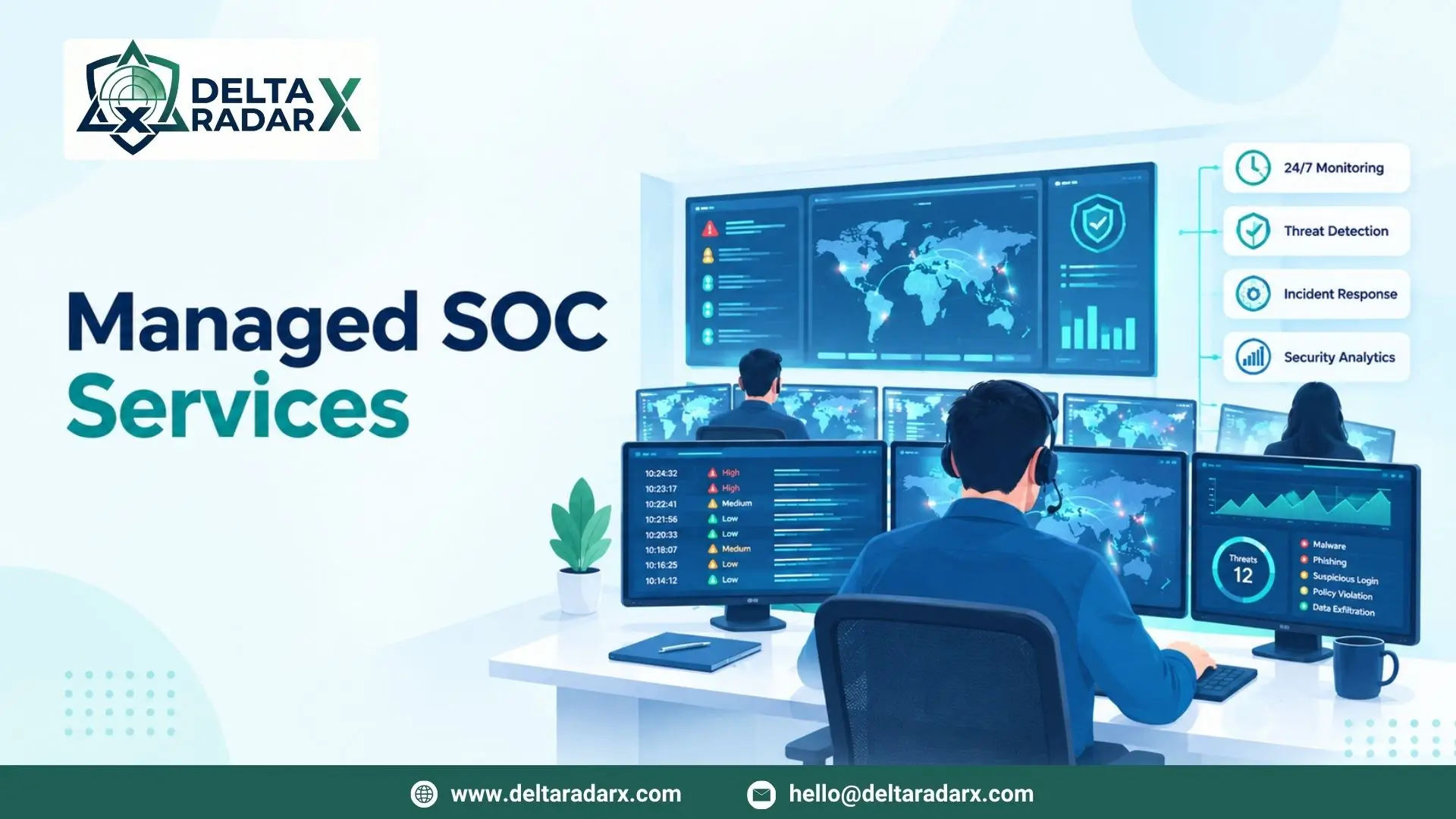
- 24/7 security monitoring
- Threat detection
- Alert investigation
- Threat hunting
- Endpoint monitoring
- SIEM monitoring
- Incident response
- Malware analysis
- Network monitoring
- Threat intelligence
- Security automation
- Incident reporting
The exact service model depends on the organization’s environment, security requirements, and existing tools.
Threat Detection and Response vs Threat Prevention
Threat prevention focuses on stopping attacks before they succeed.
Examples include:
- Firewalls
- Antivirus
- Access controls
- Email security
- Vulnerability management
- Security policies
Threat detection and response focuses on identifying and handling suspicious activity that gets through preventive controls or behaves in a way that requires investigation.
Both approaches are important.
Prevention reduces exposure, while detection and response helps organizations identify and manage threats that still occur.
Threat Detection and Response vs MDR
Threat detection and response and managed detection and response (MDR) are closely related.
Threat detection and response describes the broader security process of detecting and responding to threats.
MDR is a managed security service that typically provides continuous monitoring, threat detection, investigation, and response through an external security team.
Organizations that do not have enough internal security resources may use MDR to extend their security operations.
Threat Detection and Response for Cloud Environments
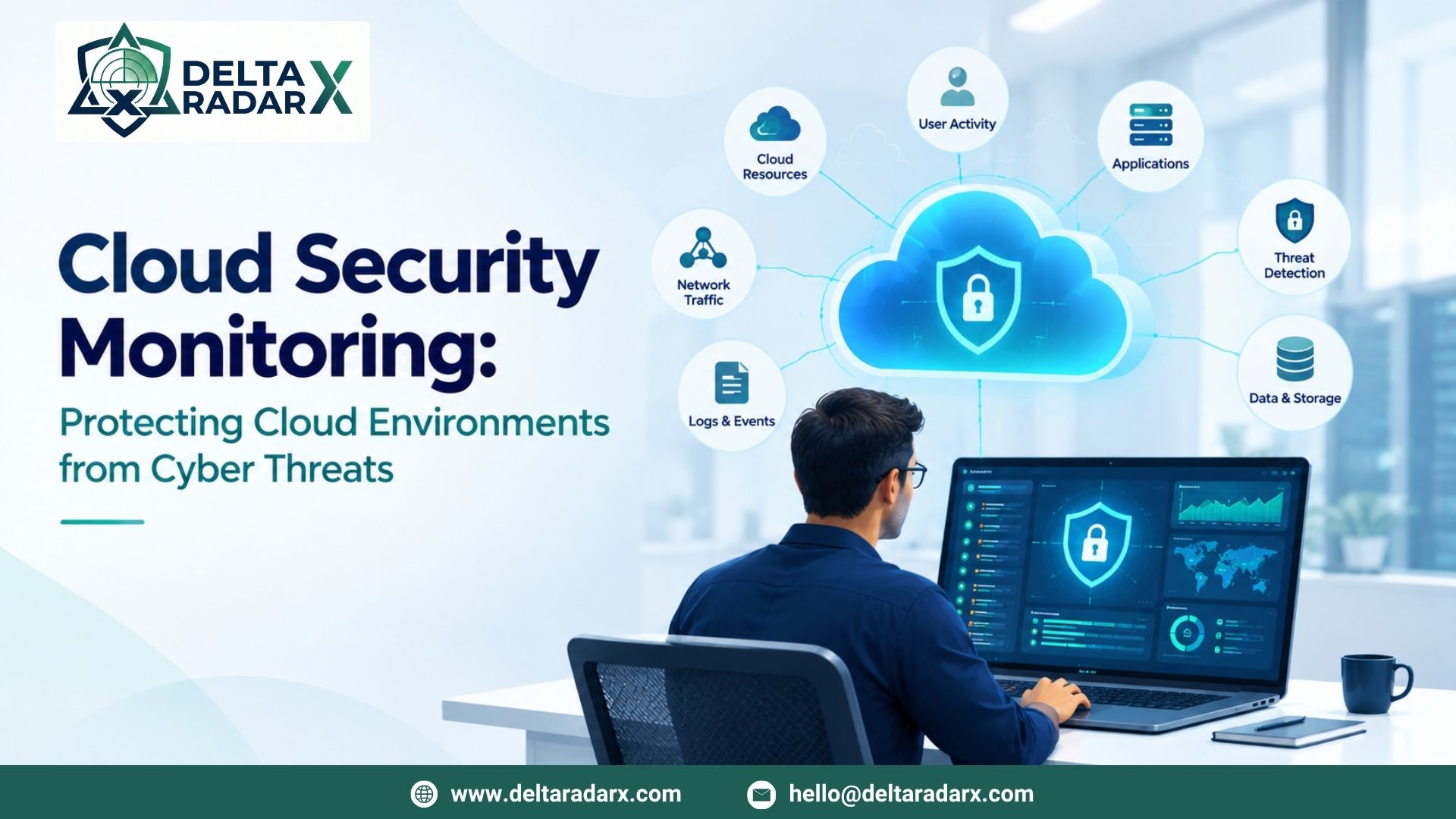
Cloud environments create additional security monitoring requirements.
Organizations may have workloads distributed across different cloud services, accounts, applications, and regions.
Threat detection can monitor:
- Cloud authentication
- API activity
- Cloud workloads
- Configuration changes
- Network traffic
- Suspicious user behavior
- Data access
Centralized visibility helps security teams investigate activity across cloud and traditional infrastructure.
Threat Detection and Response for Remote Workforces
Remote employees can access business resources from different locations and networks.
This increases the importance of monitoring endpoints, identities, applications, and remote connections.
Security teams can use endpoint detection, identity monitoring, SIEM, and network security tools to identify unusual behavior.
For example, an unusual login followed by suspicious endpoint activity may require immediate investigation.
Threat Detection and Response Services in Pakistan
Businesses looking for threat detection and response services in Pakistan may need a security provider that can monitor different parts of their IT environment and support rapid investigation.
At DeltaRadarX, security capabilities include 24/7 SOC monitoring, real-time SIEM and log monitoring, managed detection and response (MDR), EDR, incident handling, SOAR automation, firewall and network monitoring, vulnerability and asset exposure auditing, and compliance reporting.
These services can work together to provide security visibility across endpoints, networks, logs, and other infrastructure. This allows security teams to detect suspicious activity, investigate alerts, and coordinate response actions.
For organizations that require ongoing security operations, this approach can combine threat detection and response services with continuous monitoring and incident handling.
Benefits of Threat Detection and Response Services
Faster Threat Identification
Continuous monitoring can help identify suspicious activity without waiting for a security incident to become obvious.
Better Security Visibility
Centralized monitoring provides a broader view of activity across different systems.
Reduced Response Time
A defined response process helps security teams move from detection to investigation and containment more quickly.
Improved Incident Investigation
Security logs and endpoint data provide evidence that can help analysts understand the scope and timeline of an attack.
Reduced Security Workload
Managed services can help organizations handle security monitoring and alert investigation when internal teams have limited resources.
Continuous Security Improvement
Incident findings can reveal weaknesses that should be addressed through better configurations, policies, patching, or security controls.
Common Threats Detected by Security Teams
Threat detection and response can help identify many types of suspicious activity.
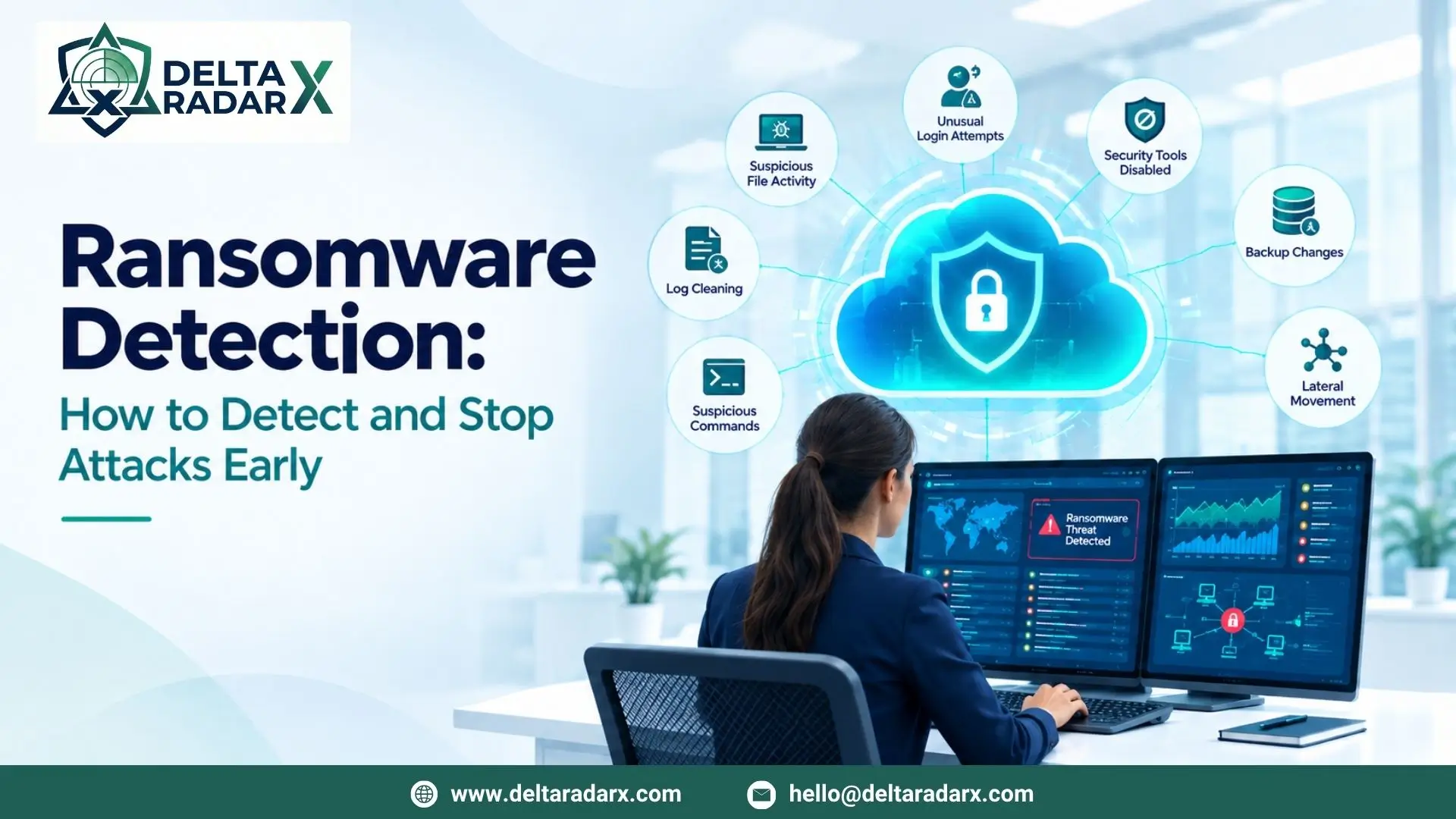
Ransomware
Security teams can monitor for unusual file activity, suspicious processes, and other indicators associated with ransomware.
Phishing
Suspicious emails, credential theft, and unusual account activity can indicate a phishing-related compromise.
Credential Attacks
Repeated login failures, unusual login locations, and abnormal authentication behavior may indicate credential attacks.
Malware
Endpoint monitoring can identify suspicious processes, files, connections, and other malware indicators.
Insider Threats
Unusual access patterns or unexpected data activity may require investigation to determine whether an account has been misused.
Network Intrusions
Firewall and network logs can provide useful information about unauthorized connections and suspicious traffic.
How to Improve Threat Detection and Response
Organizations can improve their security operations by combining multiple capabilities.
Centralize Security Logs
Collect important security events in a centralized platform so analysts can correlate activity.
Monitor Endpoints
Use endpoint security tools to improve visibility into devices and servers.
Use Threat Intelligence
Update detection processes with current information about malicious indicators and attack techniques.
Automate Repetitive Actions
Use security automation for response actions that follow predictable conditions.
Conduct Regular Threat Hunting
Proactive investigations can help identify activity that automated detection may miss.
Review Security Incidents
Every significant incident can provide useful information for improving security controls.
Choosing a Threat Detection and Response Provider
Before selecting a provider, organizations should evaluate several areas.
24/7 Monitoring
Check whether the provider offers continuous monitoring and alert investigation.
Detection Capabilities
Understand which data sources and security tools the provider can monitor.
Response Support
Determine whether the provider can assist with containment, investigation, and incident handling.
Technology Integration
The service should work with existing SIEM, EDR, firewall, cloud, and network security tools.
Reporting
Clear incident reports can help organizations understand security events and response actions.
Scalability
The service should be able to support changes in the organization’s infrastructure and security requirements.
Final Thoughts
Threat detection and response is an important part of modern cybersecurity. Preventive controls remain essential, but organizations also need the ability to identify suspicious activity and respond when threats bypass those controls.
A combination of SIEM, EDR, threat intelligence, threat hunting, security monitoring, automation, and incident response can provide a more coordinated security approach.
For organizations that need additional security expertise, threat detection and response services can extend internal security capabilities and provide continuous monitoring and response support.