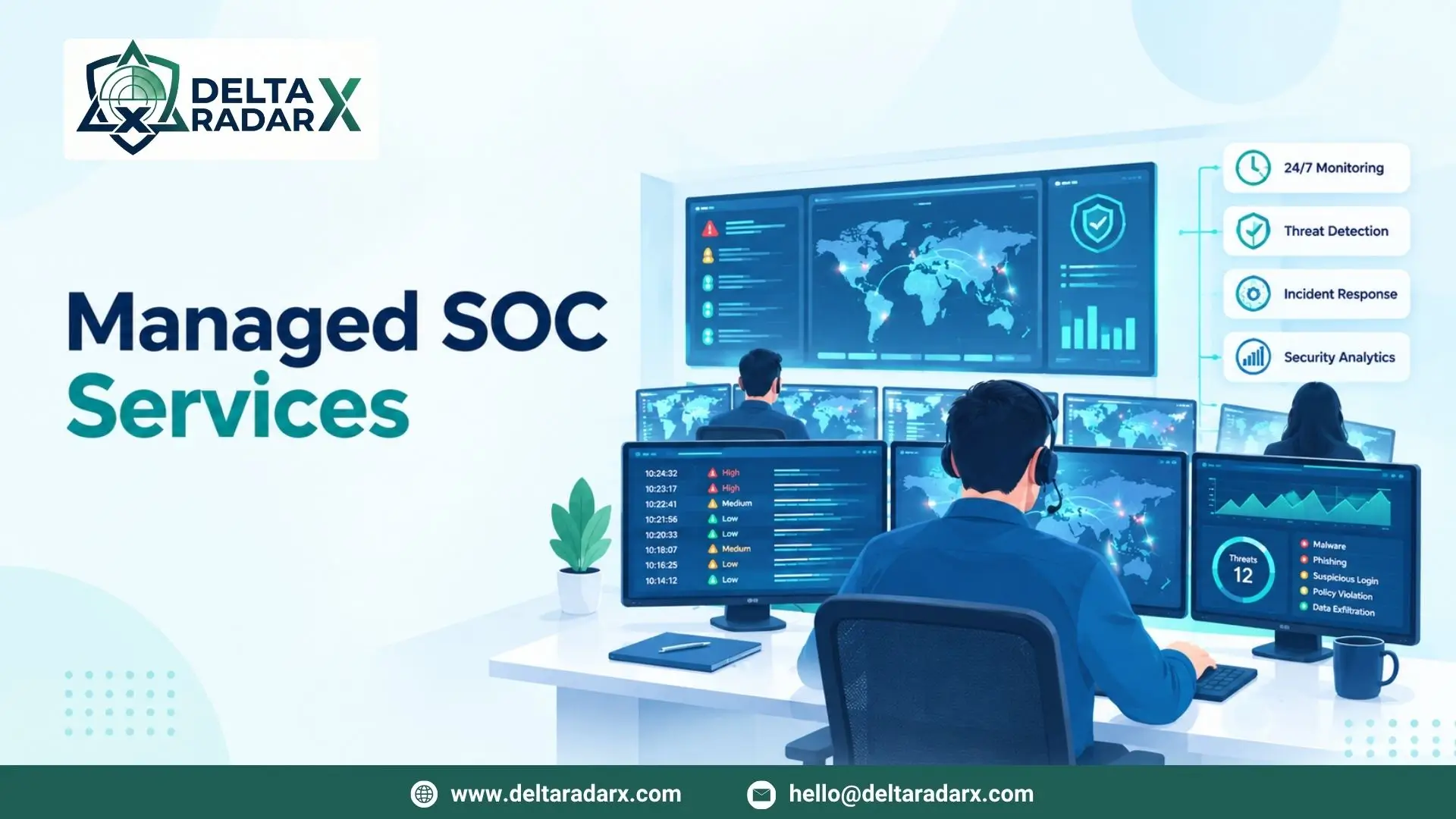

As organizations adopt more cybersecurity solutions, the number of security alerts generated every day continues to grow. Firewalls, endpoint protection platforms, cloud workloads, identity management systems, and network security tools all produce alerts whenever suspicious activity is detected. While these notifications are valuable for identifying potential threats, many are duplicate events, false positives, or low-priority activities that require little action. Without an effective Security Alert Management strategy, security teams can become overwhelmed, increasing the risk of overlooking genuine cyber threats.
Security Alert Management enables organizations to collect, analyze, prioritize, and respond to alerts from multiple security technologies through a centralized process. By filtering unnecessary noise and focusing on high-risk incidents, security analysts can improve response times while strengthening the organization’s overall cybersecurity posture.
How Security Alert Management Works
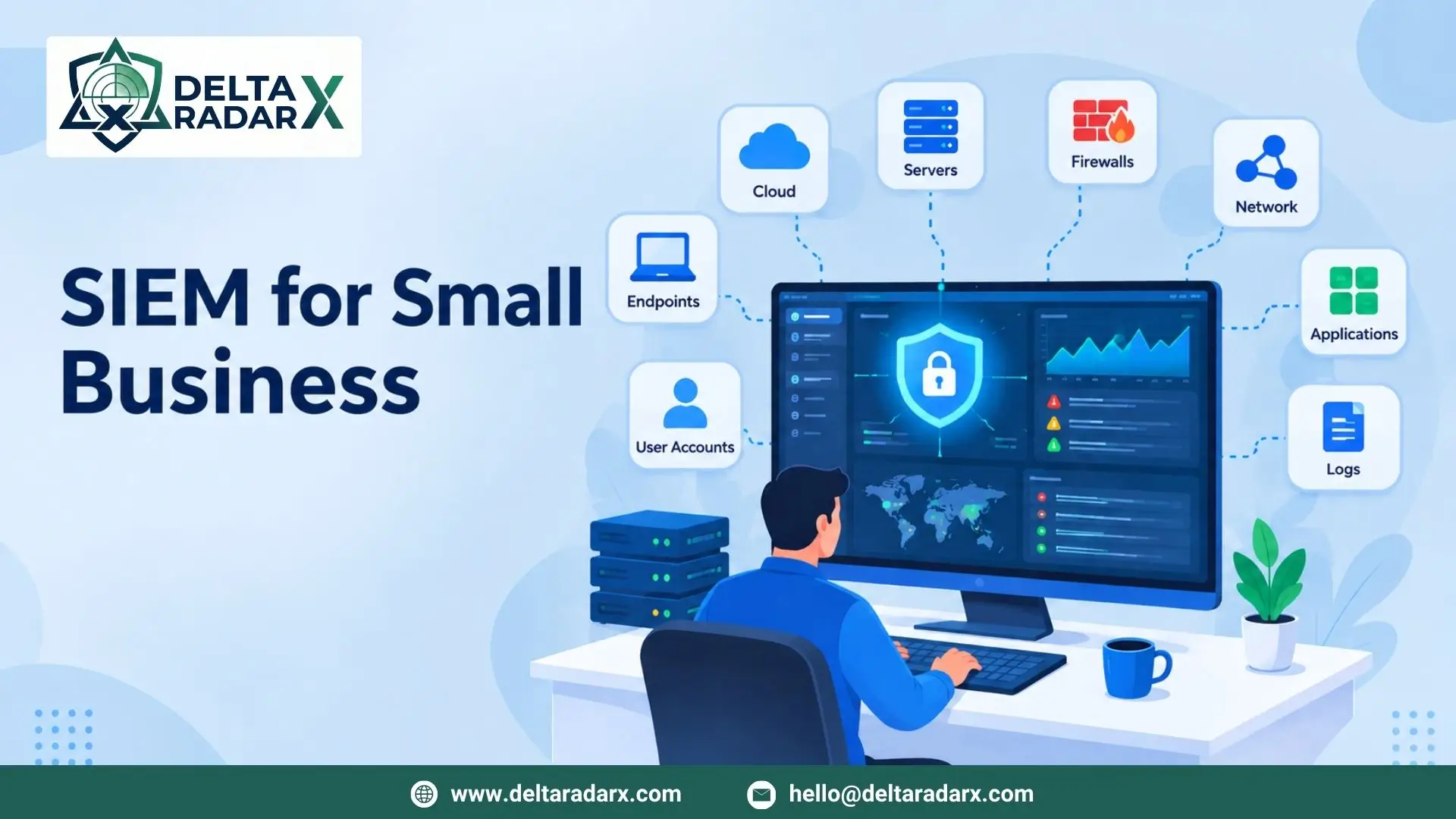
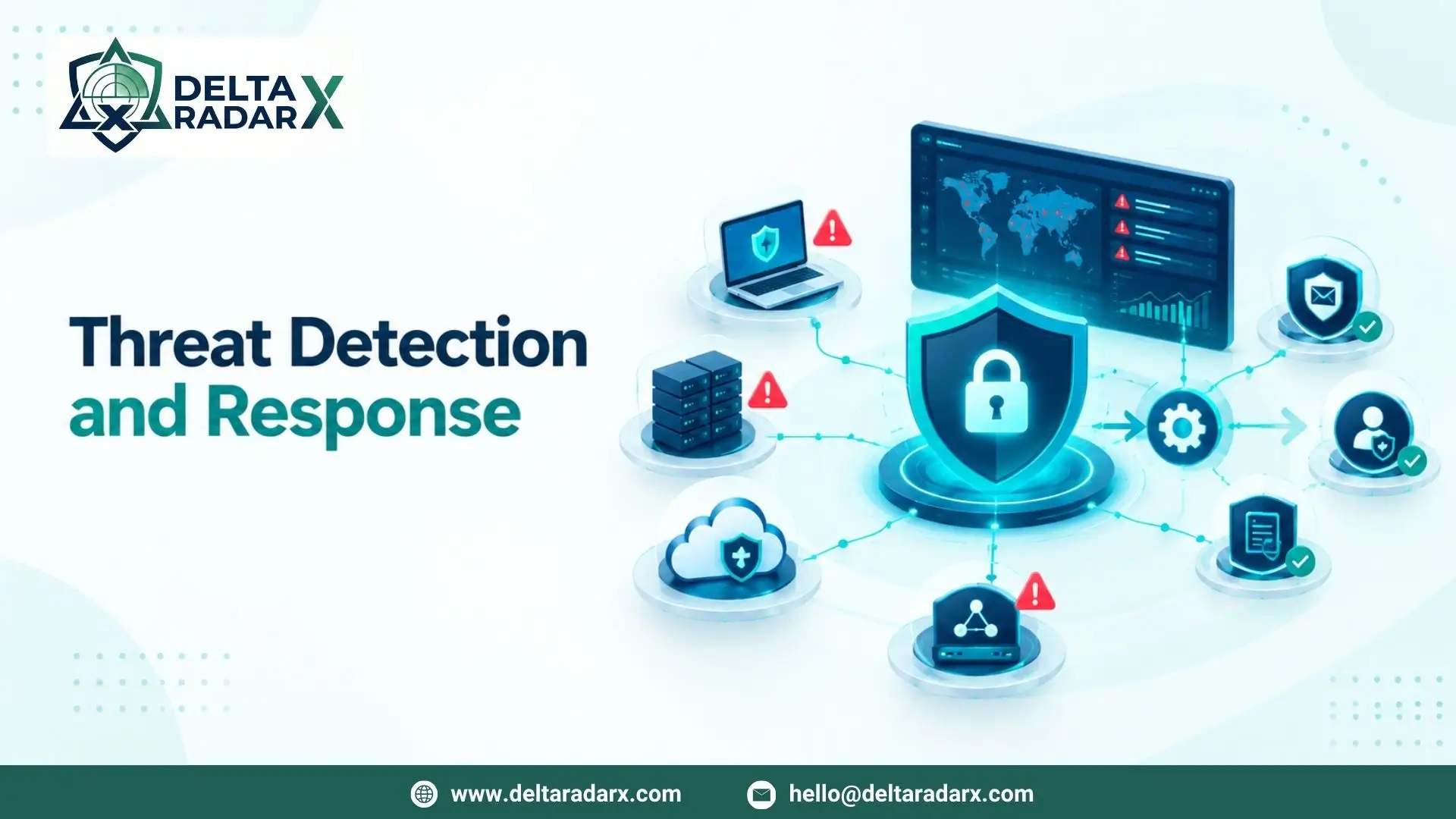
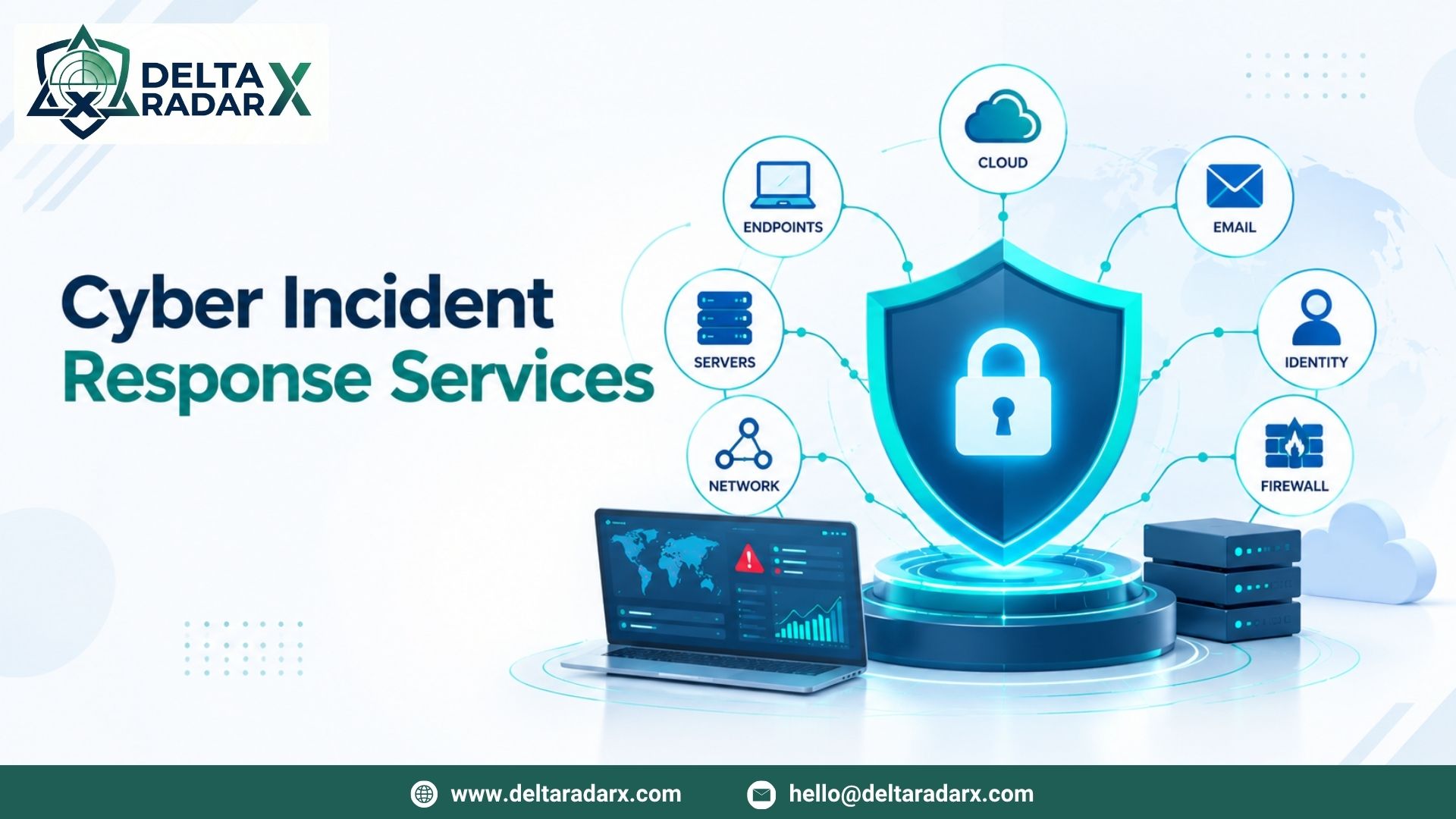
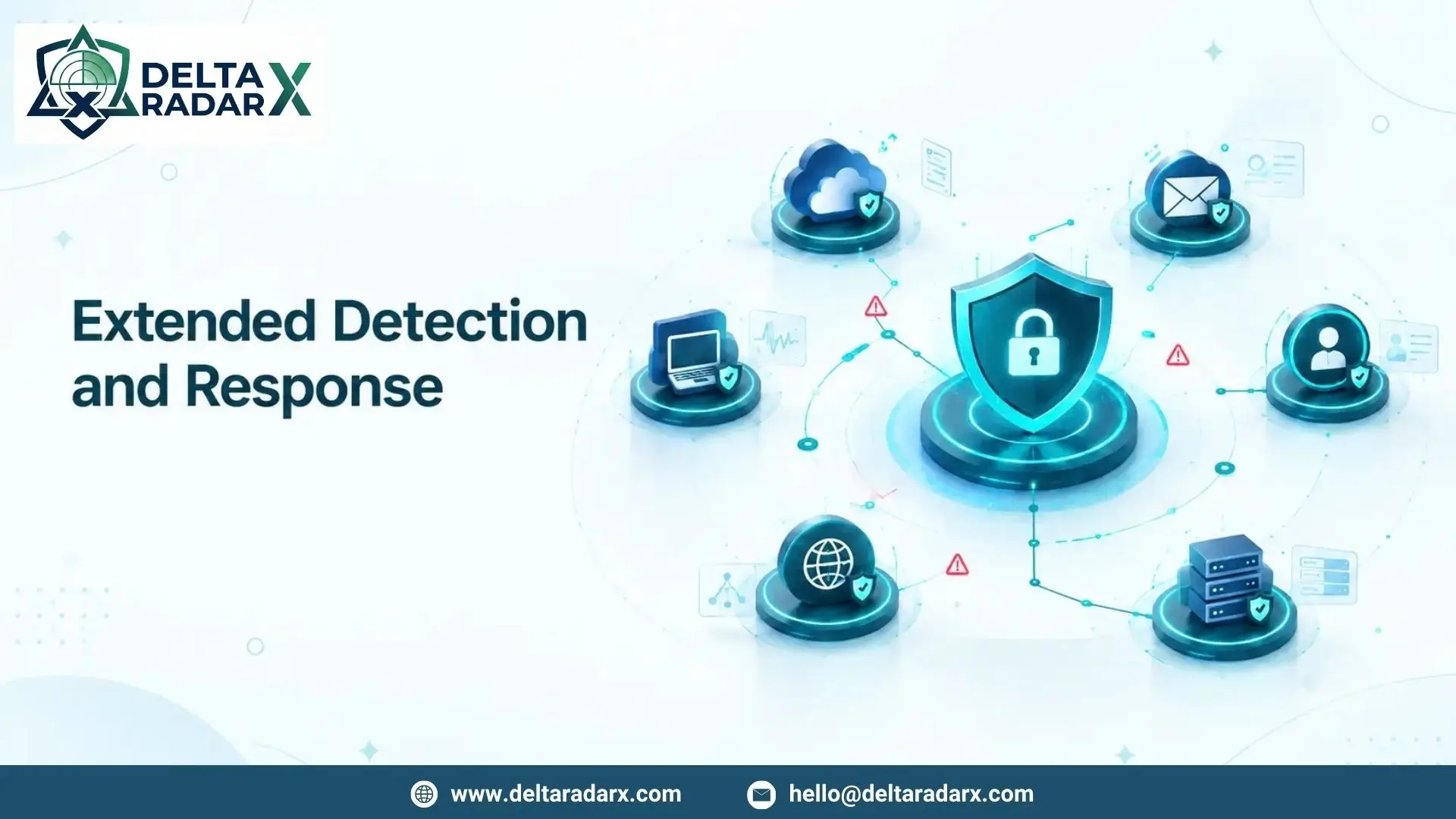
An effective Security Alert Management process starts by collecting alerts from firewalls, servers, endpoint devices, cloud platforms, applications, identity providers, and network security solutions. These alerts are centralized, correlated, and analyzed to determine whether they represent a genuine security incident or simply routine system activity.
Advanced analytics, behavioral analysis, and threat intelligence help identify suspicious patterns across multiple systems instead of reviewing each alert individually. This approach provides security teams with greater visibility while significantly reducing investigation time.

Common Challenges
One of the biggest challenges in Security Alert Management is managing the large number of alerts generated every day. As organizations expand their infrastructure, security teams often receive thousands of notifications, many of which are duplicate alerts or false positives. Investigating every alert manually consumes valuable resources and increases the likelihood of analyst burnout.
Poorly configured detection rules, disconnected security platforms, and inconsistent monitoring practices can further increase alert volumes. Regular rule optimization, threat intelligence integration, and continuous monitoring help eliminate unnecessary alerts while improving overall detection accuracy.
Businesses that combine effective alert management with Continuous Security Monitoring are better positioned to detect suspicious activities early and maintain visibility across their entire IT environment.
Strengthening Security Operations
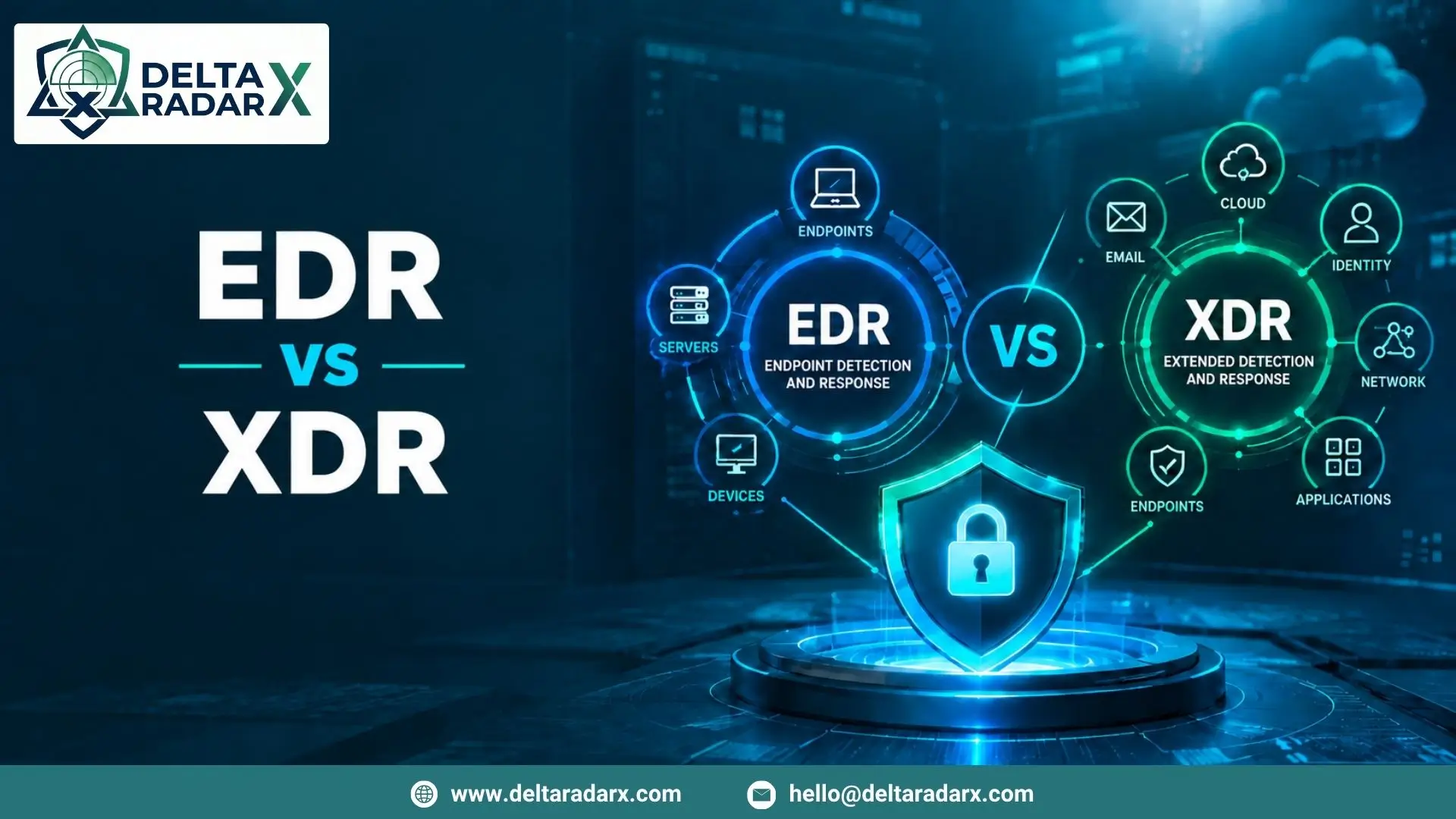
Successful Security Alert Management depends on both advanced security technologies and experienced cybersecurity professionals. At DeltaRadarX, we help organizations improve security operations through 24/7 Security Operations Center (SOC) monitoring, real-time SIEM and log monitoring, Managed Detection and Response (MDR), incident handling, and proactive threat intelligence. Our team also delivers SOAR automation, Endpoint Detection and Response (EDR), network and firewall monitoring, continuous vulnerability assessments, compliance reporting aligned with ISO 27001, PCI DSS, HIPAA, GDPR, and NIST standards, along with co-managed SOC services tailored to existing IT environments.
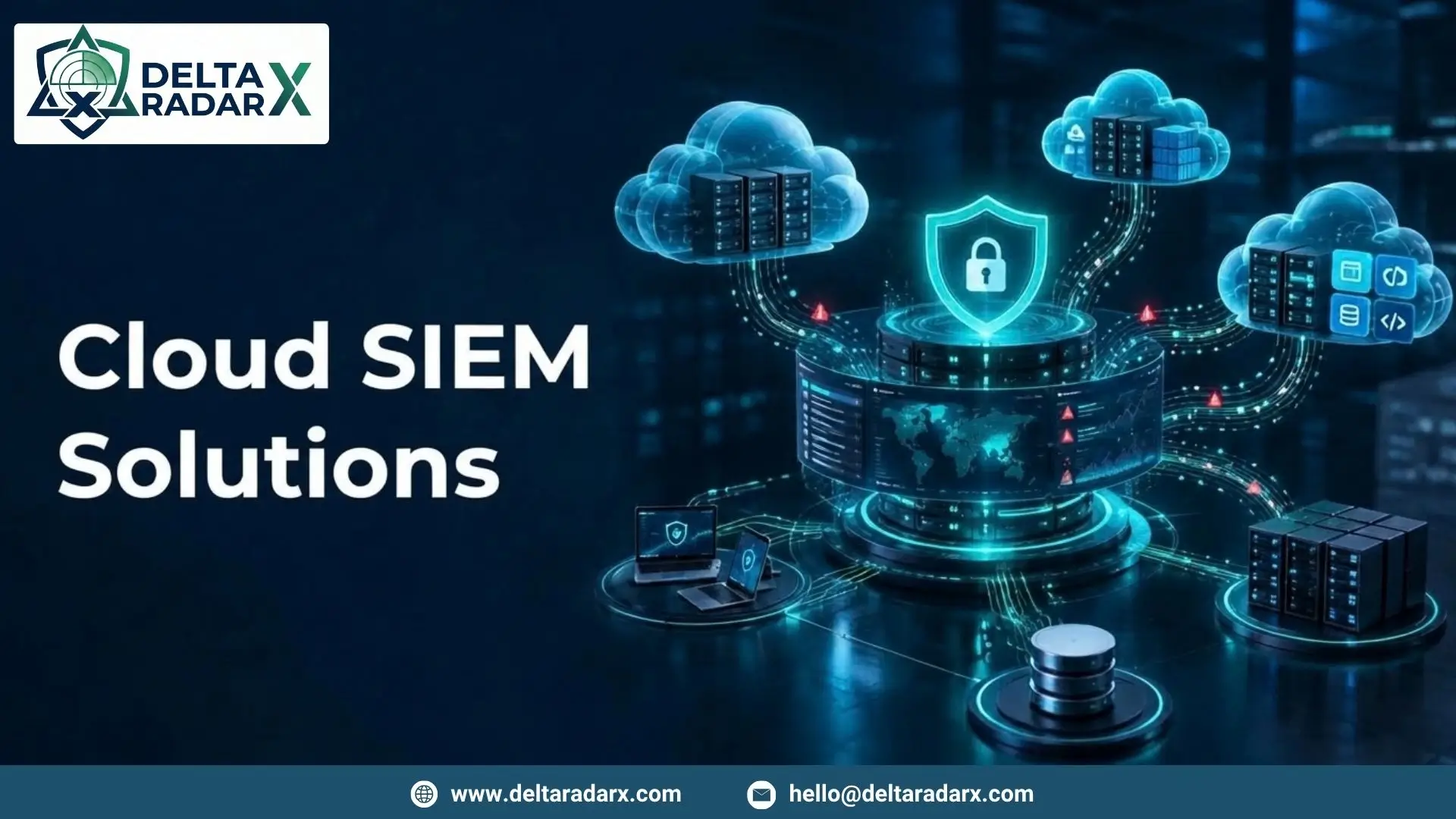
By continuously tuning SIEM rules, correlating security events, and automating repetitive response processes, organizations can reduce false positives while ensuring critical incidents receive immediate attention. Integrating these capabilities with Automated Incident Response further accelerates threat containment and minimizes operational disruption.
Benefits of Security Alert Management
Implementing Security Alert Management helps organizations improve security visibility while reducing the workload placed on cybersecurity teams. Intelligent alert prioritization enables analysts to focus on genuine threats instead of low-risk notifications, leading to faster investigations and more effective incident response.
Organizations also benefit from reduced operational costs, improved compliance reporting, stronger collaboration between security teams, and better protection against evolving cyber threats. As security operations mature, businesses experience fewer unnecessary alerts, improved detection accuracy, and a more resilient cybersecurity strategy.
Reducing unnecessary alerts also plays an important role in minimizing SOC Alert Fatigue, allowing analysts to remain focused on high-priority incidents without becoming overwhelmed by excessive notifications.