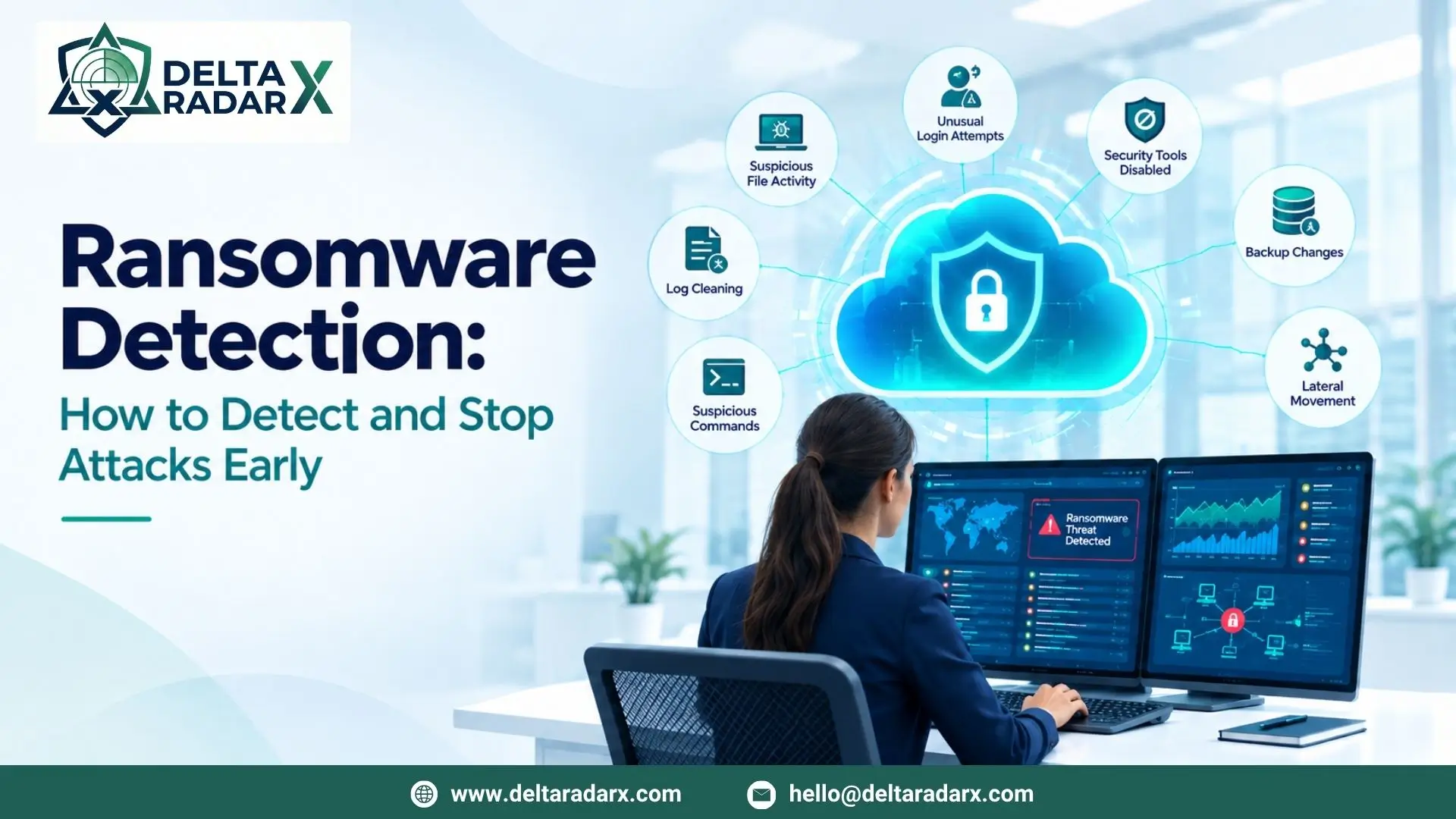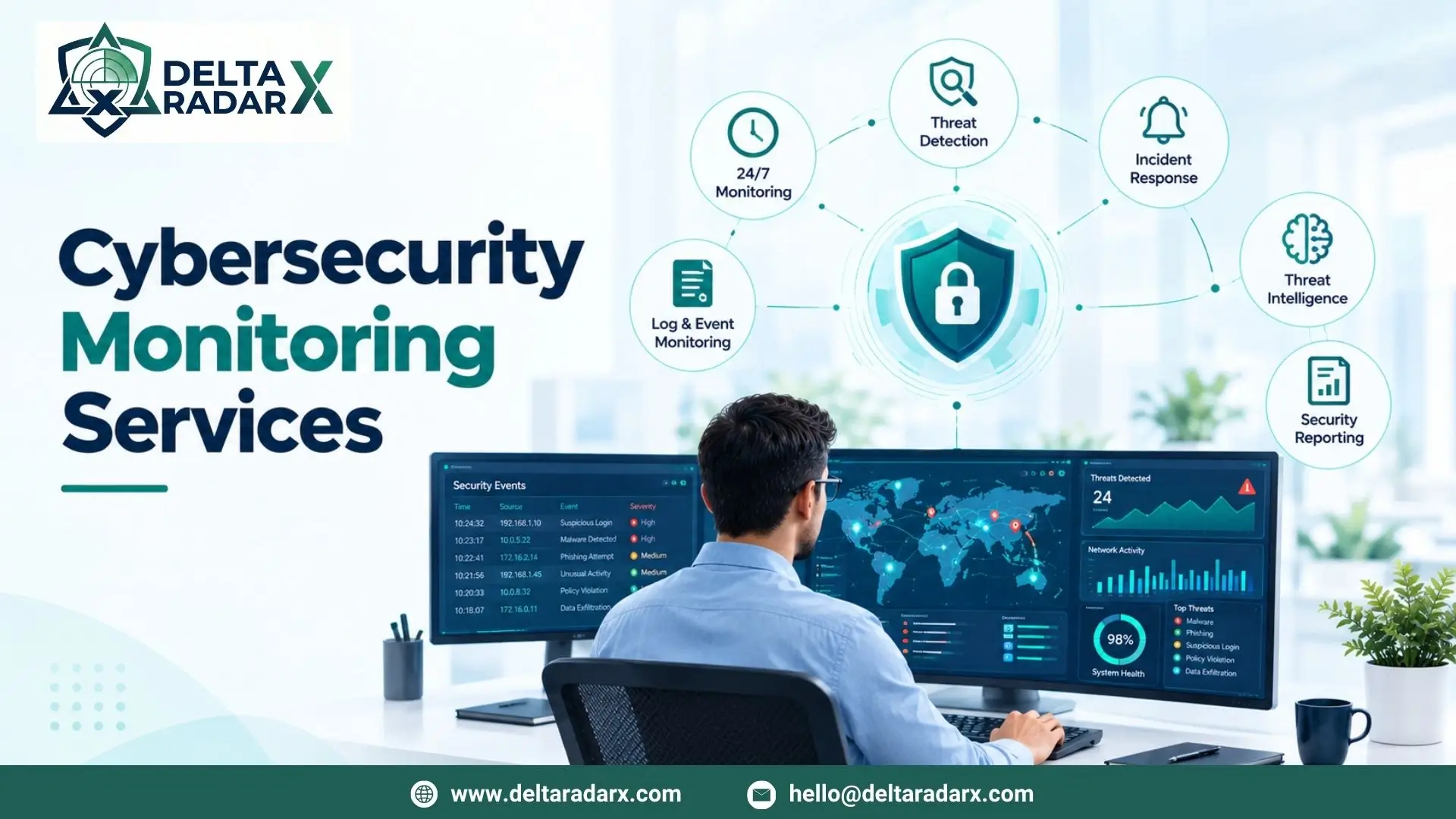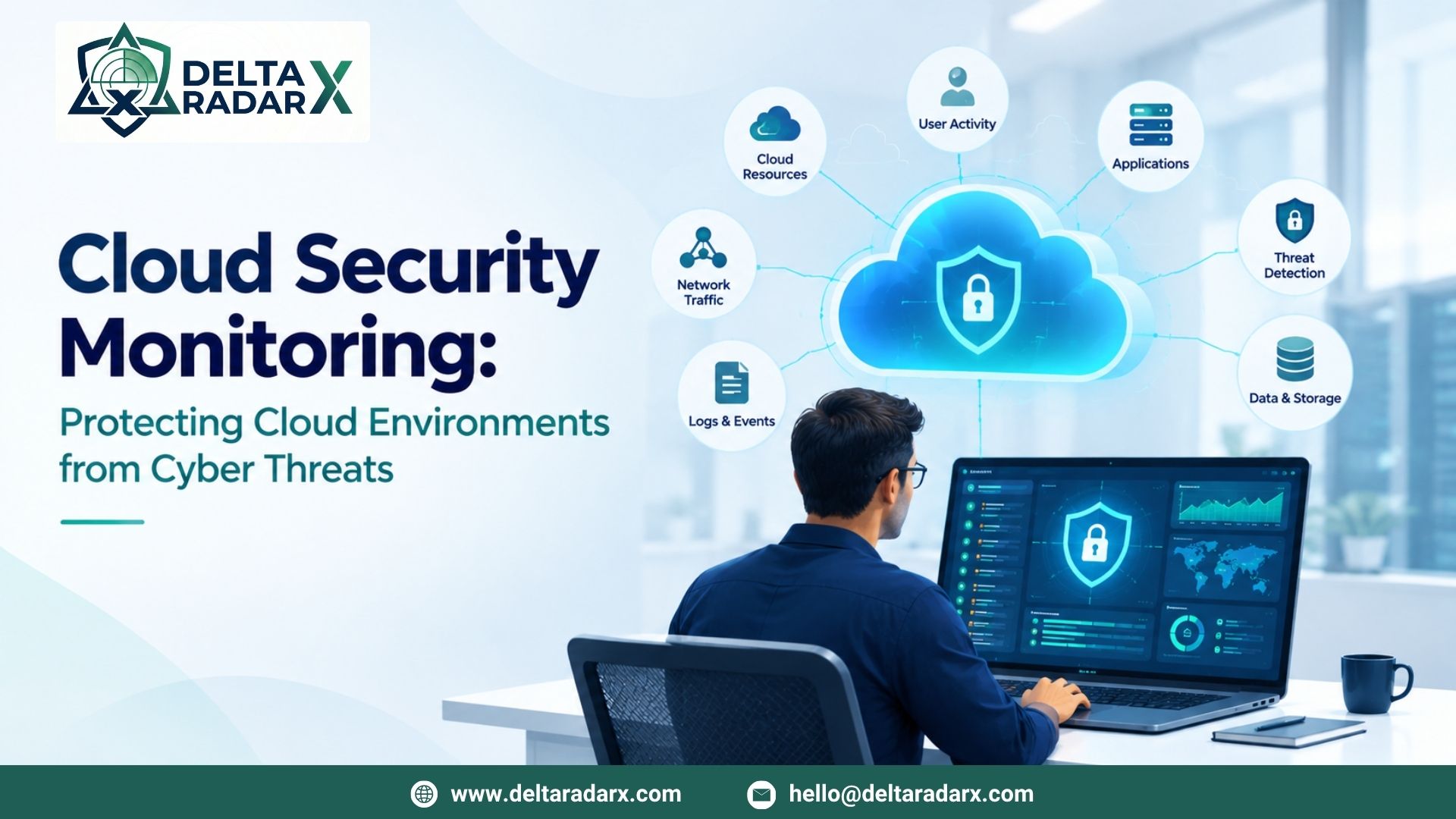

Cyber threats are evolving faster than ever, making it increasingly difficult for organizations to protect their IT environments using traditional security solutions alone. Attackers can exploit vulnerabilities within minutes, move laterally across networks, and compromise sensitive data before security teams even become aware of the intrusion. This is why Real-time Threat Detection has become an essential component of modern cybersecurity strategies.
Unlike traditional monitoring methods that rely on manual log analysis or delayed reporting, Real-time Threat Detection continuously analyzes security events as they occur. This enables organizations to identify malicious activity immediately, investigate suspicious behavior, and respond quickly before cyber threats can disrupt business operations.
Whether an organization operates on-premises, in the cloud, or within a hybrid environment, real-time visibility significantly improves security while reducing the impact of cyberattacks.
How Real-time Threat Detection Works
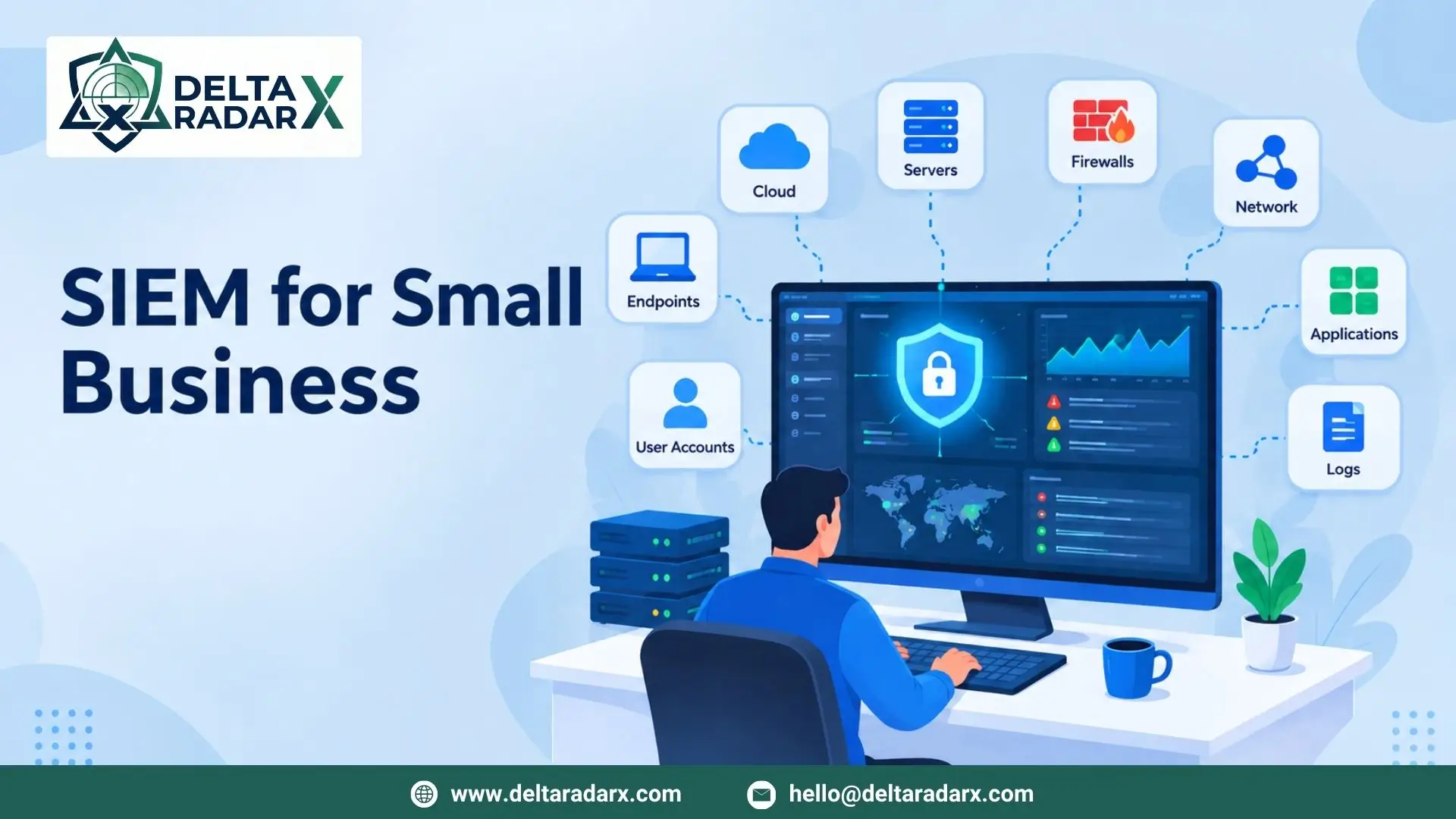
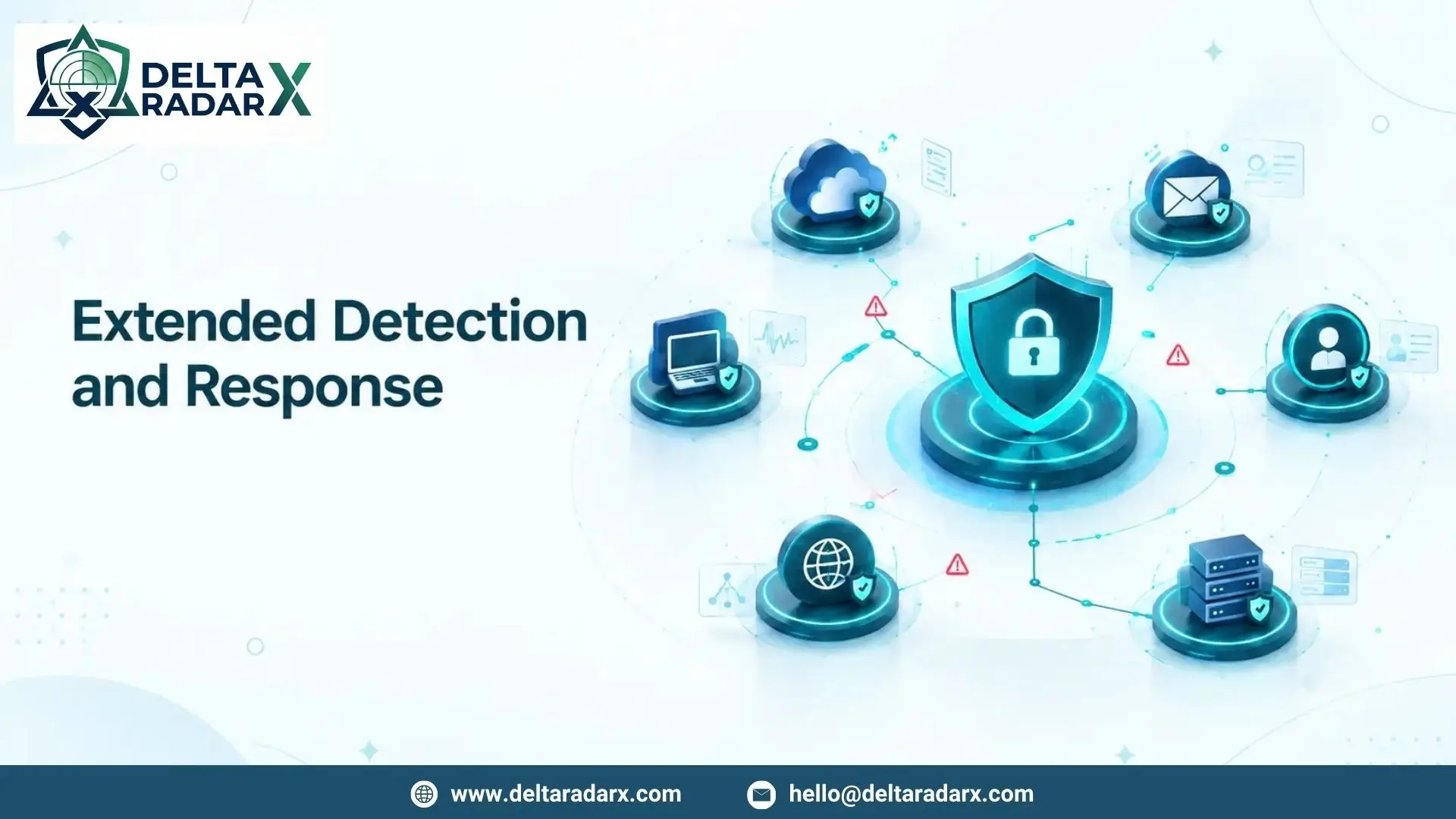
Real-time Threat Detection works by continuously collecting and analyzing security data from multiple sources across an organization’s IT infrastructure. These sources include firewalls, servers, endpoint devices, cloud platforms, identity management systems, applications, and network equipment.
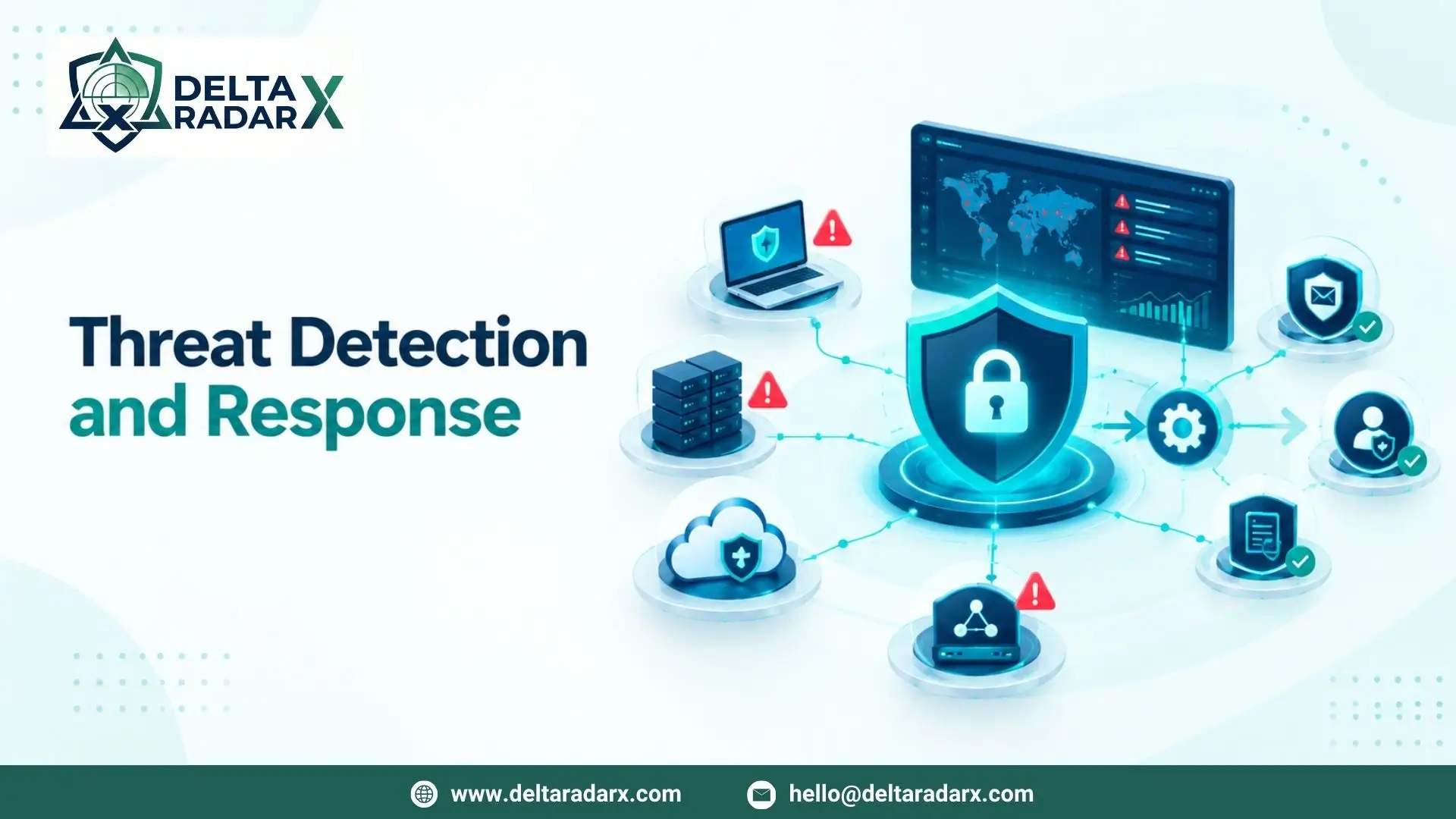
Advanced correlation engines compare millions of security events against predefined rules, behavioral baselines, and global threat intelligence feeds. When suspicious activity is detected, the system automatically generates alerts for security analysts to investigate.
Instead of manually reviewing thousands of log files, security teams receive prioritized alerts that highlight genuine threats. This dramatically reduces response time while helping organizations identify ransomware, phishing attempts, unauthorized access, insider threats, malware infections, and other advanced cyberattacks before they escalate.
Technologies That Power Real-time Threat Detection
Modern Real-time Threat Detection combines several advanced cybersecurity technologies to improve both visibility and detection accuracy.
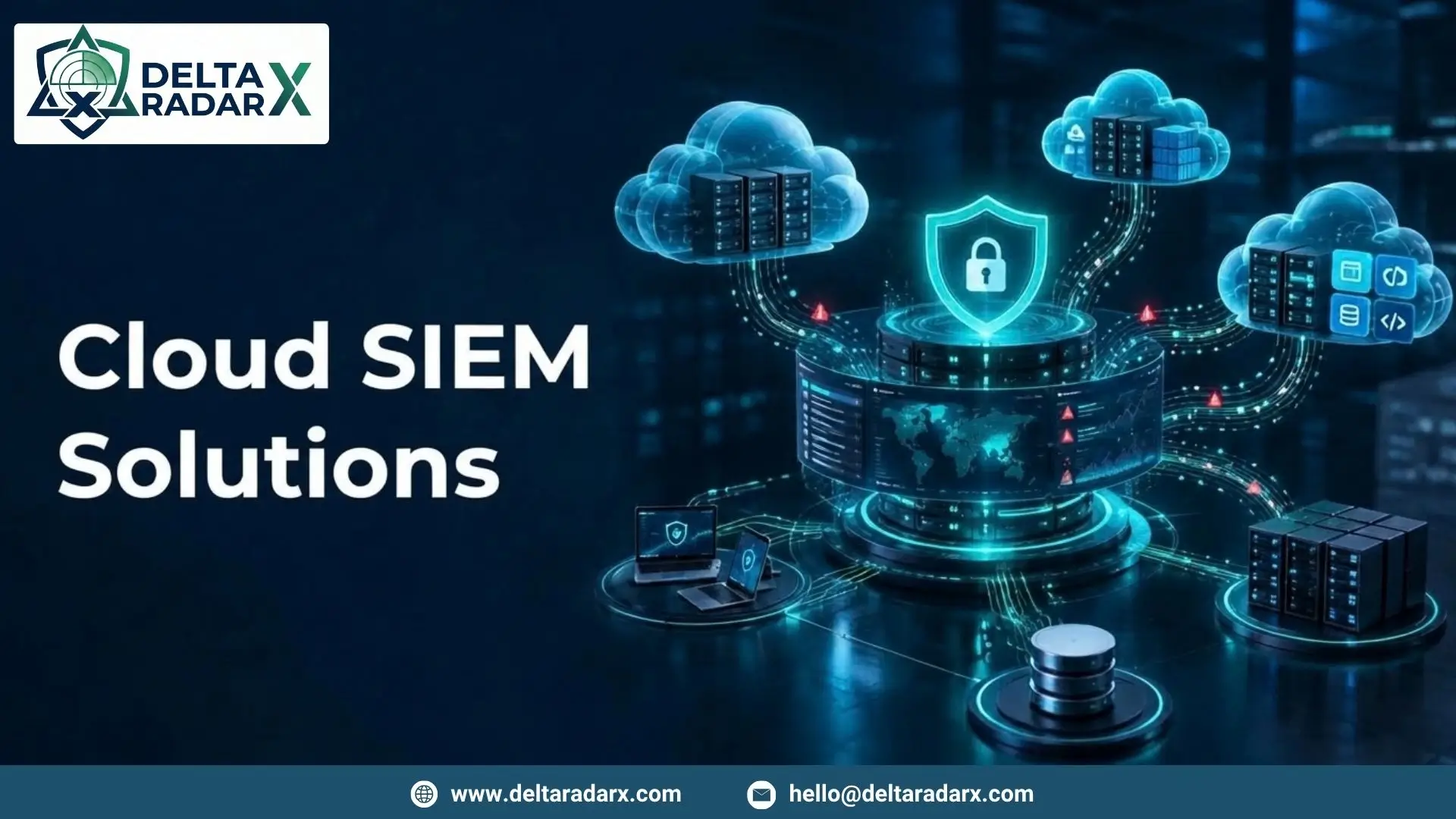
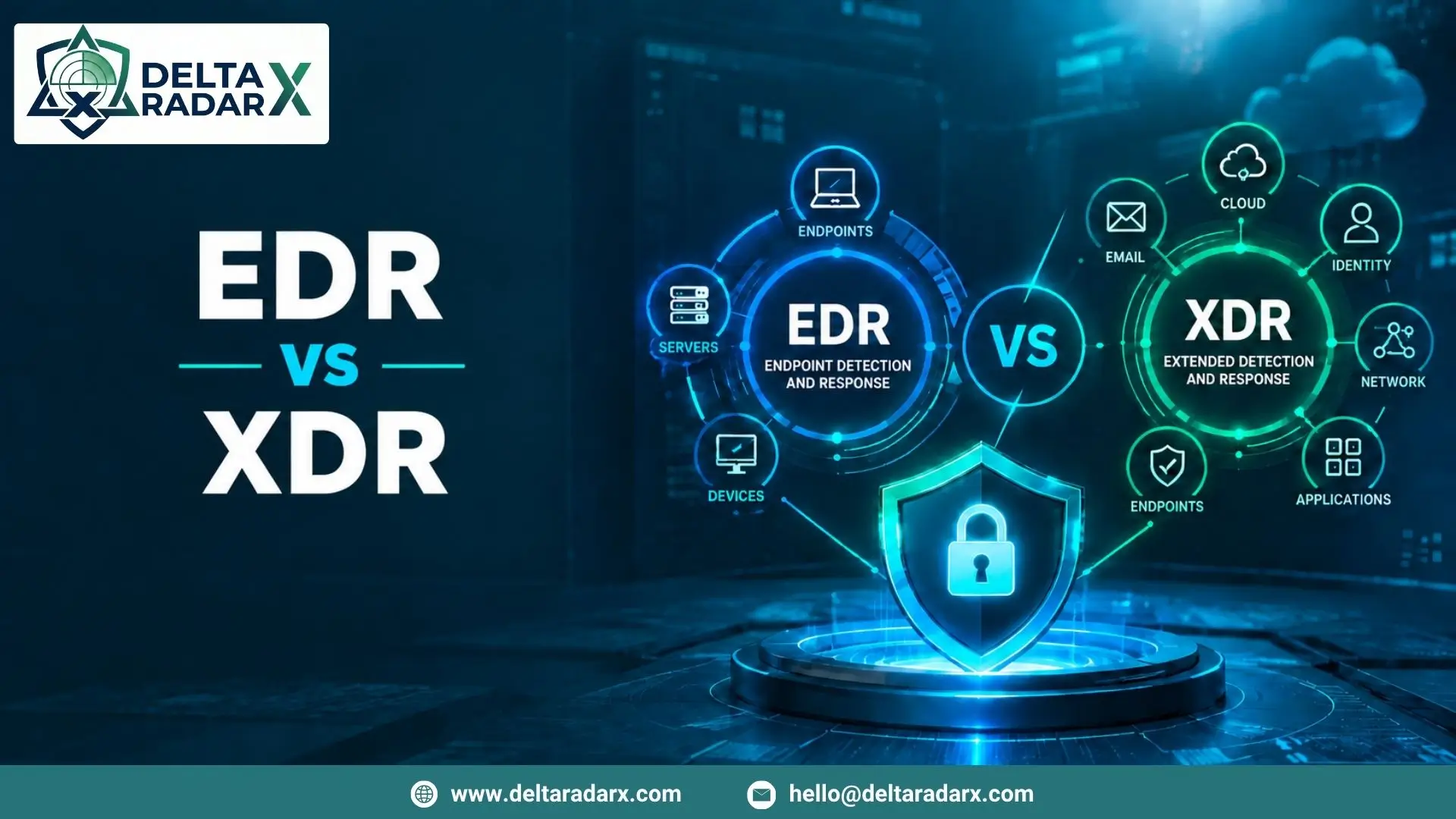
Security Information and Event Management (SIEM) platforms collect and correlate logs from across the enterprise, providing centralized visibility into security events. Endpoint Detection and Response (EDR) continuously monitors endpoints for suspicious processes, malicious files, and abnormal user activity. Threat intelligence platforms enrich alerts with indicators of compromise (IOCs), while behavioral analytics identifies unusual patterns that traditional signature-based security solutions may overlook.
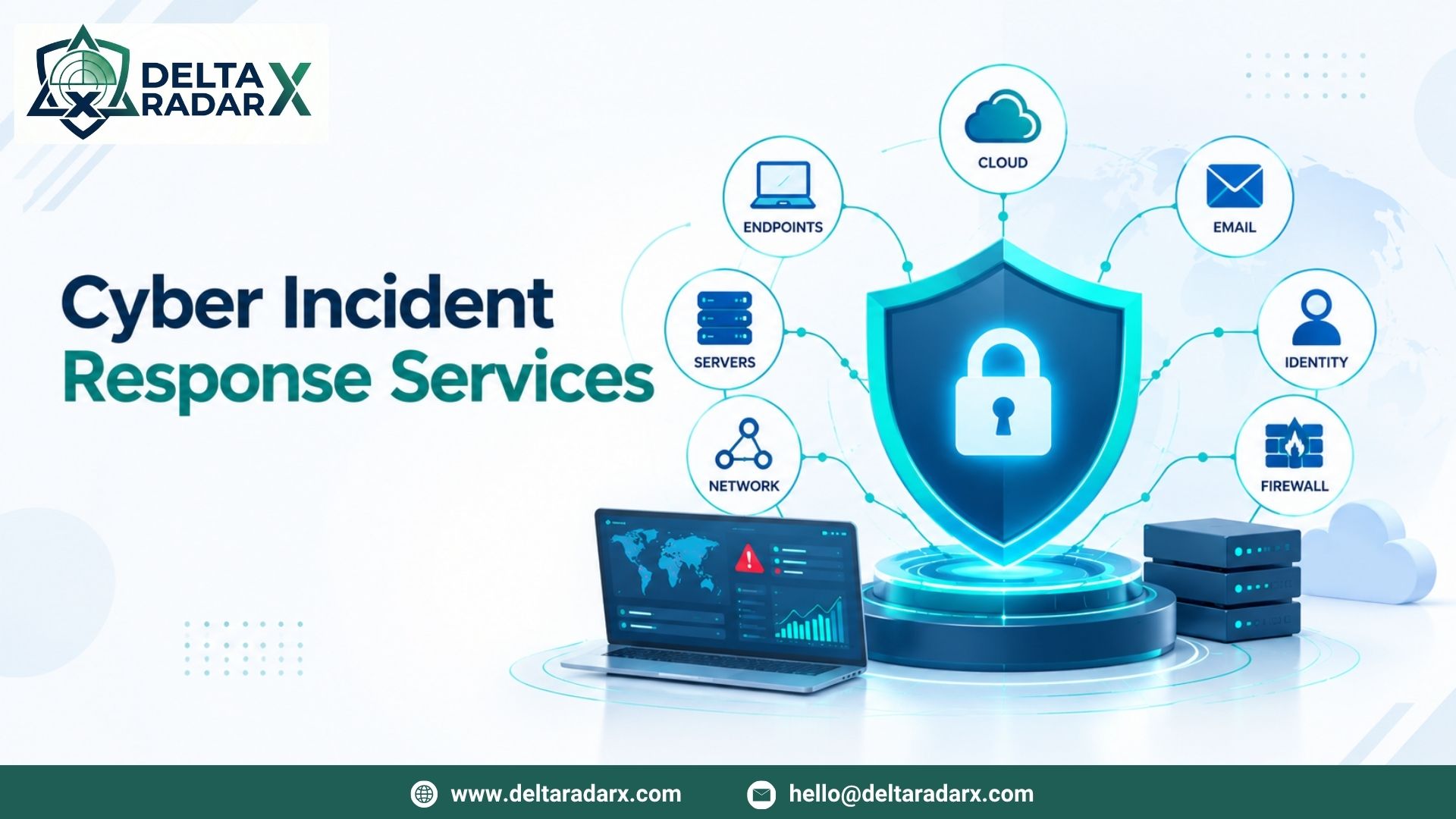
Automation also plays an important role by accelerating investigations and initiating predefined response actions, allowing organizations to contain threats much faster than manual processes.
Continuous Monitoring Strengthens Cybersecurity
Technology alone cannot stop every cyberattack. Effective Real-time Threat Detection also requires experienced security professionals who continuously monitor, investigate, and respond to emerging threats.
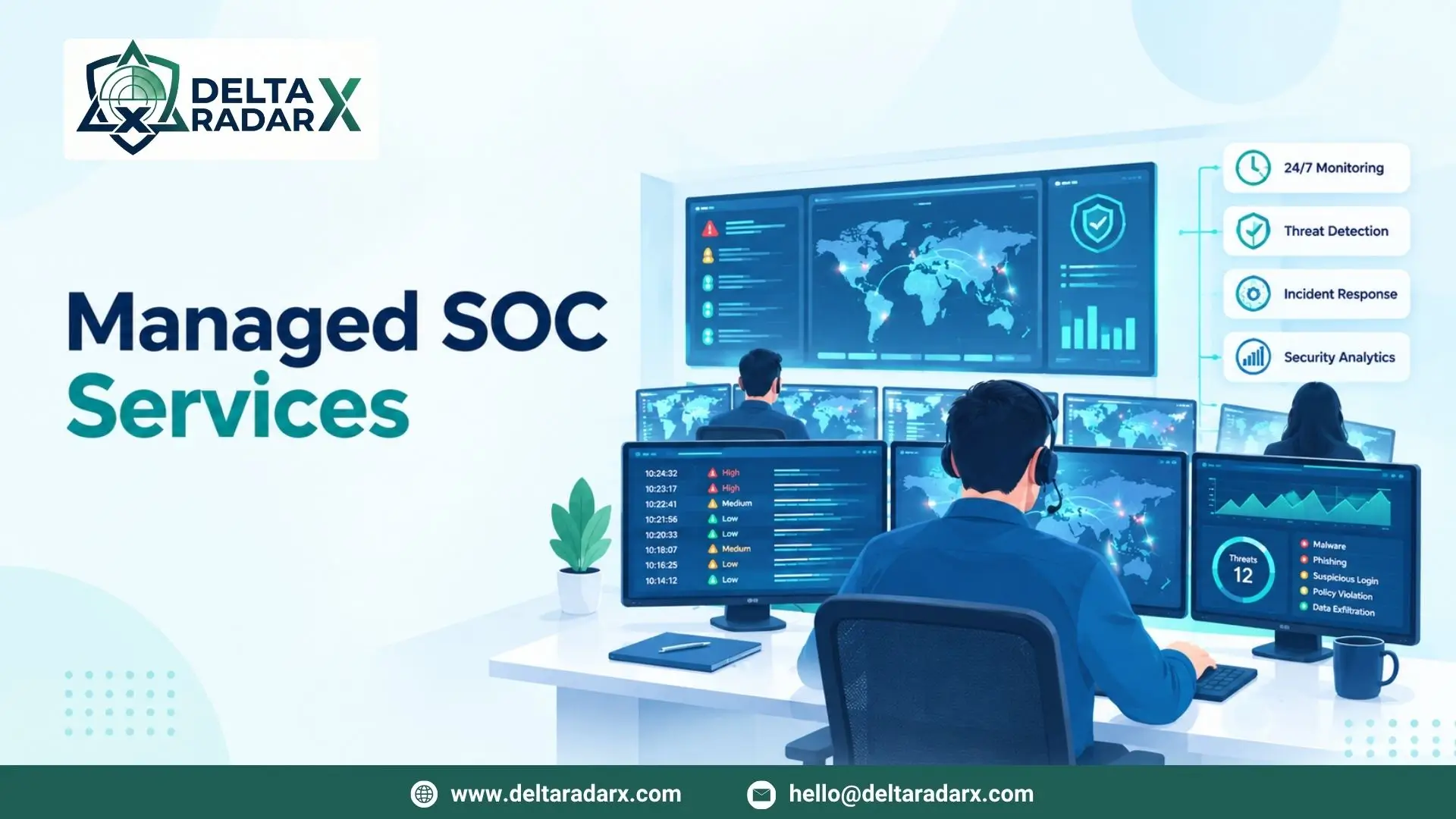
At DeltaRadarX, our cybersecurity specialists deliver 24/7 Security Operations Center (SOC) monitoring supported by real-time SIEM and log monitoring, Managed Detection and Response (MDR), and comprehensive incident handling. We further strengthen enterprise security through proactive threat intelligence, SOAR automation, Endpoint Detection and Response (EDR), network and firewall monitoring, continuous vulnerability assessments, and compliance reporting aligned with international standards such as ISO 27001, PCI DSS, HIPAA, GDPR, and NIST. Organizations can also benefit from our co-managed SOC services, custom rule engineering, and dashboard optimization to improve visibility across their existing security infrastructure.
Why Businesses Need Real-time Threat Detection
Implementing Real-time Threat Detection provides organizations with immediate visibility into cyber threats, enabling faster decision-making and more effective incident response. Detecting attacks early reduces the likelihood of data breaches, operational downtime, financial losses, and reputational damage.
Continuous monitoring also helps organizations maintain compliance with regulatory requirements by centralizing security logs, preserving audit trails, and generating detailed compliance reports. As cyber threats continue to grow in sophistication, businesses that invest in proactive threat detection are better prepared to defend critical systems and maintain customer trust.
Beyond security improvements, faster detection allows IT teams to focus on business innovation instead of constantly reacting to security incidents. This creates a more resilient cybersecurity strategy while supporting long-term organizational growth.
Related Cybersecurity Guides
To understand the foundation of centralized security monitoring, read our What Is SIEM guide and learn how Security Information and Event Management improves threat visibility. If you’re planning to build or outsource your security operations, explore our Managed SIEM Services guide to discover how expert monitoring simplifies enterprise security. You can also read our Security Operations Center (SOC) Explained, 24/7 Security Monitoring Services, and Security Event Monitoring Tools articles to learn how continuous monitoring and professional security operations help organizations stay protected against evolving cyber threats.