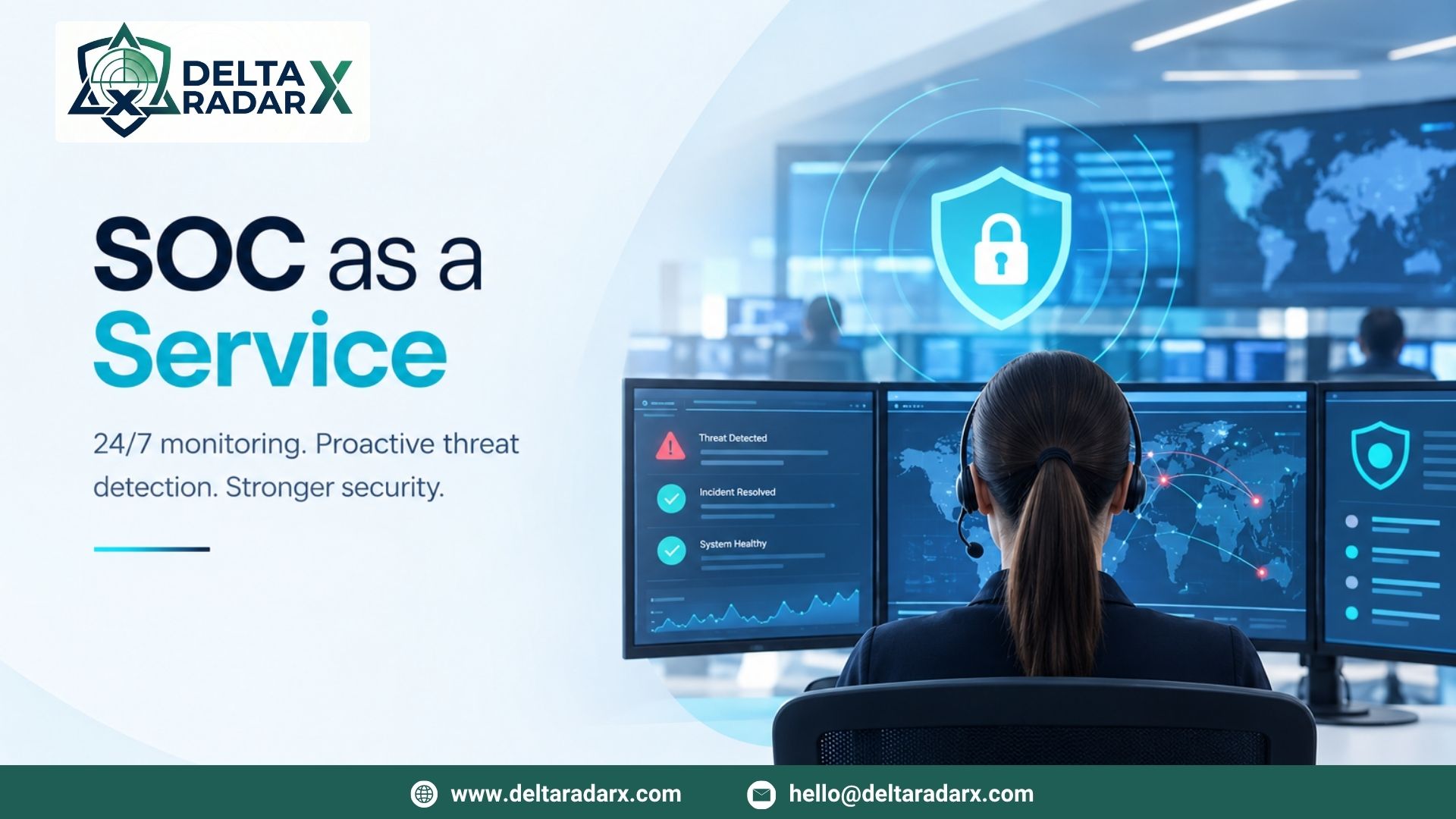

Cyber threats continue to evolve, making it essential for organizations to monitor their IT environments around the clock. A Security Operations Center (SOC) is a centralized team responsible for detecting, investigating, and responding to cybersecurity threats before they can disrupt business operations. This Security Operations Center (SOC) explained guide explores how a SOC works, its core responsibilities, and why it plays a critical role in protecting modern organizations.
A well-managed SOC combines skilled security analysts, advanced monitoring tools, threat intelligence, and incident response processes to provide continuous visibility across an organization’s infrastructure. By identifying suspicious activity early, businesses can reduce security risks, minimize downtime, and strengthen their overall cybersecurity posture.
How a Security Operations Center Works
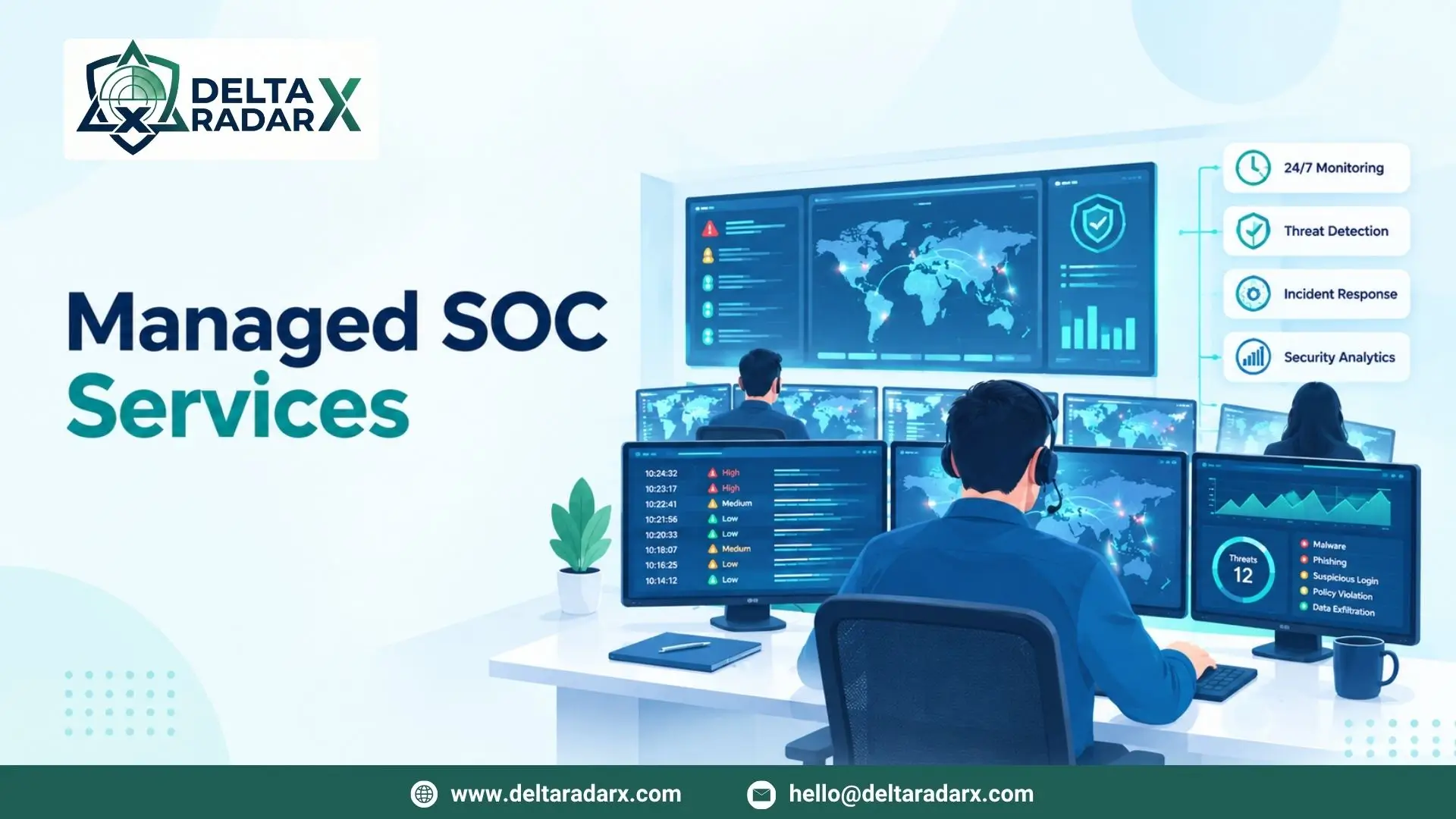
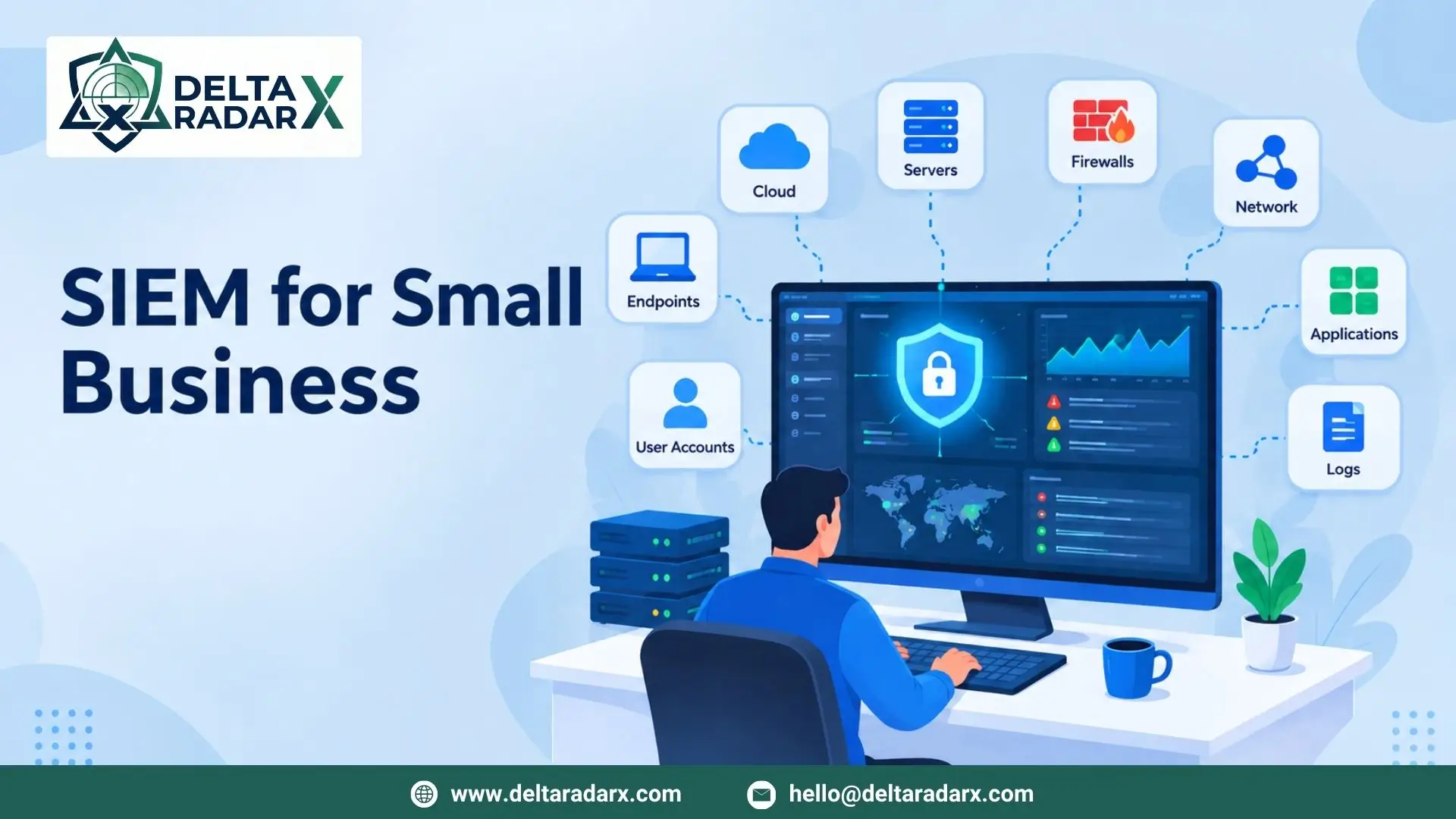
Understanding Security Operations Center (SOC) explained starts with knowing how security monitoring operates. A SOC continuously collects and analyzes security data from servers, firewalls, cloud environments, endpoint devices, applications, and network infrastructure. This information is reviewed in real time to identify unusual behavior that may indicate a cyberattack.
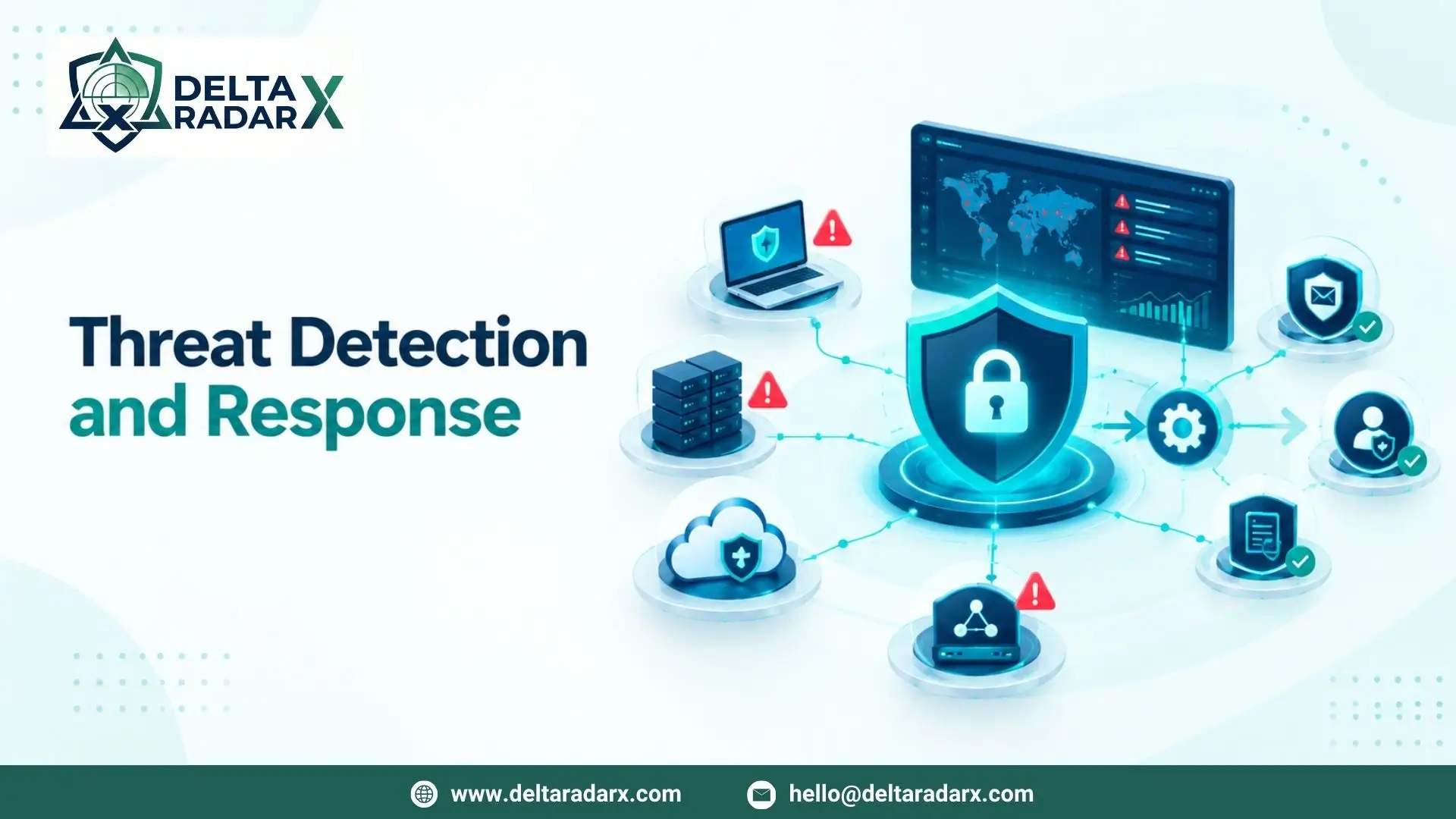
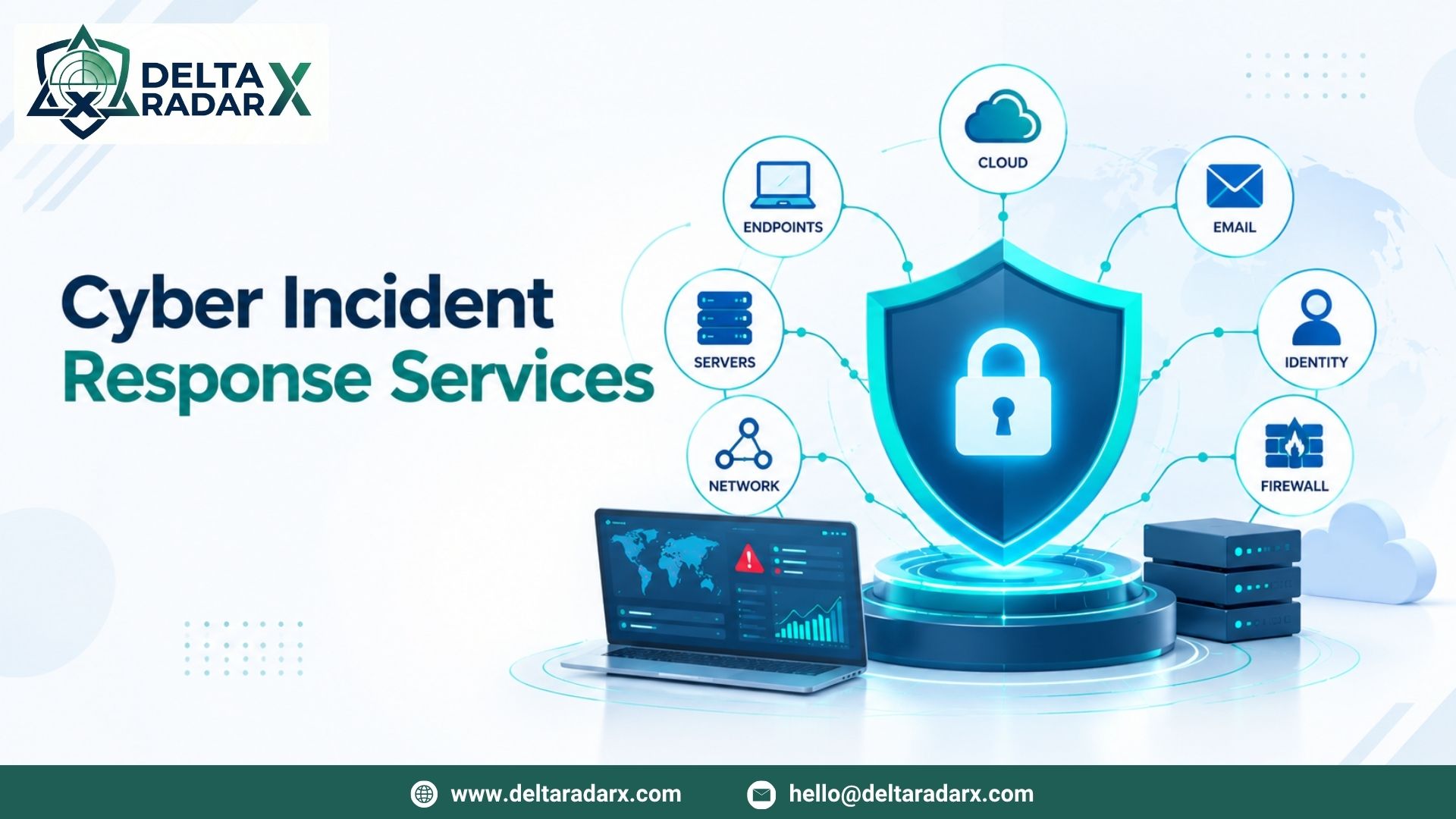
When suspicious activity is detected, security analysts investigate alerts, determine the severity of the incident, and coordinate an appropriate response. This proactive approach helps organizations contain threats before they lead to data breaches or operational disruption.
Core Responsibilities of a SOC
A Security Operations Center performs much more than monitoring alerts. Security analysts continuously investigate suspicious events, validate threats, prioritize incidents, and coordinate remediation activities. They also review security trends, improve detection rules, and ensure security controls remain effective against emerging threats.
A modern SOC also supports compliance initiatives by maintaining centralized log management, detailed audit records, and security reporting that helps organizations meet industry regulations and internal security policies.
Continuous Security Monitoring
An effective SOC combines skilled professionals with advanced cybersecurity technologies. At DeltaRadarX, our security operations include 24/7 Security Operations Center monitoring, real-time SIEM and log monitoring, Managed Detection and Response (MDR), incident handling, and proactive threat intelligence to identify and contain threats before they impact business operations. We also strengthen security through SOAR automation, Endpoint Detection and Response (EDR), network and firewall monitoring, continuous vulnerability assessments, compliance reporting aligned with international standards, and co-managed SOC support that adapts to each organization’s operational requirements.
Why Organizations Need a SOC
Every organization, regardless of size, faces increasing cybersecurity risks. A dedicated Security Operations Center improves visibility across the entire IT environment while reducing response times during security incidents. Continuous monitoring helps organizations detect attacks that traditional security tools may miss, reducing the likelihood of financial losses, reputational damage, and business disruption.
As cyber threats become more sophisticated, organizations that invest in professional security operations are better positioned to protect sensitive information, maintain customer trust, and meet regulatory requirements.
Related Cybersecurity Guides
To better understand the technology behind security monitoring, read our What Is SIEM guide and learn how Security Information and Event Management supports threat detection. If you’re planning to deploy a monitoring platform, explore our SIEM Implementation Guide for deployment best practices. You can also read our Managed SIEM Services guide to discover how outsourced security monitoring and expert incident response help organizations strengthen their cybersecurity strategy.