
Organizations looking to improve their cybersecurity often face an important decision when choosing a Security Information and Event Management (SIEM) solution. One of the most common comparisons is Open-source vs Managed SIEM, as both approaches offer valuable security capabilities but differ in cost, management, scalability, and operational requirements. Understanding these differences helps businesses choose a solution that aligns with their security goals, available resources, and long-term growth plans.
An open-source SIEM platform provides organizations with greater flexibility and control over their security infrastructure, while a managed SIEM solution combines advanced monitoring technology with expert cybersecurity services that reduce operational complexity. The right choice depends on your organization’s technical expertise, budget, and security requirements.
Understanding Open-source vs Managed SIEM
When comparing Open-source vs Managed SIEM, the biggest difference lies in who manages the platform. Open-source SIEM solutions require organizations to deploy, configure, maintain, and optimize the platform using internal security teams. This approach offers greater customization but also demands ongoing maintenance, rule tuning, and skilled cybersecurity professionals.
Managed SIEM, on the other hand, allows organizations to outsource security monitoring to experienced providers who continuously monitor, investigate, and respond to threats. Businesses gain enterprise-grade security capabilities without the burden of managing the platform themselves.
Key Differences Between Both Approaches
Open-source SIEM solutions typically have lower software licensing costs, making them attractive for organizations with experienced IT and security teams. However, deployment, maintenance, infrastructure, and staffing costs can increase significantly over time.
Managed SIEM services provide predictable operational costs while delivering continuous monitoring, expert threat detection, and faster incident response. Organizations also benefit from ongoing platform optimization, reducing the need for internal resources and allowing IT teams to focus on strategic business initiatives.
Security Operations and Ongoing Management
Choosing between Open-source vs Managed SIEM also affects daily security operations. While open-source platforms provide flexibility, they require continuous monitoring, regular updates, and dedicated security expertise to remain effective against evolving cyber threats.
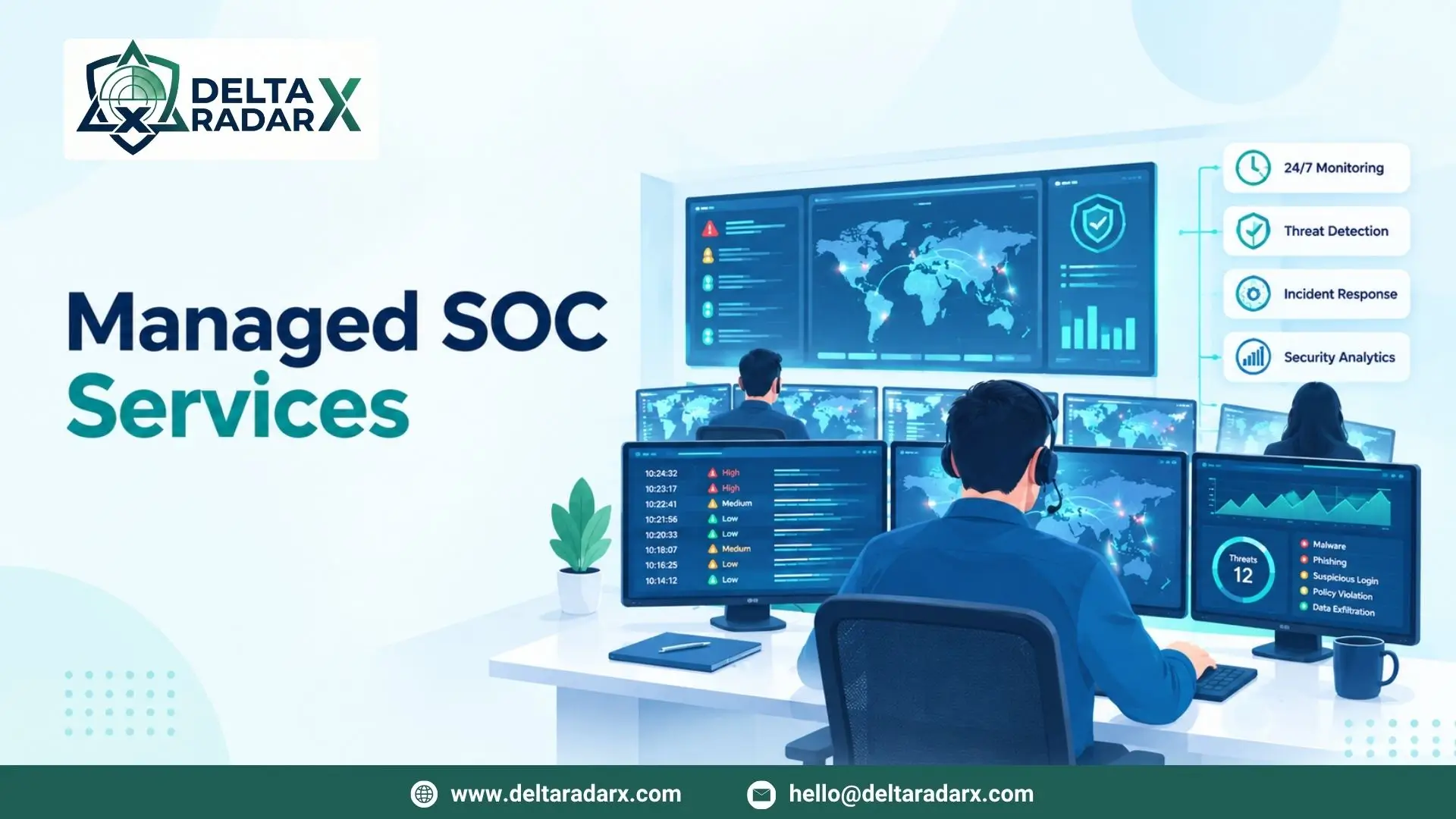
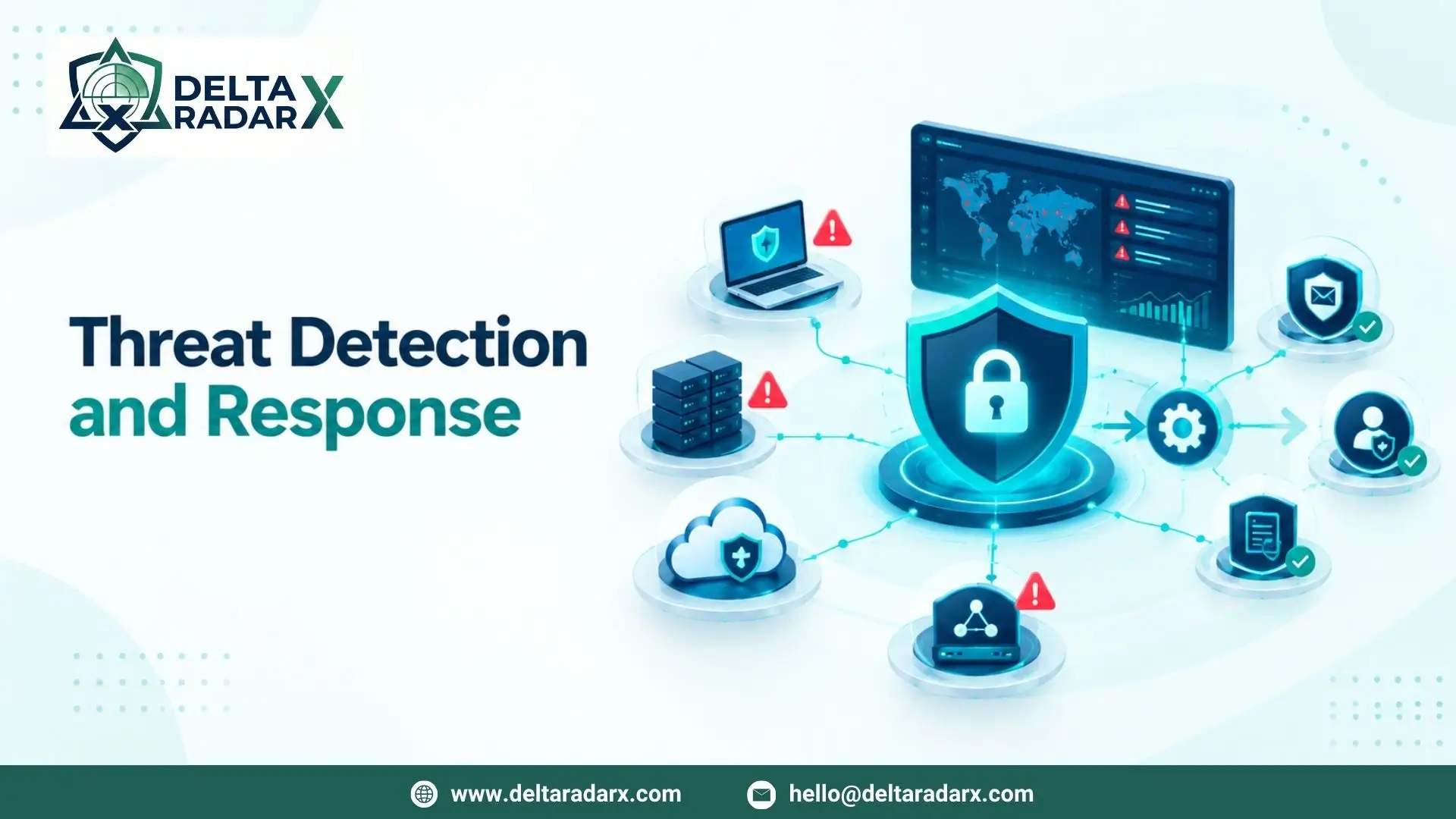
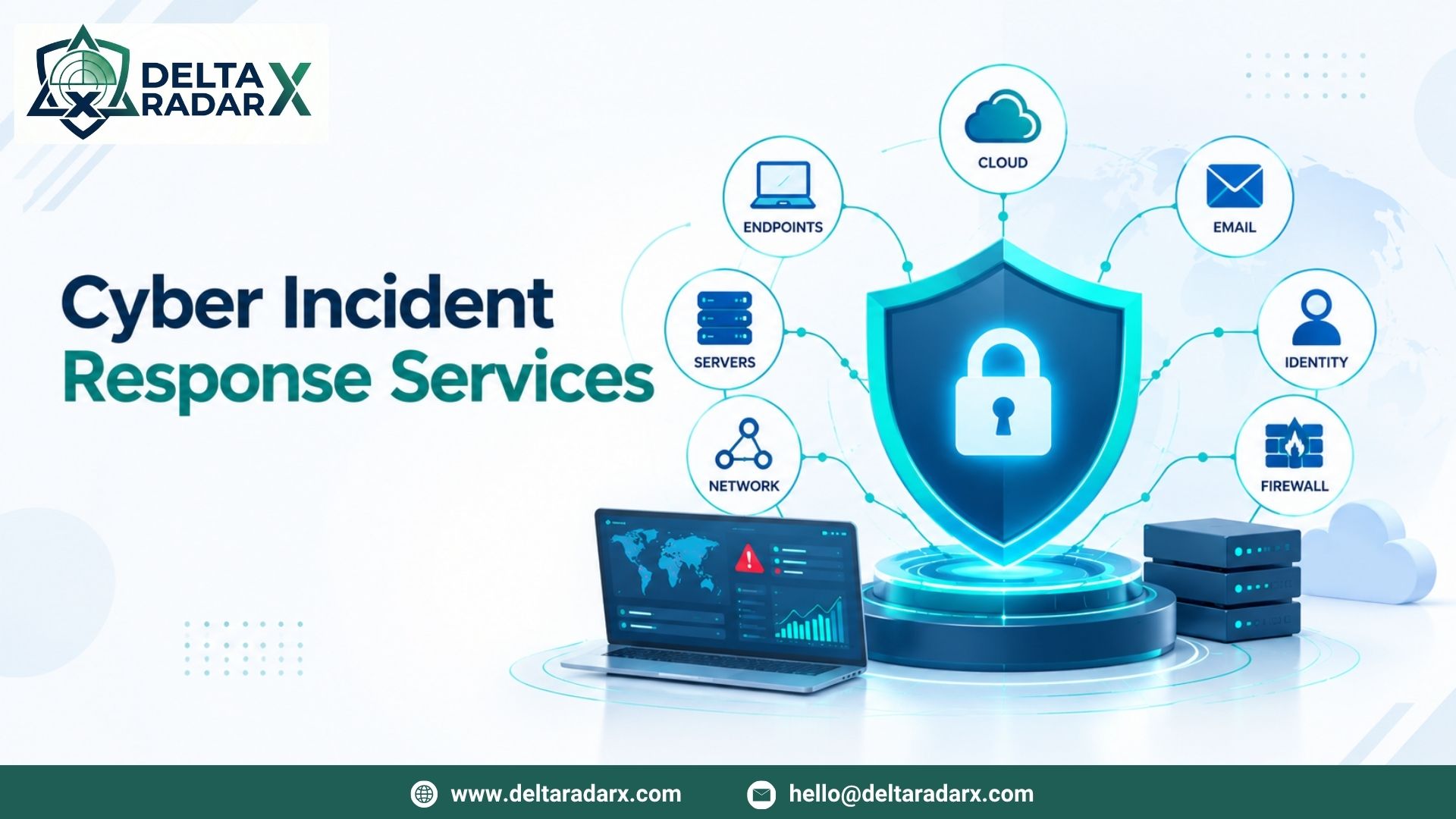
At DeltaRadarX, we enhance managed SIEM deployments through 24/7 Security Operations Center (SOC) monitoring, real-time SIEM and log monitoring, Managed Detection and Response (MDR), incident handling, and proactive threat intelligence. Our security teams also utilize SOAR automation, Endpoint Detection and Response (EDR), network and firewall monitoring, continuous vulnerability assessments, and compliance reporting to help organizations strengthen their security posture while reducing operational complexity through co-managed SOC support when needed.
Which Option Is Right for Your Business?
The decision between Open-source vs Managed SIEM depends on your organization’s cybersecurity maturity. Businesses with experienced security engineers, sufficient budgets, and dedicated SOC teams may benefit from the flexibility of an open-source platform.
Organizations with limited cybersecurity resources, growing compliance requirements, or the need for continuous monitoring often achieve better results with a managed SIEM solution. By outsourcing security operations, businesses can improve visibility, accelerate threat detection, and reduce response times without building a large in-house security team.
Related Cybersecurity Guides
Before comparing SIEM deployment options, read our What Is SIEM guide to understand the fundamentals of Security Information and Event Management. If you’re planning to deploy a security monitoring platform, explore our SIEM Implementation Guide to learn the key steps for a successful deployment. You can also read our Managed SIEM Services guide to discover how expert monitoring, incident response, and continuous security operations help organizations stay protected against modern cyber threats.