Cyberattacks are becoming more complex.
An attack may start with a phishing email. It can then move to an endpoint, user account, cloud application, or network.
Because of this, security teams need visibility across different parts of their IT environment.
Extended detection and response helps provide this broader visibility. It connects security data from multiple sources and helps teams detect, investigate, and respond to threats.
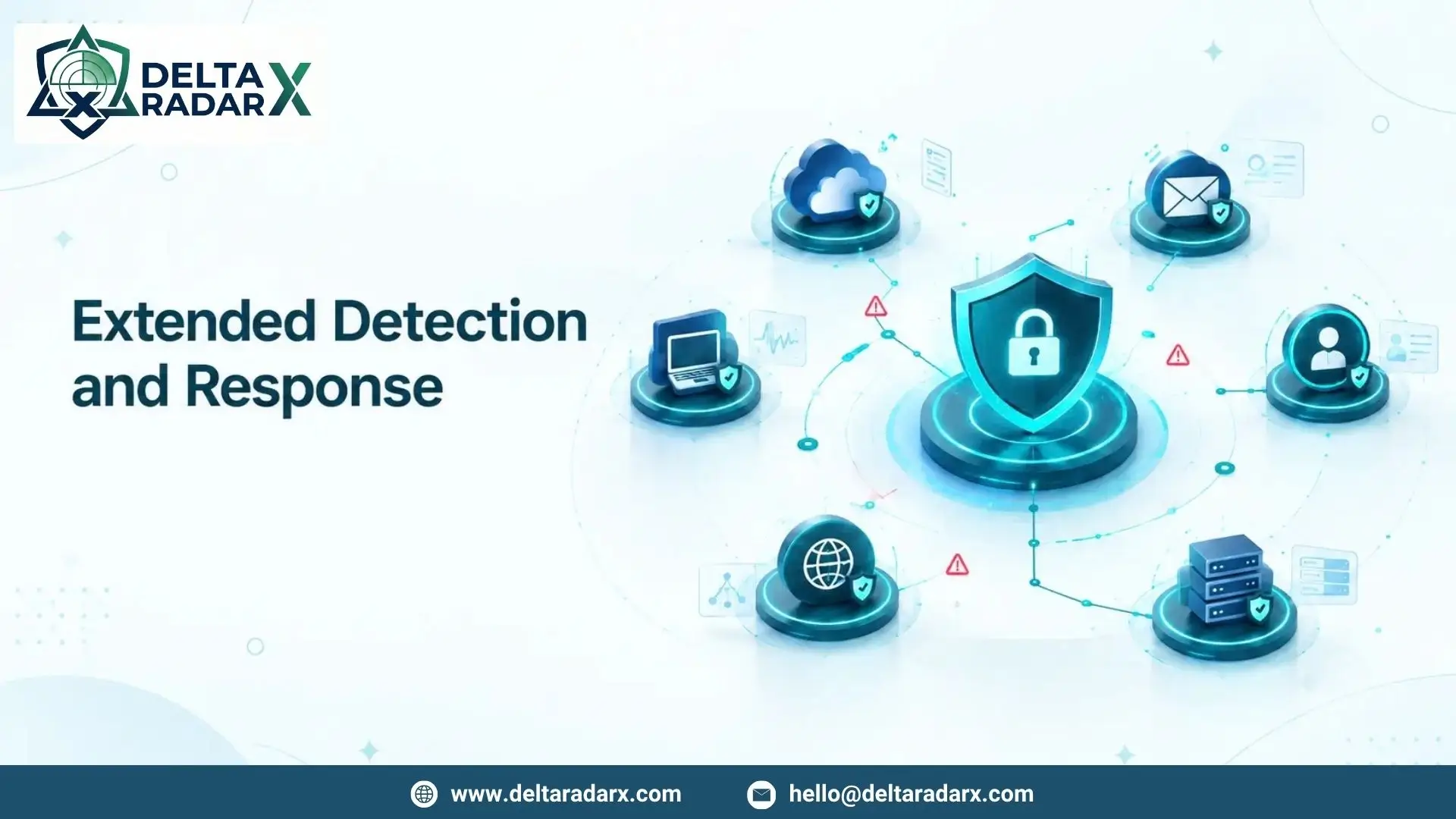
Unlike endpoint-focused security tools, XDR can bring information from endpoints, networks, email, identity systems, cloud platforms, and other security technologies into a connected security view.
This guide explains what extended detection and response is, how it works, its main features, benefits, limitations, and how it differs from other security technologies.
What Is Extended Detection and Response?
Extended Detection and Response, commonly called XDR, is a cybersecurity approach that combines threat detection and response across multiple security layers.
The word extended is important.
Traditional endpoint security focuses mainly on individual devices. XDR expands visibility beyond endpoints.
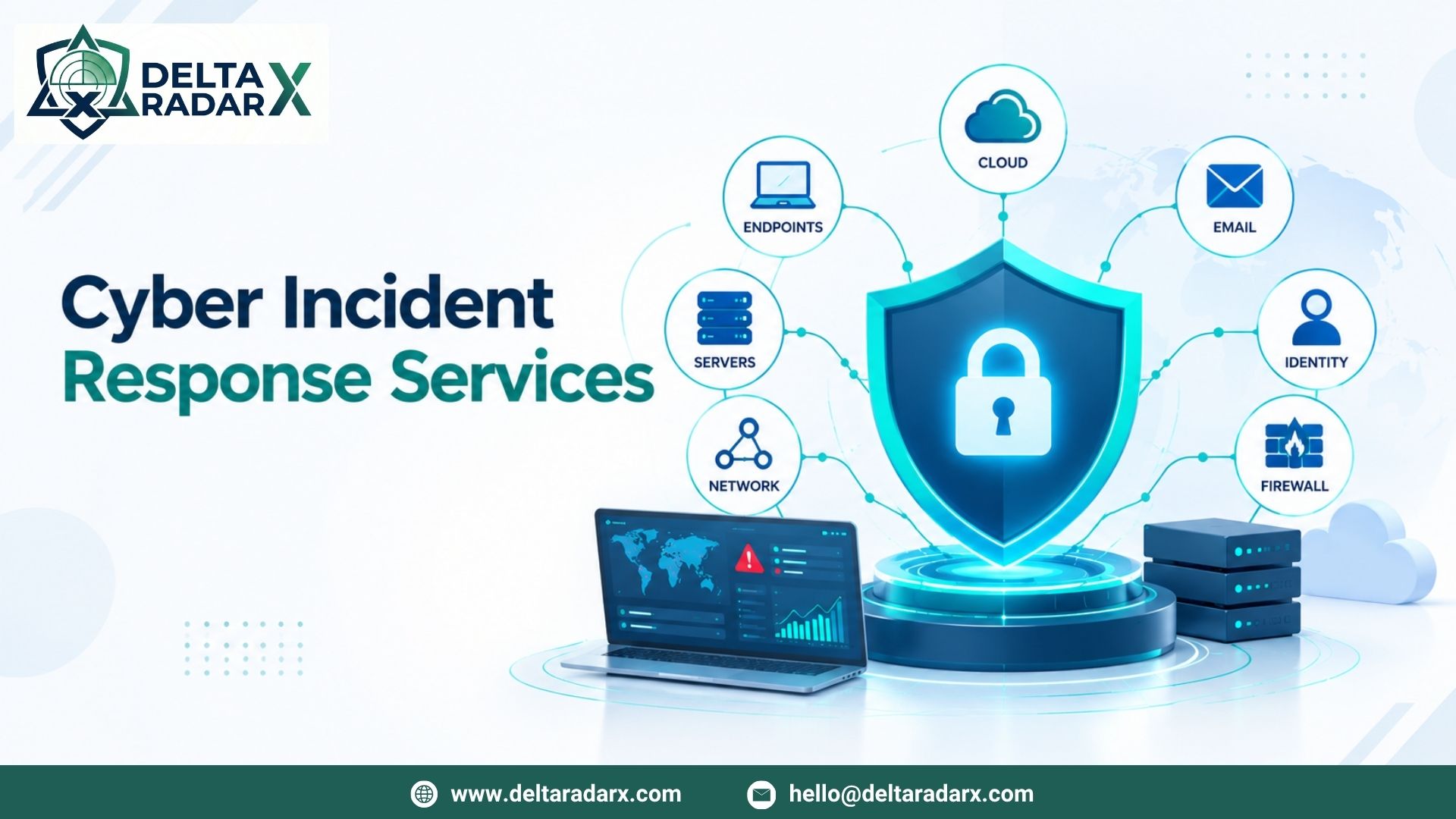
Depending on the platform, XDR can collect security information from:
- Endpoints
- Servers
- Networks
- Firewalls
- Email systems
- Identity platforms
- Cloud environments
- Applications
- Security tools
The platform can then analyze these events together.
This helps security analysts understand whether separate events are connected to the same security incident.
For example, a suspicious email may lead to an unusual login. That login may then be followed by suspicious endpoint activity.
XDR can connect these events and provide additional context for the investigation.
How Does Extended Detection and Response Work?
XDR generally follows a continuous process.
It collects security data, analyzes events, identifies threats, and supports response actions.
1. Security Data Collection
The first step is collecting security information.
XDR can receive data from different security technologies.
For example, it may collect endpoint alerts, network events, email activity, and identity events.
The available data sources depend on the XDR platform and its integrations.
2. Data Analysis
The collected data is analyzed for suspicious activity.
XDR can use several detection methods, including:
- Security rules
- Behavioral analysis
- Threat intelligence
- Security analytics
- Machine learning
These methods can help identify unusual patterns.
3. Event Correlation
Event correlation is an important part of XDR.
A single security event may not provide enough information to identify an attack.
However, several related events can create a clearer picture.
For example:
- A user receives a suspicious email.
- The user clicks a malicious link.
- An unusual login occurs.
- A device starts a suspicious process.
- The device communicates with an unusual external destination.
XDR can connect these events.
As a result, analysts can investigate the activity as part of a broader incident.
4. Threat Detection
After analyzing and correlating events, the platform can generate alerts for suspicious activity.
These alerts can help security teams identify potential:
- Malware
- Phishing attacks
- Account compromise
- Ransomware activity
- Suspicious network behavior
- Unauthorized access
- Data-related threats
Security analysts can then review the available evidence.
5. Investigation
XDR can bring related information together for investigation.
Analysts can review events from different security layers.
For example, they may examine endpoint activity together with identity and network events.
This can reduce the need to investigate each security tool separately.
6. Response
XDR can also support security response.
Depending on the platform, response actions may include:
- Isolating an endpoint
- Blocking malicious activity
- Disabling or investigating an account
- Blocking suspicious network communication
- Removing malicious files
The exact response capabilities depend on the platform and its integrations.
Key Features of Extended Detection and Response
XDR platforms can provide several security capabilities.
Cross-Layer Threat Detection
XDR can detect threats across multiple security layers.
This provides broader visibility than a security solution that focuses on only one data source.
Security Data Correlation
XDR can connect related events.
This helps analysts understand relationships between different security activities.
Centralized Investigation
Security teams can investigate connected events through a centralized platform.
This can make incident analysis easier.
Behavioral Detection
XDR can analyze behavior instead of relying only on known threat signatures.
This can help identify unusual activity.
Threat Intelligence
Threat intelligence can provide additional information about suspicious indicators.
For example, it may provide context about malicious IP addresses, domains, or other indicators.
Automated Response
Some XDR platforms support automated response actions.
Automation can help security teams respond to certain events more quickly.
However, organizations should configure automation carefully to avoid disrupting legitimate activity.
Managed Extended Detection and Response
Managed extended detection and response combines XDR technology with security services delivered by a security provider.
Instead of relying entirely on an internal team to monitor XDR alerts, organizations can receive support from security professionals.
Depending on the provider, managed services may include:
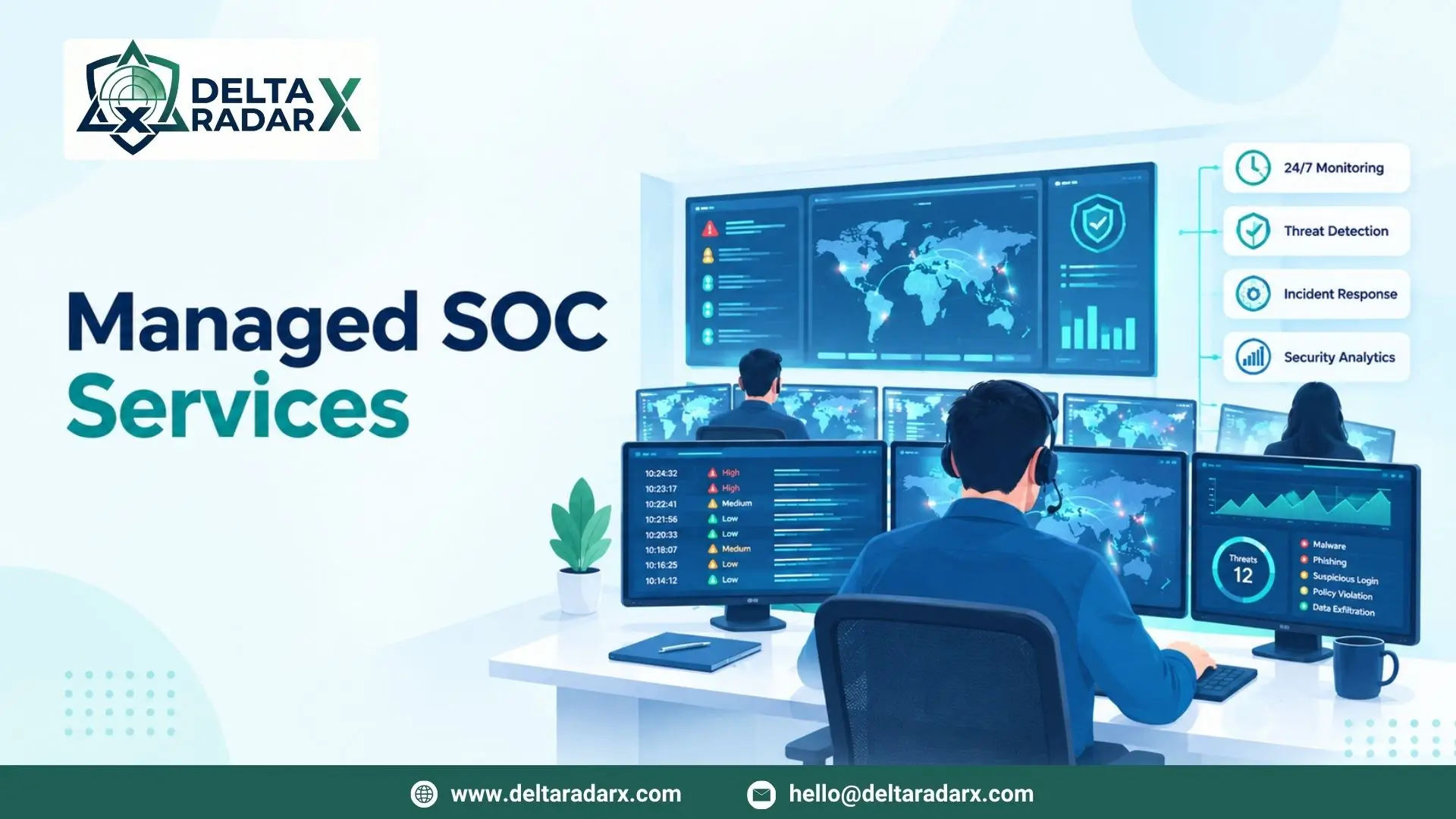
- 24/7 security monitoring
- Alert investigation
- Threat detection
- Threat hunting
- Incident response
- Security analysis
- Security reporting
This approach can be useful for organizations that have limited internal security resources.
A managed XDR service can also help organizations maintain continuous monitoring.
Benefits of Extended Detection and Response
XDR can provide several benefits for modern security operations.
Broader Security Visibility
XDR can collect information from different security layers.
This gives analysts more context during investigations.
Better Incident Context
Related security events can be viewed together.
Therefore, analysts may have a clearer understanding of how an incident developed.
Faster Investigations
Security teams can investigate connected events from a centralized platform.
This can reduce the need to switch between multiple security tools.
Improved Threat Detection
XDR can identify suspicious activity across different environments.
This can help detect attacks that involve multiple systems.
Support for Security Automation
Some XDR platforms can automate selected response actions.
This can help reduce manual work for security teams.
Better Security Operations
XDR can bring multiple security data sources into a more connected workflow.
As a result, security teams can spend more time investigating important threats.
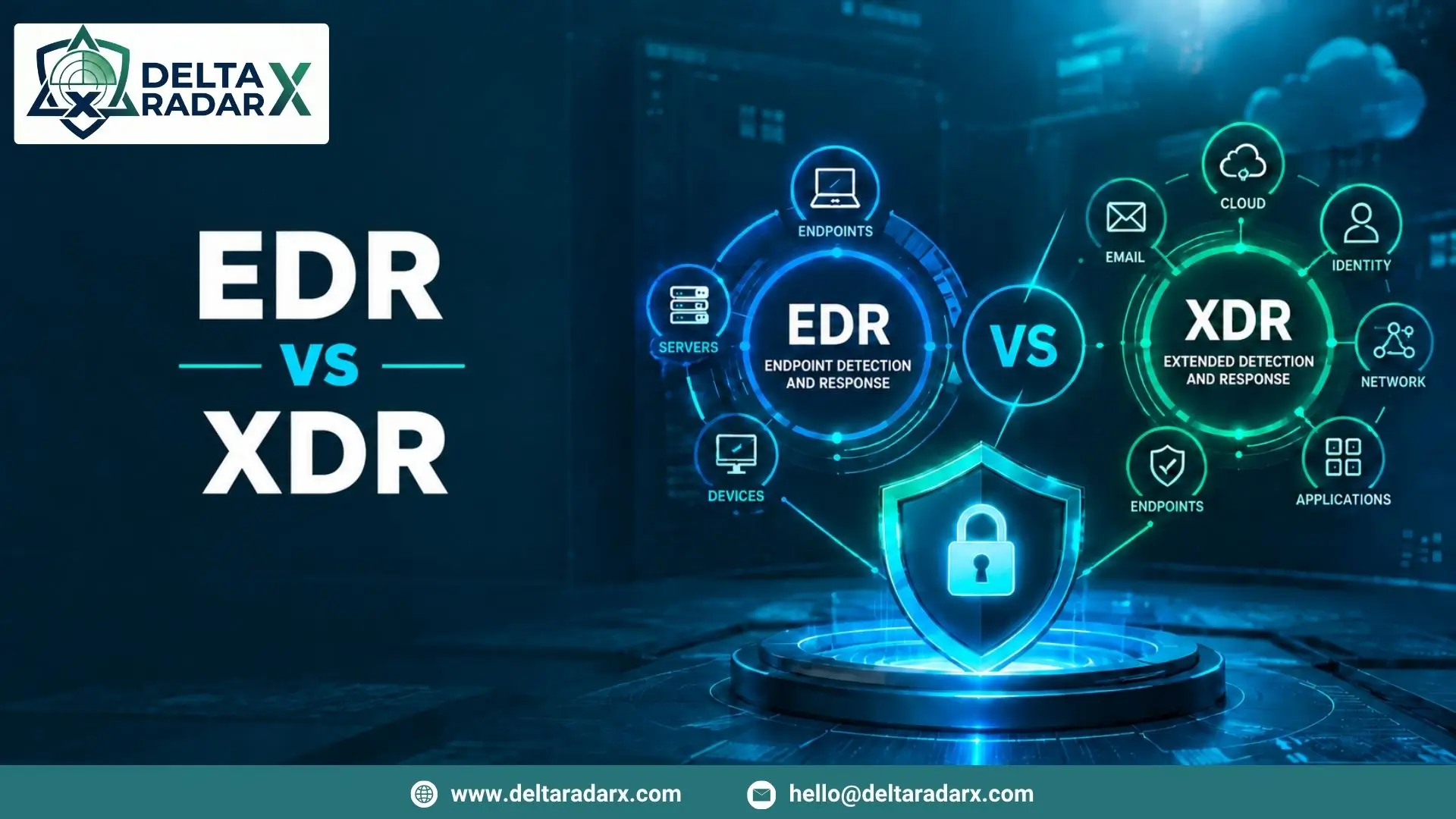
Extended Detection and Response vs EDR
EDR stands for Endpoint Detection and Response.
EDR focuses primarily on endpoints.
XDR expands detection beyond endpoints.
| Feature | EDR | XDR |
|---|---|---|
| Main focus | Endpoints | Multiple security layers |
| Endpoint visibility | Detailed | Detailed when integrated |
| Network visibility | Limited or integration-based | Broader |
| Email visibility | Usually limited | Can be integrated |
| Identity visibility | Usually limited | Can be integrated |
| Cloud visibility | Platform dependent | Can include cloud sources |
| Event correlation | Endpoint focused | Cross-layer |
| Response | Endpoint focused | Broader response options |
EDR remains important because endpoints generate valuable security information.
XDR can build on that information by connecting it with other security events.
Extended Detection and Response vs SIEM
SIEM stands for Security Information and Event Management.
SIEM platforms collect and analyze logs and security events from many systems.
XDR focuses more specifically on threat detection, investigation, and response across connected security layers.
SIEM commonly provides:
- Centralized log collection
- Log analysis
- Event correlation
- Security monitoring
- Compliance reporting
- Long-term log storage
XDR commonly focuses on:
- Threat detection
- Cross-layer correlation
- Security investigation
- Threat response
- Security automation
The two technologies can also work together.
Organizations can use SIEM Integration to connect security data from different systems and support centralized security monitoring.
Extended Detection and Response vs MDR
MDR stands for Managed Detection and Response.
MDR is a managed security service.
XDR is a technology and security operations approach.
Therefore, they are not exactly the same thing.
An organization can deploy an XDR platform internally.
Alternatively, it can use a managed service that provides monitoring and response with XDR technology.
MDR services may include:
- 24/7 monitoring
- Threat detection
- Alert investigation
- Threat hunting
- Incident response
As a result, MDR can provide the people and processes needed to operate security technologies continuously.
Extended Detection and Response for Cloud Security
Cloud environments generate large amounts of security data.
Organizations may use multiple cloud applications and services at the same time.
XDR can help bring cloud-related security activity into a broader security view.
Depending on the platform, teams may monitor:
- Cloud authentication
- Cloud application activity
- User behavior
- Cloud workloads
- Network connections
- Security alerts
This can help analysts investigate cloud incidents alongside endpoint and identity activity.
Extended Detection and Response for Remote Workforces
Remote work creates additional security challenges.
Employees may access business systems from different locations and devices.
They may also use cloud applications throughout the day.
XDR can connect information from endpoints, identity systems, cloud applications, and networks.
For example, a suspicious login can be investigated together with endpoint activity from the same user.
This broader context can help security teams identify potential account compromise.
Extended Detection and Response for Threat Hunting
Threat hunting involves proactively searching for suspicious activity.
Instead of waiting for an alert, security analysts search for indicators of potential threats.
XDR can support threat hunting by providing information from multiple security sources.
Analysts may investigate:
- Suspicious processes
- Unusual login behavior
- Network connections
- Email activity
- Cloud events
- Endpoint behavior
This broader visibility can help analysts search for threats across different parts of the environment.
Extended Detection and Response and Security Automation
Security teams often handle a large number of alerts.
Manual response can take time.
XDR platforms may provide automation for selected security tasks.
For example, a platform may automatically isolate a compromised endpoint after a high-confidence detection.
Other automated actions may include:
- Blocking an indicator
- Stopping a process
- Creating an incident
- Updating an alert
- Triggering a response workflow
Automation should be carefully configured.
Not every alert represents a confirmed threat.
Therefore, organizations should define appropriate rules for automated actions.
Challenges of Extended Detection and Response
XDR also has some challenges.
Integration Requirements
XDR depends on integrations with security data sources.
Organizations should check which technologies the platform supports.
Implementation Complexity
Connecting multiple systems can require planning.
Security teams may need to configure data sources, detection rules, permissions, and response workflows.
Alert Management
XDR can still generate many alerts.
Security teams need effective alert prioritization and investigation processes.
Vendor Compatibility
Some XDR platforms work particularly well with technologies from the same vendor.
Organizations should review compatibility before choosing a platform.
Data Quality
XDR detection depends on the quality and availability of security data.
Missing data can create visibility gaps.
How to Choose an Extended Detection and Response Solution
Organizations should consider several factors before selecting an XDR solution.
Check Security Integrations
Review whether the platform supports your existing:
- EDR
- Firewalls
- Email systems
- Identity platforms
- Cloud services
- Network technologies
- Security tools
Review Detection Capabilities
Look at the platform’s detection methods.
Check its support for behavioral analysis, threat intelligence, analytics, and detection rules.
Evaluate Response Features
Review which response actions are available.
Also check whether automation can be customized.
Consider Scalability
The platform should support your current environment and future growth.
Consider the number of endpoints, users, applications, and security events you need to monitor.
Review Investigation Tools
Security analysts need effective search and investigation capabilities.
Look for features that help connect related events and provide incident context.
Consider Managed Services
If your internal security team cannot provide continuous monitoring, consider a managed service.
Managed extended detection and response can provide additional monitoring and investigation support.
Extended Detection and Response at DeltaRadarX
Modern security operations require continuous visibility and timely response.
DeltaRadarX supports organizations with security monitoring and detection services across multiple areas.
Its capabilities include 24/7 SOC monitoring, SIEM and log monitoring, Managed Detection and Response, EDR, incident response, threat intelligence, SOAR automation, firewall and network monitoring, vulnerability auditing, and compliance reporting.
These services can help organizations monitor activity across endpoints, networks, firewalls, and other security systems.
For example, an endpoint alert can be investigated together with related network or firewall activity.
This can provide additional context during an incident investigation.
Organizations that need continuous monitoring can also use Managed Detection and Response Services for threat detection, investigation, threat hunting, and incident response.
DeltaRadarX also provides co-managed SOC support.
This allows organizations with internal IT or security teams to receive additional monitoring and security expertise.
Extended Detection and Response Use Cases
XDR can support several common security use cases.
Phishing Detection
XDR can connect email activity with endpoint and identity events.
Account Compromise Detection
Suspicious login activity can be investigated alongside endpoint and network behavior.
Malware Detection
Endpoint activity can be analyzed with related network events.
Ransomware Investigation
Suspicious file and process activity can be connected with other security events.
Cloud Security Monitoring
Cloud activity can be analyzed together with endpoint and identity information.
Threat Hunting
Security teams can search across multiple security data sources.
Incident Response
Connected security information can support investigation and response activities.
Final Thoughts
Extended detection and response expands security visibility beyond individual endpoints.
It connects security information from multiple layers.
These may include endpoints, networks, email systems, identity platforms, and cloud environments.
This broader visibility can help security teams detect suspicious activity, investigate incidents, and coordinate response actions.
However, XDR is not a replacement for every security technology.
EDR, SIEM, MDR, threat intelligence, and security operations can all play different roles.
For organizations that need continuous monitoring, managed extended detection and response can combine XDR capabilities with professional security monitoring and response.
The most suitable approach depends on the organization’s infrastructure, security requirements, existing tools, and available security expertise.