
Endpoints such as laptops, desktops, servers, mobile devices, and remote workstations are common targets for cyberattacks. As organizations adopt cloud services, remote work, and distributed infrastructure, monitoring these devices has become an important part of an effective cybersecurity strategy.
An Endpoint Monitoring Solution provides continuous visibility into endpoint activity, helping security teams identify suspicious behavior, detect potential threats, investigate security events, and respond before an incident affects critical business operations.
Unlike basic device management tools, modern endpoint monitoring combines security analytics, real-time activity monitoring, threat detection, and centralized visibility to help organizations understand what is happening across their endpoint environment.
What Is an Endpoint Monitoring Solution?
An Endpoint Monitoring Solution is a cybersecurity technology that continuously observes activity across devices connected to an organization’s IT environment.
It can monitor processes, applications, network connections, user activity, files, system changes, login attempts, and other endpoint events. When unusual behavior is identified, the solution can generate a security alert for further investigation.
Modern solutions may also integrate with Endpoint Detection and Response (EDR), Security Information and Event Management (SIEM), threat intelligence platforms, and Security Operations Center (SOC) workflows.
This creates a more centralized approach to endpoint security, allowing security teams to investigate endpoint activity alongside network, identity, cloud, and application events.
How Does Endpoint Monitoring Work?
Endpoint monitoring typically begins by deploying an endpoint agent or security sensor to devices throughout the organization. The agent collects relevant security and system activity and sends the information to a centralized monitoring platform.
The platform then analyzes this information using detection rules, behavioral analysis, threat intelligence, and security analytics.
For example, an endpoint may suddenly execute an unusual process, establish communication with a suspicious external address, or modify a large number of files. When these activities match known indicators or suspicious behavioral patterns, the system can generate an alert.
Security analysts can then investigate the event, determine whether it represents a genuine threat, and take appropriate response actions.
Key Features of an Endpoint Monitoring Solution
Real-Time Endpoint Visibility
Real-time monitoring provides security teams with visibility into endpoint activity as it occurs. Instead of discovering suspicious behavior after an incident has already caused damage, analysts can investigate unusual activity much earlier.
This visibility can include running processes, active connections, file activity, authentication events, applications, and system changes.
Threat Detection
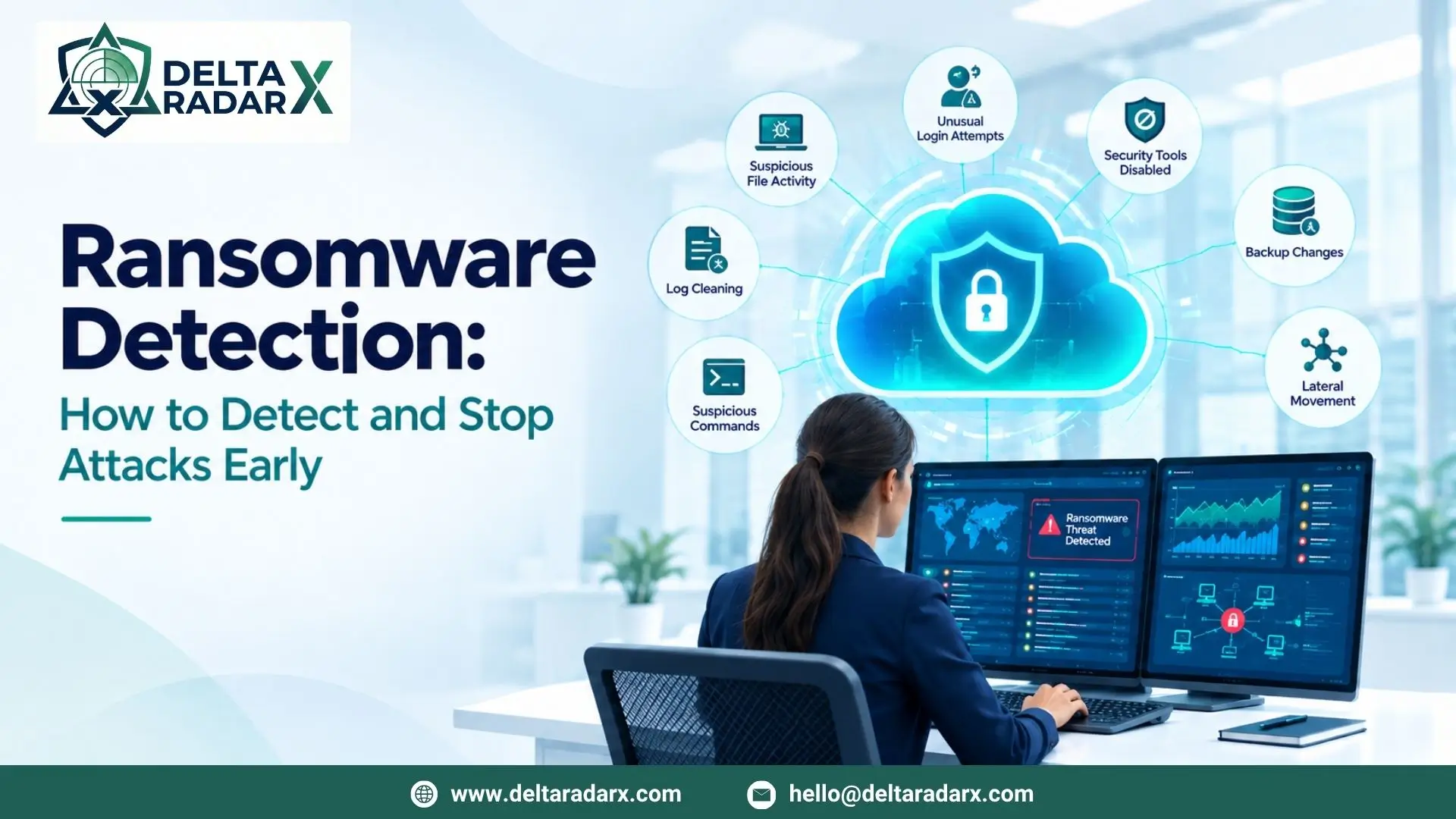
A strong endpoint monitoring solution should be capable of identifying common and advanced threats. Detection capabilities may include malware identification, suspicious process detection, ransomware behavior, credential misuse, unauthorized access, and unusual endpoint activity.
Combining endpoint telemetry with broader security data can improve detection accuracy and provide additional context during investigations.
EDR Integration
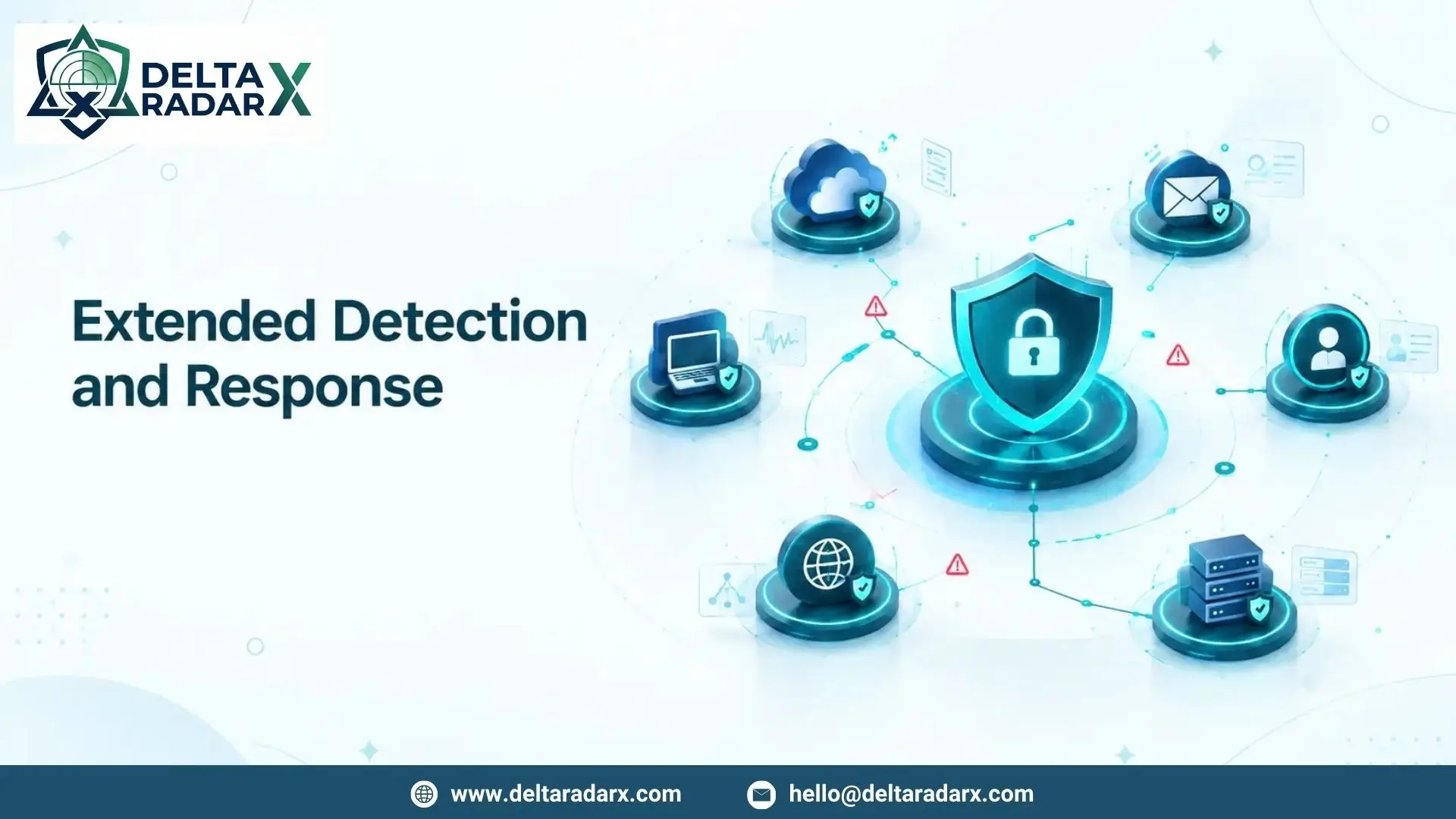
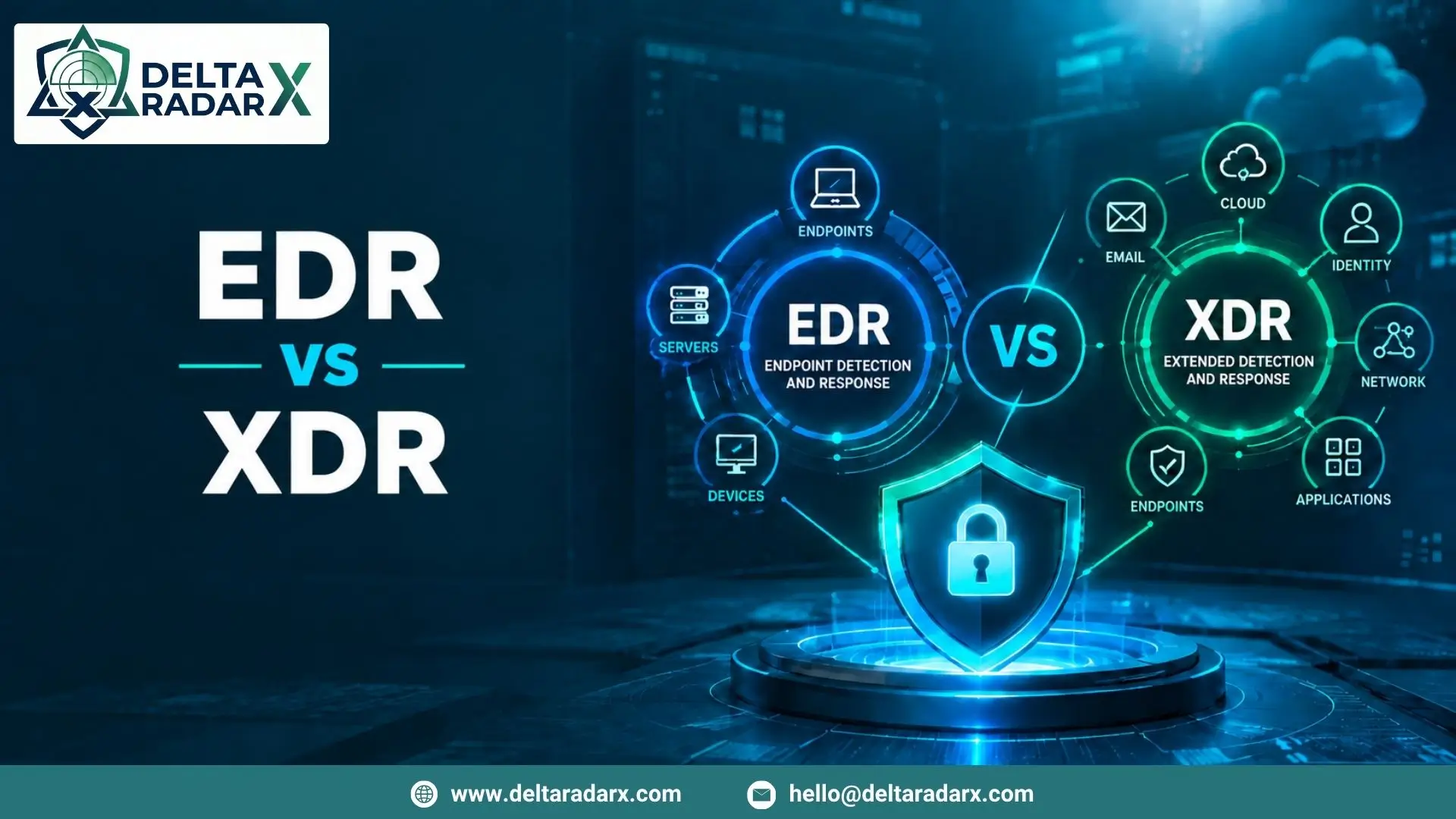
Endpoint Detection and Response (EDR) is an important component of modern endpoint security. EDR continuously collects endpoint telemetry and provides tools for investigating suspicious activity.
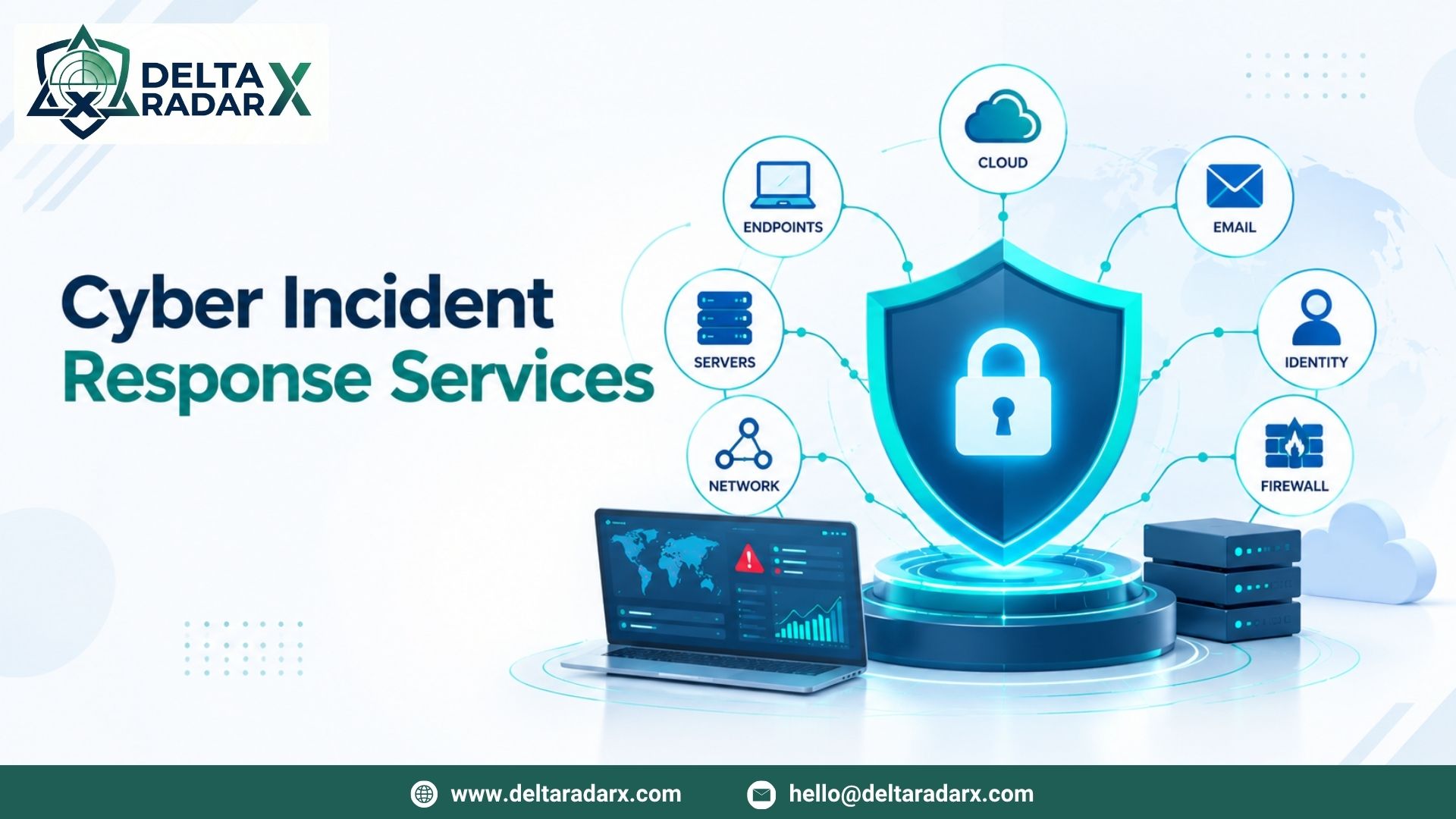
When integrated with endpoint monitoring, EDR can help security teams understand how a threat entered a device, what processes were executed, which files were affected, and whether other endpoints may also be compromised.
Centralized Security Monitoring
Organizations with hundreds or thousands of endpoints need a centralized way to manage security information. Centralized monitoring allows analysts to investigate endpoint events from a single environment instead of manually checking individual devices.
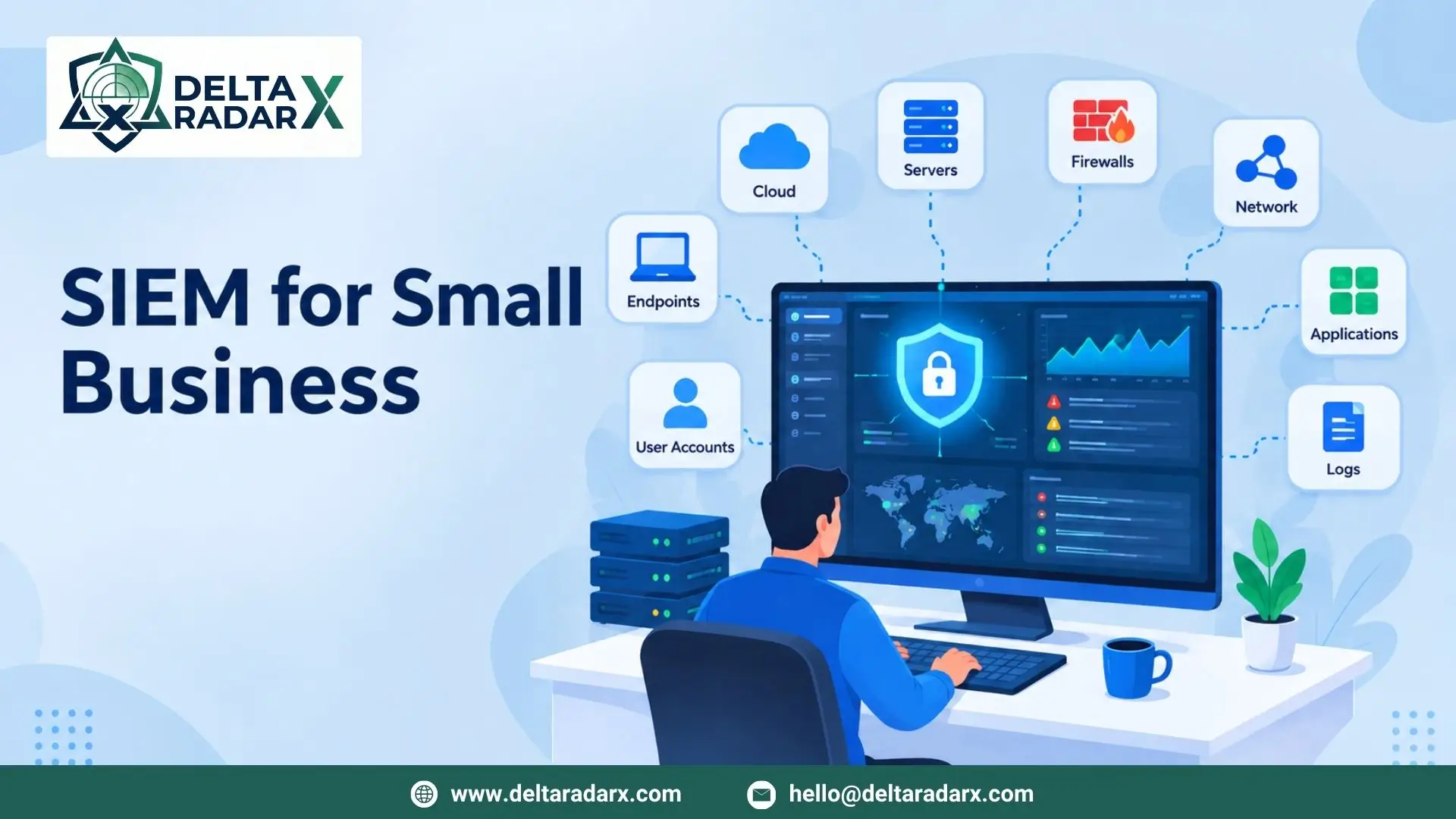
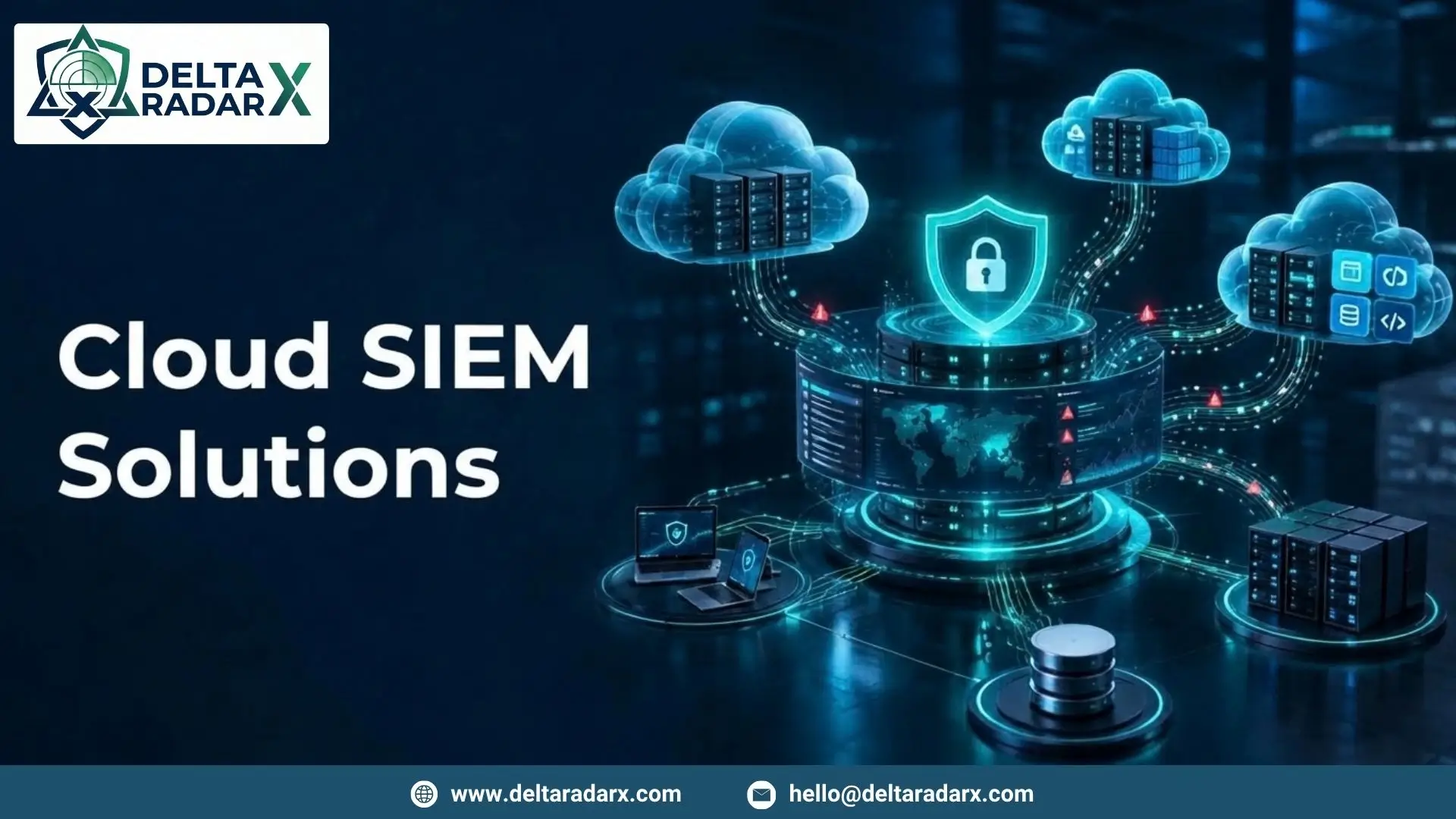
Integration with SIEM platforms can further improve visibility by correlating endpoint activity with firewall logs, authentication events, cloud activity, and other security signals.
Automated Response
Some endpoint monitoring solutions support automated response capabilities. Depending on the organization’s security policies, automated actions may include isolating a compromised endpoint, blocking malicious connections, terminating suspicious processes, or quarantining potentially harmful files.
Automation can reduce response times when immediate action is required.
Benefits of an Endpoint Monitoring Solution
Improved Endpoint Visibility
One of the biggest benefits is greater visibility into devices across the organization. Security teams can identify what is happening on endpoints and investigate activity that may otherwise remain unnoticed.
Faster Threat Detection
Continuous monitoring helps identify suspicious activity earlier. Early detection can limit an attacker’s ability to move laterally, establish persistence, steal information, or disrupt business systems.
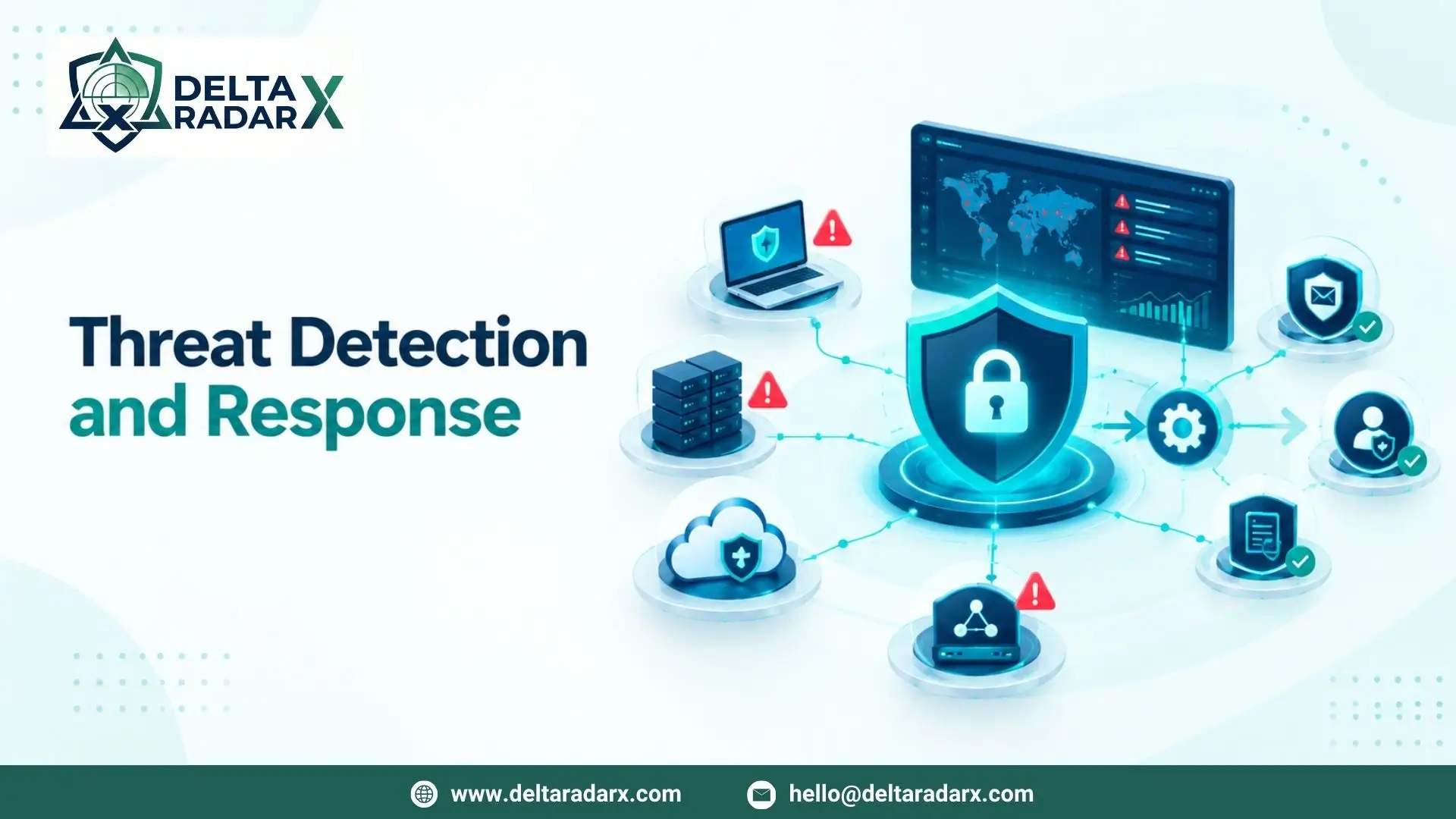
Endpoint monitoring becomes particularly valuable when combined with a broader Threat Detection and Response Platform, where endpoint signals can contribute to centralized threat analysis and response.
Reduced Security Risk
Monitoring endpoint activity helps organizations identify vulnerabilities, suspicious applications, unauthorized changes, and potentially compromised devices.
By identifying these issues earlier, security teams can take corrective action before they become larger security incidents.
Better Incident Investigation
When a security incident occurs, endpoint telemetry provides valuable evidence. Analysts can examine processes, files, connections, login activity, and other events to understand what happened.
This information can help determine the scope of an incident and identify affected systems.
Support for Remote and Distributed Environments
Modern organizations often have employees working from multiple locations. Traditional perimeter-focused security approaches may provide limited visibility into remote devices.
An endpoint monitoring solution allows organizations to maintain security visibility across distributed endpoints, making it easier to monitor devices regardless of where users are working.
Endpoint Monitoring and SOC Operations
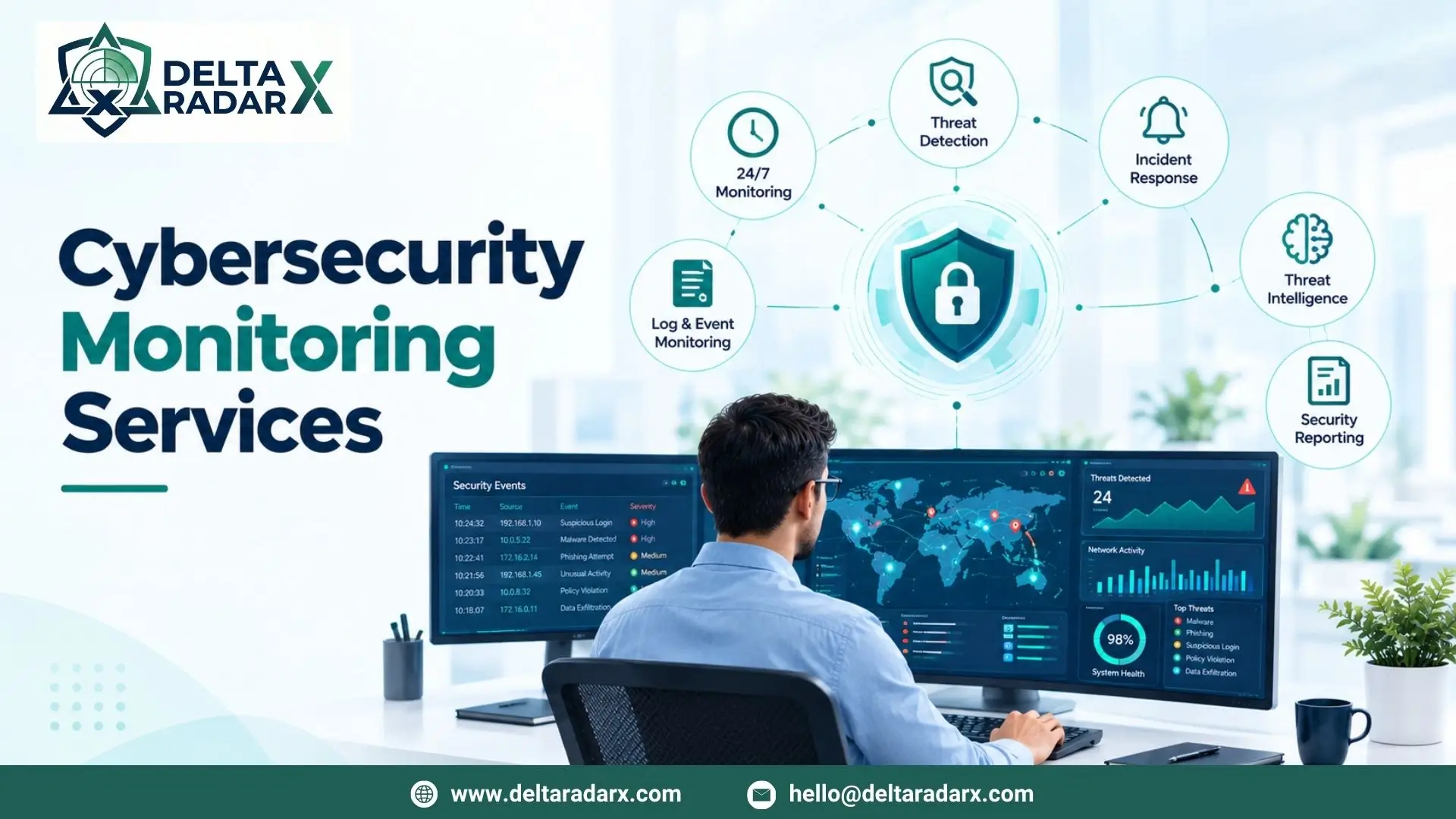
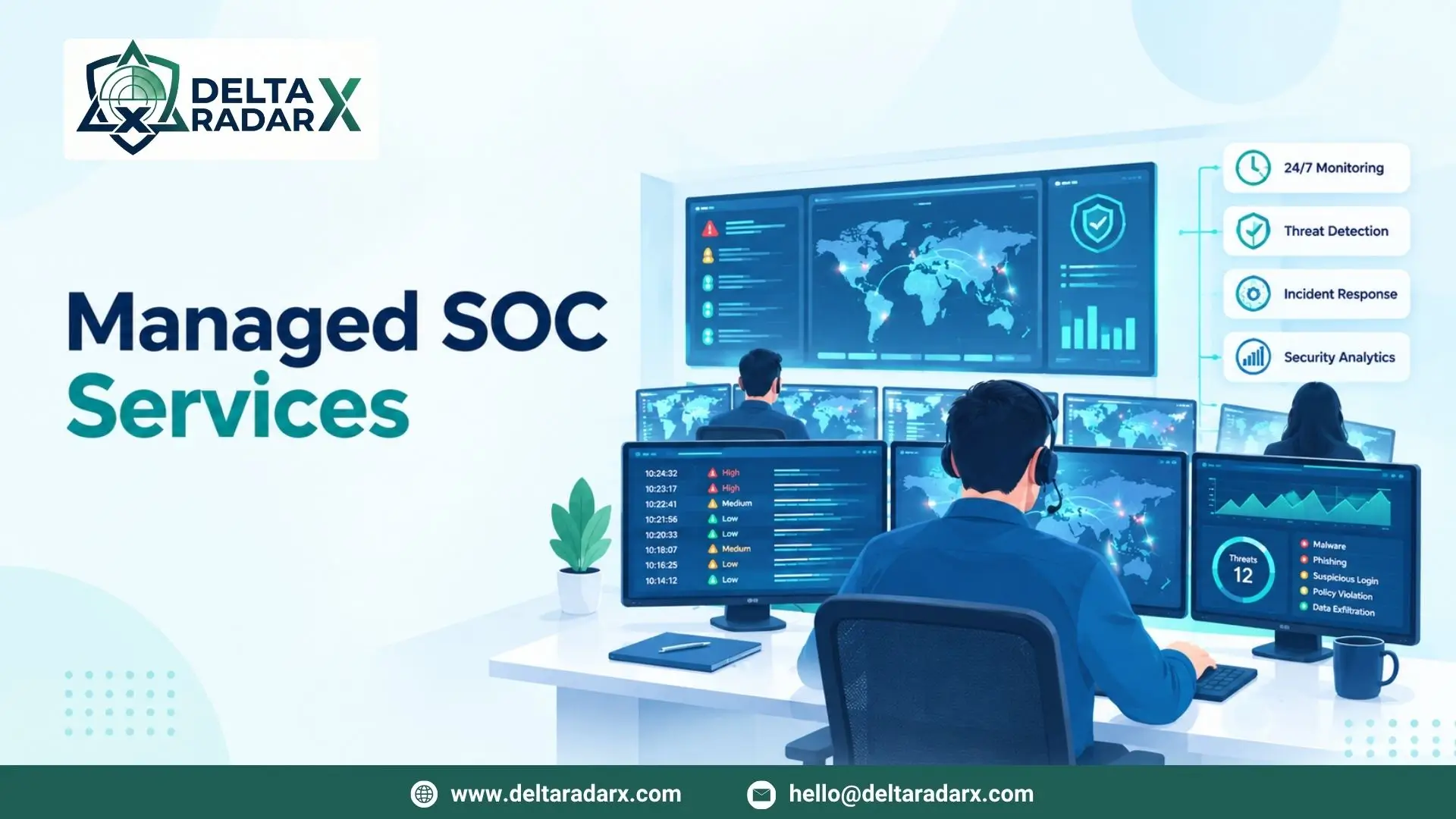
Endpoint monitoring becomes even more effective when integrated with a Security Operations Center. SOC analysts can continuously review endpoint alerts, correlate them with other security events, and investigate potential incidents.
For organizations handling large volumes of security events, alert prioritization is especially important. Excessive low-value notifications can consume analyst resources and contribute to alert fatigue. Proper detection-rule tuning and correlation can help organizations Reduce false positives in SIEM while maintaining visibility into genuine threats.
A mature monitoring strategy combines endpoint telemetry with SIEM, EDR, threat intelligence, incident response, and automated security workflows.
What to Consider When Choosing an Endpoint Monitoring Solution
Organizations evaluating an endpoint monitoring solution should consider several factors rather than focusing only on the number of features.
Coverage
The solution should support the organization’s endpoint environment, including relevant operating systems, servers, remote devices, and other systems that require monitoring.
Detection Capabilities
Evaluate how effectively the platform identifies malware, suspicious behavior, ransomware, credential attacks, unauthorized access, and other endpoint threats.
Integration
A solution should ideally integrate with existing security technologies such as SIEM, EDR, firewalls, identity platforms, threat intelligence, and SOAR tools.
Scalability
The platform should be capable of supporting the organization’s current endpoint population while allowing room for future growth.
Response Capabilities
Detection is only one part of endpoint security. Organizations should also evaluate whether the platform provides investigation tools, endpoint isolation, automated response, and incident-handling capabilities.
Expert Monitoring
Technology alone may not be enough for organizations that lack dedicated security personnel. A managed approach can provide continuous monitoring and expert analysis, particularly for businesses that need security coverage outside normal working hours.
Endpoint Monitoring with DeltaRadarX
DeltaRadarX combines endpoint visibility with broader cybersecurity monitoring capabilities, including 24/7 SOC operations, real-time SIEM and log monitoring, Managed Detection and Response (MDR), incident handling, threat intelligence, SOAR automation, EDR, and network and firewall monitoring.
This approach allows endpoint activity to be considered alongside other security signals, helping security teams identify suspicious patterns, investigate incidents, and respond to threats more efficiently. Vulnerability assessments, compliance reporting, and co-managed SOC support can further strengthen an organization’s overall security monitoring strategy.
Final Considerations
An Endpoint Monitoring Solution provides organizations with continuous visibility into endpoint activity and helps security teams identify suspicious behavior before it develops into a serious security incident.
The most effective approach goes beyond simply monitoring devices. Organizations should combine endpoint telemetry with EDR, SIEM, threat intelligence, automated response, and expert security monitoring to create a more complete security strategy.
For businesses managing remote employees, cloud environments, servers, and large numbers of endpoints, continuous endpoint monitoring can improve visibility, accelerate threat detection, strengthen incident response, and reduce overall cybersecurity risk.