
Organizations use multiple security tools to protect their digital environments. Firewalls monitor network traffic, endpoints generate security events, cloud platforms produce activity logs, and identity systems record authentication attempts.
The challenge is bringing this security information together and responding to potential threats effectively.
Two technologies that often appear in modern cybersecurity discussions are XDR and SIEM.
Both can help organizations improve threat detection and security visibility. However, they serve different purposes.
XDR vs SIEM is not simply a comparison between two competing tools. In many security environments, the two technologies can work together.
This guide explains the differences between XDR and SIEM, how each technology works, and when an organization may need one or both.
What Is XDR?
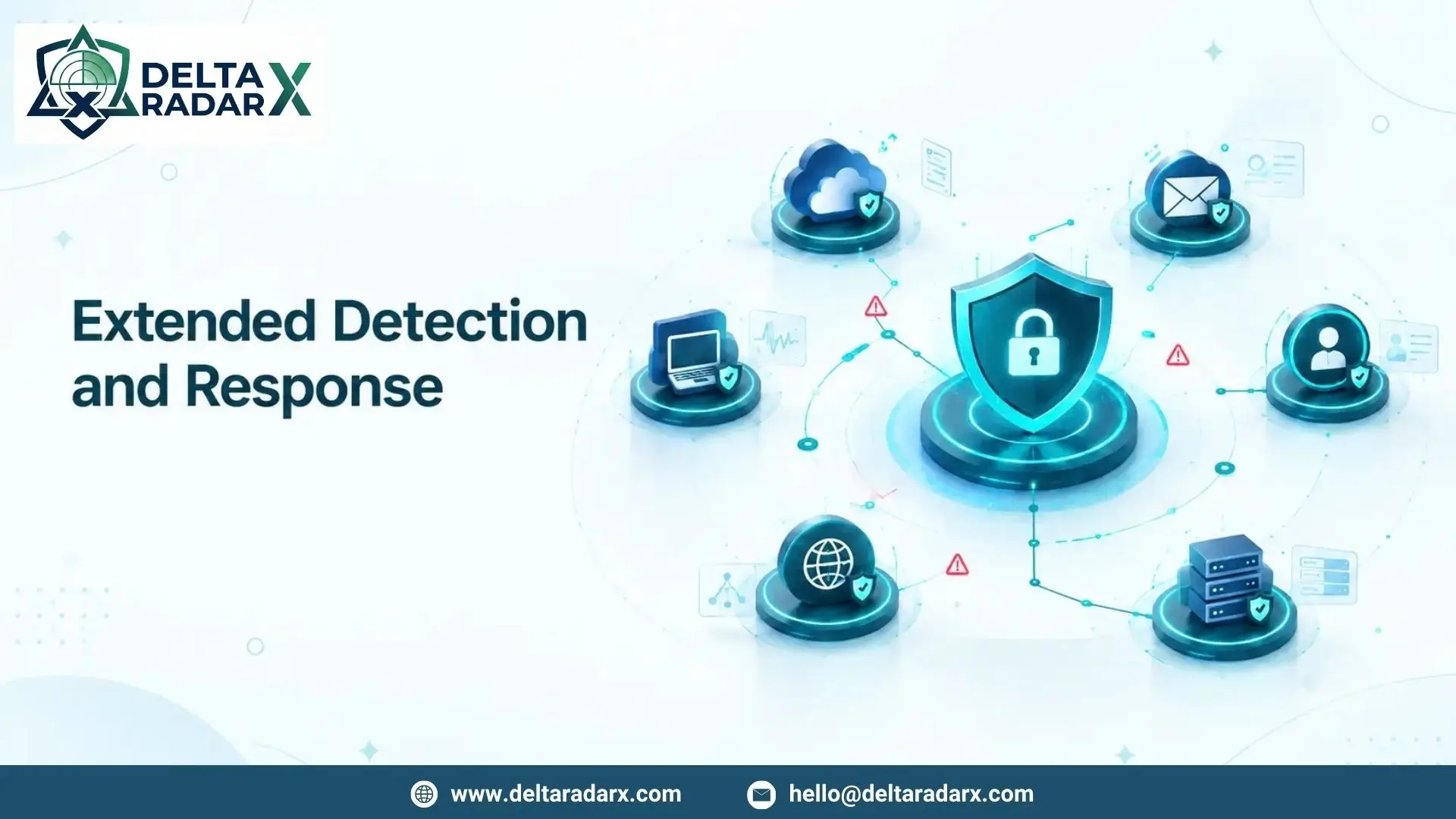
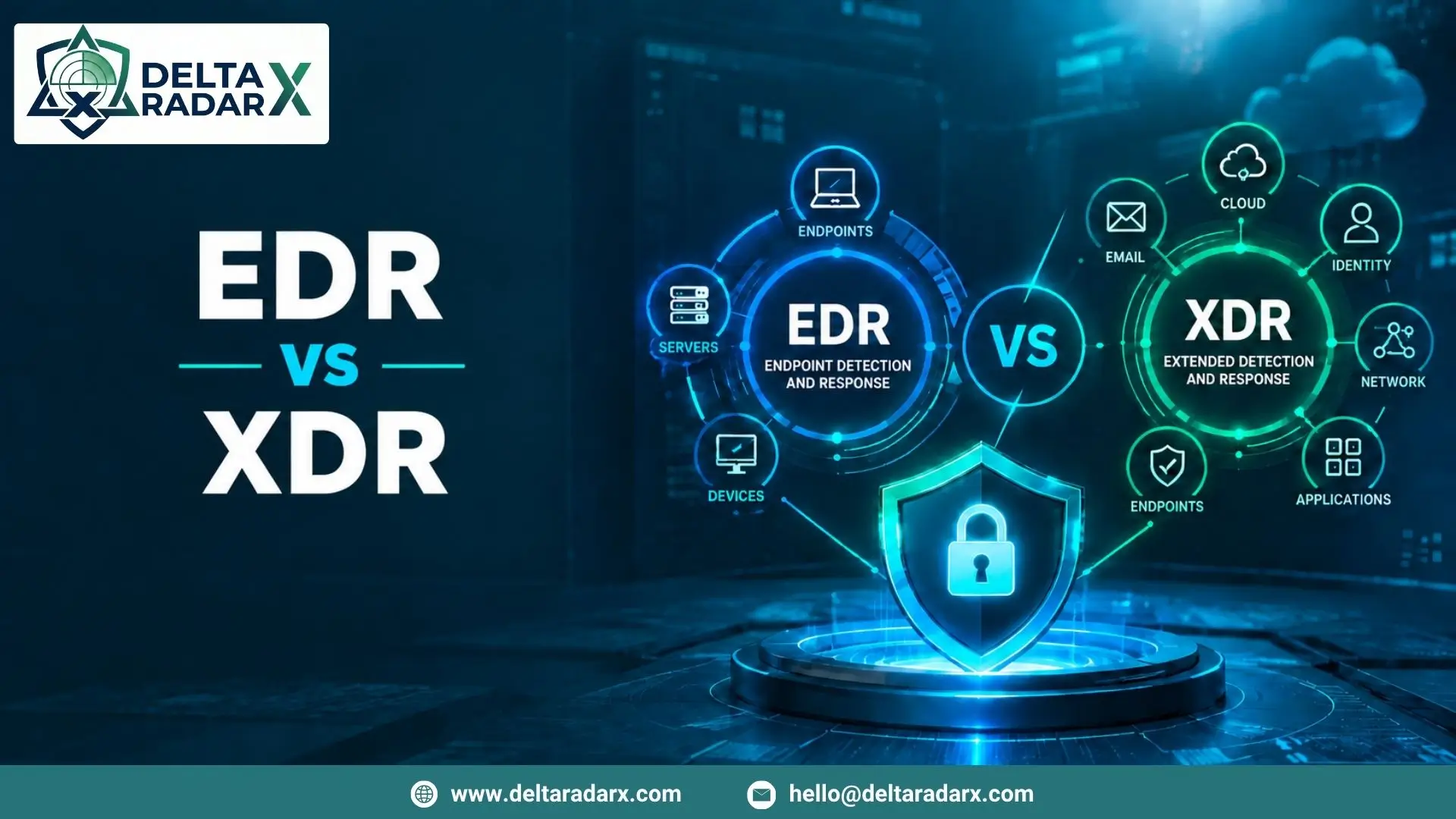
XDR stands for Extended Detection and Response.
XDR is a cybersecurity approach that collects and analyzes security information from multiple sources. It helps security teams detect, investigate, and respond to potential threats.
Unlike traditional endpoint-only detection, XDR can connect information from several security layers.
These may include:
- Endpoints
- Networks
- Email systems
- Cloud environments
- Identity systems
- Applications
- Security tools
The main goal of XDR is to provide broader threat visibility and connect related security events.
For example, a suspicious login, unusual endpoint activity, and abnormal network connection may appear as separate events.
An XDR platform can help connect these events and provide a clearer view of a possible attack.
What Is SIEM?
SIEM stands for Security Information and Event Management.
A SIEM platform collects logs and security events from multiple sources and brings them into a centralized environment.
These sources may include:
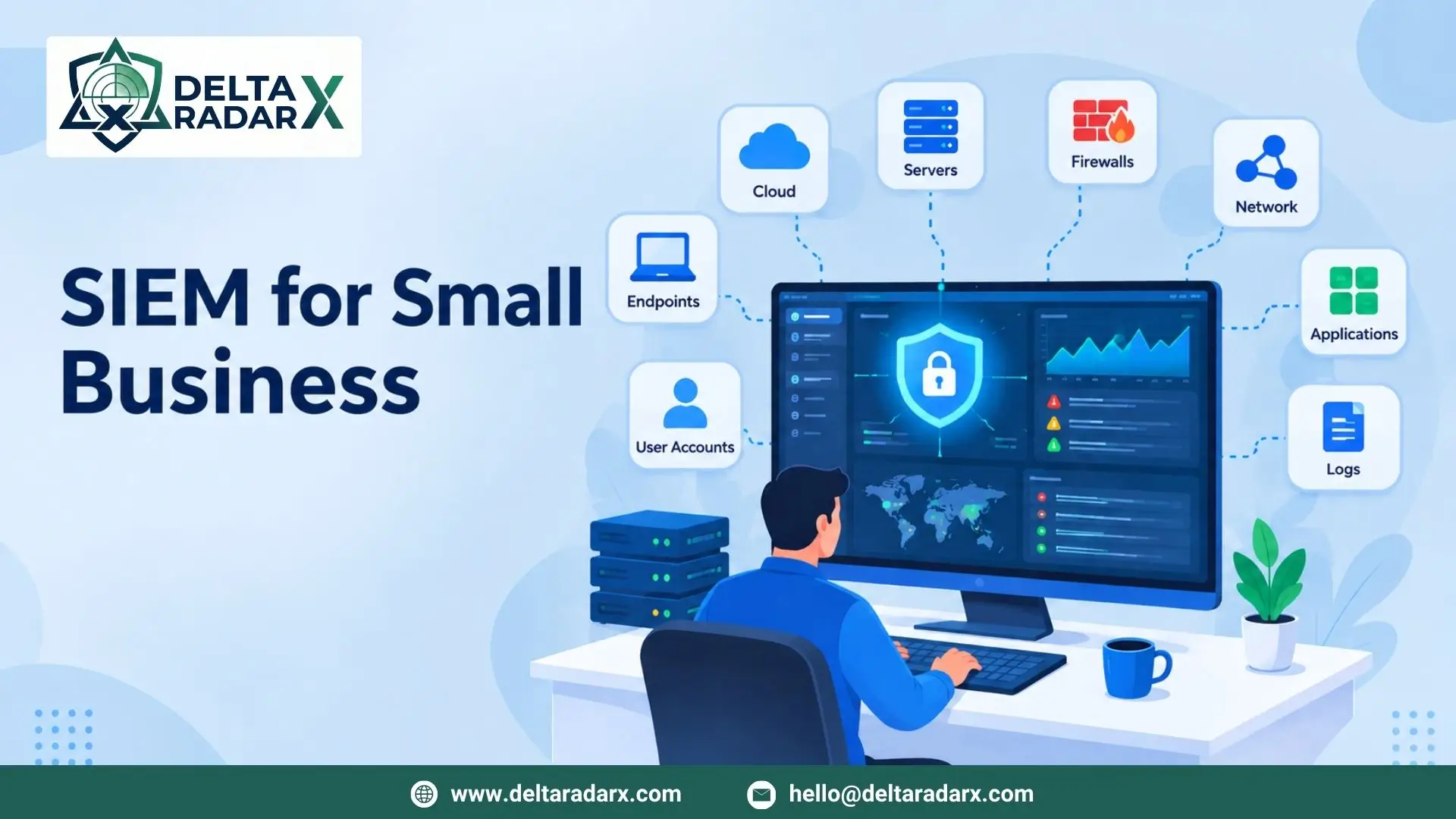
- Firewalls
- Servers
- Endpoints
- Applications
- Cloud platforms
- Network devices
- Identity systems
- Security tools
The SIEM platform stores, analyzes, and correlates this information.
Security teams can use SIEM to investigate events, identify suspicious activity, and improve visibility across their infrastructure.
A SIEM can also support reporting, compliance requirements, and long-term log analysis.
Organizations can use SIEM Integration to connect important security data sources and create a more centralized security monitoring environment.
XDR vs SIEM: Key Differences
The main difference between XDR and SIEM is their primary focus.
XDR focuses heavily on threat detection, investigation, and response across connected security layers.
SIEM focuses on collecting, centralizing, analyzing, and correlating security logs and events.
However, the distinction is not always completely simple.
Modern security platforms continue to evolve, and some solutions now offer overlapping capabilities.
| Feature | XDR | SIEM |
|---|---|---|
| Primary Focus | Detection and response | Log management and security analytics |
| Data Sources | Connected security layers | Wide range of logs and event sources |
| Threat Detection | Strong behavioral and correlated detection | Rule-based and correlation-based detection |
| Investigation | Focused on connected security incidents | Broad investigation across collected data |
| Response | Often includes response capabilities | May require additional tools or workflows |
| Log Retention | Depends on the platform | Often supports long-term log storage |
| Compliance Reporting | May be limited | Commonly supports reporting and compliance |
| Customization | Can be more streamlined | Often highly customizable |
| Security Operations | Detection and response focused | Centralized monitoring focused |
Both technologies can provide important security capabilities.
The best option depends on the organization’s environment and security requirements.
How Does XDR Work?
XDR collects security information from connected technologies and analyzes related activity.
The goal is to identify potential threats across multiple security layers.
Data Collection
XDR can collect information from different parts of the environment.
For example, it may analyze endpoint activity, identity events, network connections, and cloud activity.
This broader visibility can help security teams investigate incidents.
Event Correlation
Security incidents often involve multiple stages.
An attacker may first compromise an account. They may then access an endpoint and attempt to move through the network.
XDR can help connect these related activities.
This can provide a clearer picture of the attack.
Threat Detection
XDR platforms can use detection rules, behavioral analysis, threat intelligence, and other methods to identify suspicious activity.
The system can then prioritize important alerts for investigation.
Investigation
Security analysts can investigate alerts using information from different security layers.
This may reduce the need to manually switch between multiple tools.
Response
Depending on the XDR platform and available integrations, security teams may take response actions.
These actions may include isolating a device, blocking suspicious activity, or disabling compromised access.
How Does SIEM Work?
SIEM works by collecting security logs and events from different systems.
It provides a centralized location for security monitoring and analysis.
Log Collection
The SIEM receives logs from connected sources.
These may include firewalls, servers, applications, cloud platforms, and security tools.
Data Normalization
Different systems generate data in different formats.
A SIEM can process and organize this information to make analysis easier.
Event Correlation
SIEM platforms can identify relationships between different events.
For example, repeated failed logins followed by a successful login may trigger an alert.
Additional events can provide further context.
Alert Generation
Security rules and correlation logic can generate alerts when suspicious patterns are identified.
Security analysts can then investigate the activity.
Reporting and Log Retention
SIEM platforms can support security reporting and long-term log retention.
This can be useful for investigations, audits, and compliance requirements.
XDR vs SIEM for Threat Detection
Both XDR and SIEM can support threat detection.
However, their approaches can be different.
XDR is designed to connect security activity across multiple layers and focus on potential threats.
SIEM provides a broader view of security events and allows organizations to create detection rules based on collected data.
XDR may be useful when an organization wants stronger detection and response capabilities across connected security technologies.
SIEM may be more suitable when an organization needs centralized log collection, monitoring, analysis, and reporting.
In many cases, the two approaches can complement each other.
XDR vs SIEM for Incident Investigation
Incident investigation requires context.
Security analysts need to understand what happened before, during, and after suspicious activity.
XDR can provide connected information from different security layers.
For example, an analyst may see:
- A suspicious login
- Endpoint activity
- Network communication
- Potential lateral movement
This connected view can help analysts investigate an attack more efficiently.
SIEM can also support investigations by providing access to a wide range of security logs.
Analysts can search historical events and investigate activity across different systems.
The main difference is often the type of investigation each platform emphasizes.
XDR focuses more directly on connected threat activity.
SIEM provides broader log-based visibility.
XDR vs SIEM for Incident Response
XDR generally has a stronger focus on response.
Depending on the platform, analysts may be able to take action directly from the security environment.
For example, they may isolate an affected endpoint or block suspicious activity.
SIEM platforms can also support incident response.
However, response actions may require integration with other technologies such as SOAR, EDR, firewalls, or ticketing systems.
Organizations with advanced security operations often combine monitoring technologies with automation.
This can help reduce repetitive tasks and support faster response workflows.
XDR vs SIEM for Security Visibility
Security visibility is important in both technologies.
XDR provides visibility across connected security layers.
However, the available visibility may depend on the tools and integrations supported by the XDR platform.
SIEM can collect data from a broader range of systems.
Organizations can send logs from custom applications, servers, network devices, cloud services, and many other sources.
This makes SIEM valuable for organizations that need extensive log visibility.
For example, a business may need to monitor security events from systems that are not directly supported by an XDR platform.
A SIEM may provide more flexibility for collecting and analyzing this information.
XDR vs SIEM for Compliance
Compliance is another important difference.
Many organizations need to retain logs and create reports for security reviews or regulatory requirements.
SIEM platforms are commonly used for:
- Log retention
- Security reporting
- Audit investigations
- Compliance monitoring
- Historical event analysis
XDR may provide useful security information, but it may not always replace the broader reporting and log retention capabilities required for compliance.
Organizations should review their specific compliance requirements before selecting a security platform.
XDR vs SIEM for Security Operations
A modern Security Operations Center needs visibility, detection, investigation, and response capabilities.
SIEM can provide centralized monitoring and log analysis.
XDR can provide detection and response capabilities across connected security layers.
Security teams can use one technology or combine both depending on their requirements.
For organizations with limited internal resources, technology alone may not be enough.
Security alerts still need investigation.
Organizations can use Managed Detection and Response Services to combine security technologies with human monitoring, investigation, threat hunting, and response support.
This can help businesses that need continuous security coverage without building a large internal security team.
Can XDR Replace SIEM?
XDR does not always replace SIEM.
The answer depends on what the organization needs.
An organization that mainly needs detection and response across endpoints, identities, networks, and cloud systems may find XDR useful.
However, organizations that require extensive log collection, long-term retention, custom analytics, and compliance reporting may still need SIEM capabilities.
In some environments, XDR can reduce the need for certain SIEM functions.
However, it may not replace all SIEM capabilities.
The decision should depend on security requirements rather than assuming one technology can completely replace the other.
Can SIEM Replace XDR?
A SIEM can provide broad security monitoring and analytics.
It can collect information from many different sources and support complex detection rules.
However, SIEM does not always provide the same integrated detection and response experience as XDR.
Organizations may need additional technologies to provide endpoint response, automated containment, and other response capabilities.
This is why some organizations use SIEM together with EDR, SOAR, and other security tools.
XDR and SIEM Together
Using XDR and SIEM together can provide broader security coverage.
XDR can focus on identifying and investigating connected threats.
SIEM can provide centralized log collection, long-term retention, and broader security analytics.
For example, an XDR platform may identify suspicious endpoint and identity activity.
The SIEM can provide additional historical logs from applications, firewalls, servers, and cloud platforms.
Together, these technologies can provide more context.
Security teams can investigate incidents using information from multiple sources.
Benefits of XDR
XDR can provide several benefits.
Broader Threat Detection
XDR can analyze activity across multiple security layers.
This can help identify attacks that may involve more than one system.
Improved Investigation
Connected security information can provide additional context.
This may help analysts investigate threats more efficiently.
Faster Response
Some XDR platforms provide response capabilities.
This can help security teams take action more quickly.
Reduced Tool Switching
XDR can bring related security information together.
Analysts may spend less time moving between different tools during an investigation.
Benefits of SIEM
SIEM can also provide important advantages.
Centralized Log Management
SIEM brings security information from multiple systems into one environment.
This improves centralized visibility.
Flexible Data Collection
Organizations can collect logs from many different technologies.
This can include custom applications and infrastructure.
Historical Analysis
Long-term log retention can support investigations.
Analysts can review activity that occurred weeks or months earlier.
Compliance Support
SIEM can support security reporting and audit activities.
This can help organizations manage certain compliance requirements.
Challenges of XDR
Organizations should also consider the limitations of XDR.
Integration Dependence
The available capabilities may depend on the technologies supported by the XDR platform.
Some environments may require additional integrations.
Limited Log Retention
XDR may not provide the same level of long-term log storage as a dedicated SIEM.
Platform Dependency
Some XDR solutions work most effectively when organizations use technologies from the same security ecosystem.
Organizations should evaluate compatibility before choosing a platform.
Challenges of SIEM
SIEM can also present challenges.
Complex Implementation
Connecting and configuring many data sources can require technical expertise.
Alert Overload
Poorly configured detection rules can generate too many alerts.
This can create alert fatigue.
Ongoing Management
SIEM platforms require continuous monitoring, rule tuning, and maintenance.
Skilled Resources
Organizations need security professionals who can investigate alerts and manage the platform effectively.
How to Choose Between XDR and SIEM
The right choice depends on the organization’s security requirements.
Choose XDR when the primary goal is:
- Connected threat detection
- Security investigation
- Endpoint and identity visibility
- Faster response
- Detection across multiple security layers
Choose SIEM when the primary goal is:
- Centralized log management
- Broad security visibility
- Long-term log retention
- Custom detection rules
- Historical analysis
- Compliance reporting
Some organizations may need both.
The best approach is to first identify the security data sources, monitoring requirements, response capabilities, and compliance needs.
XDR vs SIEM at DeltaRadarX
Effective security operations require more than collecting alerts.
Organizations need visibility, detection, investigation, and a clear response process.
DeltaRadarX provides 24/7 SOC operations, real-time SIEM and log monitoring, Managed Detection and Response, incident handling, threat intelligence, SOAR automation, EDR, network and firewall monitoring, vulnerability assessments, and compliance reporting.
These services can support organizations that need broader security monitoring across different parts of their environment.
For example, a suspicious identity event can be investigated alongside endpoint activity, firewall logs, and network connections.
This additional context can help analysts determine whether the activity represents a genuine threat.
DeltaRadarX also provides co-managed SOC support for organizations with internal IT or security teams.
This approach can provide additional monitoring capacity and security expertise.
Organizations can also strengthen endpoint visibility through Endpoint Threat Detection, which can support the investigation of suspicious activity across user devices and servers.
Final Thoughts
The XDR vs SIEM comparison is not about deciding that one technology is always better than the other.
XDR focuses more strongly on connected threat detection, investigation, and response.
SIEM focuses on centralized log management, security analytics, historical analysis, and reporting.
Organizations should select technology based on their actual requirements.
Some businesses may benefit primarily from XDR.
Others may require the broader data collection and compliance capabilities of SIEM.
For complex environments, using XDR and SIEM together can provide stronger security visibility and better investigation capabilities.
The most effective security strategy combines the right technologies with skilled analysts, continuous monitoring, and clear incident response procedures.